

Rockin Robin SongFlying The Web For News.


Consumer Daily Reports

Smart glasses, furniture, and power banks are part of this week's recall roundup

By News Desk of ConsumerAffairs
September 28, 2026

Recall Roundup: Mattresses, smart glasses, foods and more

This roundup covers newly announced recalls and safety warnings from the Consumer Product Safety Commission, Food and Drug Administration, and USDAs Food Safety and Inspection Service.

Emerspring mattresses fail fire safety rules

Style Homeware is recalling queen-size Emerspring Mattresses sold on Amazon because they do not meet the federal flammability standard for mattresses.

  • Hazard: The mattresses violate the mandatory flammability standard, creating a fire risk that can lead to serious injury or death.

  • Scope: About 263 mattresses were sold on Amazon.com from January 2026 through May 2026 for $226.

  • Immediate action: Consumers should stop using the mattress right away and contact Style Homeware for a free fitted cover to bring it into compliance.

Style Homeware, Inc., of Monrovia, California, is recalling Emerspring Mattresses after regulators said the products fail a mandatory fire-safety rule. The recalled mattresses are 12 inches thick, sold in queen size, have a white top and white sides with green trim, and were sold compressed in a box. A sewn-in white label on one side includes Prototype ID: and the manufacture date 6/2025.

The hazard

The CPSC said the recalled mattresses do not comply with the mandatory flammability standard for mattresses. That means the product can pose a serious fire danger in the home, with a risk of severe injury or death if a fire occurs. No incidents or injuries had been reported at the time of the recall.

What to do

Consumers should stop using the recalled mattress immediately. Style Homeware says it will provide a free fitted cover designed to bring the mattress into compliance with the federal flammability standard.

Company contact

Style Homeware email at EmerspringMattressRecall@outlook.com.

Source


INMO Air3 smart glasses can overheat

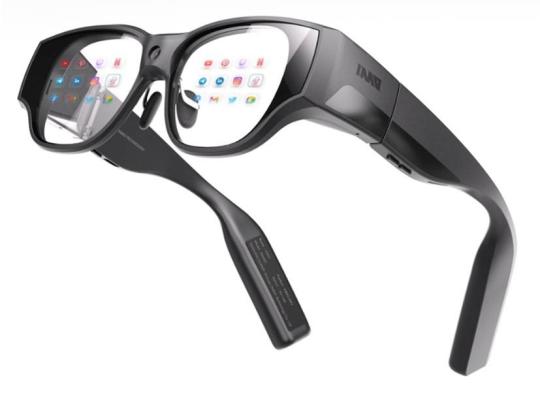
INMO International Technology Limited is recalling AIR3 smart glasses because the left temple can overheat during extended use and burn the wearer.

  • Hazard: The left temple can overheat, posing a burn hazard and a risk of serious injury or death.

  • Scope: About 1,643 were sold in the United States, plus about 120 in Canada, through Amazon.com, Inmoxr.com, and Kickstarter.com.

  • Immediate action: Consumers should stop using the glasses and contact INMO for a free repair and system update.
Product

INMO International Technology Limited is recalling black AIR3 smart glasses used for AI translation, AI-assisted productivity, and media streaming. The model number AIR3 and the brand name INMO are printed on a label on the right temple. Regulators said the left temple can overheat during extended use, creating a serious burn risk to the face and ear.

The hazard

The overheating problem affects the left temple of the glasses, an area that rests directly against the wearers skin. The firm received 10 reports of the AIR3 glasses overheating, including reports of a burning sensation to the face and the left side of the ear. The CPSC said the condition poses a risk of serious injury or death from burns.

What to do

Consumers should stop using the recalled smart glasses immediately and contact INMO for a free repair. The company said it will assist users in updating the system to version V3.16 online.

Company contact

INMO International toll free at 888-212-9620 between 9 a.m. and 5 p.m. ET Monday through Friday, email at support.usa@inmoxr.com or online at https://inmoxr.com/ pages/recall and click on Product Recalls at the top of the page for more information.

Source


Reclining chair battery packs can ignite

The Blue Cactus Company has recalled battery packs used with reclining chairs because the lithium-ion batteries can overheat, smoke, or catch fire.

  • Hazard: The lithium-ion battery can overheat, posing fire and burn hazards.

  • Scope: About 51,000 battery packs were sold on Amazon.com from May 2023 through July 2026 for about $105.

  • Immediate action: Consumers should stop using the battery packs and request a replacement from The Blue Cactus Company.

The Blue Cactus Company 2500 mAh Battery Packs for Reclining Chairs are being recalled by manufacturer Go North Rocket 28 AB, of Sweden. The battery packs were sold for use with reclining chairs and, according to the CPSC, contain lithium-ion cells that can become dangerously hot. That makes this recall especially important for consumers who keep the batteries attached to upholstered furniture inside the home.

The hazard

The CPSC said the lithium-ion battery in the recalled packs can overheat, creating both fire and burn hazards. The agency said it is aware of four reports of the batteries overheating, smoking, or igniting. Even a small battery fire can spread quickly when it happens near cushions, fabric, or other combustible materials.

What to do

Consumers should stop using the recalled battery packs immediately and contact The Blue Cactus Company for a replacement battery pack. Do not continue charging or using a battery pack that shows signs of overheating, smoke, swelling, or damage.

Company contact

The Blue Cactus Company by email at recall@thebluecactuscompany.com or online at https://www.thebluecactuscompany.com/ and click on Important Recall Information to learn more.

Source


Light-up toys pose deadly battery risk

ABC Trading is recalling childrens light-up toys because their button cell battery compartments can be easily opened, creating a potentially fatal ingestion hazard.

  • Hazard: Children can access button cell batteries, which can cause internal burns, severe injuries, or death if swallowed.

  • Scope: About 43,674 units were sold in ABC Trading stores in Los Angeles, other specialty stores nationwide, and online at abctradinginc.com from September 2016 through May 2026.

  • Immediate action: Consumers should stop using the toys immediately and contact ABC Trading for a refund after disposing of the product.

ABC Trading Inc., of Vernon, California, is recalling several low-cost light-up childrens toys, including a light-up tie, light-up headbands, and light-up glasses. The products were packaged in clear plastic bags with identifiers 6502, HD-10, or L-508, and labeled MADE IN CHINA, Importer: ABC TRADING, INC. The CPSC said the toys violate the mandatory toy safety standard because children can access the button cell batteries inside.

The hazard

Button cell and coin batteries are especially dangerous when swallowed. The CPSC said the battery compartments can be easily accessed by children, creating a deadly ingestion hazard. If swallowed, these batteries can cause serious internal chemical burns, severe injury, and death. No incidents or injuries had been reported at the time of the recall.

What to do

Consumers should stop using the recalled light-up toys immediately and contact ABC Trading for a refund. The company said consumers will be asked to email a photograph showing the product being disposed of in the trash before the refund is processed.

Company contact

ABC Trading toll-free at 323-581-3688 from 9:30 a.m. to 6 p.m. PT Monday through Friday, email at recallabc@gmail.com or online at https://www.abctradinginc.com/recall-2 or www.abctradinginc.com and click Recall Information at the top of the page for more information.

Source


NEWDERY power banks linked to fires

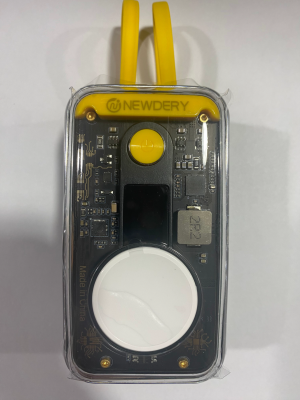
NEWDERY is recalling model ZHX-PB22 power banks after reports that the lithium-ion batteries exploded or ignited, including one fire tied to major property damage.

  • Hazard: The power banks lithium-ion batteries can explode or catch fire, posing fire and burn hazards.

  • Scope: About 21,380 power banks were sold on Amazon.com from October 2023 to November 2024 for between $27 and $50.

  • Immediate action: Consumers should stop using the power banks immediately and contact NEWDERY for refund instructions and safe disposal steps.
Product

Shenzhen Xinkewangda Electronics Co., Ltd., doing business as NEWDERY, is recalling black power banks with yellow cables and model number ZHX-PB22. The brand name NEWDERY is engraved on the front and the model number is printed on the back. The recall follows reports that the lithium-ion battery inside can explode or ignite.

The hazard

The CPSC said the recalled power banks can overheat to the point of explosion or fire, creating serious burn and fire hazards. NEWDERY received nine reports of the power banks exploding and igniting, including one serious fire that resulted in $2 million in property damage and one burn injury. Lithium-ion battery fires can be difficult to extinguish and can reignite after appearing to go out.

What to do

Consumers should stop using the recalled power banks immediately and contact NEWDERY for instructions on how to receive a full refund. To get the refund, consumers must submit a photo of the recalled power bank showing the model number, serial number, and the word recalled and the consumers last name written on the device in permanent marker, then confirm disposal in accordance with applicable laws and regulations.

Company contact

NEWDERY toll-free at 888-256-6673 from 11 a.m. to 7 p.m. ET Monday through Friday, email at support@newdery.com or online at https://www.newdery.com/pages/newdery-power-bank-recalls or go to www.newdery.com and click on Recall at the top of the page for more information.

Source


FOTING pressure washers pose electrocution danger

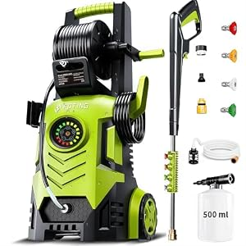
The CPSC is warning consumers to stop using FOTING pressure washers immediately because the machines lack key electrical protections against shock and electrocution.

  • Hazard: The pressure washers lack a Ground-Fault Circuit-Interrupter and have an inadequate power cord, creating serious shock and electrocution hazards.

  • Scope: The products were sold on Amazon.com, Walmart.com, TikTok.com, Temu.com, Wayfair.com, and eBay.com for between $85 and $266.

  • Immediate action: Consumers should stop using the pressure washers, cut the power cord, and dispose of the product.
Product

The CPSC issued a safety warning for FOTING pressure washers sold online through several major marketplaces. According to the agency, the machines lack an integrated immersion protection device on or near the plug, also known as a Ground-Fault Circuit-Interrupter, and also do not have an adequate-length power cord. Those missing safeguards can expose users to a potentially deadly electrical shock.

The hazard

Pressure washers are used around water, making electrical protections especially important. The CPSC said these units do not have the required GFCI protection on or near the power plug and also lack an adequate-length power cord, creating a risk of serious injury or death from shock and electrocution. The agencys warning is a stop-use notice rather than a traditional recall announcement.

What to do

Consumers should stop using the pressure washers immediately. The CPSC urges owners to destroy the products by unplugging them, cutting the power cord, and disposing of them, and says consumers should not sell or give away the hazardous washers.

Company contact

Report any incidents involving injury or product defect to CPSC at www.SaferProducts.gov.

Source


Ravioli recall over undeclared lobster

Deanos Pasta is recalling Pear and Pecorino Triangoli Ravioli because the product may contain undeclared lobster, a serious risk for people with shellfish allergies.

  • Hazard: The ravioli contains undeclared crustacean shellfish, specifically lobster, which can trigger a life-threatening allergic reaction.

  • Scope: The product was distributed in Massachusetts retail stores between Aug. 10, 2026, and Sept. 22, 2026, under lot numbers 090126126, 082526126, 081826126, and 073126126.

  • Immediate action: Consumers should not eat the ravioli and should return it to the place of purchase for a full refund.

Deanos Pasta has issued an allergy alert for Pear and Pecorino Triangoli Ravioli sold in Massachusetts. The recall was announced because the product may contain lobster that is not declared on the label. For people with a crustacean shellfish allergy, even a small amount can pose a serious health threat.

The hazard

The risk is tied to an undeclared allergen, not spoilage or contamination visible to shoppers. The FDA notice said people who have an allergy or severe sensitivity to Crustacean Shellfish (Lobster) run the risk of serious or life-threatening allergic reaction if they consume the product. Consumers should check the listed lot numbers carefully before deciding whether a package is affected.

What to do

Consumers who purchased Deanos Pasta Pear and Pecorino Triangoli Ravioli should not consume it. The company is urging customers to return the product to the place of purchase for a full refund.

Company contact

Deanos Pasta at (617) 623-0013.

Source


Organic apple sauce pulled for patulin

Wakefern Food Corp. is recalling Wholesome Pantry Organic Unsweetened Apple Sauce after tests found elevated levels of patulin, a mold-related substance that should not exceed food safety limits.

  • Hazard: The apple sauce may contain elevated levels of patulin, a substance produced by molds that grow on damaged or bruised apples.

  • Scope: The recall covers packages with UPC code 04119005677 and a best-by date of June 16, 2027, sold through several Wakefern supermarket banners.

  • Immediate action: Customers should not consume the apple sauce and can return it to the store for a refund or replacement.

Wakefern Food Corp. has voluntarily recalled Wholesome Pantry Organic Unsweetened Apple Sauce sold through ShopRite, Price Rite Marketplace, The Fresh Grocer, Gourmet Garage, and Fairway Market. The issue is elevated patulin in the product, according to the FDA. The recall affects packages marked with the listed UPC and best-by date.

The hazard

Patulin is a naturally occurring substance produced by molds that can grow on damaged or bruised apples. The FDA said food safety standards limit how much patulin is allowed in food because elevated exposure over time can raise health concerns. Because the amount detected in this product exceeds acceptable limits, the product should not be consumed.

What to do

Customers who purchased the recalled apple sauce should not eat it. Wakefern said consumers can return the product to the store for an immediate refund or replacement.

Company contact

Consumers: 1-800-ShopRite (1-800-746-7748) Monday through Friday, from 8 a.m.-6 p.m., and Saturday and Sunday, 9-5. Media: Karen OShea (732) 906-5932.

Source


Niwali Tejocote products may contain toxin

Global Mix Inc. is recalling niwali Tejocote Capsules and niwali Tejocote Pieces because the products may contain yellow oleander, a highly toxic plant.

  • Hazard: The products may contain yellow oleander, which contains cardiac glycosides that can cause severe or fatal health effects.

  • Scope: The recall covers lots RM500925 and RM400925 distributed nationwide through ebay.com and Everymarket.com.

  • Immediate action: Consumers should stop using the products immediately and return them for a refund or contact the company to arrange one.

Global Mix Inc. has recalled niwali Tejocote Capsules and niwali Tejocote Pieces after finding that the products contain yellow oleander, listed in the notice as Thevetia peruviana. These products were sold nationwide online. Unlike many supplement recalls, this one involves a potentially poisonous plant ingredient rather than a labeling error.

The hazard

All parts of the yellow oleander plant are known to contain cardiac glycosides, which are highly toxic to humans and animals, the FDA said. Ingestion can cause severe or even fatal neurologic, gastrointestinal, and cardiovascular effects, including nausea, vomiting, dizziness, diarrhea, abdominal pain, changes in heart rhythm, and arrhythmia. Because of that toxicity, consumers should treat this as an urgent stop-use recall.

What to do

Consumers who purchased niwali Tejocote Capsules or niwali Tejocote Pieces should stop using them immediately and should not consume any remaining product. The products should be returned to the place of purchase for a full refund, or consumers can contact the company to arrange a refund.

Company contact

Global Mix Inc. Customer Service at (646) 419-5884 Monday to Friday, 9:00 a.m. to 5:00 p.m. Eastern Time, or by email at office@unitedlegalexperts.com.

Source


Bacon cheddar chips missing soy warning

Saratoga Potato Chips has issued an allergy alert for J. HIGGS Loaded Bacon and Cheddar Potato Chips because some packages do not disclose soy.

  • Hazard: The chips contain undeclared soy, which can cause a serious or life-threatening allergic reaction in sensitive consumers.

  • Scope: The recall covers 7.75-ounce packages with UPC 0-51933-31645-4 and best-by dates of DEC 11 26 or DEC 18 26 sold in Save A Lot stores in five states.

  • Immediate action: Consumers with soy allergies should not eat the chips and should return them to the place of purchase for a full refund.

Saratoga Potato Chips is recalling J. HIGGS Loaded Bacon and Cheddar Potato Chips sold in Save A Lot stores in Indiana, Kentucky, Ohio, Tennessee, and Maryland. The issue is undeclared soy in the product. For shoppers managing food allergies, a missing allergen warning can turn an ordinary snack into a medical emergency.

The hazard

The FDA said people who have an allergy or severe sensitivity to soy run the risk of serious or life-threatening allergic reaction if they consume the chips. Consumers should check both the UPC and the listed best-by dates to determine whether a bag is covered by the recall. The notice identifies the issue as an allergen-labeling problem.

What to do

Consumers who purchased the recalled chips are urged not to eat them if they have a soy allergy or sensitivity. The company said affected packages should be returned to the place of purchase for a full refund.

Company contact

Consumers can call 1-260-969-0066.

Source


Gluten-free mixes may contain wheat

GF Blends is recalling two baking mixes because they may contain undeclared wheat gluten, posing a risk for people with celiac disease or severe gluten intolerance.

  • Hazard: The products may contain undeclared wheat gluten, which can cause adverse health effects or allergic reactions.

  • Scope: The recall includes Truly AIP All Purpose Flour and Bread Mix and EAT G.A.N.G.S.T.E.R. Flat Bread Pizza Mix with listed lot codes sold online nationwide, including through Amazon.com.

  • Immediate action: Consumers should not use the products and should return them for a refund or discard them.

GF Blends has recalled Truly AIP All Purpose Flour and Bread Mix, along with EAT G.A.N.G.S.T.E.R. Flat Bread Pizza Mix, because the products may contain undeclared wheat gluten. The products were distributed to retail and online customers nationwide through eatgangster.com, trulyaip.com, and Amazon.com. That is especially concerning because buyers may have chosen the products specifically to avoid gluten.

The hazard

The FDA said people who have celiac disease or a severe gluten intolerance run the risk of adverse health effects or allergic reactions if they consume the recalled mixes. The affected lot numbers are 260225, 260610, 260417, 260617, 260327, and 260803. Because these are marketed as specialty products, consumers should double-check any package still in the pantry.

What to do

Consumers should not use the recalled products. GF Blends said the products should be returned to the place of purchase for a full refund or discarded, and the company is arranging replacement of all recalled products after notifying customers by email and phone.

Company contact

GF Blends at 509-375-0909 from Monday Friday, 8 am to 4 pm PT or recall@gfblends.com.

Source


Uninspected meats shipped with false USDA mark

Star Meat Delivery Inc. is recalling raw pork, beef, and goat products because they were produced without federal inspection and carried labels bearing a false USDA inspection mark.

  • Hazard: Meat produced without inspection may contain undeclared allergens, harmful bacteria, or other contaminants.

  • Scope: The products bear EST. 1363 and were shipped to a Georgia distributor for further distribution to retail and restaurant locations nationwide.

  • Immediate action: Consumers should not eat the products, and retailers and restaurants should not sell or serve them.

Star Meat Delivery Inc. is recalling raw pork, beef, and goat products after the USDAs Food Safety and Inspection Service said the items were produced without the benefit of federal inspection. The products also bore labels with a false USDA mark of inspection. That combination raises immediate concerns about both food safety and product misrepresentation.

The hazard

FSIS said food produced without inspection may contain undeclared allergens, harmful bacteria, or other contaminants that put consumer health and safety at risk. Because these products moved through a distributor in Georgia for further distribution to retail and restaurant locations nationwide, the agency is warning not only consumers but also businesses that may still have the meat in inventory.

What to do

Consumers who purchased these products are urged not to consume them. Retailers and restaurants are urged not to sell or serve them, and the products should be thrown away or returned to the place of purchase.

Company contact

Jennifer Joyner, Media Office Manager, Star Meat Delivery Inc. at 252-239-0610 or starmeatdelivery@gmail.com.

Source


Consumer News: Consumer product safety recall roundup for September 25, 2026

Photo By CNET


Posted: 2026-09-28 16:03:06

Get Full News Story On Consumer Affairs


More News From This Category
Consumer News: 6 things worth buying now instead of waiting for Black Friday
Mon, 28 Sep 2026 22:07:13 +0000

Black Friday isn't automatically the cheapest time to buy everything

By Kyle James of ConsumerAffairs
September 28, 2026
  • End-of-season deals are happening now: Retailers are clearing grills, patio furniture, lawn equipment, and other summer merchandise.

  • Waiting has a downside: Prices could fall further, but the model, size, or color you want may disappear first.

  • Some things are worth waiting for Black Friday: Adobe's 2025 holiday data shows shoppers got some of the deepest discounts on electronics, toys, apparel, TVs, and computers.


If you're eyeing a new TV, waiting for Black Friday probably makes sense. But if it's a grill, lawn mower, or patio set, waiting could be a mistake.

That's because retailers are already clearing out some of the very products that aren't likely to be the stars of Black Friday. And while prices could fall further, the tradeoff is that the size, model, or color you want may disappear first.

Consumer Reports' September price tracking shows discounts across a number of outdoor and seasonal categories, including grills, lawn mowers, and outdoor power equipment.

Here are six purchases worth considering right now.

1. Grills

If your grill barely survived the summer, don't assume Black Friday is the best time to replace it.

Consumer Reports says prices are dropping on grills and other outdoor products as summer winds down. September is a transition month for retailers, when seasonal inventory starts getting cleared to make room for what's coming next.

And there's a second reason to shop now: better selection.

The longer you wait, the greater the chance the grill you actually want is gone. That means the lowest clearance price in November won't do you much good if all that's left is a model you don't want.

Current deals:

  • Nexgrill 4-Burner Gas Grill with Side Burner: $199 at Home Depot, down from $279 $80 off (29%).

  • Blackstone Bronco griddle/smoker combo: $898 at Walmart, down from $998 $100 off (10%). That price was reconfirmed in a Sept. 21 update.

  • Pit Boss Austin XL 1000 pellet grill: $536 at Walmart, down from $596 $60 off (about 10%). A grill-price tracker checked the price Sept. 25 and identified it as the current Pit Boss deal.

2. Patio furniture

This might be the strongest "buy now" category on the list.

Retailers have a powerful incentive to get bulky patio furniture out of stores and warehouses once summer ends.

And the markdowns are already showing up.

Amazon patio furniture was recently being advertised at discounts of as much as 80%, including an outdoor umbrella base marked down from $399 to $80 and outdoor furniture sets selling for hundreds less than their listed prices.

Don't get hypnotized by the percentage-off number, though. Retailers can discount products from inflated list prices, so always search the exact model before buying.

The smart move: If you find the patio set you actually want at a substantial discount, there's little reason to gamble on it still being available two months from now.

Current deals:

  • UDPatio 3-piece rocking bistro set Walmart: $148.99, down from $249.99 $101 off (40%), explicitly marked clearance.

  • JUSKYS 7-piece patio conversation set Home Depot: $383, down from $558 $175 off (31%). Home Depot's listing is current today.

  • Target Southport outdoor loveseat: $350, down from $500 $150 off (30%), explicitly marked clearance.

  • Walmart Mainstays Chelsea 4-piece deep-seating set: $447, down from $597 $150 off (25%), currently labeled Rollback.

3. Lawn mowers and outdoor power equipment

Your mower may have made it through another summer, but now can be a better time to replace it than next spring.

Consumer Reports lists lawn mowers among the products that commonly get discounted in September and says prices are also dropping on products such as string trimmers and pressure washers as summer winds down.

It makes sense as a lawn mower taking up floor space in September is quickly becoming old inventory. Next April, that same category is suddenly something shoppers need again.

Be sure to not just look at the price of the tool. For battery-powered equipment, check what replacement batteries cost and whether the battery works with other tools you own.

Don't stop your clearance hunt at the lawn mower aisle, as discounts can extend to pressure washers, string trimmers, and other outdoor equipment as retailers transition into fall.

These aren't necessarily products shoppers associate with Black Friday, which is exactly why the end-of-season window matters.

Pro tip: Always search the model number and check its price history before buying. A giant "40% OFF" sign doesn't tell you what the product actually sold for a month ago. Theres a good chance its a fake sale and waiting may make more sense.

Current deals:

  • Ryobi 40V HP self-propelled mower Home Depot: $449, down from $599 $150 off (25%)

  • Milwaukee M18 FUEL mower + trimmer bundle Home Depot: $1,399, down from $1,549 $150 off

  • Ryobi ONE+ HP leaf blower Home Depot: $199, down from $229 $30 off (13%)

  • Greenworks 60V self-propelled mower Walmart: $398 with battery and rapid charger

4. Window and portable air conditioners

Buying an air conditioner when summer is ending feels backward.

That's exactly the point.

Demand drops when temperatures cool. Compare that with shopping during next summer's first heat wave, when thousands of other consumers may suddenly be looking for the same thing.

This is one of those purchases where buying before you need it can work in your favor.

There's an important caveat: Don't buy the wrong-size unit simply because it's on clearance. An undersized AC may struggle to cool a room, while buying much more cooling capacity than you need can create its own problems.

The smart move: If you know an aging unit needs to be replaced before next summer, start checking clearance prices now instead of waiting until it's 100 degrees outside.

Current deals:

  • GE 12,000-BTU Smart Window AC GE Direct: $275.60, down from $499 $223.40 off (45%).

  • Vissani 8,000-BTU Smart Portable AC Home Depot: $250, down from $361.77 $111.77 off (31%).

  • LG 7,000-BTU Portable AC Home Depot: $319, down from $379 $60 off (16%)

5. Summer clothing, sandals, and swimwear

Here's where you have to separate "clothing" from "summer clothing."

Adobe found that apparel discounts peaked at 25.1% during the 2025 holiday season, giving shoppers a good reason to wait, especially on fall and winter clothing.

The takeaway is that there's no reason to rush out and buy jeans, sweaters, or other current-season clothing because you're afraid Black Friday won't have deals.

Summer merchandise is different, as retailers need the space currently occupied by shorts, sandals, swimsuits, and other warm-weather items. That can produce clearance prices that have little to do with the holiday shopping calendar.

The smart move: Shop now for summer basics you'll use next year, particularly if you find your size at a steep markdown. For current-season clothing, waiting for Black Friday makes more sense.

Current deals:

  • Old Navy: 40% off everything, plus clearance summer/swim items reaching 80%+ off.

  • Macys: Current womens clearance includes up to 65% off sandals and swimwear, with additional savings using its current promo code on eligible items.

  • Target: Large summer/vacation clearance selection is live now; Target is also advertising up to 40% off thousands of items during its Oct. 67 Circle Deal Days.

  • Abercrombie & Fitch: Clearance sale currently has select styles up to 75% off.

6. Trees, shrubs, and perennial plants

Here's the sleeper deal many consumers dont think about. As summer ends, your local garden centers and nurseries have an inventory problem too.

Penn State Extension says garden centers preparing for winter discount in-stock nursery products including perennials, shrubs, and trees, in part because keeping those plants alive through winter costs retailers time and money.

And unlike buying a grill you might store until spring, fall can actually be an excellent time to use what you buy.Cooler temperatures can help trees, shrubs, and perennials establish roots without the heat stress of summer. The exact planting window depends heavily on where you live, however, so shoppers in colder climates need to leave enough time before the ground freezes.

Clearance plants also require some detective work.Brown leaves don't necessarily mean a plant is dead, particularly as it enters dormancy. But diseased, severely root-bound or cold-sensitive plants aren't bargains just because they're 70% off.

The smart move: Check the roots, verify the plant is hardy for your climate, and ask whether clearance plants still qualify for the nursery's normal guarantee.

What should you wait until Black Friday to buy?

Here's where last year's numbers are particularly useful.

Adobe Analytics tracked more than one trillion visits to U.S. retail sites, 100 million products, and 18 product categories during its analysis of the 2025 holiday season.

The discounts consumers actually received peaked at:

  • 30.9% on electronics

  • 29.6% on toys

  • 25.1% on apparel

  • 24.3% on TVs

  • 23.4% on computers

  • 20.3% on sporting goods

  • 20.2% on appliances

  • 18.8% on furniture

These percentages aren't advertised estimates. Theyre exactly what Adobe says happened during the 2025 holiday shopping season. This gives shoppers a pretty compelling reason to wait on a TV or laptop, but not necessarily on a grill or lawn mower.

The holiday deal wars start in October

There's another reason you shouldn't automatically wait until Black Friday: The holiday sale wars are starting weeks earlier.

For example, Amazon's Prime Big Deal Days runs Oct. 6-7 with millions of deals across more than 35 categories. Target is holding its competing Circle Deal Days on the same dates, while Walmart's fall sale runs Oct. 5-11.

The better rule isn't simply "wait until Black Friday, instead, think about why the product is discounted.

If a retailer is trying to unload a grill, patio set, or lawn mower because its season is ending, now may be your opportunity. If it's a TV, laptop, or another product that historically sees deep holiday discounts, waiting will usually pay off.

In other words, don't shop by the calendar. Shop by the reason behind the sale.

Read More ...


Consumer News: 71% of parents say everyday school-year costs are higher than last year
Mon, 28 Sep 2026 19:07:15 +0000

Families are changing what they buy as food, snacks, school supplies, and other everyday expenses add up

By Kristen Dalli of ConsumerAffairs
September 28, 2026
  • 71% of parents say they expect to spend more on everyday school-year essentials this year than last year.

  • 64% have swapped at least one of their childs favorite brands for a cheaper store-brand alternative.

  • Parents are treating recurring grocery and household costs as part of the school-year budget, with some cutting back on items their kids regularly request.


The back-to-school rush may be over, but the costs of keeping kids fed, supplied, and ready for school dont stop once the first day arrives.

A new study from DOSS found that 71% of parents expect to spend more on everyday school-year essentials this year than they did last year, with many families changing what they buy to keep costs under control.

Eshaan Kaul, Head of Growth at DOSS, spoke with us about how these ongoing expenses are affecting family budgets and the trade-offs parents are making as the school year continues.

How the study was conducted

To better understand how rising prices are affecting families during the school year, DOSS surveyed 811 U.S. parents of K-12 children in 2026. The parents were all adults aged 18 or older, with an average age of 42, and represented a range of household income levels.

DOSS also surveyed 205 K-12 teachers to examine how higher costs are affecting classrooms. In addition to the survey responses, researchers analyzed U.S. Bureau of Labor Statistics pricing data, comparing June 2026 prices with those from June 2019.

The survey found that parents expect to spend a median of about $200 per month on everyday school-year consumables, and 71% said that amount is higher than what they spent last year.

Many families are also changing what they buy to manage those higher costs. Nearly two-thirds of parents (64%) said they have switched one of their child's favorite brands for a cheaper store-brand alternative this school year, while 45% said they have stopped buying a snack, drink, or lunch item their child regularly asks for because it became too expensive.

The pricing data showed why those changes may be necessary. DOSS found that a fixed basket of common lunchbox staples cost nearly 45% more in June 2026 than it did in June 2019, rising from $21.57 to $31.38. Orange juice saw the largest increase among the items examined, with prices rising 96% over that period.

The grocery bill

Kaul said that the grocery bill is likely the biggest hidden cost that many parents dont factor into their school spending.

Parents budget for an August shopping trip, and then treat lunch ingredients, snacks, and paper products as ordinary household spending when theyre really school expenses that recur every week of the school year, Kaul explained.

Our research also showed that a fixed assortment of common lunchbox items, which cost $21.57 in 2019, now costs $31.38, a rise of nearly 45%. These small, repeated purchases can accumulate over the course of the school year.

This is especially true when it comes to popular name brand versus store brand options. The rising costs of just about everything have changed how many parents are shopping at their local grocery stores.

The name brands got too expensive, full stop, Kaul said. Every food and paper item we priced has risen faster than overall inflation since 2019, and parents are responding the way youd expect: 64% have swapped at least one of their childs favorite brands for a store brand this year, and 45% have stopped buying a snack, drink, or lunch item their child regularly asks for.

The hardest category to give up is breakfast. When parents cut back, 26% say breakfast foods are the one thing they protect. That said, even breakfast isnt unaffected: 28% of parents have replaced Pop-Tarts with a cheaper alternative and 26% have replaced Eggo. This doesnt go unnoticed by kids. 36% of parents told us their child complained after a switch.

Change how you budget

For parents who may be struggling to keep up with back-to-school costs, Kaul has some advice.

Treat school-year consumables as a recurring monthly expense, not a one-time August cost, Kaul said. From there, decide what your household actually cares about and cut elsewhere.

Parents are already doing this instinctively: 26% keep their childrens favorite breakfast foods when they trim spending, and 64% have moved at least one favorite brand to a store-brand version. Giving these purchases their own line in the monthly budget makes the true cost of the school year visible, and its a lot easier to manage a number you can see.

Read More ...


Consumer News: Auto Safety Recall Derby - Week of September 28
Mon, 28 Sep 2026 19:07:14 +0000

Land Rover, Forest River, and Ford are part of this week's auto recall roundup

By News Desk of ConsumerAffairs
September 28, 2026

Weekly Auto Recall Roundup

Here are the latest vehicle and equipment recalls announced by the National Highway Traffic Safety Administration (NHTSA).

Reminder: Recall repairs are free. Contact your dealer as soon as possible if your vehicle is affected.

Forest River, Inc. NHTSA Recall ID 26V608000

Issue: Sleeper Sofa May Block Bunkroom Door

MakeModelModel Years
FOREST RIVERCEDAR CREEK20252026

Jaguar Land Rover North America, LLC NHTSA Recall ID 26V607000

Issue: Powertrain Control Module May Cause a Loss of Drive Power

MakeModelModel Years
LAND ROVERRANGE ROVER SPORT2026

Ford Motor Company NHTSA Recall ID 26V605000

Issue: Rearview Camera Image May Not Display/FMVSS 111

MakeModelModel Years
FORDRANGER2026

Nova Bus (US) Inc. NHTSA Recall ID 26V604000

Issue: Parking Brake May Unintentionally Activate

MakeModelModel Years
NOVA BUSLFS20242025

Forest River, Inc. NHTSA Recall ID 26V603000

Issue: Improperly Installed Engine Pre-Heat Pump

MakeModelModel Years
DYNAMAXGRAND SPORT GT20262027

Check your vehicle for recalls

To find out whether your specific vehicle is included in a recall, you can check by VIN or license plate on NHTSA's recall lookup page: NHTSA.gov/recalls.

If your vehicle has an unrepaired recall, contact your local dealership to schedule a repair recall remedies are provided at no cost.

Read More ...


Consumer News: Higher teen BMI may be linked to faster aging
Mon, 28 Sep 2026 19:07:14 +0000

New research suggests weight during adolescence may play a role in how quickly the body ages

By Kristen Dalli of ConsumerAffairs
September 28, 2026
  • A long-term study found a connection between higher BMI during adolescence and faster biological aging later in life.

  • Researchers followed thousands of people for decades and used genetic data and DNA-based measures to study the relationship.

  • The findings suggest that higher BMI during the teen years may contribute to faster biological aging, although the researchers say more work is needed.


Getting older on the calendar and aging biologically aren't necessarily the same thing. While chronological age simply counts the years someone has been alive, biological aging looks at how quickly the body appears to be aging based on changes happening at the cellular level.

A new study published in the International Journal of Obesity suggests that having a higher body mass index (BMI) during adolescence may be associated with faster biological aging later in life.

The researchers were particularly interested in whether genetics and weight during the teenage years could help explain differences in how quickly people biologically age. The study doesn't mean that a person's BMI determines exactly how quickly they will age, but it adds to research looking at how weight earlier in life may be connected to health decades later.

Our findings suggest that genetic predisposition to high body mass index is associated with accelerated biological aging, Doctoral Researcher Anni Pitknen said in a news release. Part of this association may be explained by the fact that the inherited predisposition is reflected in higher adolescent BMI.

How did researchers study the connection?

The researchers used information from the Cardiovascular Risk in Young Finns Study, a long-running study that began in 1980. The participants included 3,596 people who were between ages 3 and 18 when the study began, and researchers followed them through 20182020.

For the analysis, researchers looked at BMI measurements taken during adolescence, including measurements at ages 9, 12, 15, and 18. They also examined participants' genetic predisposition to having a higher BMI using genetic information involving hundreds of variants associated with body weight.

To estimate biological aging, researchers analyzed DNA methylation from blood samples. They used two "epigenetic clocks" computer-based tools that estimate biological aging based on changes to DNA. The researchers also used a statistical technique called Mendelian randomization to examine whether genetically predicted BMI might have a causal relationship with biological aging.

What did the study find?

The researchers found that a higher BMI during adolescence was associated with faster biological aging in adulthood. Higher genetic predisposition to BMI was also associated with accelerated biological aging, and some of that relationship appeared to be explained by having a higher BMI during adolescence.

The evidence for a causal relationship was strongest when researchers used the DunedinPACE measure of biological aging. In that analysis, they estimated that a one-unit increase in genetically predicted adolescent BMI was associated with about 0.02 years of faster biological aging per calendar year. However, results were not consistent across all of the biological-aging measures used in the study.

The researchers also noted an important limitation: some of the association may be related to BMI in adulthood, since higher BMI during adolescence can continue into adult life. The study therefore doesn't establish that adolescent BMI alone determines how quickly someone ages.

For consumers, the findings add to evidence that health and weight patterns earlier in life can have long-term implications. But they don't mean an individual teenager's BMI can be used to predict exactly how they will age or what health problems they will develop.

The results of our study emphasize the importance of preventing overweight and obesity throughout the life course, Pitknen said.

Read More ...


Consumer News: California will now track PFAS pesticides on food
Mon, 28 Sep 2026 19:07:14 +0000

New law will make pesticide use more visible to shoppers and families

By Kristen Dalli of ConsumerAffairs
September 28, 2026
  • California has passed a new law requiring the state to track and publicly disclose the use of PFAS pesticides on crops.

  • EWG says more than 2.5 million pounds of PFAS pesticides are applied to California crops each year.

  • The new tracking system could give consumers, farmers, and regulators more information about where these chemicals are being used.


California is taking a new step toward tracking forever chemicals used on crops. Gov. Gavin Newsom signed AB 1603 into law on Sept. 28, requiring the state to monitor and publicly disclose the use of pesticides containing PFAS.

PFAS refers to a large group of chemicals known for being extremely persistent in the environment. Some PFAS have also been linked to health concerns, including cancer, immune system suppression, and reproductive and developmental harm, according to the Environmental Working Group (EWG).

The organization says state agencies previously did not systematically track how much PFAS pesticide was being used on California crops. The new law is intended to change that.

Signing AB 1603 into law is a vital step toward ensuring Californias agricultural legacy is defined by health and innovation, Assemblymember Nick Schultz (D-Burbank) said in a news release. Tracking and monitoring is the crucial first step. You cant fix what you cant see.

What the new law requires

AB 1603 establishes a class-based definition of PFAS pesticides and requires California's Department of Pesticide Regulation to systematically track their use and make that information available to the public.

That could provide a clearer picture of which crops are being treated, where the chemicals are being used, and in what quantities.

EWG says its research found that more than 2.5 million pounds of PFAS pesticides are applied to California crops each year. Its testing also found PFAS pesticides on nine out of 10 California-grown samples of non-organic peaches, nectarines, and plums that were tested by the state. The organization also reported finding PFAS pesticides in local waterways and sediment.

The law is narrower than the original proposal, according to EWG, following lobbying from agricultural and chemical industry groups.

What this means for consumers

For shoppers, the biggest immediate change is more information rather than a ban. The new law does not prohibit PFAS pesticides from being used on California crops. Instead, it creates a system for tracking and disclosing their use.

EWG says the data could eventually help support decisions about pesticide restrictions, assistance for farmers transitioning away from PFAS pesticides, and additional monitoring of water.

California-grown fruits and vegetables are sold both in the state and throughout the country, so the information collected could be relevant to consumers beyond California as well.

For now, consumers who want to reduce pesticide exposure can continue following basic produce-safety practices, including washing fruits and vegetables before eating them. The new tracking requirements should also make it easier for the public to see where and how much PFAS pesticide is being used as that information becomes available.

Because of their chemical structures, all PFAS share the core characteristics of extreme environmental persistence and potential harm to immune and reproductive systems, said Varun Subramaniam, EWG science analyst. That raises serious concerns about the long-term health risks of using PFAS pesticides on food crops.

Thanks to Gov. Newsom, were finally telling it like it is, so farmers, regulators and the public alike can be aware of the extent of this hidden PFAS use. This kind of tracking and monitoring has to come first, before we can talk about what comes next.

Read More ...


Related Bing News Results
Consumer Reports: Do you need travel insurance?
Mon, 28 Sep 2026 07:55:00 GMT
Let’s face it, vacations can be expensive. Flights, hotels, car rentals, or even a cruise can quickly add up to thousands of dollars. But what if a medical emergency, natural disaster, or mega travel ...

Consumer Reports' Top Fast Food Breakfast Sandwich Offers Major Nutrition
Sun, 27 Sep 2026 12:39:00 GMT
Consumer Reports ranked this chain's fast food breakfast sandwich highly when it comes to nutritional value, without compromising on overall taste.

The best mini-fridge for dorm season 2026, per Consumer Reports
Sat, 26 Sep 2026 13:39:00 GMT
Stocking up on dorm room supplies for the 2026 season? You should grab this dorm mini-fridge, according to Consumer Reports' recent ranking.

Consumer Reports investigates PFAs in baby products
Wed, 23 Sep 2026 06:51:00 GMT
Caring for a new baby comes with plenty of decisions, and choosing safe everyday products shouldn’t have to add more stress. With growing concern about chemicals like PFAS, many parents may be ...

Consumer Reports Tested Baby Food for Microplastics for the First Time. Every Puree Had Them
Thu, 17 Sep 2026 03:00:00 GMT
The good news: Levels of some contaminants are improving, though heavy metals and phthalates still turned up in some products.


Blow Us A Whistle


RobinsPost Print On Demand Refund Policy With Printify
Printify

Related Product Search/Búsqueda de productos relacionados

Amazon Logo




