Rockin Robin SongFlying The Web For News.


Global World Topics

Benefits of High-Density Storage Solutions

Anyone with a storage system knows the struggle of finding the space to hold everything. However, the trick isn’t to find more space, but to use the area you have more efficiently. That’s where high-density storage comes into play; the benefits of high-density storage solutions far outweigh any potential issues.

Floor Space Efficiency

The biggest reason so many people like to use high-volume storage is its efficiency in storage space. These storage options maximize how much you can store in one area without it taking up as much room as other systems.

Improve Organization

High-density storage solutions are very useful for holding stock and items in an orderly fashion. The systems let you store items close to each other, giving you plenty of space to properly organize your storage. Get the best pallet racking systems for high-volume storage so you can get the best results when storing your items.

Picking Speed

Another factor that makes these storage systems worth it is the speed at which you can select the things you store in them. You won’t have to waste time as you root around trying to find what you need. Picking speeds can decrease greatly when you use a high-density system because it offers easy access to the items it holds.

Safety

The safety of both your workers and your storage materials are very important for both moral reasons and profit. High-density storage helps promote safety for both groups by limiting space usage. The less space you use for storage, the more area you give to workers to safely navigate your area, helping them avoid any potential accidents. With the increase of room, materials encounter fewer damaging circumstances than in normal storage solutions.

These are just the bigger benefits of high-density storage solutions; there are other reasons you might want one. For instance, when you use one, you can save money by not outsourcing storage. Furthermore, when everything is in one easily accessible place, you can have instant access to old storage or files.


More News From This Category
How to Watch Breaking News Online Without the Noise
Tue, 20 Oct 2026 04:09:31 +0000

A major story can move from an unconfirmed report to live video, official statements, and global reaction in minutes. Knowing how to watch breaking news online is less about finding the fastest headline and more about building a reliable viewing routine. The right mix of live coverage, trusted reporting, and verification helps you follow events as they develop without getting pulled into rumor, recycled clips, or emotionally charged speculation.

Start With Live Coverage, Then Add Context

When a developing event first breaks, live news streams are often the most useful place to begin. Broadcasters can show press conferences, emergency briefings, eyewitness footage, and reporter updates as they happen. This is particularly useful for elections, severe weather, public safety incidents, major court decisions, international conflicts, and transportation disruptions.


How to Watch Breaking News Online Without the Noise

Live coverage has a limit: early information can change. A reporter may describe what officials know at that moment, but the full cause, number of people affected, or timeline may still be unclear. Treat the first hour of a breaking story as provisional. Watch for language such as “officials are investigating,” “details have not been confirmed,” or “we are awaiting a statement.” Those phrases are not filler. They tell you where certainty ends.

After you have seen the live update, look for reported articles, official releases, and follow-up video from more than one established news source. Live video tells you what is happening now. Context explains what happened before, why it matters, and what is likely to happen next.

How to Watch Breaking News Online From Reliable Sources

A dependable setup includes more than one type of source. National and local news organizations often serve different purposes. A national outlet may quickly explain the wider political, economic, or international stakes. A local station or newspaper may have the clearest information about road closures, school decisions, weather conditions, public services, and official directions for people in the affected area.

For global events, compare coverage from outlets based in different countries when possible. Newsrooms can focus on different facts, sources, and public reactions. Comparing credible reports does not mean treating every claim as equally valid. It means checking whether independent reporting supports the central facts.

News aggregation hubs can also make this faster by bringing together headlines, videos, live streams, and topical coverage in one place. On a broad discovery platform such as RobinsPost, readers can move from a breaking-news video to related reporting across world news, business, technology, travel, and public-interest categories without having to search each topic separately.

The best source depends on the event. For a hurricane, prioritize local emergency management information and weather reporting. For a market-moving announcement, use official company filings or government releases alongside business coverage. For an overseas crisis, seek experienced international correspondents and reporting from the region, not only commentary from far away.

Check Who Is Speaking and When

A clip may be genuine but still mislead you if it is old, edited, or missing its location. Before sharing or relying on a video, check the publisher, date, place, and original source. Ask whether the account is a recognized newsroom, public agency, reporter, or organization directly involved in the event.

The same rule applies to screenshots of posts and headlines. A cropped image cannot show edits, corrections, timestamps, or replies that add crucial context. Whenever a claim could affect your safety, finances, travel, or understanding of a public emergency, find the original announcement.

Set Alerts You Can Actually Use

News alerts are valuable when they inform you, not when they turn every phone vibration into a crisis. Choose a small number of trusted outlets and enable alerts for major breaking stories, local emergencies, and subjects you genuinely follow. You can usually narrow alerts by category, such as weather, politics, business, or sports.

For urgent local events, official government, transit, weather, and emergency-service alerts may be more practical than general news notifications. They can provide direct instructions about shelter, evacuation, service outages, or road conditions. Keep these notifications on when traveling or during periods of severe weather.

Avoid subscribing to every account that promises instant updates. Speed is not the same as accuracy. Accounts built around shocking claims often post before facts are verified, then quietly move on when the details change. A slower alert from a careful source is often more useful than five dramatic alerts that conflict with one another.

Use Video Carefully During Fast-Moving Events

Video is powerful because it makes distant events feel immediate. It can also create false confidence. A short clip rarely shows the full sequence of events, and viral footage can spread long after it was first recorded. During protests, disasters, conflicts, or police incidents, visuals may be difficult to verify quickly.

Look for reporting that identifies where and when footage was taken and explains what can be confirmed. Reputable broadcasters commonly label user-generated video, state when images have not been independently verified, or correct earlier descriptions as new evidence emerges. That transparency is a strength, not a weakness.

If you are watching a live stream, resist the urge to interpret every image before officials or reporters can establish the facts. A crowd, siren, smoke plume, or emergency vehicle may signal a serious event, but it does not explain the cause. Let confirmed reporting catch up with the picture.

Build a Quick Verification Habit

You do not need to become a professional fact-checker to make better decisions online. A brief pause can prevent most misinformation mistakes. Before believing or passing along a breaking claim, use this five-point check:

  • Is the report from a known newsroom, public agency, or named reporter?
  • Does the story show a clear publication time and update history?
  • Can you find confirmation from at least one independent reliable source?
  • Is the video or image current and connected to the claimed location?
  • Does the post separate verified facts from opinion, prediction, or rumor?

If the answer to several of these questions is no, wait. Breaking news is not a contest to be first in your group chat. It is better to say that details are still developing than to spread a claim that later proves false.

Watch for Corrections, Not Just First Reports

The most responsible way to follow a story is to return to it. Initial reports may contain uncertain numbers, tentative identifications, or incomplete explanations. As authorities release records, witnesses are interviewed, and reporters confirm details, the account can change significantly.

Follow-up coverage also reveals the consequences that first-day reporting may miss. A weather event becomes a recovery story. A corporate announcement becomes a story about jobs, prices, or customers. A public policy decision becomes a story about implementation and legal challenges. Watching only the first alert can leave you with the most dramatic version of events but not the most accurate one.

Corrections deserve attention, too. Trustworthy publishers update stories visibly when facts change. That practice is part of accurate journalism. Be cautious of sources that make bold claims but never acknowledge uncertainty or revise errors.

Protect Your Attention While Staying Informed

Constant coverage can be useful during a real emergency, but it can also become exhausting. If you are not directly affected, schedule brief check-ins rather than leaving a live feed running for hours. Read a current update, check official guidance if relevant, and return later for confirmed developments.

This approach is especially helpful with distressing stories. Repeated exposure to graphic images, speculation, and angry commentary can increase anxiety without adding useful information. Choose reporting that gives you facts, practical guidance, and clear attribution. Mute autoplay video when you need a break, and avoid reposting disturbing material that does not serve a public-interest purpose.

The goal is not to know every rumor first. Keep a few reliable sources within reach, use local and official information when action is required, and give important stories enough time to become clear. That small amount of discipline turns a crowded online news cycle into information you can actually use.

Read More ...


Immigrant Freedom of Speech Under The Trump Administration
Tue, 20 Oct 2026 04:09:30 +0000

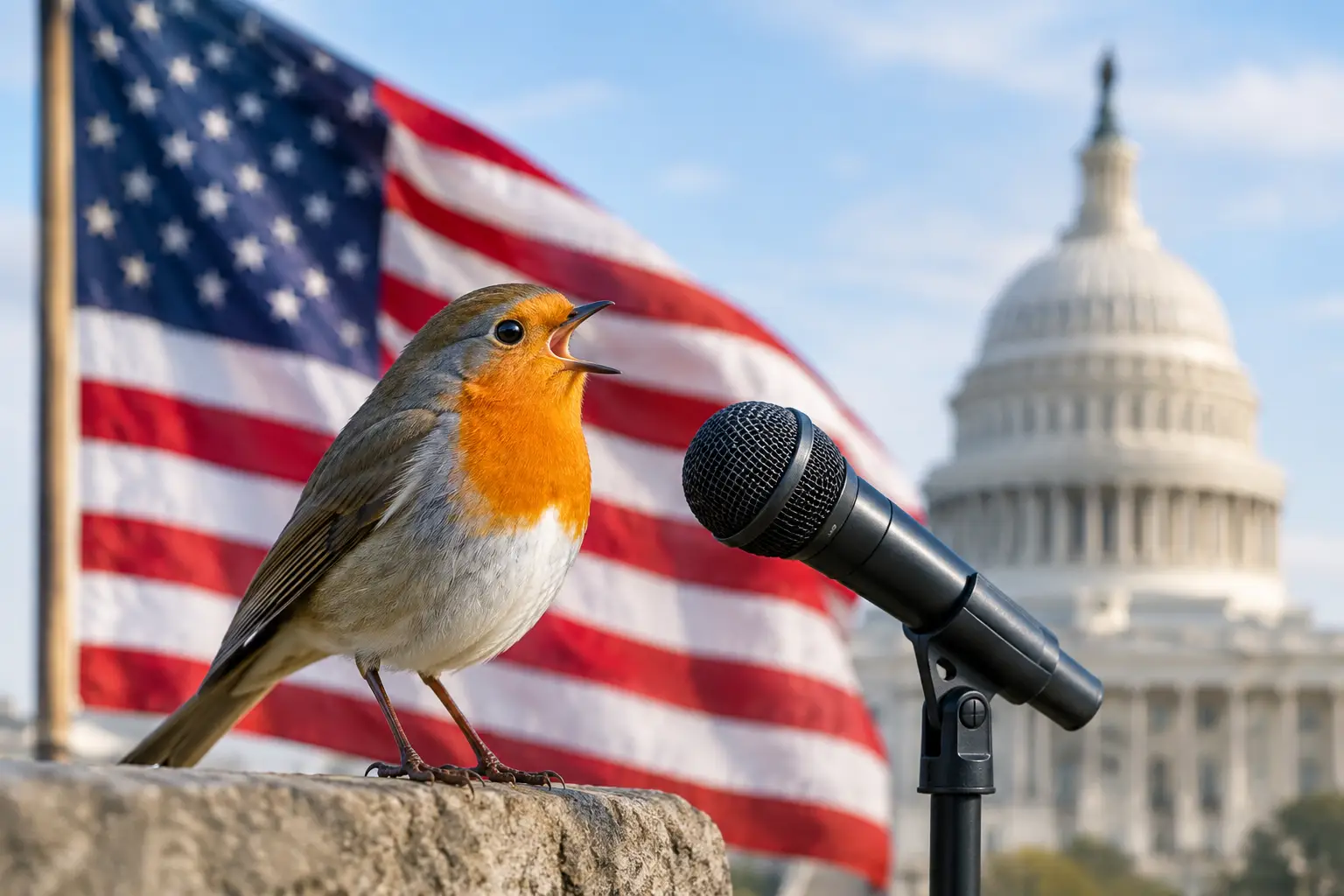
A campus protest, a critical social media post, or an interview with a local news outlet can carry very different stakes for a U.S. citizen and a noncitizen. Immigrant Freedom of Speech Under The Trump Administration has become a major public-interest issue because the legal right to speak and the practical risk of immigration enforcement do not always move together.

The central rule is straightforward: noncitizens in the United States generally have First Amendment protections. That includes lawful permanent residents, visa holders, people seeking asylum, and undocumented immigrants. But immigration law gives the federal government significant authority over admission, visas, detention, and removal. In periods of aggressive enforcement, that authority can create a chilling effect even where speech itself is protected.

Immigrant Freedom of Speech Under The Trump Administration

For readers following fast-moving immigration coverage, the key is to separate constitutional principles from individual immigration facts. A slogan, article, protest sign, or political donation is not automatically grounds for deportation. Yet a person’s status, location, travel plans, and alleged conduct may shape what the government can do next.

What the First Amendment Protects for Immigrants

The First Amendment protects “the freedom of speech,” and U.S. courts have long recognized that many constitutional protections apply to people, not only citizens. Noncitizens physically present in the country can generally express political views, criticize government policy, join peaceful demonstrations, speak to journalists, and associate with advocacy groups.

That protection matters most when the speech is unpopular. Criticism of U.S. foreign policy, immigration enforcement, police conduct, elected officials, or military action is generally protected political expression. Government officials cannot lawfully punish someone simply because they disagree with that person’s viewpoint.

The protection is not absolute. True threats, targeted harassment, fraud, incitement meeting the legal standard, and conduct that violates criminal law are not protected merely because words are involved. Nor does the First Amendment create a right to enter the United States, receive a visa, or avoid ordinary screening at a port of entry.

This distinction is especially relevant for people outside the country. U.S. visa decisions receive broad deference, and courts often have limited room to review consular decisions. A person already living in the United States generally has stronger procedural protections than an applicant seeking entry from abroad.

Why Speech Concerns Rose During Trump’s Second Administration

The Trump administration returned to office promising tougher immigration enforcement and placing renewed attention on noncitizens involved in campus activism and protests connected to the Israel-Gaza war. Administration actions and public statements have emphasized combating antisemitism, reviewing visas, and using immigration authorities against some foreign nationals alleged to support terrorism or threaten U.S. foreign-policy interests.

Those goals involve legitimate and difficult public-safety questions. Antisemitic harassment, credible threats, violence, and material support for designated terrorist groups are serious matters. The legal controversy begins when officials appear to treat protected political expression, association, or editorial advocacy as proof of removable conduct.

High-profile detention and visa-revocation cases involving student activists and lawful permanent residents have brought that concern into sharper focus. In several cases, the government has relied on immigration provisions tied to foreign-policy consequences or alleged security concerns, while lawyers for the individuals have argued that the enforcement action is retaliation for protected speech. The precise facts, evidence, and court rulings differ from case to case, and litigation can change the legal picture quickly.

What has made these cases consequential is not only the outcome for one person. They signal to students, workers, journalists, and families that public speech may bring immigration scrutiny. That perceived risk can discourage people from attending rallies, signing open letters, publishing opinions, or even discussing politics online.

Immigration Status Changes the Practical Risk

A lawful permanent resident, often called a green card holder, has substantial constitutional protections and cannot be removed without immigration proceedings. The government must identify a legal basis for removal, and the person generally has an opportunity to challenge the allegation before an immigration judge. That is meaningful due process, though detention and the cost of legal representation can make the process difficult.

Students and other temporary visa holders face a different set of pressures. Their ability to remain may depend on maintaining enrollment, employment authorization, or the specific terms of a visa. A visa revocation does not always mean immediate removal, but it can complicate travel and can lead to further enforcement action. If a student is accused of violating a status rule in addition to engaging in controversial speech, the case becomes more complicated.

Undocumented immigrants have First Amendment rights as well. However, they may be more exposed to enforcement because immigration authorities do not need speech as a reason to investigate an existing status violation. That reality can make even lawful speech feel unsafe, particularly when people have limited access to counsel or fear family separation.

Asylum seekers also face a unique tension. Their political statements may support an account of persecution in their home country, but inconsistencies in public posts, applications, or interviews can be used to question credibility. Accuracy matters. So does understanding that posts made in anger or sarcasm can be misunderstood when removed from their original context.

Protest, Social Media, and the Border Are Different Settings

Peaceful protest in a public space is generally at the core of First Amendment protection. But participation can become legally riskier if an event involves trespass, property damage, assault, refusal to follow a lawful dispersal order, or conduct that disrupts campus operations in ways covered by applicable rules. The same standard applies to citizens, but the immigration consequences of an arrest can be more severe for noncitizens.

Online speech presents another gray area. A post condemning a government, supporting a political cause, or sharing news is not the same as providing material support to a prohibited organization. Still, social media can be reviewed in visa applications, immigration investigations, and border inspections. Context is often missing in screenshots, reposts, translated language, or old posts.

The border is its own legal environment. Customs and Border Protection has broader inspection authority at ports of entry than police agencies have in the interior. Travelers may face questions about their plans, contacts, and devices. U.S. citizens generally cannot be denied entry, but noncitizens can face admission decisions that are difficult to challenge. A green card holder’s rights are stronger than a visitor’s, yet travel can still trigger scrutiny in certain circumstances.

Due Process Is the Pressure Point

Speech disputes are often described as a simple contest between free expression and national security. The more useful question is whether the government is following fair procedures when it acts.

Due process includes knowing the allegations, having a meaningful chance to respond, presenting evidence, consulting counsel, and receiving review from an impartial decision-maker. It also means that detention should not become punishment for a person’s political viewpoint. Immigration proceedings are civil rather than criminal, but their consequences can be profound: loss of work, separation from family, interrupted education, and removal to a country where a person may face danger.

Government agencies can investigate genuine security concerns. At the same time, broad or vague accusations can leave people unable to tell what conduct is alleged or how to defend themselves. Courts play a critical role when they examine whether immigration power is being used within statutory and constitutional limits.

Practical Steps for Noncitizens Who Speak Publicly

There is no universal rule that a noncitizen should stay silent. Peaceful political participation is a protected part of life in the United States. But people with pending immigration matters, student status, criminal allegations, travel plans, or past immigration issues should understand their personal exposure before taking actions that may draw official attention.

Keep accurate records of immigration documents, court notices, school enrollment, employment authorization, and travel history. Save original copies of public posts and communications when context could matter. Do not sign immigration paperwork or agree to an interview without understanding what is being requested. If detained, a person can ask to speak with an attorney and should avoid making false statements.

Community organizations, campus legal clinics, civil-rights groups, and qualified immigration lawyers can help individuals assess specific facts. News coverage can explain a developing case, but it cannot replace advice tailored to someone’s visa category, criminal history, family situation, and location.

The lasting test for immigrant freedom of speech is not whether every public argument is comfortable. It is whether people can speak, protest, report, and disagree without immigration power becoming a shortcut around constitutional limits. Watching the facts, the legal claims, and the court process closely remains one of the clearest ways the public can hold that line.

Read More ...


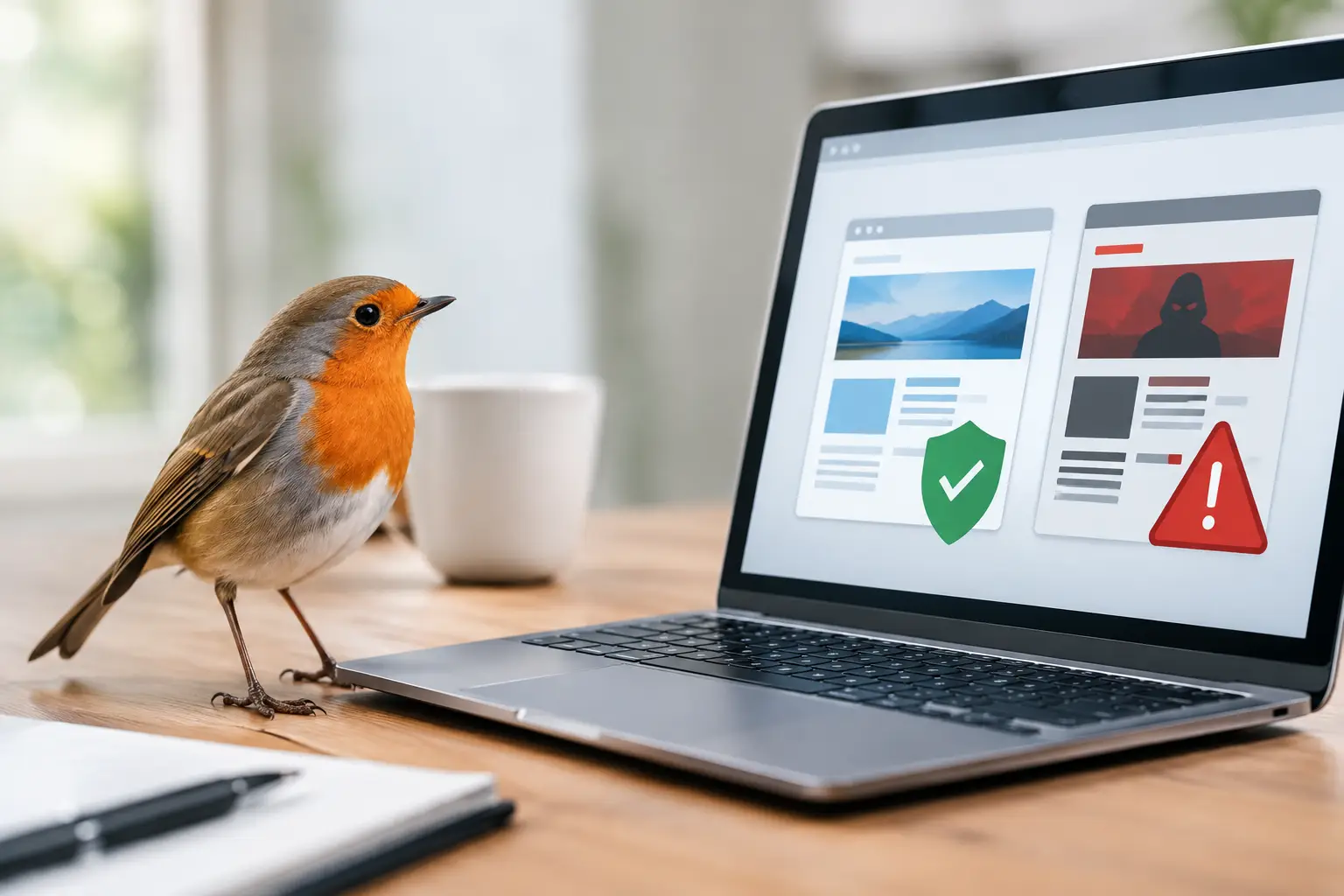
How to Spot Fake Websites Before You Click
Mon, 19 Oct 2026 04:09:31 +0000

A convincing fake website rarely looks like the obvious scam page people imagine. It may use a familiar logo, polished product photos, a copied news layout, and even a web address that appears right at a quick glance. The risk comes in the moment when you enter a password, submit payment details, download a file, or share a breaking story that was never real. Learning how to spot fake websites is less about memorizing one warning sign and more about slowing down long enough to check the signals.

Why fake websites can look so believable

Scammers do not need to build a website from scratch. They can copy the visual design of a bank, retailer, delivery service, government agency, local news outlet, or well-known charity. A fake page may be promoted through a social media ad, a search result, a text alert, an email, or a post that claims to contain urgent news.


How to Spot Fake Websites Before You Click

That is why appearance alone is not proof. Real organizations can have dated websites or occasional spelling errors. Fraudulent sites can look professionally designed. The more a page asks of you - a login, money, personal information, a download, or an immediate decision - the more carefully it deserves to be checked.

How to spot fake websites by checking the address

Start with the address bar, not the logo at the top of the page. A website address is one of the quickest ways to find an impersonation attempt, especially when the message that brought you there creates urgency.

Look for small changes in spelling, extra words, unusual punctuation, or a different ending. A fake site might add terms such as “secure,” “support,” “verify,” or “official” around a recognizable brand name. It may swap a letter for a number, use a hyphen where the real company does not, or place the familiar name before a completely unrelated domain.

The part that matters most is the main domain immediately before endings such as .com, .org, .gov, or .net. For example, a page hosted at `brandname.account-check.example.com` belongs to example.com, not brandname.com. Long addresses can hide that fact.

A padlock symbol or “https” connection is worth having, but it is not a seal of legitimacy. It means the connection between your browser and that site is encrypted. Scam sites can use encryption too. Treat it as a basic security feature, not a reason to trust the business behind the page.

Check the claim somewhere else

Fake websites often depend on a claim that makes people act before checking. It could be a flash sale, a package problem, a tax refund, an emergency alert, a celebrity giveaway, a new investment opportunity, or a dramatic news headline.

Do not use the link in the message to investigate the claim. Open a new browser tab and find the organization through a search you type yourself, a saved bookmark, or its known app. If a retailer says your account has been locked, visit the retailer directly. If a news page reports an extraordinary event, look for confirmation from several established news sources and official agencies.

This matters especially during fast-moving events. Misleading pages may imitate the branding of trusted outlets, attach old images to a current crisis, or publish a headline that has no supporting reporting. Check the publication name, the author, the date, the location, and whether other credible outlets are reporting the same core facts. A genuine story can develop quickly, but it should not require you to hand over personal details to read it.

Read beyond the banner and the price

A legitimate business site usually offers more than a prominent deal and a checkout button. Look for a real contact page, customer service options, return policies, privacy information, and terms that match the company name. Then check whether those details make sense.

Be cautious when a site provides only a web form, a generic email address, or a messaging app contact for an expensive purchase. A street address may also be copied, so search it independently rather than assuming it proves the seller is real. A phone number that never connects, a policy full of vague language, or support pages that refer to another company are useful warning signs.

Product reviews need context as well. Five-star ratings with almost identical wording, no verified purchase details, and no critical comments may be manufactured. On the other hand, a new legitimate store may have few reviews. The better question is whether the business leaves a consistent trail across independent sources, customer feedback, social media, and consumer complaint records.

Watch for pressure, payment traps, and impossible offers

Scam pages are designed to remove your time to think. Countdown clocks, messages saying “only two left,” threats that an account will close, or demands to act within minutes are all common pressure tactics. A real offer can be time-limited, but a trustworthy company should still allow you to review the order, understand the terms, and use normal payment methods.

Be especially careful if a seller asks for payment by cryptocurrency, wire transfer, gift card, payment app transfer to an individual, or an unfamiliar method with no buyer protection. Those requests do not automatically prove fraud, but they sharply raise the risk when combined with a new or suspicious website.

Prices that are far below every other seller deserve scrutiny. A discount is plausible. A brand-new laptop, concert ticket, designer item, or hard-to-find product at an unrealistically low price may be bait for payment details. Compare the offer with established retailers before deciding.

Look for technical and content red flags

Some warning signs are subtle individually but meaningful together. Watch for pages with awkward wording, mixed languages, distorted logos, poor image quality, broken menu links, or a footer that still shows a different brand. A fake login page may send you to an unexpected website after you enter your credentials. A fake store may have a catalog full of unrelated items, copied descriptions, and no clear fulfillment information.

Downloads deserve extra caution. A supposed invoice, shipping update, streaming link, or document viewer should not require you to install an unfamiliar browser extension or software package. If the file is unexpected, stop and verify it through the organization’s official channel.

Search results and sponsored listings also need the same scrutiny as email links. Scammers can buy ads, create pages around popular searches, and exploit typos. Ranking near the top of a search page is not an endorsement.

Use a simple trust check before sharing anything

Before you log in, pay, download, or submit a form, pause for four checks:

  • Does the exact web address belong to the organization you intended to visit?
  • Can you confirm the claim, product, or news report through an independent source?
  • Do the contact details, policies, and company identity hold up when checked outside the site?
  • Is the page using fear, urgency, or an unusually good deal to push an immediate action?

One odd detail may be a mistake. Several mismatches are a reason to leave. Trust is built through consistency, not through a familiar logo or a reassuring pop-up.

What to do if you used a fake website

If you entered a password, change it immediately on the real service, starting with any account where you reused that password. Turn on multi-factor authentication where available. If you submitted card or bank information, contact the financial institution using the number on the card or its official website, explain what happened, and monitor transactions closely.

If you downloaded a file or installed software, run a security scan and remove suspicious extensions or applications. Save screenshots, emails, order confirmations, and the website address before reporting the incident. Those details can help your bank, payment provider, platform, or consumer protection agency investigate.

The safest habit is not suspicion of every website. It is deliberate verification when a page wants something valuable from you. A few seconds spent checking the address, the claim, and the payment request can keep a useful online search from becoming an expensive mistake.

Read More ...


18 Unique Halloween Gift Ideas for Every Age
Sun, 18 Oct 2026 04:09:48 +0000

A plastic pumpkin full of candy is perfectly fine for trick-or-treating. It is less memorable when you are looking for a present. The best unique Halloween gift ideas do more than add orange and black to a shelf: they match the recipient's age, interests, and plans for the season, whether that means a classroom party, a scary-movie night, or a fall birthday.

Halloween gifts do not need to be expensive or elaborate. A small, well-chosen item can feel more personal than a large novelty box, especially when it is useful after October 31. Start with the occasion, then choose a gift that brings a little seasonal fun without creating clutter.


18 Unique Halloween Gift Ideas for Every Age

Unique Halloween Gift Ideas by Recipient

For kids who want something beyond candy

For younger children, creativity and repeat play usually matter more than a large pile of sweets. A Halloween-themed craft kit with foam shapes, washable markers, stickers, and a small sketchbook gives them an activity for a rainy afternoon. It also works well as a party favor that parents will not immediately toss aside.

Glow-in-the-dark pajamas are another reliable choice. They make bedtime feel part of the celebration and can be worn long after the decorations come down. For a child who likes stories, pair Halloween pajamas with an age-appropriate spooky book. Look for playful mysteries, friendly monsters, or folklore collections rather than frightening material for younger readers.

A pumpkin-growing kit offers a gift with a longer timeline. It is a good fit for curious kids and families with outdoor space, though it is worth setting expectations: growing pumpkins takes patience, sunlight, and the right season. If planting is not practical, a small indoor herb kit with Halloween plant markers delivers a similar hands-on feel.

For teens with a defined point of view

Teen Halloween gifts work best when they feel intentional rather than childish. A compact instant-print camera for costume photos can be a hit for a social teen, while a miniature tripod and clip-on light suit someone who makes videos. These options cost more than a candy bundle, so they make the most sense for a close family member or a shared group gift.

For a lower-cost option, build a themed movie-night package. Include microwave popcorn, unusual soda flavors, cozy socks, and a reusable blanket in a dark seasonal color. Let the recipient choose the movie. Horror fans may want a classic slasher, while others may prefer a supernatural comedy or animated favorite.

Temporary hair color, cosmetic-safe face gems, and makeup sponges can also be useful gifts for teens who enjoy costume design. Skip products with unclear ingredients, especially for sensitive skin, and avoid assuming everyone wants to wear makeup. A costume repair kit with safety pins, fabric tape, and a small sewing set is a smart alternative for the practical creator.

For Halloween hosts and party planners

A host has probably already bought cups, napkins, and candy. Give something that supports the party without duplicating the obvious. A set of moody battery-operated candles is useful for centerpieces and safer than open flames around costumes, pets, and crowded tables. Choose warm white or amber lights for a look that can work through the rest of fall.

A custom drink station is another thoughtful direction. Gift a few festive nonalcoholic mixers, labeled glass bottles, and a recipe card for a punch or mocktail. This is more inclusive than automatically bringing alcohol, and it gives hosts a way to serve guests of different ages and preferences. If you know they enjoy cocktails, add a separate adult-only option with clear labeling.

For a friend who hosts every year, consider a durable serving board, a spooky cookie stamp set, or a quality popcorn bowl. These are seasonal enough to feel fun but functional enough to earn cabinet space.

For coworkers, neighbors, and teachers

The most successful workplace Halloween gifts are modest, portable, and easy to share. Individually wrapped treats are still a classic, but they become more thoughtful when accompanied by a small reusable mug, a packet of hot cocoa, or a desk-friendly succulent in a tiny ceramic pumpkin planter.

Teachers may appreciate supplies that can be used in the classroom, such as colorful pens, sticky notes, or a bookshop gift card tucked into a Halloween card. Avoid homemade food unless you know the recipient well and can account for allergies. The same rule applies to office treats: clearly labeled packaged snacks are usually the easiest choice.

Neighbors are good candidates for a simple doorstep bundle. A bag of local-style popcorn, a candle with a subtle fall scent, and a friendly note can feel generous without making the exchange overly formal. Strong fragrances are not for everyone, so unscented candles or edible gifts may be safer when you are unsure.

Gifts for Horror Fans, Collectors, and Homebodies

For the person who starts planning spooky season in August, skip generic decorations and look for items connected to their actual interests. A hardcover book on classic monster movies, practical effects, haunted architecture, or regional ghost stories has more staying power than another plastic skeleton. Vintage-style movie posters and framed art prints can work well too, provided you know their preferred aesthetic and have a sense of their available wall space.

A puzzle featuring a gothic scene, haunted house, or old horror-film artwork is a strong choice for a homebody. It creates an activity for October evenings and does not require permanent display. Board games with mystery or supernatural themes can offer the same benefit for couples and families, though check the recommended age and player count before buying.

Subscription-style gifts require more care. A monthly horror box, specialty candy service, or streaming gift card can be exciting, but recurring charges and unfamiliar product quality make them less automatic than they appear. A one-time gift card lets the recipient choose their own scares, snacks, or collectibles without adding pressure to continue a subscription.

Make a Small Gift Feel Personal

Presentation matters most when the gift is simple. A reusable trick-or-treat tote, a dark fabric pouch, or a decorated gift bag can turn a small item into a complete Halloween moment. Use paper filler sparingly, and avoid wrapping that is difficult to recycle unless the recipient enjoys saving it for crafts.

A short note can do more than extra packaging. Reference a shared movie, a past costume, or an upcoming event: “For your annual monster-movie marathon” gives a popcorn set a clear purpose. For children, include a small challenge card, such as drawing a friendly ghost or inventing a costume for a pet.

If you are creating gifts for several people, choose one flexible theme and vary the contents. A movie-night theme could mean a picture book and snacks for a child, gourmet popcorn for a neighbor, and a horror streaming credit for an adult friend. This keeps shopping manageable while preventing every gift from feeling identical.

A Quick Halloween Gift Check Before You Buy

Before settling on a Halloween present, ask whether it is safe, usable, and suited to the relationship. Small toys may be a choking risk for young children. Food gifts require awareness of allergies and dietary needs. Candles, sharp tools, and adult horror content should be reserved for recipients who can use them responsibly.

Also consider timing. Gifts meant for a costume party should arrive early enough to be used, while cozy items, books, and treats can be enjoyed throughout October. A post-Halloween gift is not necessarily a miss if it feels like a fall surprise rather than leftover clearance stock.

The best Halloween present is not the loudest one on the store shelf. Choose something that gives the recipient a reason to make a memory - a craft at the kitchen table, a movie with friends, a party made easier, or one more excuse to enjoy the season.

Read More ...


Creative Ideas for Designing a Year-Round Yard
Sat, 17 Oct 2026 08:23:34 +0000

Covered wooden patio with cushioned seating, a stone fireplace, barbecue grill, and green landscaped backyard.

Creating an outdoor space that feels inviting in every season takes more than choosing attractive plants. The best creative ideas for designing a year-round yard combine practical landscaping choices with features that keep outdoor areas comfortable when conditions change. Planning for every season creates a yard that stays attractive and functional throughout the year. Thoughtful design choices can help your outdoor space adapt naturally as weather conditions and seasonal needs change.

Read More ...


Related Bing News Results
World News - Latest and Breaking Coverage - Yahoo News
Mon, 19 Jan 2026 11:02:00 GMT
The latest world news and headlines from Yahoo News and international publishers, breaking stories, ongoing events, and coverage ...
News of the World: What you missed this week internationally
Sat, 29 Aug 2026 13:51:00 GMT
This may allow them to walk in their shoes. The Kanazawa fire department has warned residents not to disturb the shoes that paramedics remove when entering their homes. In a viral Instagram video that ...
Everything that happened during the second week of the 2026 World Cup as the knockout bracket started to take shape
Sun, 21 Jun 2026 21:04:00 GMT
The 2026 FIFA World Cup is in progress in the United States, Canada and Mexico, and you can follow the latest tournament news and analysis right here. We will be live every minute of every day for all ...

Blow Us A Whistle


RobinsPost Print On Demand Refund Policy With Printify
Printify

Related Product Search/Búsqueda de productos relacionados

Amazon Logo