Rockin Robin SongFlying The Web For News.
RobinPost Logo Amazon Prime Deals


Global World Topics

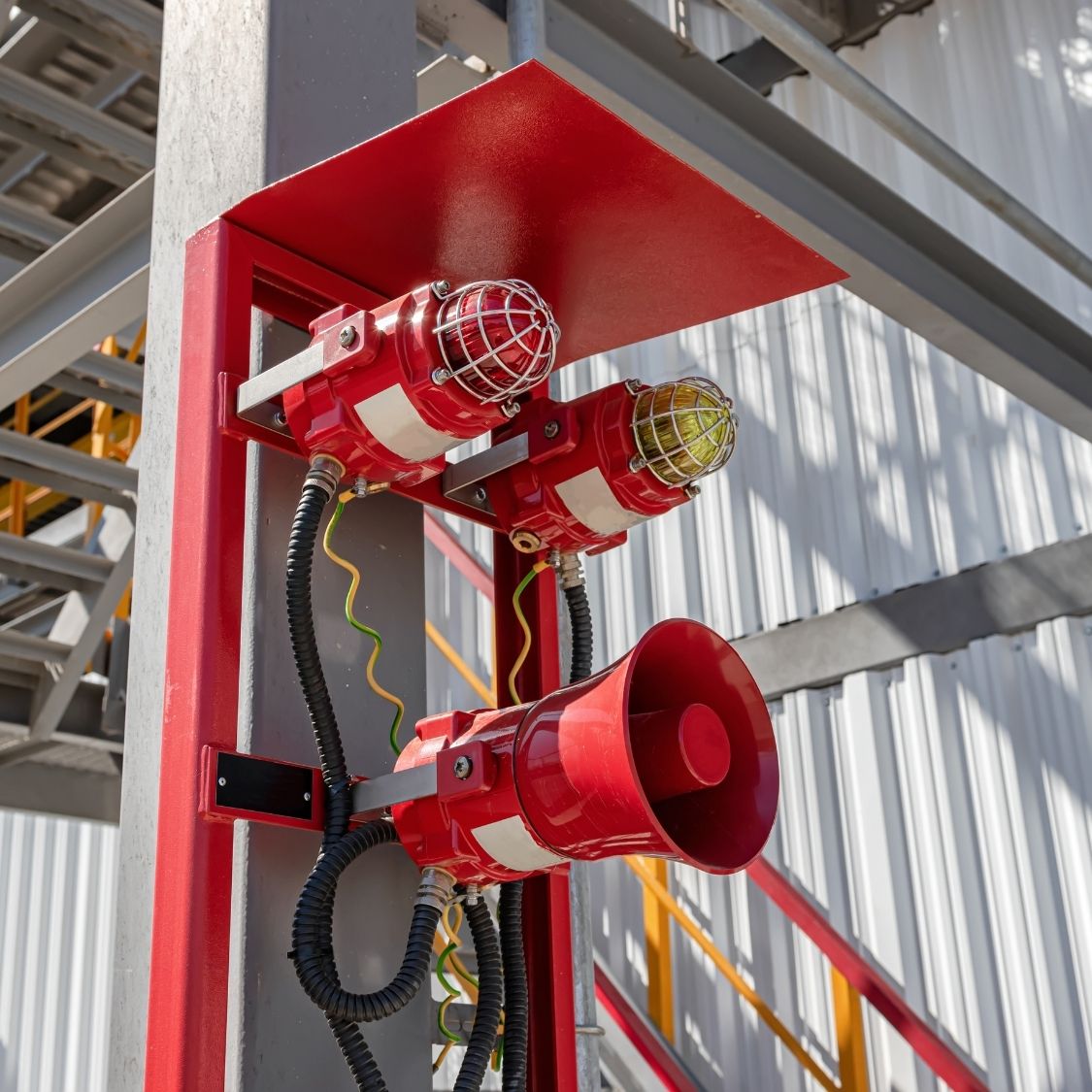
Top 5 Ways To Boost Security in Your Industrial Facility

Adequate and reliable security is paramount to both the success of your business and the workplace environment itself. You and your employees will work more efficiently knowing that your facility is safe from outside threats. With these ways to boost security in your industrial facility, you’ll improve your business tenfold.

Alarm Systems

Do you store sensitive information or valuable items in your warehouse? Keep them under a high-tech lock and key. Keep proprietary data and items in restricted-access areas and arm your doors with alarm systems. This way, only authorized persons can access those sensitive areas with keyless entry. If an outsider tries to bust in, you’ll know right away.

Sturdy Gates

The right gate system will keep the entire industrial campus safe from intruders. Look into more cutting-edge options than the classic slide gate, too. A vertical pivot gate system, or VPG, is strongly secured into concrete and is much more durable than a slide or swing gate. Many of them are also crash-tested to ensure that unauthorized vehicles can’t blow past them.

Video Surveillance

A camera system allows your security professionals to monitor movement in real time. Not only will you recognize when unauthorized people are wandering around your facility, but you’ll be able to see where your employees go. If an employee attempts to tamper with sensitive items or proprietary information, you’ll have their actions on video. That footage can prove useful to law enforcement, should you contact them.

On-Site Security

You can’t be at your facility all the time, but you also want to ensure 24-hour protection. Hire reliable security professionals to monitor every area of your facility. Even the most cutting-edge technology can’t render human eyes obsolete. People and machines should work in tandem with one another.

Open Floor Plans

Your other security measures—video cameras, security guards, access control—will benefit greatly from a floor plan with high visibility. Too many walls and corridors translate to easy hiding places for unauthorized individuals and illegal activity. Organize the floor plan to promote as much visibility as possible, both through your eyes and through security cameras.

Keep your warehouse or other facility safe from breaches of all kinds by restricting access to valuable or sensitive items and promoting visibility. These ways to boost security in your industrial facility will improve your business’s workflow and prioritize safety for everyone.


More News From This Category
12 Healthy Summer Snacks That Travel Well
Tue, 18 Aug 2026 04:11:06 +0000

A cooler packed for a long pool day can turn into a familiar mess: melted chocolate, crushed chips, warm drinks, and children asking for another snack before lunch. Healthy summer snacks do not need to be fussy, expensive, or limited to plain carrot sticks. The best choices bring a mix of protein, fiber, and fluids, while holding up well during a commute, a beach visit, or an afternoon outside.

Summer eating also comes with a practical challenge: heat changes food safety rules. A snack that works perfectly on a kitchen counter may not be a good option after two hours in a hot car. Planning around temperature, travel time, and who will be eating makes it easier to choose food that is satisfying and safe.


12 Healthy Summer Snacks That Travel Well

What Makes a Summer Snack More Satisfying?

A snack does not have to be large to prevent the late-afternoon hunger that can lead to grabbing whatever is closest. Fruit provides water and natural sweetness, but pairing it with protein or fat usually helps it last longer. Think apple slices with peanut butter, berries with yogurt, or whole-grain crackers with cheese.

Fiber is another useful factor. It supports fullness and can help steady energy compared with snacks made mostly of refined starch or added sugar. This does not mean every summer treat must meet a nutrition checklist. An ice cream cone at a family outing can fit into a normal eating pattern. The more useful goal is to make everyday snacks dependable enough that treats stay enjoyable rather than becoming the only convenient option.

Portability matters too. For an air-conditioned office or a short neighborhood walk, shelf-stable options are easy. For a sports tournament, picnic, or long drive, a small insulated bag with ice packs opens up better choices, including yogurt, cheese, eggs, and cut produce.

Healthy Summer Snacks for Days on the Go

1. Watermelon with a salty, protein-rich side

Cold watermelon is a summer staple because it is refreshing and high in water. On its own, though, it may not carry someone through a busy afternoon. Pair a container of watermelon cubes with a cheese stick, a handful of roasted edamame, or a small portion of nuts. The combination offers sweetness, crunch, and more staying power without feeling heavy in hot weather.

2. Greek yogurt and frozen berries

Plain or lightly sweetened Greek yogurt provides protein, while berries add flavor and fiber. Pack the yogurt in a chilled container and bring frozen blueberries, raspberries, or cherries separately. By snack time, the fruit will have softened enough to eat and can help keep the yogurt cold. For children, check for added sugar in flavored yogurts rather than assuming every fruit variety is the same.

3. Hummus with crisp vegetables and pita

Hummus is a practical base for a snack box because it pairs with more than one texture. Add sliced cucumbers, bell peppers, snap peas, and a few whole-grain pita wedges. The vegetables add hydration and crunch, while chickpeas contribute fiber and plant-based protein. Keep hummus cold, especially when packing it for the park or beach.

4. Peanut butter banana roll-ups

Spread peanut butter, sunflower seed butter, or another preferred spread over a whole-wheat tortilla. Add a banana, roll it tightly, and cut it into pieces. This is an easy choice for a road trip or a day when lunch will be later than usual. If nut allergies are a concern at camp, school programs, or shared events, seed butter is often the more practical choice.

5. Hard-boiled eggs with grapes

Hard-boiled eggs are compact, filling, and easy to prepare ahead. Grapes offer a cool, sweet contrast, and both fit neatly into a reusable container. Slice grapes lengthwise for young children to reduce choking risk. Eggs should stay in a cooler with ice packs and should not sit outdoors for extended periods.

6. Cottage cheese with peaches or tomatoes

Cottage cheese works well with ripe summer produce. Try it with sliced peaches and cinnamon for a sweet option, or cherry tomatoes, black pepper, and herbs for a savory one. It is not the best snack for carrying without refrigeration, but it is a strong choice for home, the office fridge, or a short outing with a cooler.

7. DIY trail mix without the candy overload

Store-bought trail mix can be convenient, but many varieties contain more candy-coated chocolate and sweetened fruit than nuts or seeds. Make a version with almonds, pistachios, pumpkin seeds, unsweetened coconut flakes, and a modest amount of dried fruit. It travels well and does not require refrigeration. Portion it into small containers, since nuts and dried fruit are nutritious but easy to overeat by the handful.

8. Chilled pasta salad cups

A small pasta salad can be a snack, not just a side dish. Use whole-grain or legume-based pasta with diced cucumber, tomatoes, beans, olive oil, and a little cheese. The beans help make it more substantial than a bowl of plain noodles. This option is especially useful for active teens, hikers, and anyone who needs more than a light bite between meals.

9. Popcorn with fruit

Air-popped or lightly salted popcorn provides a whole-grain crunch that is easy to carry. Pair it with an orange, a peach, or a small apple for a simple snack with fiber and volume. Avoid bringing popcorn for very young children, as it can be a choking hazard. For adults and older children, it is a useful alternative when the usual snack is a bag of chips.

10. Frozen yogurt bark

Spread Greek yogurt on a lined tray, top with berries, chopped fruit, and seeds, then freeze and break into pieces. It feels like a dessert but can offer more protein and less added sugar than many frozen novelties. It melts quickly, so it is best for eating at home or serving directly from a cooler on a very hot day.

11. Avocado crackers with lime

Mash avocado with lime juice and a pinch of salt, then spread it over whole-grain crackers just before eating. The lime helps with flavor, but it will not keep avocado bright indefinitely. For travel, bring the avocado mixture in a tightly sealed container and assemble the crackers at the destination to avoid sogginess.

12. Smoothie freezer packs

For hectic mornings, prepare freezer bags with fruit, spinach, and a spoonful of oats or chia seeds. Blend with milk, soy milk, or yogurt when ready. A smoothie can be a smart summer snack after exercise or while running errands, but it is more satisfying when it contains protein rather than fruit juice alone.

Pack Healthy Summer Snacks With the Weather in Mind

Hot weather is where good intentions often fall apart. Pack cold foods in an insulated lunch bag with at least two frozen gel packs, especially if they will be outside for more than a short period. Keep the cooler out of direct sun and open it only when needed. A full cooler stays colder longer than one with a lot of empty space, so add a frozen water bottle if necessary.

For longer trips, divide foods into two groups. Keep shelf-stable choices, such as fruit, popcorn, nut butter packets, and roasted chickpeas, in a tote or backpack. Reserve the cooler for foods that need it, including dairy, eggs, cut melon, cooked pasta, and dips. This simple separation prevents frequent cooler opening and makes it easier to find snacks quickly.

Water deserves a place in the plan. Thirst can feel like hunger, particularly after swimming, walking, or playing outside. Bring refillable bottles and consider adding lemon, cucumber, or frozen fruit for flavor. Sports drinks may be useful during prolonged, intense activity in high heat, but for most casual summer outings, water and a regular snack are enough.

A Few Smart Trade-Offs

The healthiest option is not always the most realistic one. Fresh produce is excellent, but washing, cutting, and chilling it takes time. A low-sugar granola bar or a packet of roasted chickpeas may be a better choice than skipping food altogether when travel runs late. Convenience foods can support a balanced routine when you read labels and choose options with recognizable ingredients, some protein or fiber, and moderate added sugar.

Dietary needs also change the equation. Dairy-free families may favor bean dips, soy yogurt, or seed butter. People managing diabetes may find that pairing fruit with protein helps reduce sharp swings in hunger. Anyone with a medical condition, food allergy, or a prescribed eating plan should use advice tailored to their needs rather than relying on general snack ideas.

A good summer snack should make the day easier, not create another task to manage. Keep a few shelf-stable options ready, use the cooler when the outing calls for it, and let ripe seasonal fruit do some of the work. When the temperature rises, a little planning can keep everyone fueled, hydrated, and ready to enjoy the day.

Read More ...


What Vehicles Can Be Wheelchair Accessible?
Mon, 17 Aug 2026 08:34:41 +0000

A woman stands behind a full-size van with the back doors open and a wheelchair lift deployed. A girl in a wheelchair is on the lift.

Your vehicle should open up your day, not make every trip feel like a complicated production. Once you start comparing vehicles that can be wheelchair accessible, you may be surprised by how many choices go beyond the standard mobility van. The right setup should work with your chair, your driving preferences, and the way you spend your time. You are choosing a vehicle that should feel like yours from the moment you get behind the wheel.

Read More ...


Outdoor Fire Pit Safety Tips for Every Backyard
Mon, 17 Aug 2026 04:11:24 +0000

A backyard fire can turn an ordinary evening into the center of the gathering - until a gust carries sparks toward dry leaves, a child gets too close, or the fire is left smoldering after everyone goes inside. These outdoor fire pit safety tips focus on the choices that prevent those moments, from where the pit sits to how the last ash is handled.

Fire pits are popular because they are simple, social, and versatile. They also create an open flame close to homes, landscaping, furniture, pets, and people. A little preparation makes the difference between a relaxed night outside and a call to emergency services.


Outdoor Fire Pit Safety Tips for Every Backyard

Outdoor Fire Pit Safety Tips Start With Placement

The safest fire pit is one placed for the conditions of the property, not simply where it looks best. Choose a level, stable surface that will not catch fire, such as bare soil, gravel, concrete, pavers, or a purpose-built fire pit pad. Avoid placing a wood-burning pit directly on a wooden deck, a covered patio, grass, or artificial turf unless the manufacturer specifically states the product is designed for that use and the required heat barrier is in place.

Keep the pit well away from the house, garage, shed, fence, trees, low branches, vehicles, and outdoor furniture. The exact clearance depends on the fire pit design and local rules, so check the owner’s manual and local fire code rather than relying on a single distance found online. Built-in pits, portable wood-burning bowls, propane fire tables, and chimineas all have different requirements.

Overhead clearance matters as much as the open space around the fire. A flame under a pergola, umbrella, awning, screened porch, or roof overhang can send heat and smoke where they do not belong. Even structures advertised as outdoor living spaces may not be suitable for an open-flame fire pit.

Check Local Rules Before Lighting Up

City, county, and homeowners association restrictions can control whether and when recreational fires are allowed. Some areas prohibit open burning during drought conditions or high-fire-risk periods. Others require a specific type of contained pit, a screen, permits, or minimum setbacks from structures and property lines.

Before hosting guests, check whether a burn ban or air-quality alert is active. A fire pit may feel small compared with a campfire, but it can still spread embers or add harmful smoke to the neighborhood. If conditions are dry, windy, or restricted, skip the fire for the night.

Use the Right Fuel and Keep the Fire Small

For a wood-burning pit, use dry, seasoned firewood. It burns more predictably and produces less smoke than wet or green wood. Split logs that fit comfortably inside the fire bowl are safer than oversized pieces balanced across its edge.

Never burn trash, cardboard packaging, painted or pressure-treated wood, plywood, pallets, plastics, or household waste. These materials can release toxic fumes, melt, pop, or send burning fragments into the air. Avoid using gasoline, lighter fluid, alcohol, or other flammable liquids to start or revive a fire. A commercial fire starter or dry kindling is a much safer choice.

Keep flames modest. A fire pit is not a bonfire, and piling on wood can quickly turn a manageable flame into a shower of sparks. Add one or two pieces of wood at a time as needed. If a log rolls, pops, or extends beyond the rim, use a long metal poker to reposition it rather than reaching in or kicking it.

Propane and natural-gas fire pits remove the issue of flying wood embers, but they still require careful operation. Inspect hoses, connections, the ignition system, and the burner area before use. If you smell gas, hear a hissing sound, or see damaged components, turn off the fuel supply and do not light the unit. Gas fire features should be installed and serviced according to the manufacturer’s instructions, with professional help where required.

Control Sparks, Smoke, and Changing Weather

A spark screen is one of the most useful accessories for a wood-burning fire pit. It does not make a fire risk-free, but it helps contain embers when the wood crackles or a breeze picks up. Keep the screen in place whenever the fire is burning, removing it carefully only to add wood.

Wind is the condition most likely to change a safe setup into an unsafe one. Check the forecast, but also pay attention to what is happening at the fire pit. If smoke is blowing directly toward guests, the flame is bending sharply, or embers are lifting from the bowl, put the fire out. Do not move a burning fire pit to solve the problem.

Smoke deserves consideration beyond immediate comfort. People with asthma, chronic lung disease, heart conditions, or smoke sensitivity may have a harder time around wood fires. Give guests room to sit farther back, keep smoke away from open windows, and consider a propane fire feature if frequent smoke is likely to be a problem.

Create a Clear Safety Zone for Guests, Kids, and Pets

The best backyard setup makes the safe choice easy. Arrange chairs far enough from the heat that people can sit comfortably without leaning away from the flames. Keep blankets, cushions, paper plates, decorations, and games out of the area around the pit. Avoid loose, flowing clothing when tending the fire.

Children should be told clearly that the fire pit is not a play area. Set a visible boundary using chairs or a clear open ring around the pit, and make sure an adult is actively watching whenever children are nearby. The metal bowl, stones, and glass around a fire feature can remain dangerously hot long after flames disappear.

Pets need the same separation. Dogs can be startled by popping wood, singe their fur, or knock into a low fire bowl while chasing a toy. Keep leashes, pet beds, and water bowls away from the heat. If the setting becomes crowded, designate one adult to monitor the fire rather than assuming someone else is doing it.

Have these essentials ready before the first match is struck:

  • A charged garden hose that reaches the fire pit, or a bucket of water.
  • A shovel for spreading out logs and covering embers with dirt or sand if needed.
  • A fire extinguisher rated for outdoor household use, kept where adults can reach it quickly.
  • Heat-resistant gloves and a metal poker for tending wood safely.
  • A phone nearby in case a fire spreads or someone is burned.

Water is generally the most reliable way to extinguish a wood fire, but follow the manufacturer’s instructions for your specific unit. Pouring cold water into certain hot metal or stone features can cause cracking or damage. For gas fire pits, shut off the burner and fuel supply first, then allow components to cool.

Never Leave the Fire Pit Unattended

Most preventable fire pit incidents have a familiar starting point: someone steps indoors for a minute, walks around the side of the house, or assumes the group is still watching the flames. A fire pit needs active supervision from ignition until it is completely extinguished.

Do not leave a fire burning while guests are eating indoors, loading a car, or heading home. If the person responsible for the fire needs to leave the area, extinguish it first. Alcohol can also affect judgment around open flames, so assign fire-tending duties to a sober adult.

Be especially cautious late in the evening, when a fire may seem low but still contains enough heat to ignite dry debris. Darkness also makes it harder to see embers that have escaped beyond the fire pit.

Put It Out Completely, Then Check Again

A fire is not out because the visible flames are gone. Coals can stay hot for hours and may reignite when wind reaches them. Start the shutdown process early, rather than waiting until everyone is tired and ready to go inside.

For a wood fire, stop adding logs and let the wood burn down. Spread the remaining embers with a shovel or poker, then slowly add water while watching for steam. Stir the ashes and add more water until the material is cool to the touch. Do not rush close to hot ash to test it - use the back of a gloved hand near the surface, or wait longer if there is any doubt.

Ashes should remain in the pit until they are fully cold. When it is time to remove them, place them in a metal container with a tight-fitting lid, not a plastic bin, paper bag, or cardboard box. Store that container on a noncombustible surface away from the home. Ashes that look harmless can retain heat long after the previous night’s fire.

A backyard fire should leave behind warm conversation, not a lingering concern about what may still be burning outside. Make the final walk-around part of the routine: check the pit, scan the nearby ground for embers, secure fuel sources, and make sure the area is truly cool before closing the door.

Read More ...


Important Safety Tips for Lithium-Ion Batteries
Sun, 16 Aug 2026 08:32:02 +0000

Black lithium-ion battery with printed safety warnings and gold connector terminals resting on a white background.

Lithium-ion batteries power many everyday devices, making proper care more important than ever. Understanding important safety tips for lithium-ion batteries helps reduce hazards, protect valuable equipment, and encourage safe charging and storage habits that support reliable battery performance.

Read More ...


Retiring on a Cruise Ship Is It Affordable?
Sun, 16 Aug 2026 07:10:18 +0000

A balcony cabin facing a new harbor every few days can sound more appealing than mowing a lawn, replacing a roof, or driving to the same grocery store each week. But retiring on a cruise ship is not simply a vacation extended forever. It is a housing decision, a health care decision, and a financial commitment with variables that can change faster than an itinerary.

For some retirees, life at sea can be a realistic alternative to maintaining a home. For others, the low advertised fare hides costs that make the idea less practical than it first appears. The key is to compare the full, year-round cost of shipboard living with the life you would otherwise lead on land.


Retiring on a Cruise Ship Is It Affordable?

Retiring on a Cruise Ship: What You Are Really Buying

A cruise fare buys more than a room. Depending on the line and package, it can include accommodation, meals, entertainment, housekeeping, transportation between ports, and access to a built-in social environment. That bundled convenience is the strongest argument for living aboard a ship.

A retiree who spends $3,000 a month on rent or mortgage payments, utilities, groceries, car expenses, home maintenance, and entertainment may find a cruise fare less shocking than someone who owns a modest home outright. The comparison is especially compelling for people who already budget heavily for travel and dining out.

Still, a cruise cabin is not a conventional apartment. Standard cabins are compact, storage is limited, and private outdoor space costs more. Internet access may be inconsistent or expensive, laundry policies differ by ship, and ship schedules decide where you wake up. A long voyage may feel liberating at first, then restrictive if you want time with grandchildren, a familiar doctor, or a quiet week without organized activity nearby.

There are two main approaches. Some travelers book consecutive conventional cruises, moving from one itinerary to another as availability allows. Others consider residential cruise ships, where buyers purchase or lease a unit for extended use. The first option offers more flexibility but requires constant planning. The second may provide more stability, but often involves a substantial upfront investment, monthly fees, and resale uncertainty.

The Cost Is More Than the Advertised Daily Rate

Cruise pricing can look remarkably low when divided by the number of nights. A sale fare may appear cheaper than a hotel, an apartment, or assisted living. The problem is that the headline rate rarely represents the complete annual budget.

Taxes, port fees, gratuities, drinks, specialty dining, shore excursions, travel insurance, airfare, hotel stays between sailings, and mobile phone service can add meaningful expense. So can single occupancy pricing. Many cruise fares are built around double occupancy, which means a solo retiree may pay close to the rate for two people while using one berth.

A realistic calculation should also account for the days when you are not on the ship. Back-to-back bookings do not always line up neatly. Ships may change routes, enter dry dock, sell out, or cancel sailings because of weather, mechanical issues, or geopolitical events. You may need a hotel, ground transportation, luggage storage, and a flight to the next embarkation port.

For a rough planning exercise, price the cabin you would genuinely be willing to occupy for a full year, not the lowest interior cabin on a short promotional sailing. Add the expected daily gratuities, a food and beverage allowance, medical and travel coverage, flights, several hotel nights, communications, personal spending, and a contingency reserve. Then compare that annual total with your current housing and living expenses.

The answer often depends on lifestyle. A retiree who is content with an interior cabin, drinks little alcohol, skips costly excursions, and travels with a partner may keep costs comparatively controlled. A solo traveler who wants a balcony, premium internet, frequent flights home, and private tours can spend far more than anticipated.

Do not assume prices will stay low

Cruise lines adjust fares according to demand, fuel costs, season, cabin inventory, and destination. Booking one inexpensive sailing does not prove that a year of similar travel will be affordable. Popular routes, holiday periods, and longer voyages can command significantly higher rates.

There is also no landlord-style certainty in many cruise arrangements. A line can alter loyalty benefits, service charges, packages, deployment plans, and booking rules. Retirees who rely on a fixed income should avoid building a plan around the assumption that today’s deal will exist next year.

Health Care Is the Biggest Practical Question

Shipboard medical centers are designed for urgent care and common onboard illnesses, not ongoing management of complex conditions. They can treat many problems, but they are not a substitute for a primary care practice, specialist network, rehabilitation center, or hospital close to home.

For Americans, Medicare generally does not cover routine care outside the United States, and coverage on a ship is limited by where the vessel is located. Supplemental coverage may help in certain circumstances, but policies vary. Before committing to long-term cruising, review how your insurance handles overseas treatment, medical evacuation, prescription drugs, pre-existing conditions, and emergency transport.

Prescription management deserves equally close attention. Carrying a large supply may be difficult because of refill limits, medication storage requirements, and customs rules in different countries. A medication that is common in the United States may be unavailable, restricted, or sold under a different name abroad. Anyone with regular infusion needs, dialysis, oxygen requirements, serious mobility limitations, or closely monitored chronic illness should speak with their medical team before treating a ship as a permanent address.

Age also changes the equation. A traveler may be healthy enough for a six-month cruise at 68 and need more accessible care at 75. A sound retirement plan includes a land-based fallback option, not just a dream itinerary.

Taxes, Mail, and the Missing Home Address

Life afloat does not eliminate the need for a legal residence. You will still need an address for banking, voting, taxes, insurance, driver’s license matters, medical records, and government correspondence. Many long-term travelers maintain a residence with family, keep a small apartment, or establish domicile in a state that accommodates full-time travelers.

Tax obligations do not disappear because a ship visits international ports. Federal tax rules still apply to U.S. citizens, and state tax responsibilities can depend on domicile, income sources, time spent in a state, and other facts. The issue becomes more complicated for retirees with rental property, business income, trusts, or residency ties in multiple states.

Mail, document security, and digital access need planning too. Use strong account security, keep paper copies of critical documents in a secure location, and make sure a trusted person ashore can help in an emergency. Cruise Wi-Fi has improved, but it is not guaranteed to support every banking, telehealth, work, or video-call need at every point on the route.

The Social Upside Is Real, but So Is Cabin Fatigue

Cruise ships are unusually social places. Meals, lectures, shows, classes, and port days make it easy to meet people without forcing the interaction. For retirees who feel isolated after leaving work or losing a spouse, that daily contact can be a genuine benefit.

The trade-off is that many fellow passengers leave after a week or two. Crew members can be warm and familiar, but they are working under demanding schedules. Friendships can form, especially among frequent cruisers, yet the community is more temporary than the one built through years in a neighborhood.

Cabin fatigue is another reality. Even well-designed ships have crowds, announcements, elevators, limited privacy, and changing noise levels. Sea days can be relaxing, but rough weather can make a small room feel smaller. Try several longer sailings in different seasons before giving up a land home or selling major possessions.

Start with a trial retirement, not a permanent leap

A practical test is to take a 30- to 60-day cruise or a series of back-to-back sailings while keeping your normal home base. Track every expense, including tips, transfers, medical needs, Wi-Fi, and purchases in port. Pay attention to sleep, mobility, boredom, internet reliability, and how often you miss your usual routines.

This trial can reveal whether you love the rhythm of ship life or merely enjoy being a passenger for a few weeks. It also provides real numbers for your budget instead of relying on promotional prices and social media anecdotes.

Retiring at sea can be a memorable way to spend part of retirement, especially for travelers who value movement, service, and a ready-made social calendar. The strongest plan is rarely to make the ship your only answer. Keep enough financial flexibility, health care access, and a dependable place on land so that the next port remains a choice, not a necessity.

Read More ...


Related Bing News Results
World News Live Updates: Trump threatens to bomb Oman ‘if it gets in way’ of US-Iran deal
Mon, 17 Aug 2026 09:45:00 GMT
The development comes as Iran said on Monday that it is working to finalise a joint statement with Oman on a plan to manage the transit of vessels through the Strait of Hormuz.

Everything that happened during the second week of the 2026 World Cup as the knockout bracket started to take shape
Sun, 21 Jun 2026 21:04:00 GMT
The 2026 FIFA World Cup is in progress in the United States, Canada and Mexico, and you can follow the latest tournament news and analysis right here. We will be live every minute of every day for all ...

2026 World Cup news live updates: Injuries, storylines as the tournament kicks off
Thu, 11 Jun 2026 09:15:00 GMT
Donald Trump’s message to World Cup final referee has now been revealed The 2026 World Cup was hosted across North America, with US President Donald Trump in attendance for the final. Euro 2024 ...

World Cup 2026 news live updates from May 18-22 including squads announcements, injuries and tickets
Mon, 18 May 2026 07:00:00 GMT
There is less than a month before the 2026 World Cup being hosted across North America gets underway. The news agenda remains dominated by spiralling costs facing fans hoping to attend matches in host ...

World News
Tue, 21 Sep 2010 10:46:00 GMT
Aug. 18 (UPI) -- A helicopter crash that killed a recently married couple from Britain and a pilot on a Greek island may have been caused by a mechanical fault. BEIRUT, Lebanon, Aug. 18 (UPI) -- ...


Blow Us A Whistle


RobinsPost Print On Demand Refund Policy With Printify
Printify

Related Product Search/Búsqueda de productos relacionados

Amazon Logo