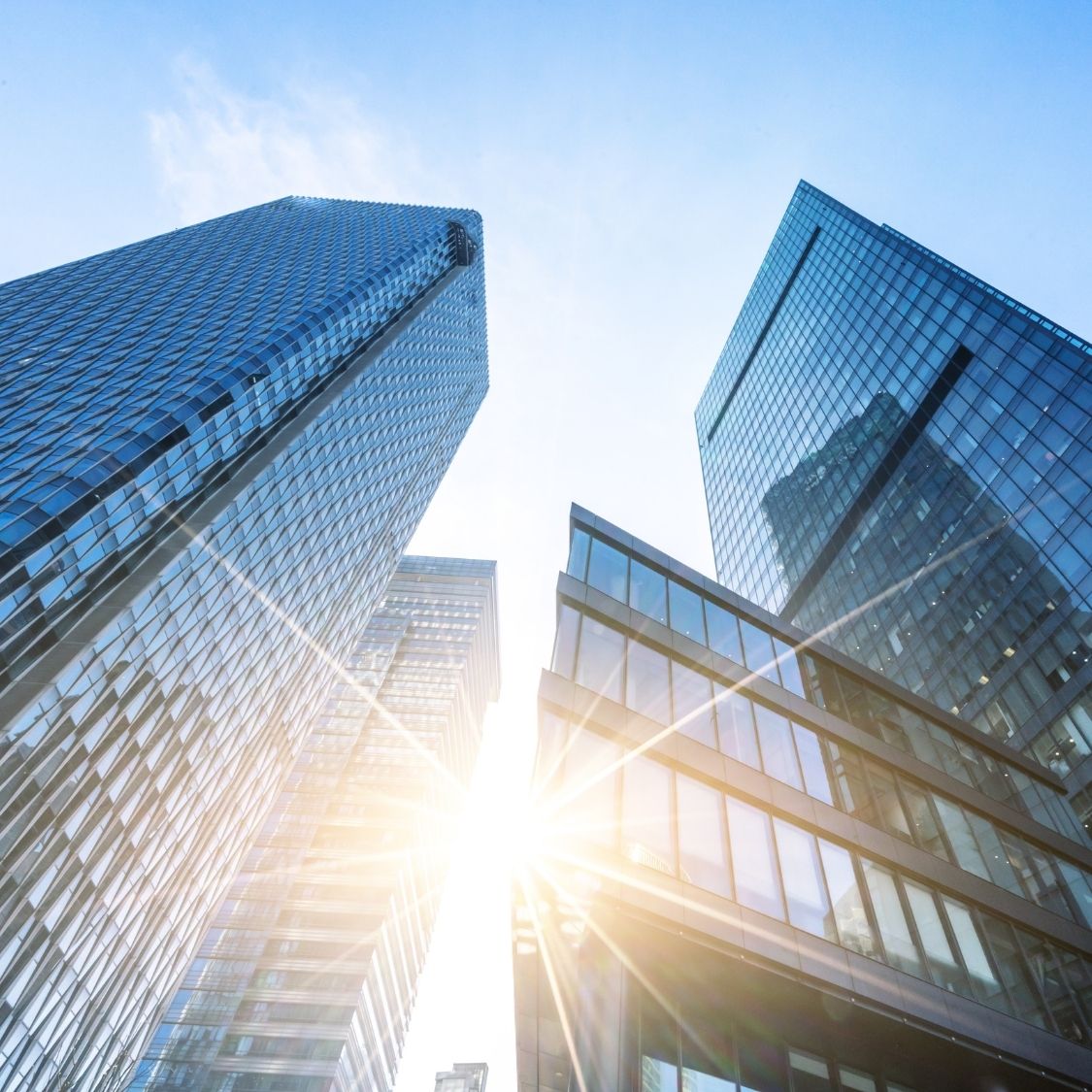
Skyscrapers are incredible monuments to human engineering achievement, but today's world does not appreciate them enough. Many take these buildings for granted as an essential part of their cities, but their design is still incredible. Here’s what all goes into constructing a skyscraper.
Site Selection
The first and most essential part of skyscraper construction is choosing the right place to build it. Skyscrapers are enormous projects, so building planners put specific requirements in place to guarantee that the skyscraper fits and doesn’t interfere with other buildings in the area. Part of site selection is examining the soil at the foundation and ensuring that the building does not contribute to pollution in the surrounding area. Other aspects to note include weather conditions, local government policies, and seismic activity.
Planning and Design
After finding the right location, the next phase is planning and engineering. Architects work with civil engineers and designers to put together a plan for the skyscraper that considers all factors. The building has to look nice, be sturdy, and be efficient. An ugly skyscraper with no effective purpose is a failure. These designers and architects also work together to ensure the building will have proper heating, ventilation, air-conditioning, and electricity.
Materials
Once all the designs and blueprints are created, the next step is to gather materials. Skyscrapers require a lot of materials—including concrete, glass, and metal—because they are so massive. To support that weight and ensure they do not fall, skyscrapers are full of metal beams. Metal fabricators use beam drilling and coping machines to construct these beams. Even the slightest imperfection can be detrimental to the building’s structural integrity. Planning a building is an exact science, and acquiring suitable materials can be even more challenging.
Construction
Once the team plans everything and gathers all the materials, the final and most crucial step begins—construction. Each part of the meticulous process guarantees the skyscraper follows the proper regulations, and will stand the test of time. Skyscrapers require many workers moving together simultaneously, each doing a different part of the construction: laying the foundation, installing and welding beams, monitoring weather conditions, and even redirecting traffic. It is a complicated process that they need to do very carefully, and the result is a magnificent building that will stand for years to come.
A skyscraper has many behind-the-scenes factors that go into its construction, and if any person in the process doesn’t give their full attention, the building would not exist. It’s a careful process, but it is still a team effort, and everyone’s work is extremely valuable to bringing that building into existence.
A sold-out tour, playoff game, or comedy show can turn a casual ticket search into a rushed decision. That urgency is exactly what scammers count on. This guide to online ticket safety explains how to buy with more confidence, recognize warning signs before money changes hands, and know what to do if a transfer does not arrive. Online ticketing is not inherently risky. Major venues, artists, teams...
Veterans Day parade ceremonies often begin before the marching bands reach the main street. A flag is raised outside a courthouse, names are read at a memorial, or a veteran takes the microphone to describe a moment of service that changed a life. These local observances turn a federal holiday into a public act of gratitude, giving residents a direct way to recognize the people who served in the a...
Choosing the right surface material can improve your home's appearance and functionality. Understanding why engineered stone is a great material choice helps homeowners select countertops that combine durability with attractive design. Made from natural stone particles and binding materials, engineered stone offers consistent quality and easy maintenance. Its versatility makes it an appealing opt...
A departure board can change from “on time” to “delayed” in minutes, sometimes while the sky above the airport looks perfectly clear. If you are asking why flights delayed, the answer is usually not one dramatic failure. Air travel runs on tightly connected schedules, aircraft rotations, crews, airport gates, weather systems, and air traffic control decisions. A problem in one part of that network...
Cold weather adds another home maintenance concern just when you’d rather stay inside and leave repairs for later. Your plumbing isn’t immune to the temperature change, even when most of it sits indoors. ...