Rockin Robin SongFlying The Web For News.
RobinPost Logo Amazon Prime Deals


Global World Topics

What Are the Various Uses of Generators?

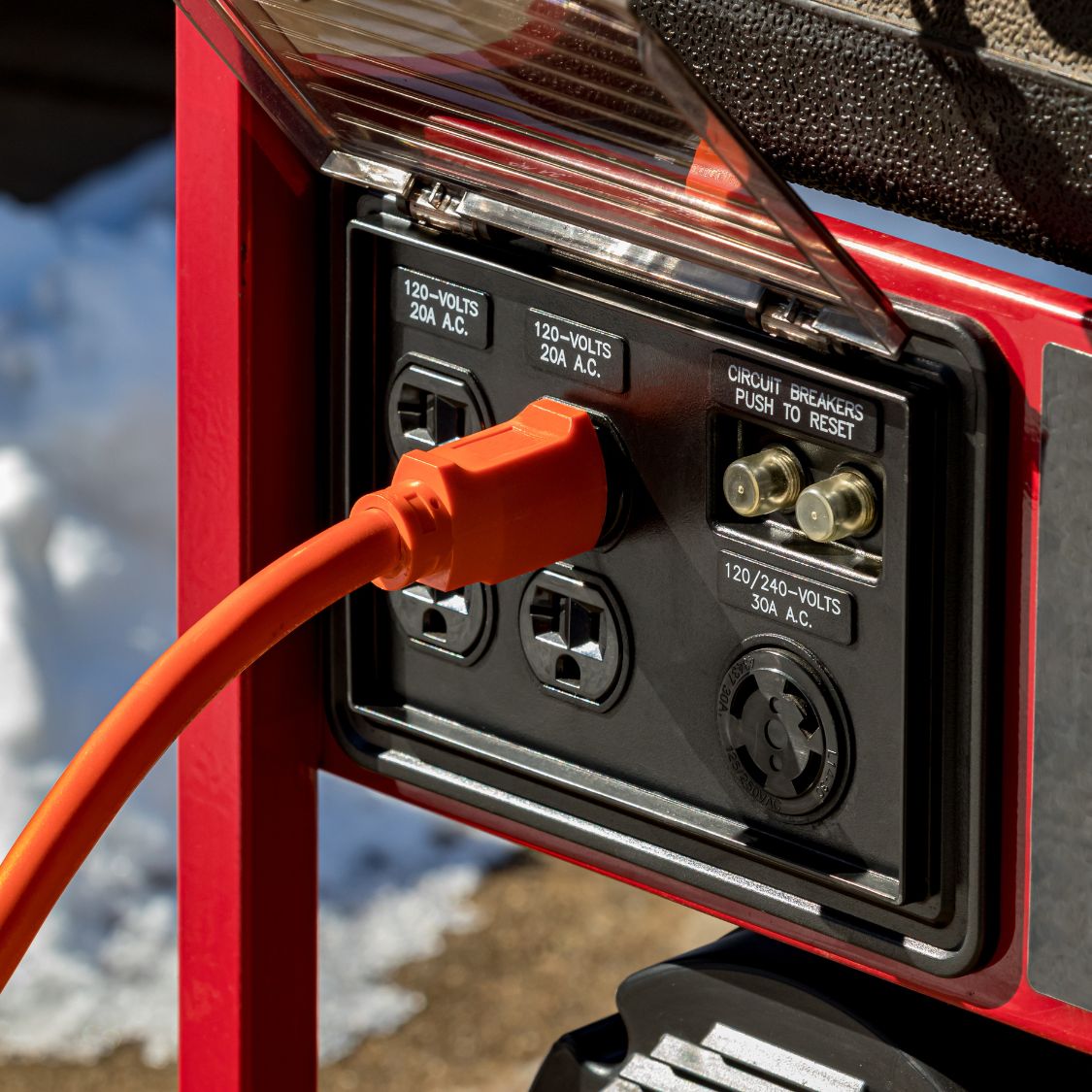
Generators are responsible for supplying electrical power when a regular power source is unavailable. But what are the various uses of generators? What industries can they serve? Continue reading below to learn more!

Emergencies

You can expect to locate a generator supplying backup power when there's an emergency. Generators often go hand-in-hand with emergency preparedness planning, given their ability to operate facilities during natural disasters.

These units are precious during hurricanes and floods that could severely impact power grids.

Mining

Mine sites often rely on generators to supply power in otherwise primitive environments. Backup power units are responsible for about 70 percent of the electricity needed to conduct mining operations.

This energy powers drills, excavators, and shovels while providing light to tunnels when minors work underground.

Backup Power for Businesses

Noticing the lack of a backup power supply on a commercial property is a rarity. The stakes are higher for businesses, meaning they have much more to lose than your average homeowner.

Companies need backup power sources to help continue operations, as a few hours of downed equipment can result in significant revenue losses.

Construction

As expected, construction sites are naturally void of available power supplies. Given this minor inconvenience, areas often need the assistance of generators to accomplish builds.

In this case, industrial diesel generators are advantageous because they can support trailers, ventilation, water pumps, and machinery.

Festivals and Fairs

Portable generators are a hit at festivals, fairs, and other carnival affairs. Power units can supply enough energy for bounce house inflation and ride operation while also powering music equipment, lights, and other fun attractions.

Sporting Events

Sporting events are no stranger to the prominent usage of generators. Energy supplying machinery can power scoreboards, speakers for game announcers, necessary lighting for evening games, and other tools.

While portable generators can get the job done just as well, a trailer-mounted machine is sometimes more suitable for occasions of larger magnitudes.

Tailgating

You can't have a sporting event without also having a tailgate party to excite fans! In this instance, you'll notice power units operating to supply energy to speakers, mini-fridges, electric grills, and projectors.

Thanks to the various uses of generators and their robust capabilities in supplying power, they are essential pieces of equipment for businesses, homeowners, and event staff.


More News From This Category
Cannes Film Festival: Why It Still Sets the Pace
Tue, 12 May 2026 10:08:43 +0000

Every May, the Cannes Film Festival turns one stretch of the French Riviera into a global control room for movies. One red carpet can dominate entertainment headlines, shift awards predictions, trigger distribution deals, and introduce filmmakers who were barely on the wider public radar a week earlier. For readers tracking entertainment news across video clips, live updates, festival coverage, and industry reactions, Cannes is less a single event and more a fast-moving signal hub.

What the Cannes Film Festival actually does

At a glance, Cannes can look like a glamorous parade of premieres, designer fashion, and flashbulbs. That part is real, but it only tells half the story. The festival is also one of the film industry’s most influential sorting mechanisms. It tells critics, distributors, streamers, theater chains, talent agents, and moviegoers which titles deserve immediate attention.


Cannes Film Festival: Why It Still Sets the Pace

That influence comes from a mix of prestige and timing. Cannes arrives early enough in the year to shape the movie conversation for months, but late enough that many films are finished and ready to be shown in a serious setting. When a title breaks out here, it can gain momentum with buyers, awards-watchers, and audiences all at once.

For studios and independent producers, this is where perception can change quickly. A film that looked small before its premiere can leave Cannes with a stronger release plan, a louder media profile, and a completely different commercial future. The reverse is true as well. Heavy anticipation does not guarantee a warm reception.

Why Cannes still matters in a crowded media landscape

Streaming platforms, social video, and year-round awards coverage have changed how audiences discover movies. Even so, Cannes still carries unusual weight because it compresses attention. Instead of hundreds of scattered premieres across different markets, a concentrated group of major films, rising directors, and international media outlets all collide in one place.

That concentration creates a rare kind of visibility. A standout review from Cannes does not stay inside the trade press for long. It moves into mainstream entertainment coverage, reaction videos, celebrity news, culture reporting, and social discussion. In practical terms, the festival still works as a launchpad.

There is also a trust factor. Cannes has spent decades building a reputation for serious cinema, international range, and strong curation. That does not mean every selection becomes a classic, and it does not mean the jury always aligns with public taste. It does mean the festival’s choices are watched closely because they tend to matter beyond one weekend of headlines.

Cannes Film Festival and the awards season pipeline

One reason the Cannes Film Festival attracts so much annual interest is its relationship with awards season. It is not a simple predictor. Some Cannes winners go on to major awards glory, while others remain more admired than widely embraced. But the festival often identifies films that stay in the conversation all year.

That matters because awards buzz now functions as marketing, cultural validation, and audience education all at once. If a film leaves Cannes with strong reactions, every later stop on the calendar becomes easier to frame. Publicists have a story to tell. Distributors have a hook. Viewers who may not follow arthouse cinema suddenly recognize a title they saw in headline roundups months earlier.

Still, there are trade-offs. A Cannes breakout can build prestige while limiting expectations to a niche audience. Some films become critical favorites without finding broad box office success. Others use festival acclaim as a bridge to more mainstream interest. Whether Cannes helps or narrows a film’s appeal depends on the title, the campaign, and the release strategy that follows.

The mix of art, commerce, and spectacle

Cannes stands out because it is not trying to be only one thing. It is an artistic showcase, a business marketplace, and a media event at the same time. That can create tension, but it is also why the festival remains so relevant.

For filmmakers, the artistic side is obvious. Competition slots, jury prizes, and premiere reactions can define careers. For buyers and sellers, the commercial side is just as important. The business surrounding Cannes helps films secure international distribution, attract financing, and build partnerships that may not be visible to casual viewers reading celebrity coverage.

Then there is the spectacle. Fashion moments, standing ovations, high-profile arrivals, and public controversy keep Cannes in the daily news cycle. Purists sometimes treat that as a distraction, but it is also part of the festival’s media power. Glamour draws attention. Serious cinema benefits from that attention, even when the packaging can seem excessive.

Why international coverage feels different at Cannes

Not every major entertainment event offers the same global range. Cannes does. Hollywood stars may generate the biggest clicks in the US market, but the festival’s broader value comes from the way it places American films beside European, Asian, Middle Eastern, African, and Latin American work in one high-visibility setting.

That international scope gives audiences a wider map of what film culture looks like beyond domestic release calendars. It also helps entertainment coverage break out of a narrow studio-driven rhythm. A viewer who arrives for celebrity clips may leave curious about a director from a country they rarely see represented in mainstream coverage.

For a broad news and media portal, that is part of the appeal. Cannes produces not just one kind of story, but many: red carpet moments, trailer reactions, market deals, critical debates, cultural flashpoints, and emerging talent watchlists.

What viewers should pay attention to during the Cannes Film Festival

If you only follow the prize winners, you miss a lot of the real signal. Early reviews often matter more than later trophies when it comes to audience awareness. Sales announcements can reveal which films distributors believe have crossover potential. Reactions around first-time directors can point to the next wave of major talent.

It is also worth watching the gaps between hype and outcome. Some of the loudest premieres fade fast. Some quieter titles gain momentum because critics, festival attendees, and buyers keep talking about them after the initial burst of coverage. In a news environment driven by speed, Cannes still rewards close attention.

Another useful lens is format. A film can arrive at Cannes with obvious prestige value and still face questions about whether it is commercially accessible. Others look like straightforward crowd-pleasers but use the festival to build artistic credibility. The most interesting stories often sit in that middle ground.

The limits of Cannes influence

For all its power, Cannes is not a perfect measure of what audiences will love. Festival enthusiasm can be intense, but it comes from a specific ecosystem of critics, industry professionals, and global media outlets operating in a compressed environment. That can amplify certain kinds of films and overlook others.

There is also a recurring debate about accessibility. Cannes champions cinema, but the public often experiences it through filtered coverage rather than direct participation. That distance can make the event feel exclusive, especially compared with entertainment launches designed for immediate streaming access.

Yet that exclusivity is part of what gives Cannes its cachet. The challenge is balance. If the festival becomes too insulated, it risks losing broader cultural relevance. If it chases mass attention too aggressively, it weakens the seriousness that made it influential in the first place.

Why Cannes remains a useful signal for everyday entertainment readers

You do not need to be a critic, filmmaker, or awards obsessive to get value from Cannes coverage. The festival is useful because it helps organize the movie year. It shows which titles may dominate conversation later, which actors are making smart creative moves, and which global trends are starting to shape film culture.

It is also one of the few entertainment events where prestige and popular curiosity still feed each other. A headline about a premiere can lead to a deeper story about distribution, international filmmaking, or changing audience tastes. That makes Cannes especially well suited to readers who want one place to track breaking news, video updates, and feature-level context without having to sort through dozens of separate sources.

For a platform built around discovery, that is where the Cannes cycle becomes useful. It creates an efficient stream of watch-now moments and keep-an-eye-on-this developments.

The next time Cannes floods the headlines, it helps to look past the tuxedos and flash photography. The real story is usually about what the festival is telling the rest of the movie business to pay attention to next - and which films may soon move from insider buzz to everybody’s watchlist.

Read More ...


Iran War Risk: What Could Happen Next
Mon, 11 May 2026 10:08:40 +0000

A spike in oil prices, a warning from a regional militia, a military strike caught on video, and suddenly the phrase iran war moves from background analysis to urgent headline territory. For readers tracking world news in real time, the real question is not just whether fighting happens, but how a regional crisis could expand, who gets pulled in, and what signals matter before events move faster than the news cycle can explain.

Why the phrase iran war keeps returning

The phrase itself can be misleading because it compresses several different scenarios into two words. It might refer to direct conflict between Iran and another state, a proxy conflict involving armed groups aligned with Tehran, a maritime confrontation in the Persian Gulf, or a broader regional war that touches Iraq, Syria, Lebanon, Israel, Yemen, and beyond. Those are not the same event, and the risks are not equal.


Iran War Risk: What Could Happen Next

That distinction matters because headlines often flatten complexity. A strike on a weapons site, an attack on shipping lanes, or retaliation between Iran and Israel can all feed speculation about a larger war. But escalation is not automatic. States often try to calibrate force, send signals, and preserve room for deterrence without crossing into full-scale conflict.

For a general audience, the useful approach is simple: watch the chain, not just the flashpoint. A single explosion may be dramatic. The bigger issue is whether it triggers repeated retaliation, draws in outside militaries, or disrupts critical trade routes and energy markets.

The main paths to an Iran war

An Iran war could develop through several channels, and each has its own pace and consequences. The most obvious is direct state-to-state conflict. That would involve open military action between Iran and a major regional or global rival, with visible airstrikes, missile exchanges, cyber operations, and pressure on military infrastructure.

A second path is proxy escalation. Iran has long been tied by its rivals and many analysts to networks of partner militias and armed movements across the region. If one of those groups launches a major attack and the response targets Iran directly, the line between proxy war and direct war can disappear quickly.

A third path runs through shipping and energy. The Strait of Hormuz remains one of the world’s most sensitive maritime chokepoints. Any sustained disruption there would not just be a military story. It would hit oil prices, insurance costs, shipping confidence, and consumer markets far beyond the Middle East.

Then there is the nuclear dimension. Concerns over Iran’s nuclear program have shaped regional security calculations for years. If diplomatic channels fail completely and military planners decide they must act before Iran crosses a perceived threshold, that could trigger a conflict with consequences far beyond the original target set.

Who would be affected first

The first countries affected by an Iran war would almost certainly be in the Middle East, but the shock would not stay there. Israel, Gulf states, Iraq, Syria, Lebanon, and Yemen could all feel immediate security pressure, whether through missile threats, militia attacks, air defense activation, or economic disruption.

The United States would also be central. American forces, bases, naval assets, and diplomatic positions across the region make Washington both a deterrent actor and a potential target in any broader escalation. Even if the US did not seek a larger war, its personnel and infrastructure could be drawn in quickly if attacks spread.

Europe would feel the economic side fast. Energy costs, shipping delays, refugee pressures, and market uncertainty would all become part of the picture. Asian economies would be watching just as closely because major importers depend heavily on stable energy flows from the Gulf.

For ordinary consumers, this is where the story becomes more tangible. Conflict in or around Iran can show up in gas prices, airline routes, cargo delays, inflation concerns, and investment volatility. A faraway military event can become a household cost issue within days.

Why escalation is hard to predict

One reason Iran-related crises are difficult to read is that all sides are sending mixed messages at once. Public statements may sound absolute, while back-channel diplomacy is still active. A government may promise retaliation for domestic political reasons while privately looking for a controlled response. Military movements may be intended as deterrence rather than preparation for immediate attack.

There is also a history of brinkmanship. The region has seen repeated episodes where strikes, assassinations, cyberattacks, and proxy clashes raised fears of full war, only for decision-makers to step back at the last moment. That history can create false confidence. Just because previous crises stopped short does not mean the next one will.

At the same time, not every dramatic headline signals imminent catastrophe. Some incidents are tactical. Others are symbolic. The challenge for readers is avoiding both extremes - panic on one side and complacency on the other.

What to watch in iran war coverage

If you are following iran war coverage across live updates, video reports, and breaking alerts, a few signals are more meaningful than the loudest rhetoric. The first is whether attacks remain limited or become sustained. A one-off exchange is serious, but a pattern of repeated strikes usually signals a different phase.

The second is target selection. Hits on remote facilities, militia positions, or equipment depots carry one level of risk. Direct attacks on senior commanders, major cities, energy terminals, or US assets raise the stakes far more.

The third is whether diplomacy disappears. As long as third-party mediators, emergency talks, and military hotlines are active, escalation can still be managed. When those channels go quiet, miscalculation becomes more likely.

The fourth is market behavior. Energy traders, shipping insurers, and airlines often react before political language catches up. Sudden rerouting, price jumps, and insurance spikes can be early signs that institutions expect a more dangerous environment.

The media challenge: speed versus clarity

This is one of those stories where the information environment can make the crisis feel even more chaotic. Video clips spread quickly. Claims from state media, military spokespeople, and social platforms often arrive before independent confirmation. In fast-moving conflict coverage, the first version of events is often incomplete or wrong.

That does not mean readers should tune out. It means the most useful coverage separates verified developments from speculation and gives space to what is still unknown. A broad-access news platform such as RobinsPost can be especially useful here because audiences are not just looking for one article. They want live updates, related video, regional context, and the ability to compare how different outlets are framing the same event.

This is also a story where wording matters. Terms such as retaliation, deterrence, preemptive strike, proxy response, and red line are not interchangeable. Each suggests a different level of intent and a different possible next step.

Why a wider war is still not inevitable

Even when tensions are severe, every major player has reasons to avoid a prolonged regional war. Iran faces economic strain and internal pressure. Israel must weigh military goals against the risk of opening multiple fronts. Gulf states want stability for trade and investment. The US has strategic interests in deterrence, but also strong reasons to avoid another open-ended regional conflict.

That does not remove danger. It just means restraint and escalation often coexist. Governments may believe they can use force carefully enough to restore deterrence without triggering a larger breakdown. Sometimes that works. Sometimes the other side reads the signal differently, and the situation worsens.

That is the central trade-off in any Iran crisis. Limited force may be seen as necessary to show resolve, but every limited strike creates the chance of an unlimited response. The gap between those two outcomes can close very quickly.

What readers should keep in mind next

When the next breaking alert appears, it helps to ask three basic questions. Was this a single event or part of a sequence? Who is being targeted directly? And are political leaders leaving themselves a path to pause? Those questions will usually tell you more than the most dramatic clip or the sharpest statement.

The phrase iran war will keep surfacing because the region sits at the intersection of security, energy, diplomacy, and global markets. The smarter way to follow it is not to treat every incident as the start of World War III, or every pause as proof the danger has passed. Watch the pattern, watch the players, and watch whether the routes to de-escalation are still open.

In a story this volatile, the most useful habit is steady attention rather than constant alarm.

Read More ...


12 Smart Mother's Day Gifts That Feel Personal
Sun, 10 May 2026 07:08:27 +0000

She already said she does not need anything. That is exactly why shopping for mother's day gifts can get tricky fast. The safest option often feels forgettable, while the most ambitious idea can miss the mark if it does not fit her daily life, taste, or schedule.

The better approach is less about price and more about pattern recognition. What does she use without fail? What does she postpone buying for herself? What would make an ordinary Tuesday easier, calmer, or more enjoyable? When you frame the holiday that way, the field opens up. Good gifts stop looking random and start feeling specific.


12 Smart Mother's Day Gifts That Feel Personal

What makes mother's day gifts actually work

The strongest gifts usually land in one of three lanes. They solve a small problem, create time for enjoyment, or show that you noticed details. That last one matters most. A simple item tied to her habits often feels more thoughtful than an expensive purchase chosen in a rush.

There is also a practical side to getting this right. Many shoppers overcorrect toward sentiment and end up with something decorative but unused. Others go fully functional and forget the emotional part. The sweet spot is utility with a personal signal. A gift can be useful and still feel warm.

Timing matters too. If you are buying late, do not force a grand gesture that depends on shipping miracles or complicated customization. A well-chosen local experience, a same-day bundle, or a planned future outing can feel more reliable than a delayed package with big promises.

12 mother's day gifts worth considering

1. An upgraded version of something she already loves

This is one of the safest high-success options. If she uses a tote every day, a better tote makes sense. If she drinks tea nightly, a quality kettle, mug set, or tea assortment can feel spot on. The point is not to reinvent her preferences. It is to improve something already in rotation.

This works especially well for moms who are practical and hard to shop for. They may not want novelty, but they will notice quality, comfort, and convenience.

2. A framed family photo she has never printed

Digital albums hold thousands of moments that never leave the phone. Picking one meaningful image and having it framed still works because it does something people rarely make time to do themselves. The key is choosing well. Skip blurry group shots and go for a moment with genuine expression.

If her style is minimal, keep the frame understated. If her home is colorful and layered, choose something with more personality. Taste matters here.

3. A meal plan for the day, not just a gift bag

Many mothers do more planning than anyone else in the household. Removing that work can be more valuable than one more item to unwrap. Breakfast handled. Lunch reserved or prepared. Dinner sorted. Cleanup included.

This is not flashy, but it is highly effective. If you add a small present to it, the whole day feels better organized and more considerate.

4. A hobby-based gift that respects her actual level of interest

This category has upside and risk. If she gardens every weekend, a well-chosen tool set, seed collection, or raised planter is a strong idea. If she likes reading, a special edition from a favorite author or a reading light can fit nicely. If she bakes often, look for something she would truly use rather than a gimmick.

The trade-off is simple. Hobby gifts work best when they align with a real habit, not an imagined version of who she might become.

5. A beauty or self-care set with fewer, better items

This category is popular for a reason, but it often gets overstuffed. Instead of buying a giant assortment, choose two or three products that feel elevated and useful. Think hand cream, silk sleepwear, bath products, skincare, or a quality robe.

Know her preferences before buying scent-heavy products. Some people love floral fragrances. Others want unscented everything. If you are not sure, neutral and gentle is the safer route.

6. A subscription that keeps showing up after the holiday

A recurring gift can stretch the feeling beyond one weekend. Flowers, coffee, books, specialty snacks, streaming access, or a magazine tied to her interests can all work. This option is especially good if you want the gift to feel active over time instead of ending after one unboxing.

The caution is commitment. Make sure it is easy to pause or cancel, and choose something she will genuinely use. Subscription fatigue is real.

7. A day-out experience with a clear plan

Experience gifts often sound great but fail in the details. A vague promise to do something later is not as strong as a date, time, and reservation. Brunch, a museum visit, a garden trip, afternoon tea, a spa appointment, a concert, or a scenic drive can all work if the planning is already done.

This is often the best move for moms who prefer time together over more belongings. It also suits families trying to create a memory rather than add household clutter.

8. A personalized gift that is subtle, not overdone

Customization can feel thoughtful, but it can also become too loud or overly sentimental. A monogrammed pouch, birthstone jewelry, a recipe book built from family favorites, or a calendar with meaningful dates can strike the right note.

Personalized gifts are strongest when the design stays wearable, usable, or display-friendly. If it looks like something she would not choose for herself, the personalization will not save it.

9. A comfort-focused gift for home

Comfort is a broad category, which is good news for different budgets. Slippers, throw blankets, bedding upgrades, candles, a neck massager, indoor plants, or loungewear can all fit. These are not headline-grabbing gifts, but they are often appreciated because they improve everyday routines.

The details matter. Fabrics, colors, and size accuracy can determine whether the gift becomes a favorite or sits untouched.

10. A memory-driven gift from the family archive

If you have access to old recipes, handwritten notes, home videos, or family snapshots, there is room for a more meaningful project. A small photo book, a scanned-and-restored set of images, or a handwritten recipe turned into a kitchen print can carry real emotional weight.

This option works best when it is clean and intentional. You do not need twenty pages of filler. A concise, well-made keepsake often feels more powerful.

11. A practical tech gift that removes friction

Not every mother wants technology, but many appreciate tech that makes daily tasks easier. Wireless earbuds for walks, a digital picture frame, a smart mug warmer, a portable charger, an e-reader, or better phone accessories can all be useful.

This is where it helps to know her comfort level. The best tech gifts are easy to set up and easy to enjoy. If she needs a long tutorial just to use it, the gift may create work instead of reducing it.

12. A last-minute gift that still feels considered

Late shopping does not have to mean low quality. A same-day flower order paired with her favorite pastries, a printed card with a planned outing, a local store gift paired with a handwritten note, or a home-cooked meal with one carefully chosen item can still land well.

What matters most in late-stage shopping is confidence and clarity. Pick one good idea and execute it properly instead of buying five rushed things that do not connect.

How to choose mother's day gifts by personality

If she is practical, lean toward upgrades, home comfort, or time-saving gifts. If she is sentimental, go with a photo-based or memory-based idea. If she values experiences, prioritize a plan over a package. If she is style-conscious, keep the design clean and avoid novelty unless you know she enjoys it.

Budget changes the scale, not the strategy. A thoughtful card and a well-planned day can beat a costly item with no personal relevance. On the other hand, if you have room to spend more, quality usually matters more than quantity.

It also helps to think about what she would never buy for herself. That is often where the best gift ideas live. People tend to postpone small luxuries, upgrades, and convenience purchases even when they would enjoy them every week.

What to avoid when buying mother's day gifts

The biggest mistake is choosing based on generic holiday signals instead of the person. Not every mother wants flowers, perfume, or kitchen tools. Some love them. Some absolutely do not. The category is not the issue. Assumptions are.

Another weak move is turning the gift into a joke unless you are very sure that humor is her style. Mother’s Day tends to work better when the gift feels respectful and attentive. Even a playful present should still show care.

Finally, do not confuse effort with complexity. You do not need an elaborate production. You need a choice that makes sense for her, delivered in a way that feels intentional. For a broad audience that shops across news, lifestyle, and consumer features, that is usually the most reliable filter.

The best Mother’s Day gift is the one that makes her feel seen without making her do any extra work. If you can give her that, you are already ahead of most shoppers.

Read More ...


4 Important Things To Know Before Building a Barn
Sat, 09 May 2026 09:37:47 +0000

The wooden frame of a large barn on a concrete foundation, surrounding by dirt, green grass, and a bright blue sky.

So you’ve decided to build a barn. Whether you need space for livestock, harvests, equipment, or all three, there’s a lot more to this project than picking a spot and ordering lumber. Building a barn without the right groundwork can turn into an expensive lesson. Here are some important things to know and nail down before you break ground.

Read More ...


A Practical Guide to Consumer Safety Alerts
Sat, 09 May 2026 07:08:31 +0000

A stroller recall, a contaminated food warning, a battery fire notice, a mislabeled medication advisory - consumer safety news moves fast, and the gap between seeing an alert and acting on it can matter. This guide to consumer safety alerts is built for everyday readers who want a clear, reliable way to spot real warnings, understand the risk, and decide what to do next.

What consumer safety alerts actually cover

Consumer safety alerts are public notices about products, services, or hazards that may put people at risk. They can come from government agencies, manufacturers, retailers, health authorities, or transportation regulators. Some alerts are urgent and tied to immediate injury risks. Others are precautionary, such as labeling errors, contamination concerns, or defects that only become dangerous under certain conditions.


A Practical Guide to Consumer Safety Alerts

That range matters. Not every alert means panic, and not every alert means a full recall. A safety alert may be an advisory, a warning, a market withdrawal, or a formal recall. The language changes depending on the source and the level of risk.

For readers following broad news coverage, this is where context helps. A headline may focus on the most alarming detail, while the full notice explains whether the product should be stopped immediately, returned, repaired, discarded, or simply monitored.

A guide to consumer safety alerts and who issues them

In the US, many alerts come from federal agencies that oversee specific categories. Food issues often come through food and drug regulators. Vehicle problems may come through transportation safety channels. Household product hazards may be announced through consumer product safety authorities. State agencies, local health departments, and private companies also issue notices.

This can feel fragmented because it is fragmented. Consumer safety is spread across many categories, and each category has its own reporting chain, terminology, and response timeline. A blender defect, a child toy choking hazard, and a produce contamination notice may all follow different systems.

That does not mean the information is unreliable. It means readers should pay attention to the source of the alert and the product category involved. A notice from a regulator usually includes model numbers, dates, locations, and specific remedy instructions. A manufacturer statement may appear first, with agency confirmation coming later.

If you use a news hub that tracks fast-moving updates across categories, the advantage is speed and breadth. The trade-off is that you still need to read beyond the headline and verify the details in the body of the report.

How to read an alert without missing the key detail

Most people look for the product name and stop there. That is a mistake. The most useful part of a safety notice is usually the identifying information that follows.

Start with the exact product description. Then check the model number, batch code, UPC, serial range, production date, packaging size, or color variation. Many alerts apply only to a narrow slice of a product line. Two items may look nearly identical, but only one is affected.

Next, look at the hazard description. Is the issue a fire risk, contamination risk, laceration risk, electric shock hazard, choking concern, or hidden ingredient problem? The response depends on the type of harm and the likelihood of exposure. A cosmetic defect is not the same as a defect that can injure a child or trigger a severe allergic reaction.

Then check the remedy. Some alerts tell you to stop using the item immediately. Others ask consumers to request a repair kit, schedule a replacement, seek a refund, or dispose of the product in a specific way. That part is practical, and it is where many readers skip ahead too fast.

Finally, check the geography and timing. Some alerts are nationwide. Others are limited to certain stores, shipment windows, online orders, or states. If the alert involves food, the sell-by date or lot code can be the deciding factor.

Why some recalls get huge coverage and others do not

Not every consumer safety issue becomes a major national story. Coverage often depends on scale, severity, and public interest. A defect tied to children, vehicles, medications, or widely sold food products is more likely to get broad pickup. A niche appliance sold in limited numbers may receive less attention even if the risk is serious.

This creates a real gap for consumers. People tend to hear about dramatic recalls, but they may miss the quieter notices that still affect their households. That is one reason category-based monitoring matters. If you regularly buy baby gear, supplements, electronics, or imported foods, paying attention to those sections can be more useful than waiting for a general headline to surface.

There is also a timing issue. Early reports may be incomplete. Injury counts, affected units, and remedy instructions sometimes change as investigations develop. A first alert tells you what is known at that moment, not necessarily the final picture.

Common mistakes people make with safety alerts

One common mistake is assuming a product is safe because it was bought from a trusted retailer. Retail reputation helps, but recalls still happen across major chains, online marketplaces, and brand-name manufacturers.

Another mistake is relying on memory instead of checking the item. Many products are recalled months or years after purchase. That coffee maker in the garage, the backup power bank in a drawer, or the unopened snack in the pantry can still be relevant.

A third mistake is treating social media posts as complete alerts. Social platforms are useful for early awareness, but they often leave out the exact identifiers that determine whether your product is affected.

The last mistake is waiting too long because the notice sounds vague. If the remedy is to stop using the item, do that first and sort out the details second. With fire, poisoning, contamination, and injury risks, delay adds unnecessary exposure.

What to do right after you see a warning

First, confirm whether you actually own or use the affected item. Check labels, packaging, receipts, order history, or photos on your phone. If the product is for a child, older adult, or someone with a medical condition, move a little faster because the risk can be higher.

Second, separate the product from regular use. Put it aside, take it out of circulation, or mark it clearly so nobody in the home uses it by accident. If the item is food or medicine, do not leave it where someone else may consume it.

Third, follow the official remedy instructions as closely as possible. That may mean requesting a refund, a repair, replacement parts, or safe disposal guidance. It depends on the category. Throwing away the item immediately is not always the right move if reimbursement requires proof of ownership.

Fourth, think beyond your own purchase. If you gave the item as a gift, donated it, resold it, or passed it to a relative, let that person know. Secondary use is a big blind spot in consumer safety.

Building a smarter routine around alerts

A practical guide to consumer safety alerts should do more than explain recalls after the fact. It should help readers build habits that make future alerts easier to handle.

Keep digital receipts when possible. Register products that carry meaningful safety risk, especially appliances, electronics, baby products, and vehicles. Save packaging for a short period if lot codes matter, particularly for food, supplements, and medical items. These small habits reduce friction when an alert appears.

It also helps to follow news by category instead of only by headline. A broad news and updates hub can make this easier because product warnings often overlap with health, business, travel, family, and technology coverage. The issue is not just what was recalled. It is where it was sold, who used it, and whether the problem points to a wider trend.

There is a balance here. You want awareness, not alarm fatigue. If every warning feels equally urgent, people tune out. The better approach is to scan regularly, read carefully, and act decisively when the alert matches something in your home, car, kitchen, or medicine cabinet.

When an alert is serious enough to act on immediately

Some categories leave little room for wait-and-see thinking. Products with fire hazards, electrical faults, carbon monoxide risks, contamination, undeclared allergens, or defects involving children deserve immediate attention. The same goes for anything tied to a reported injury pattern.

Other alerts allow a bit more time. A packaging misprint that does not change actual product contents is not equal to a product that can overheat during normal use. That distinction matters because risk communication works best when it is proportionate.

Still, if you are unsure, treat uncertainty as a reason to verify quickly, not as a reason to ignore the notice. Consumer alerts are most useful when they lead to simple action: identify the product, understand the hazard, follow the remedy, and keep the information moving to anyone else who may be affected.

The best habit is not memorizing every agency or every recall type. It is learning to pause when a warning appears and ask one useful question: Is this in my life, or someone else’s, right now? If the answer might be yes, a few careful minutes can prevent a much bigger problem later.

Read More ...


Related Bing News Results
NHL games on TV today: Full schedule, times, TV channels, live streams to watch 2026 hockey playoffs
Tue, 12 May 2026 03:38:00 GMT
The Sporting News has the daily NHL playoff schedule for all you need to know about where to watch the 2026 postseason.

NBA games on TV today: Full schedule, times, TV channels, live streams to watch 2026 basketball playoffs
Tue, 12 May 2026 03:27:02 GMT
The Sporting News has the daily NBA Playoffs schedule for all you need to know about where to watch the 2026 postseason.

Here's how to watch The Android Show I/O Edition live today
Tue, 12 May 2026 01:21:00 GMT
Google will hold The Android Show I/O Edition later today. Here's how you can watch it and what you should expect.

Today’s Wordle #1788 Hints And Answer For Tuesday, May 12
Mon, 11 May 2026 17:16:00 GMT
Looking for help with today's New York Times Wordle? Here are some expert hints, clues and commentary to help you solve today's Wordle and sharpen your guessing game.

Stock Market Today, May 11: Markets Inch Upwards Even As Oil Prices Rise
Mon, 11 May 2026 14:23:00 GMT
Rocket Lab continued to break new ground — the stock is up over 46% in the past five days, as strong quarterly results, new deals, and high investor interest in space stocks, fuelled by the upcoming ...


Blow Us A Whistle


Related Product Search/Búsqueda de productos relacionados

Amazon Logo

Visit Our New Print-On-Demand Stores On Printify and Zazzle
Printify Zazzle