When dealing with piping and plumbing, there is no room for error. It would help if you did what needed to be done without space for interpretation.
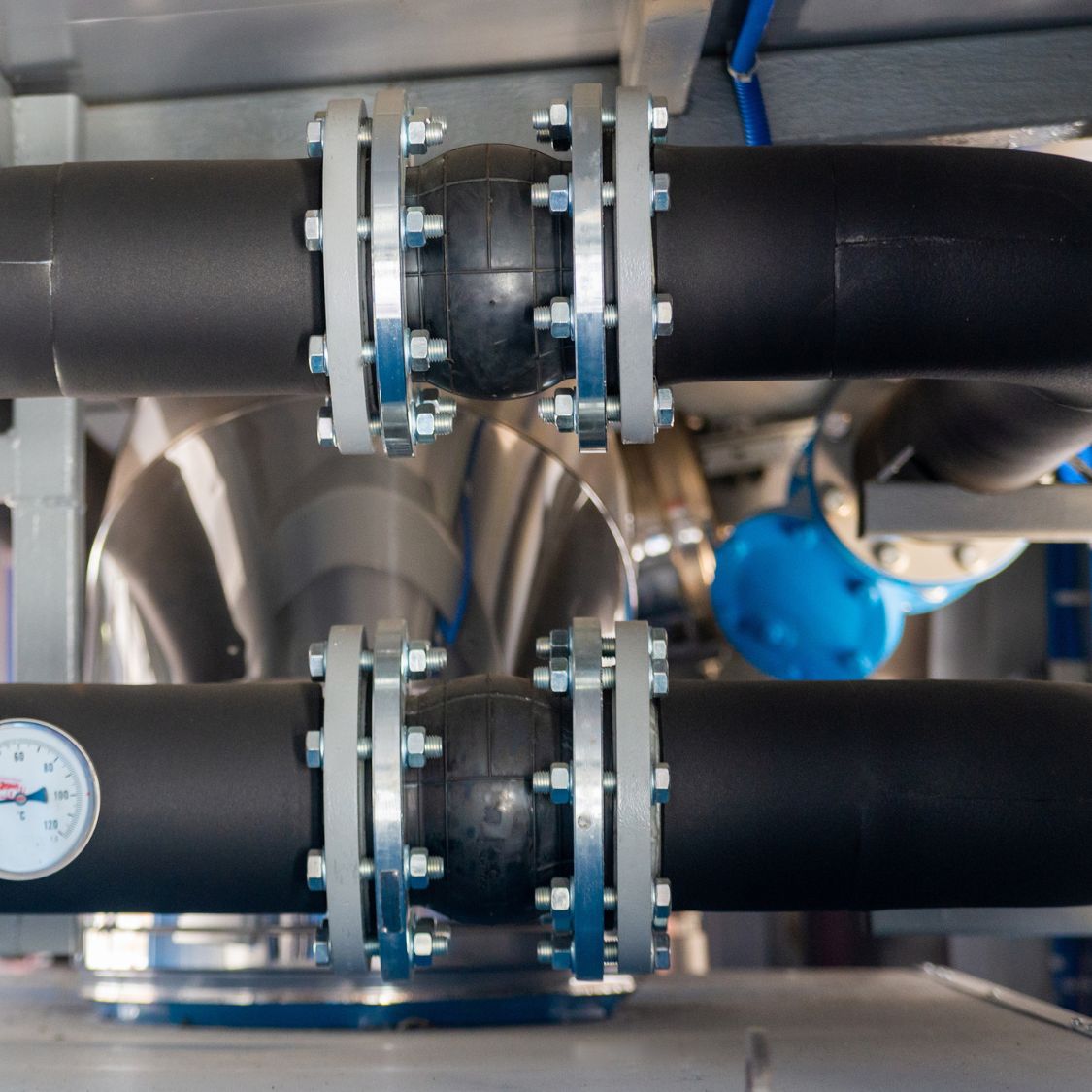
Ensure you follow the instructions as they are laid out, and you’ll never have an issue with your pipe joints. Here are some tips for installing pipe expansion joints to get you started.
How To Lubricate
It’s important to note that any time you have rubber flanges, you must not use petroleum as your lubricant, as it can break them down over time. In this case, for pipe expansion joints, ensure that you’re either using graphite with water or glycerin, as these are both acceptable lubricants for your pieces.
Make sure you’re lining and coating the pipe joints’ inner workings and threads, but not caking it on or dousing it with lubrication. If you do this correctly, it will fit tightly, and you will avoid the joints sticking together and any leakage that could occur in the future.
Inserting Your Joints
Check all your pieces first before assembling them. Ensure that you have them all and that they are in order according to how they should be assembled.
Once done, you may assemble them one at a time, starting with the joint pieces. When inserting them, ensure that they align correctly and that you’re threading them evenly to ensure a proper fit and finish. These are common mistakes people make when installing their expansion joints, so try not to sweat them too much.
Adding and Tightening Bolts
You’ll want to add bolts to your joints to secure them properly. Using bolts is a lot better than using nails or screws.
These bolts are for the ultimate security when using heavy equipment like piping, so they require heavy fasteners. Ensure you’re tightening them down well, not just when they feel snug. It’s also important to put only a little torque on them, too, as it could strip your bolt, leaving it in place permanently.
Safety Precautions Are a Must
If you’re using unanchored pipes or pipe joints, you will need something to secure them. Control rods are a great alternative for anchoring.
You’ll want to ensure that your pipes are always anchored somewhere in place as a safety protocol. Taking measures to ensure the safety of the equipment and of people working with and around this equipment should be a top concern.
These are just a few tips for installing pipe expansion joints to get them fitting and in place correctly the first time. It’s important to know matters like this so you don’t have leaks or emergencies that cannot wait.
A sold-out tour, playoff game, or comedy show can turn a casual ticket search into a rushed decision. That urgency is exactly what scammers count on. This guide to online ticket safety explains how to buy with more confidence, recognize warning signs before money changes hands, and know what to do if a transfer does not arrive. Online ticketing is not inherently risky. Major venues, artists, teams...
Veterans Day parade ceremonies often begin before the marching bands reach the main street. A flag is raised outside a courthouse, names are read at a memorial, or a veteran takes the microphone to describe a moment of service that changed a life. These local observances turn a federal holiday into a public act of gratitude, giving residents a direct way to recognize the people who served in the a...
Choosing the right surface material can improve your home's appearance and functionality. Understanding why engineered stone is a great material choice helps homeowners select countertops that combine durability with attractive design. Made from natural stone particles and binding materials, engineered stone offers consistent quality and easy maintenance. Its versatility makes it an appealing opt...
A departure board can change from “on time” to “delayed” in minutes, sometimes while the sky above the airport looks perfectly clear. If you are asking why flights delayed, the answer is usually not one dramatic failure. Air travel runs on tightly connected schedules, aircraft rotations, crews, airport gates, weather systems, and air traffic control decisions. A problem in one part of that network...
Cold weather adds another home maintenance concern just when you’d rather stay inside and leave repairs for later. Your plumbing isn’t immune to the temperature change, even when most of it sits indoors. ...