For families, artists, travelers, and culture-minded crowds, Day of the Dead 2026 events are more than another Halloween-weekend outing. The strongest programs create room for remembrance: community-built altars, candlelit processions, marigolds, music, food, and stories honoring people who have died. That is what separates a meaningful Día de Muertos gathering from a party that simply borrows its visual style.
Across the United States, public observances typically build around November 1 and November 2, with some programs beginning in late October. This year, November 1 falls on a Sunday and November 2 on a Monday, so expect a mix of weekend festivals, museum events, neighborhood processions, school programs, and evening vigils. Event calendars can change close to the date, especially for outdoor programming, so confirmed organizer details matter more than old listings or social media reposts.
What Day of the Dead commemorates
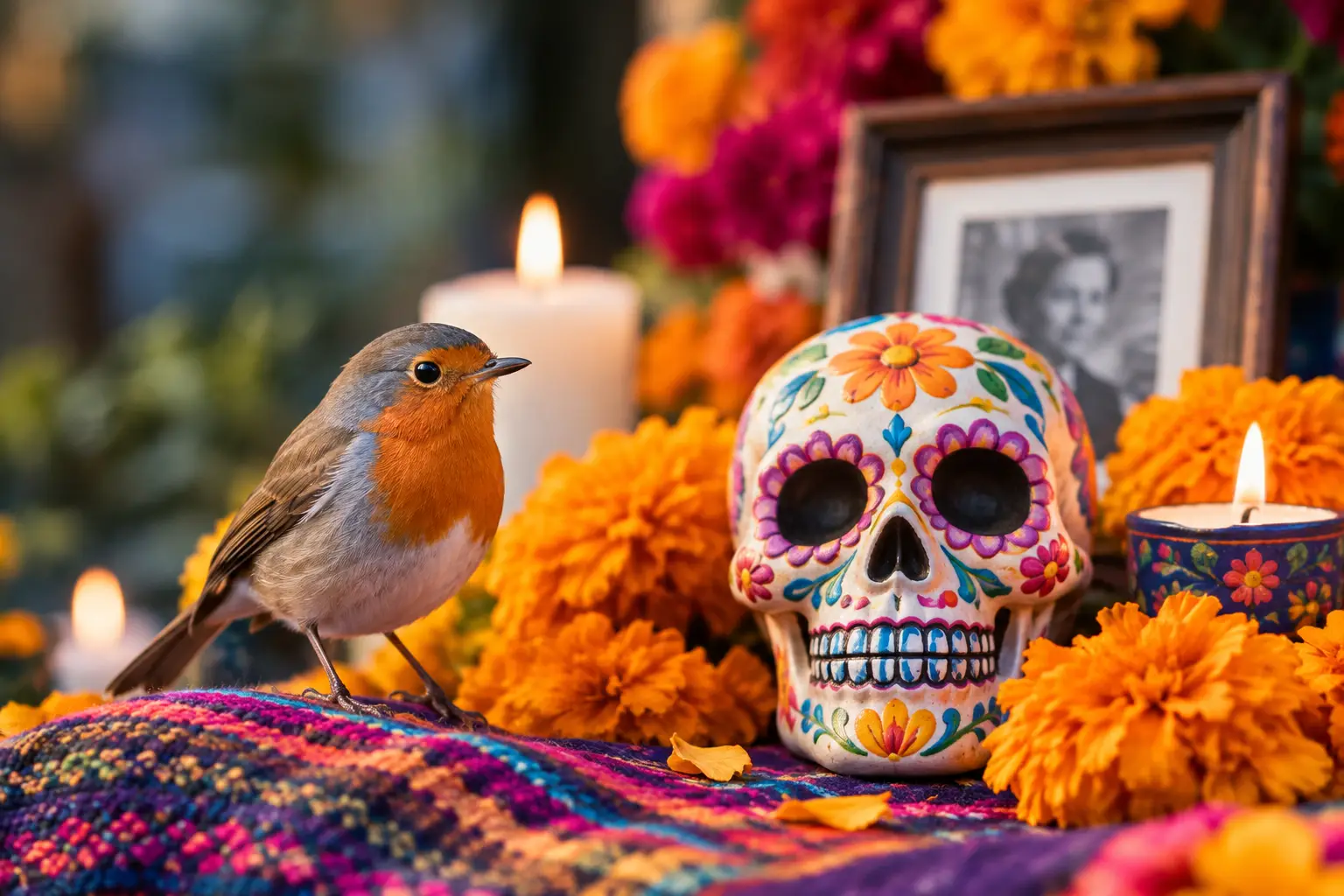
Día de Muertos is a Mexican tradition centered on remembering and welcoming loved ones who have died. It is not the same holiday as Halloween, though the dates overlap and many U.S. events acknowledge both on a shared seasonal calendar. In many families and communities, the focus is an ofrenda, or altar, where photographs, candles, flowers, food, water, and meaningful objects honor specific people.
Marigolds are widely used for their color and fragrance. Sugar skulls, papel picado, pan de muerto, calaveras imagery, music, and favorite foods may also appear, but their meaning depends on the family, region, and community presenting them. Day of the Dead can feel joyful, colorful, and public while still being deeply personal.
That distinction is useful when deciding which event to attend. A ticketed concert, restaurant promotion, or costume night may be entertaining, but it is not automatically a cultural observance. Look for programming created with Mexican and Mexican American artists, cultural organizations, families, educators, or community leaders. Their involvement usually shows in the details: altar displays with context, artist talks, workshops, remembrance opportunities, and clear guidance for visitors.
Day of the Dead 2026 events: Where activity is likely to be strongest
The biggest public celebrations are often found in cities with established Mexican and Mexican American communities, but meaningful events take place nationwide. Local offerings range from major civic festivals to a library altar exhibit or a small neighborhood procession. Large crowds are not the only sign of a good program.
Southern California and the Southwest
Los Angeles is one of the country’s most visible hubs for Día de Muertos programming. Historic areas, arts districts, cultural institutions, cemeteries, and neighborhood groups commonly host altars, performances, family activities, and memorial gatherings. Expect crowds at well-known destinations, particularly on the weekend, and plan for parking restrictions or public-transit options where available.
San Diego, Santa Ana, Phoenix, Tucson, Albuquerque, El Paso, and Las Vegas also frequently feature programs tied to local Mexican heritage communities. In the Southwest, visitors may find outdoor markets and processions alongside gallery exhibitions and cultural-center events. Weather is often favorable, but evenings can cool quickly in desert locations.
Texas and the Gulf Coast
San Antonio is a natural place to watch for Day of the Dead programming, with events often blending public art, traditional food, music, river or downtown activity, and family-centered memorial practices. Houston, Austin, Dallas-Fort Worth, McAllen, Corpus Christi, and other Texas communities can offer a broad range of choices, from large festivals to museum programs and school-led celebrations.
The best fit depends on what you want. A downtown event may deliver entertainment and vendor activity, while a museum or neighborhood gathering may provide more historical context and a quieter place to engage with altars. If bringing children, review start times and the stated focus before you go. Some evening processions are designed for all ages; others are better suited to older visitors.
Midwest, East Coast, and Pacific Northwest
Chicago, Detroit, Minneapolis-St. Paul, Kansas City, and Milwaukee regularly support Día de Muertos programming through Mexican cultural groups, performing arts organizations, museums, and neighborhood businesses. In colder regions, indoor exhibitions and community centers can be as central to the calendar as street festivals.
New York City, Washington, D.C., Philadelphia, Boston, Atlanta, and Miami are also worth watching for museum installations, public altars, film screenings, food events, and performances. On the West Coast, Seattle, Portland, San Francisco, Oakland, and Sacramento often pair community remembrance with arts programming. Exact 2026 schedules will vary, so search by your city plus “Día de Muertos,” “ofrenda,” and “Day of the Dead,” then confirm information directly with the host organization.
How to find events worth your time
Start with official calendars from city arts offices, Mexican cultural centers, museums, public libraries, parks departments, neighborhood associations, and established community nonprofits. These sources are more likely to list admission policies, accessibility information, parking or transit guidance, weather plans, and any rules around photography.
A good listing should identify who is producing the event and what is actually happening. “Festival” can mean a full day of performances and vendors, a one-hour community gathering, or a marketing label with little cultural programming behind it. Look for concrete details such as altar installations, artists and performers, workshop schedules, processions, food vendors, and opportunities to contribute names or messages in remembrance.
Be cautious with dates copied from previous years. Many annual events retain similar names but move locations, change hours, require advance reservations, or skip a year. A calendar entry without a current-year date is a lead, not confirmation. For fast-moving local updates, check the organizer’s most recent announcements and local news coverage before making a long drive.
Attend respectfully, especially around altars
Public altars are often designed to be seen and shared, but they are not generic decor. Read signage, give people space, and follow any photo rules. If an altar includes names, photographs, ashes, religious objects, or fresh offerings, treat it as a place of remembrance rather than a backdrop for a themed photo shoot.
Costumes require judgment. Traditional calavera face painting is common at many community events and may be offered by artists on site. Still, copying sacred, regional, or Indigenous ceremonial clothing without understanding its meaning can be disrespectful. When in doubt, choose ordinary festive clothing, support event artists and vendors, and let the cultural programming lead the experience.
If you are invited to add an offering or written message, follow the host’s instructions. Do not touch existing objects, remove food, or place items on an altar unless the organizers have clearly made space for public contributions. Small choices like these help preserve the care that families and artists put into the display.
A practical plan for the weekend
For popular Day of the Dead 2026 events, arrive earlier than you think you need to. Daytime visits are often better for viewing detailed altars, speaking with exhibitors, and navigating with children. Evening programming can be more atmospheric, particularly for candlelit processions and performances, but it is usually busier.
Bring a light layer, a portable charger, water, and a payment method accepted by local vendors. Check whether bags are restricted and whether pets are permitted. If you are attending a procession, identify a meeting point and an exit route before it begins, since streets may close and cell service can slow in dense crowds.
Travelers should avoid building an entire trip around one unverified listing. Choose a city with several possible activities, then keep a backup plan such as a museum exhibition, cultural market, or local restaurant offering seasonal programming. The most memorable visit may be a smaller altar display where a curator, artist, or community member can explain what you are seeing.
Watch for coverage beyond the festival calendar
Day of the Dead stories extend beyond event guides. Local reporting can spotlight artists building monumental ofrendas, schools teaching family history, museums preserving regional traditions, and communities raising support for grieving families. Video coverage is especially useful for getting a sense of an event’s scale before attending, though it should never replace current details from the organizer.
RobinsPost readers following seasonal culture coverage can also watch for local news updates on road closures, weather changes, public safety notices, and last-minute program additions. The calendar is only the starting point. The people, memories, and community work behind each observance are the real reason to pay attention.
Whether you attend a major public festival or a modest neighborhood altar, arrive ready to learn rather than simply consume the spectacle. A little preparation makes room for what Día de Muertos asks of visitors: to remember people by name, honor the lives they lived, and leave with greater care for the stories held by others.