A grocery bag can hold foods with very different storage rules: a jar of peanut butter, a carton of eggs, ripe berries, raw chicken, and a shelf-stable soup carton. Knowing which foods need refrigeration is less about memorizing every item and more about spotting the foods where warmth lets harmful bacteria grow quickly.
For most home refrigerators, the target temperature is 40°F or below. The refrigerator slows bacterial growth, but it does not make food safe indefinitely. Dates, packaging instructions, preparation method, and how long an item sat out all still matter.
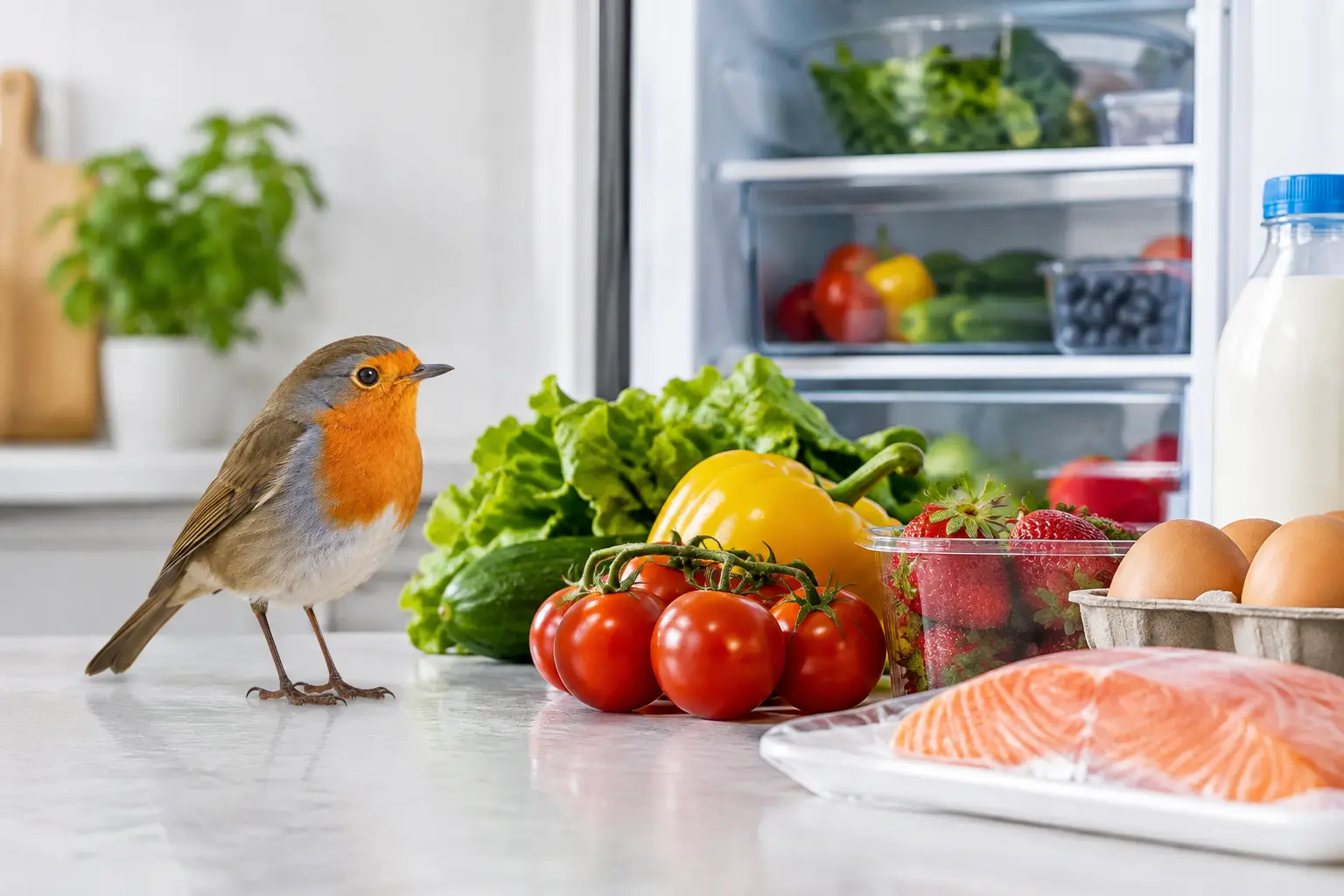
Which Foods Need Refrigeration Right Away?
Foods that are perishable, opened after shelf-stable packaging, or labeled “keep refrigerated” should go into the refrigerator promptly. This includes raw meat and poultry, seafood, milk, yogurt, eggs, soft cheeses, leftovers, and most prepared foods.
The key concern is the temperature danger zone, generally 40°F to 140°F. In that range, certain bacteria can multiply fast enough to create a real food safety risk. Perishable food should not remain at room temperature for more than two hours. If the room or outdoor temperature is above 90°F, that window drops to one hour.
Raw meat, poultry, and seafood
Raw beef, pork, lamb, chicken, turkey, fish, and shellfish all need refrigeration. Put them away as soon as possible after shopping, ideally in a separate bag so juices cannot leak onto ready-to-eat foods.
Store raw meat and seafood on the bottom shelf, in a tray or sealed container. That simple placement helps prevent drips from contaminating produce, drinks, or leftovers. If you will not use the item within a few days, freezing is the safer option.
Do not thaw meat on the counter. Thaw it in the refrigerator, in cold water changed regularly, or in the microwave if you will cook it immediately afterward.
Dairy, eggs, and refrigerated alternatives
Milk, cream, yogurt, cottage cheese, sour cream, and most dairy-based dips need refrigeration. So do plant-based milks, creamers, and yogurts once their labels say they require it. Some unopened cartons are shelf-stable, but after opening, they belong in the refrigerator.
In the United States, eggs should be refrigerated. Keep them in their original carton rather than transferring them to the refrigerator door, where temperatures change more often. The main interior shelves are more stable.
Cheese depends on the type. Soft and fresh cheeses such as cream cheese, ricotta, mozzarella, goat cheese, feta, and Brie need refrigeration. Hard cheeses last longer and are less vulnerable to quick bacterial growth, but they should still be refrigerated for quality and safer storage after purchase or opening.
Butter is a useful exception with limits. Salted butter can often sit out briefly in a covered butter dish for easier spreading, but refrigeration is best for long-term storage. Unsalted butter, whipped butter, and spreads with added ingredients are better kept cold.
Leftovers and prepared meals
Leftovers need refrigeration within the two-hour window, whether they are homemade chili, takeout noodles, rotisserie chicken, pizza, rice, or a restaurant meal. Divide large portions into shallow containers so they cool faster. A deep pot of hot soup may stay warm in the center too long if placed in the refrigerator as one large batch.
Cooked rice, pasta, potatoes, and casseroles are often treated casually because they do not look like high-risk foods. They still need prompt chilling. The same goes for deli salads, prepared sandwiches, meal kits, and foods from a buffet or party table.
Plan to eat refrigerated leftovers within three to four days. Reheat foods thoroughly, and do not rely on smell alone. Food can carry harmful bacteria even when it looks and smells normal.
Produce: What Belongs in the Refrigerator?
Produce is where storage advice gets more conditional. Some fruits and vegetables keep better at room temperature until ripe, while others should be refrigerated right away to preserve safety, texture, or freshness.
Refrigerate berries, grapes, cherries, leafy greens, broccoli, carrots, celery, mushrooms, snap peas, and cut vegetables. Keep berries dry and unwashed until you are ready to eat them, since extra moisture encourages mold. Leafy greens keep best when loosely wrapped or stored in a container that manages excess moisture.
Refrigerate cut melon, sliced tomatoes, chopped onions, cut avocados, and any peeled or chopped fruit or vegetable. Once the protective skin is removed, the food becomes more exposed to contamination and spoilage.
Bananas, whole tomatoes, potatoes, onions, garlic, winter squash, and whole melons can generally remain at room temperature, away from direct sun and heat. However, refrigerate them after cutting. Avocados, peaches, nectarines, pears, and mangoes can ripen on the counter, then move to the refrigerator when ripe if you need extra time before using them.
A practical rule: whole, intact produce often has more flexibility; cut, peeled, cooked, or highly perishable produce needs the refrigerator.
Pantry Foods That Change After Opening
Many items are safe on a shelf until they are opened. The label is the final word, especially for sauces, beverages, and specialty foods.
Shelf-stable canned goods, dry pasta, rice, flour, cereal, unopened jars of nut butter, and unopened boxes of broth usually do not need refrigeration. Once opened, the rules change for many of them. Broth, canned vegetables, canned beans, tomato paste, and canned fruit should be transferred to a covered food-safe container and refrigerated rather than stored in the opened can.
Condiments vary. Ketchup, mustard, mayonnaise, salad dressing, barbecue sauce, and soy sauce may survive some time at room temperature, particularly in restaurant settings where they are used quickly. At home, refrigeration after opening is the safer default and helps maintain flavor. Products containing dairy, eggs, fresh herbs, or lower-acid ingredients should be refrigerated as directed.
Natural nut butters may recommend refrigeration after opening because their oils can separate or turn rancid more quickly. Honey, jam, and many pickles have more flexibility due to their sugar, acid, or salt content, but their labels still deserve a quick check.
Storage Habits That Prevent Food Waste and Illness
A refrigerator can be cold overall while certain spots run warmer. Avoid storing highly perishable foods in the door. Use the door for drinks, butter, and condiments, and reserve the center shelves for milk, eggs, leftovers, and ready-to-eat foods.
Keep raw foods separated from cooked foods. Cover leftovers, label them with the date, and place newer items behind older ones so the foods you need to use first stay visible. An inexpensive refrigerator thermometer can be more useful than guessing whether the appliance feels cold enough.
When shopping, pick up refrigerated and frozen items near the end of the trip. Get them home promptly, particularly during hot weather. If a power outage occurs, keep the refrigerator and freezer doors closed as much as possible. Refrigerated perishable food that has been above 40°F for four hours or more should generally be discarded.
When “Use By,” “Best By,” and Your Senses Disagree
Date labels can be confusing. A “best by” date commonly relates to quality, while a “use by” date may carry more urgency depending on the product and local guidance. Packaging instructions and safe handling directions should take priority over a casual visual check.
Mold, an unusual odor, a swollen package, leaking liquid, fizzing where it should not fizz, or a slimy texture are clear warning signs. But the absence of those signs does not guarantee safety. Do not taste questionable food to test it, particularly meat, seafood, dairy, leftovers, or refrigerated prepared foods.
The most useful habit is simple: treat cold storage as part of meal planning, not an afterthought after unpacking. A few minutes spent refrigerating the right foods, keeping the appliance cold, and labeling leftovers can protect both your grocery budget and the people at your table.