Electricity, while an essential part of our daily lives, can pose significant hazards, especially for those working with it directly. High voltage and electrical currents can cause severe harm, making it crucial for electrical engineers to prioritize safety. While continuous training and education are pivotal, there's more to ensuring safety in this field. Here, we explain four ways to keep electrical engineers safe.
Understanding AC and DC Power
Understanding the nature of alternating current (AC) and direct current (DC) is fundamental in electricity. Alternating current is a type of electrical current in which the direction and magnitude of the voltage periodically change from negative to positive.
On the other hand, direct current involves the flow of electric charge in only one direction. A solid grasp of these concepts can help electrical engineers safely navigate their work.
Investing in Quality Equipment
The quality of the equipment used in electrical engineering can be the difference between a safe work environment and a hazardous one. Always search for a high-voltage power supplies manufacturer with years of industry experience; they can assist you in finding the essential components.
When researching a company, look for reviews from other electrical engineers and ensure they adhere to safety standards. Investing in high-quality equipment may be more expensive, but it is a necessary step toward promoting safety in the workplace.
Prioritizing Personal Protective Equipment
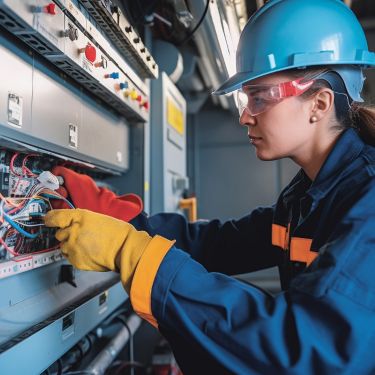
Safety in electrical engineering extends beyond understanding concepts and using the right tools. It also involves wearing the appropriate personal protective equipment. Rubber gloves and safety goggles are a must for all electrical engineers.
Additional personal protection, like a full-body suit, may be required in high-risk environments. This protective gear acts as a barrier between the worker and electrical hazards, reducing the risk of injury.
Why Rubber?
Rubber is an excellent insulator, making it the ideal material for gloves used in electrical engineering. However, not all rubber gloves are created equal. It's essential to use gloves specifically designed for electrical work and regularly inspect them for any signs of wear or damage.
Securing High Voltage Areas
Treat high-voltage areas with the utmost caution; they pose a dangerous risk. The final way to keep electrical engineers safe is by installing fences around high-voltage areas. These fences remind workers of the present dangers and act as a barrier to prevent accidental contact with hazardous equipment.
Prominently label all high-voltage areas to alert workers of potential hazards. Safety in electrical engineering is a multifaceted issue that requires a comprehensive approach. By adhering to these principles, electrical engineers can significantly reduce their risk of accidents and injuries.
A sold-out tour, playoff game, or comedy show can turn a casual ticket search into a rushed decision. That urgency is exactly what scammers count on. This guide to online ticket safety explains how to buy with more confidence, recognize warning signs before money changes hands, and know what to do if a transfer does not arrive. Online ticketing is not inherently risky. Major venues, artists, teams...
Veterans Day parade ceremonies often begin before the marching bands reach the main street. A flag is raised outside a courthouse, names are read at a memorial, or a veteran takes the microphone to describe a moment of service that changed a life. These local observances turn a federal holiday into a public act of gratitude, giving residents a direct way to recognize the people who served in the a...
Choosing the right surface material can improve your home's appearance and functionality. Understanding why engineered stone is a great material choice helps homeowners select countertops that combine durability with attractive design. Made from natural stone particles and binding materials, engineered stone offers consistent quality and easy maintenance. Its versatility makes it an appealing opt...
A departure board can change from “on time” to “delayed” in minutes, sometimes while the sky above the airport looks perfectly clear. If you are asking why flights delayed, the answer is usually not one dramatic failure. Air travel runs on tightly connected schedules, aircraft rotations, crews, airport gates, weather systems, and air traffic control decisions. A problem in one part of that network...
Cold weather adds another home maintenance concern just when you’d rather stay inside and leave repairs for later. Your plumbing isn’t immune to the temperature change, even when most of it sits indoors. ...