Managing your finances starts with knowing where your money goes. Keeping track of your purchases ensures better budgeting, prevents overspending, and helps you reach your financial goals faster.
Whether you’re splitting bills with friends or paying off a credit card, staying on top of your expenses can make all the difference. Here are a few straightforward tips for mastering the art of tracking your purchases without the hassle.
Keep Your Receipts Organized
Physical receipts may feel old-school, but they’re essential for staying accountable. Create a simple system for storing and referencing them, such as keeping all your receipts in a single folder or envelope.
At the end of each week, spend a few minutes sorting them into categories—like dining out, essentials, or personal care. You’ll build a strong awareness of what you’re spending money on. Receipts also come in handy during returns or for monitoring potential billing errors.
Regularly Review Bank and Credit Card Statements
Bank and credit card statements don’t just tell you your balance—they provide a detailed trail of all your spending. Make it a habit to check these once a week, either through your banking app or online portal.
Reviewing your statements lets you spot unnecessary subscriptions or fraudulent transactions before they cost you extra money. It’s also an eye-opener to see how small transactions can quickly add up over time.
Use a Dedicated App for Easy Monitoring
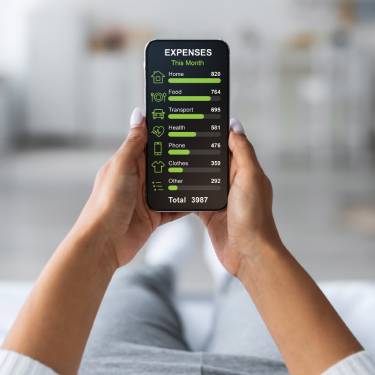
Apps are among the simplest ways to track your purchases. Many finance apps automatically categorize your spending, so all you need to do is sync your bank account. These tools track your transactions and provide insights into your spending habits.
Apps make it easier to set limits for personal expenses and stick to them. You can even customize categories like “groceries” or “subscriptions” to suit your lifestyle. Tracking your purchases is an essential financial tip for young adults. A few taps every day can ensure your finances stay organized without adding extra stress.
Write Down Purchases in Real-Time
Sometimes, old-fashioned methods work best. Carrying a small notebook to jot down purchases as they happen can keep you mindful of what you’re spending. Alternatively, you can use your phone’s notes app if you’re not a fan of paper.
This practice connects you to each transaction mentally, which makes you think twice about unnecessary purchases. The more often you record, the more aware you’ll become of your daily spending patterns.
Set Daily Spending Limits
Establishing a daily spending limit keeps your finances under control without feeling restricted. Start by calculating your weekly budget, then divide it by seven for a daily allowance.
Make tracking your purchases part of the process by subtracting every expense immediately. When you realize you’re nearing your limit, you’ll naturally curb unnecessary spending. It’s like a built-in reminder to focus on what really matters.
Don’t Forget Subscriptions
Subscriptions are sneaky money drainers, and tracking them is key to financial management. Create a list of every subscription you’re signed up for, along with payment dates. Having visibility over these helps you decide which are necessary and which can go. Cancel the ones you’re not using regularly—it’s a quick way to save money with minimal effort.
Making purchase tracking part of your routine isn’t as complicated as it seems. With the right tools, you’ll feel more in control of your finances. Start small with just one method that resonates with you, and you’ll notice how much more mindful your spending becomes.
Bio: Casey is a passionate copyeditor highly motivated to provide compelling SEO content in the digital marketing space. Her expertise includes a vast range of industries from highly technical, consumer, and lifestyle-based, with an emphasis on attention to detail and readability.
A breaking headline can reach your phone through a live video stream, a short social post, a creator’s clip, or a message shared by a friend. The difference matters. Streaming news versus social media is not simply a choice between two screens. It is a choice between different speeds, standards, signals, and risks when you are trying to understand what is happening. For many readers, the best answ...
A black cat crosses the sidewalk, a hotel skips the 13th floor, and someone notices the calendar before booking a flight. Friday the 13th traditions turn an ordinary date into a small annual test of nerve, humor, and habit. For some Americans, it is a reason to avoid risk. For others, it is a ready-made excuse for a horror movie marathon, a themed party, or a little friendly mischief. The date car...
A heating bill can jump long before the thermostat seems unusually high. Often, the problem is not one expensive habit but a chain of small losses: air leaking around a door, a clogged filter, rooms heated when nobody uses them, or a system working harder than it should. To cut heating costs in winter, focus first on the heat your home is already producing and where it is escaping. This practical...
A Sagittarius forecast can read like a call to book a trip, speak your mind, or take a chance on a bigger idea. That energy is not accidental. The sagittarius horoscope meaning is rooted in a sign associated with movement, optimism, learning, and a strong preference for open horizons over tight restrictions. Still, a horoscope is more useful when read as a prompt for reflection than as a fixed scr...
A sold-out tour, playoff game, or comedy show can turn a casual ticket search into a rushed decision. That urgency is exactly what scammers count on. This guide to online ticket safety explains how to buy with more confidence, recognize warning signs before money changes hands, and know what to do if a transfer does not arrive. Online ticketing is not inherently risky. Major venues, artists, teams...