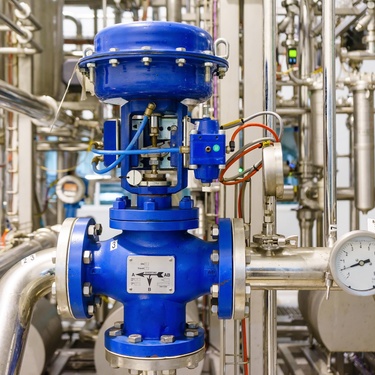
Selecting the correct valve for an industrial system is more than just picking a piece of hardware. It directly affects efficiency, safety, and long-term performance. With so many types, materials, and configurations available, choosing the correct valve can feel anything but easy. By focusing on application, power source, materials, and function, you can make an informed decision that keeps your system running smoothly. Let’s delve into these tips for choosing the right valve for your application.
Know Your Options
Before making a selection, it’s important to understand the range of valves available and how each type is designed to perform. Common options include:
Ball valves: Provide fast on/off operation and tight sealing, making them ideal for high-pressure applications.
Gate valves: Are ideal for full-flow systems but are less effective for throttling or precise flow control.
Globe valves: Excel at regulating flow and provide fine adjustments in systems where precision is key.
Check valves: Prevent backflow, protecting pumps and other critical equipment from damage
Understanding these options early allows you to match a valve to your system’s needs more accurately. Consider not just the type of valve but also its size, pressure rating, and compatibility with your system’s fluids.
Pro Tip
Some industries also need specialty valves that can accommodate their unique circumstance. Often, these manufacturers work closely with customers to create components tailored to their needs.
Evaluate Power Source
Once you understand your options, you’ll want to consider the power needed for the component to work. Most valves are either manual or automated, and both have varying benefits. Manual valves are simple, cost-effective, and ideal for smaller systems or applications where frequent adjustments aren’t required.
Automated valves, whether electric, pneumatic, or hydraulic, allow for remote operation and precise control. They are instrumental in large industrial facilities, where operators need to manage complex systems efficiently and safely. Automated valves can integrate with monitoring and control systems, providing real-time feedback and reducing the risk of human error.
Inspect Materials
Another tip for choosing the right valve for your applications is to look at the material. Each option best handles specific pressures, temperatures, and environmental conditions, which we’ve detailed below.
Stainless steel valves: Offer excellent corrosion resistance and are ideal for chemical or high-moisture environments.
Carbon steel valves: Provide strength and durability for high-pressure systems, while brass valves work well in moderate applications.
PVC valves: Are lightweight, corrosion-resistant, and suitable for low-pressure water systems.
Choosing the right valve is a critical decision that impacts the efficiency, safety, and longevity of your system. By understanding your options, evaluating the power source, and inspecting the materials, you can make a confident selection that meets your operational needs. Taking the time to assess these factors ensures your system runs smoothly, minimizes downtime, and reduces maintenance costs.
Bio: Casey is a passionate copyeditor highly motivated to provide compelling SEO content in the digital marketing space. Her expertise includes a vast range of industries from highly technical, consumer, and lifestyle-based, with an emphasis on attention to detail and readability.
A credit score can affect far more than a mortgage application. It may influence the interest rate on a car loan, the deposit requested for an apartment, access to a credit card, and sometimes the price of insurance. This guide to understanding credit scores explains what the number means, what shapes it, and which practical moves are worth making before you apply for credit. What a Credit Score A...
A crowded cart is not the same as a finished gift list. The best presents feel considered, arrive on time, and suit the person receiving them - not just the holiday sale banner that caught your eye. This Amazon holiday gift guide 2026 is built for practical shopping: finding useful ideas across categories, checking value before checkout, and avoiding the last-minute delivery scramble. Holiday shop...
A seafood counter can make the ocean feel distant: neatly packed fillets, a familiar label, dinner sorted. World Fisheries Day 2026, observed on Saturday, November 21, brings that distance into focus. The fish on a plate is connected to working harbors, fishing families, vessel crews, processors, marine scientists, local markets, and decisions about what can be caught today without leaving too lit...
An outdoor kitchen can turn an ordinary backyard into a welcoming place for everyday meals and relaxed gatherings. However, installing a grill and countertop does not automatically create a space that feels convenient or inviting. Learning how to make the most out of your outdoor kitchen means considering how you cook, entertain, and spend time outside. Thoughtful improvements can help you use th...
A depleted coffee supply, a missing phone charger, and a household running low on paper towels are the kinds of small problems that can turn into forgotten errands. Shopping Amazon using Alexa is designed for these repeat-purchase moments: ask for an item while you are cooking, working, or getting ready to leave, then let the order process happen from a connected device. For many households, voice...