Exposure to hazardous gases in the workplace poses serious health risks, from respiratory illnesses to long-term chronic conditions. Ensuring a safe environment is not just a regulatory requirement but a moral obligation for every employer. This guide will walk you through four key tips for protecting workers from hazardous gases, helping you create a safer and more secure workplace. By implementing these strategies, you can significantly reduce the risks associated with gas exposure and safeguard your team’s well-being.
1. Conduct Regular Air Quality Monitoring
One of the most critical steps in preventing gas-related incidents is to consistently monitor the air quality in your facility. This involves using specialized detection systems to identify and measure the concentration of harmful gases. By establishing a routine monitoring schedule, you can detect potential hazards before they escalate into dangerous situations. Regular checks ensure that you address any leaks or buildups promptly, maintaining a safe breathing environment for everyone.
2. Provide Proper Ventilation Systems
Effective ventilation is essential for diluting and removing contaminated air. Installing and maintaining high-quality ventilation systems helps to circulate fresh air and exhaust hazardous fumes away from work areas. Depending on the specific environment, this could involve local exhaust ventilation to capture contaminants at their source or general ventilation to improve overall air circulation. Properly functioning systems are a frontline defense against the accumulation of dangerous gases.
3. Use Personal Protective Equipment (PPE)
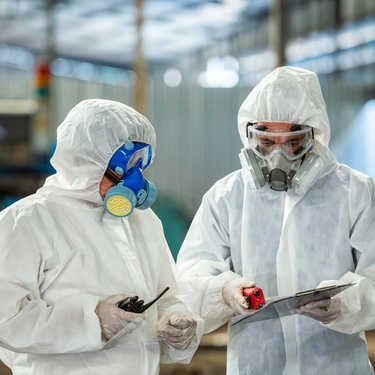
When engineering controls cannot eliminate all risks, personal protective equipment (PPE) becomes necessary. Providing workers with appropriate respiratory protection, such as respirators or self-contained breathing apparatus, is crucial in environments where hazardous gases may be present. It is vital to properly fit, regularly inspect, and maintain all PPE. Wearable gas monitors can also provide an additional layer of safety by alerting individual workers to immediate threats. Equipping your team with the right gear gives them the protection they need to perform their jobs safely.
4. Implement Comprehensive Training Programs
Knowledge is a powerful tool in workplace safety. Train all employees exposed to hazardous gases on potential risks and safety procedures. This education should cover how to recognize hazards, the correct use of safety equipment, and emergency response protocols. An effective training program empowers workers to take an active role in their own safety and contributes to a stronger safety culture across the organization.
Protecting your workforce from invisible threats is a top priority. By following these key tips for protecting workers from hazardous gases, you can build a comprehensive safety strategy that minimizes risk and promotes a healthier work environment.
Bio: Casey is a passionate copyeditor highly motivated to provide compelling SEO content in the digital marketing space. Her expertise includes a vast range of industries from highly technical, consumer, and lifestyle-based, with an emphasis on attention to detail and readability.
Why We Change the Clocks: Daylight Saving Time Explained
Reminder: Daylight Saving Time begins this Sunday. Most regions will move clocks one hour forward at 2:00 a.m.
What Is Daylight Saving Time?
Daylight Saving Time (DST) is the practice of moving clocks forward by one hour during the warmer months
to extend evening daylight and then moving them back again in the cooler months. The original idea was to
conserve energy by aligning human activity with natural daylight, reducing the need for artificial lighting.
Today, DST is also justified by some as a way to support retail, tourism, and outdoor activities in the evening,
though its benefits and drawbacks are increasingly debated.
Kitchen trends move fast. One year, bold greens dominate design feeds. The next, warm terracotta steals attention. Yet certain colors continue to anchor homes decade after decade. Homeowners seeking timeless cabinet shades that never go out of style often want longevity, flexibility, and resale appeal without sacrificing personality.
Keeping your place safe doesn’t need a full security overhaul or a pile of expensive gadgets. There are simple things you can do to secure your home that fit into a weekend, a free evening, or even a spare hour. A few smart upgrades make your house harder to mess with and help you feel more relaxed every time you lock up.
When traffic packs in around big rigs, it is easy to tense up and wonder, “is it dangerous to drive beside a semi-truck"? The answer isn’t black and white. A few real risks exist, but a lot of protections stand between you and the worst-case scenarios on the highway.
A quinceañera marks an important milestone that celebrates tradition, family, and a young woman’s transition into adulthood. Planning such a meaningful event takes effort, coordination, and attention to detail. With proper preparation and clear planning, families can organize a memorable event that flows smoothly from the ceremony to the final dance. Here are some must-know tips on how to ensure a quinceañera goes off perfectly.