A product keynote starts on the West Coast, a chipmaker drops guidance before the market opens, and an app outage spreads across social media before many users even know what broke. That is where technology news live coverage earns its place. For readers who want fast updates without bouncing between ten tabs, live coverage turns a busy tech cycle into something readable, watchable, and easier to follow.
Tech moves differently from many other news categories. A policy announcement can affect device makers, cloud providers, app developers, and consumers within hours. A security flaw can begin as a niche report and become mainstream by the afternoon. An earnings call can shift sentiment around AI, semiconductors, and hardware all at once. Static reporting still matters, but it often arrives after the most useful moment has passed. Live coverage fills that gap by tracking events as they unfold and by giving readers a clearer path through the noise.
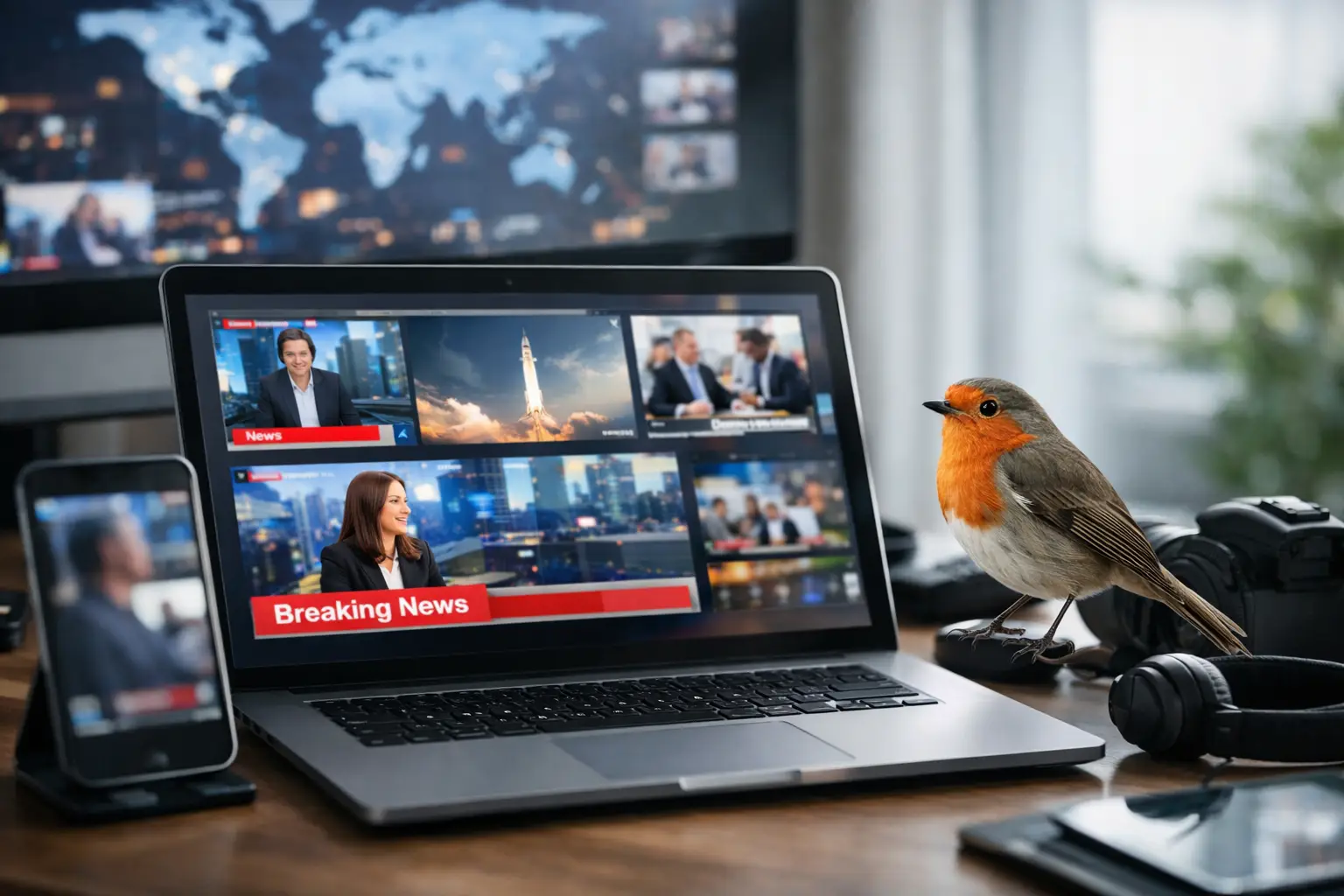
Why technology news live coverage matters now
The value is not just speed. It is context delivered in sequence. When coverage is live, readers can see what happened first, what changed next, and which claims held up once more information arrived. That timeline matters in technology because early reporting is often incomplete. A rumored feature becomes a confirmed launch, a reported outage turns out to be regional, or a bold AI announcement gets tempered by pricing, regulation, or technical limits.
For a broad audience, this approach is practical. Not everyone wants a deep technical breakdown of a new processor architecture or a long transcript from a developer conference. Many readers simply want the key update, the short explanation, and a reliable way to keep watching if the story grows. Live coverage supports that by bringing together headlines, clips, official statements, expert reaction, and follow-up reporting in one stream.
It also matches how people consume modern media. Some users read quick text updates at work. Others prefer live video, short clips, or event recaps later in the day. A strong coverage hub can support all three behaviors without forcing readers into a single format.
What good live technology coverage looks like
The best live coverage is not a flood of unfiltered posts. It is organized, selective, and clear about what is confirmed. That sounds simple, but it is where many coverage streams fall apart. Fast publishing can create clutter if every rumor, repost, and hot take gets equal treatment.
A useful live technology feed usually does three things well. First, it separates verified developments from speculation. Second, it keeps updates short enough to scan but detailed enough to be useful. Third, it widens the lens when needed. A phone launch is not only about hardware specs. It may connect to supply chains, mobile carriers, app ecosystems, pricing pressure, and consumer demand.
That broader view matters on a news portal built for discovery. Readers tracking a live event may also want adjacent updates on business, regulation, shopping trends, or video coverage. A centralized platform works best when it does not trap a user inside one narrow story, but helps them move naturally across related developments.
Speed without confusion
Fast updates are only helpful when they remain readable. During major events, the strongest publishers maintain a clean flow: timestamped updates, brief summaries, and quick transitions from rumor to confirmation. Readers should not have to decode what is new, what changed, and what still needs verification.
There is a trade-off here. Extremely fast coverage can miss nuance. Slower coverage may be more accurate but less useful in the moment. The sweet spot is a service mindset: publish quickly, label uncertainty, then update aggressively as facts sharpen.
Live video adds a different layer
Technology is unusually visual. Product launches, robotics demos, interface changes, gaming reveals, and keynote presentations often make more sense on screen than in text. Live streams and event video can show what a written recap cannot, especially when executives demonstrate new features in real time.
Still, video alone is not enough. Live streams can be long, promotional, and hard to search. Pairing video with concise written updates gives readers options. Some want to watch the announcement unfold. Others want the key point in thirty seconds. A good coverage hub respects both habits.
The stories that benefit most from live coverage
Not every tech headline needs rolling updates. A thoughtful feature on privacy law or a detailed review of a laptop often works better as a finished article. But certain types of stories are naturally built for live treatment.
Major company events are the obvious example. Developer conferences, product launch days, and keynote presentations generate a steady stream of reveals, reactions, and clarifications. Earnings reports are another. They tend to move markets, reset expectations, and trigger a burst of related commentary around growth, ad revenue, devices, cloud services, or AI spending.
Outages and cybersecurity incidents also benefit from live updates. In those moments, readers are not looking for polished prose. They want to know what is affected, who confirmed it, whether a fix is in progress, and what they should do next. The same goes for regulatory decisions involving antitrust, app stores, social media platforms, data privacy, and export controls. These stories can shift quickly and carry broad consumer impact.
Then there is the AI cycle, which often blends hype, product demos, policy moves, and competitive responses into a single fast-moving stream. Live coverage helps separate the announcement from the actual availability, the research claim from the consumer product, and the headline promise from the business reality.
How readers can use technology news live coverage better
A live feed is only useful if readers know how to read it. The first move is to treat early reports as provisional, especially during breaking stories. Initial claims often reflect partial information. That does not mean live coverage is unreliable. It means the most responsible streams show the reporting process in real time.
The second move is to use multiple content formats. If a story seems confusing in text alone, video clips or official event footage may clear it up. If a long stream feels overwhelming, short recap items can bring the main point into focus. Readers do not need every update. They need the right update at the right moment.
It also helps to watch for signal over volume. A hundred posts about a rumored product do not necessarily equal a meaningful development. One confirmed statement from a company, regulator, or trusted reporting source usually matters more than a wave of repeated speculation.
For readers who want one place to scan updates across categories, this is where an aggregation-led model becomes useful. A broad portal such as RobinsPost can serve people who follow technology alongside business, world news, entertainment, and consumer trends. That wider setup reflects real user behavior. Most people do not experience tech in isolation.
The limits of live coverage
Live reporting is strong at showing motion, but not always at showing depth. A stream can tell you that a company announced a new AI assistant, raised prices, or faced a service outage. It may not fully explain why the announcement matters, how the economics work, or what the long-term implications are for users and competitors.
That is why the best live coverage does not replace analysis. It works as the front line, then hands off to deeper reporting, explainers, and special reports once the dust settles. Readers benefit from both. First they get the update. Then they get the meaning.
There is also the platform issue. Tech news often spreads first on social apps, video platforms, and community forums, but those environments can reward speed and reaction more than verification. A dedicated news hub has a different job. It should help readers sort, not just scroll.
Where this format is heading
Technology news live coverage is becoming less about a single rolling text page and more about a mixed newsroom experience. Readers now expect a blend of video, event streams, quick summaries, searchable headlines, and related topic paths that help them keep going. They also expect coverage to move across devices without friction, from a desktop work session to a phone check-in during the commute.
That shift favors news environments that can organize a large volume of updates without losing clarity. As AI, hardware, apps, cybersecurity, and digital policy keep colliding, the real advantage will not be publishing more. It will be making the update trail easier to follow.
If you rely on tech news to make sense of the products you use, the companies you watch, or the trends shaping daily life, live coverage is no longer just a feature. It is the format that makes fast-changing stories usable. The smart move is not to chase every alert. It is to follow coverage that keeps pace, keeps context, and respects your time.