The real question in electric vs gas cars is not which one wins on paper. It is which one fits the way you actually drive, pay for fuel, handle maintenance, and plan around daily life. A commuter with home charging, a rideshare driver logging long highway miles, and a family in an apartment building may all land on different answers for perfectly practical reasons.
That is why the debate keeps shifting. Gas cars still dominate the road, filling stations are everywhere, and buyers know what ownership looks like. Electric vehicles, meanwhile, are moving from early-adopter territory into the mainstream, pushed by lower running costs, new model choices, improving charging networks, and tougher emissions goals. For many drivers, the decision is no longer about curiosity. It is about timing, budget, and convenience.
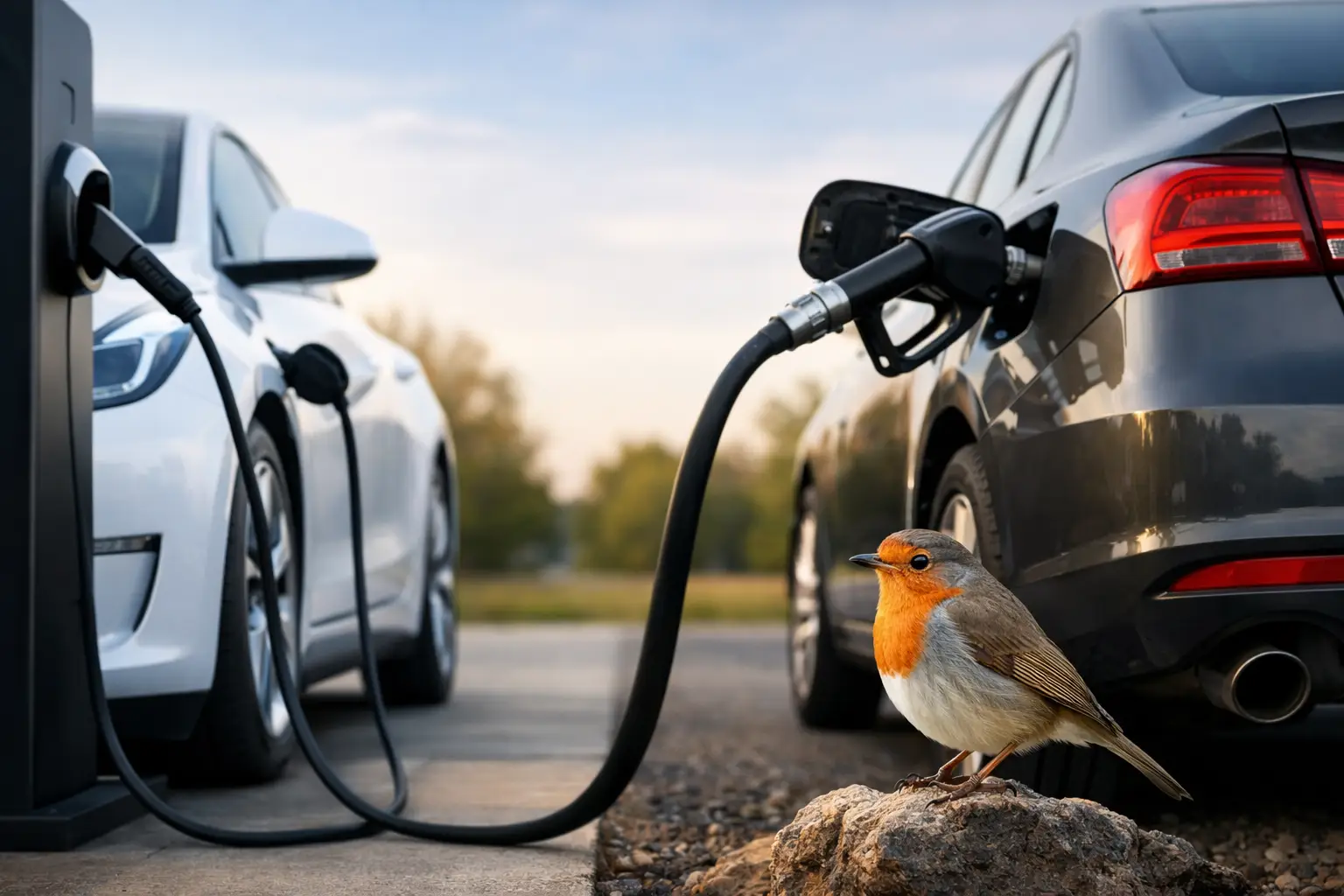
Electric vs gas cars starts with your routine
If you leave home every morning, drive 25 to 40 miles, and return to a place where you can charge overnight, an electric car can feel easy very quickly. That daily rhythm removes the biggest concern most shoppers have, which is charging. You are not hunting for a public charger every few days. You are topping up at home and starting each morning with a near-full battery.
Gas cars still hold the advantage for people whose schedules are less predictable. If you cover large distances without much warning, drive into rural areas often, or cannot reliably charge where you live, gasoline remains simpler. Five minutes at the pump is still hard to beat when flexibility matters more than efficiency.
This is where buyers can get tripped up by broad claims. A vehicle can be cheaper to operate, cleaner in city driving, and quieter on the road, yet still be the wrong fit if your housing setup makes charging a hassle. The most useful comparison is not abstract. It is based on your zip code, your mileage, and your parking situation.
Cost is more complicated than the window sticker
One of the biggest points in electric vs gas cars is purchase price. In many segments, EVs still cost more upfront than comparable gas models. That gap can shrink with incentives, lease deals, and falling battery costs, but shoppers still notice the sticker first.
The next layer is operating cost. Electricity is often cheaper than gasoline on a per-mile basis, especially if you charge at home and local utility rates are reasonable. EVs also have fewer moving parts, no oil changes, and generally less routine maintenance. Over time, that can offset part of the higher purchase price.
But savings are not automatic. Insurance can be higher on some electric models. Public fast charging can cost far more than home charging. Tire wear may increase because EVs are heavier and deliver instant torque. If battery replacement is ever needed outside warranty coverage, that can become a major expense, though for many owners this remains a long-term concern rather than an immediate one.
Gas cars bring a more familiar ownership model. Repairs are widely understood, mechanics are easy to find, and used inventory remains broad across price points. For budget-minded shoppers, especially in the used market, gas often still offers more choices with lower entry costs.
Range matters, but charging matters more
Range grabs headlines because it is easy to compare numbers. One EV might offer 250 miles, another 320, while a gas car can often travel 400 miles or more before refueling. Those figures matter, but in practice the bigger issue is how fast and how easily you can refill.
For daily drivers, EV range anxiety can fade once charging becomes routine. A car with 250 miles of range is more than enough for many households. Problems show up on road trips, in cold weather, or when charging stations are busy, broken, or poorly placed.
Gasoline remains the more resilient system for long-distance travel. Stations are common, fueling is quick, and route planning is minimal. Electric road trips are improving, but they still ask more from the driver. You may need to plan stops around charger availability, battery preconditioning, weather, and wait times.
That does not mean EV travel is impractical. It means convenience varies sharply by region. In some metro corridors, charging is easy and getting easier. In other areas, it can still feel patchy. That gap matters more than advertised range alone.
Performance and driving feel are different by design
Many first-time EV drivers notice the same thing within minutes: electric cars feel quick. Instant torque gives strong acceleration from a stop, and the cabin is usually quieter than a gas vehicle. Around town, that makes an EV feel smooth, calm, and modern.
Gas cars still offer a driving experience many people prefer, especially enthusiasts or buyers who value engine sound, lighter vehicle weight, and familiar refueling patterns. They also tend to perform more consistently in settings where charging access is uncertain or towing demands are heavy.
Weather can affect both types, but electric models are more sensitive to temperature extremes. Cold weather can reduce range, and very hot conditions can influence battery management. Gas cars are not immune to seasonal issues, yet their range and refueling patterns tend to change less dramatically.
Maintenance, repairs, and long-term ownership
Electric vehicles generally win the maintenance conversation in routine use. No oil changes, no spark plugs, fewer fluids, and less brake wear thanks to regenerative braking all help reduce service visits. For people who want fewer moving parts and less scheduled maintenance, that is a real benefit.
Long-term repair questions are where the picture gets less tidy. Battery durability has improved, and most automakers offer substantial battery warranties, but replacement costs remain a concern in the public mind. Repair networks for EV-specific issues are growing, though they are still less mature than the infrastructure around gas vehicles.
Gas cars ask for more regular maintenance, but the system around them is deeply established. Independent repair shops are everywhere. Parts are widely available. Used buyers and second owners often feel more confident because the technology is familiar and easier to price.
For drivers who keep a car for a very long time, both paths involve trade-offs. An EV may save money along the way but raise uncertainty around battery aging and resale. A gas car may cost more in fuel and service over the years but remain easier to repair almost anywhere.
Environmental impact is real, but not identical in every state
A lot of the public conversation around electric vs gas cars centers on emissions, and for good reason. EVs produce no tailpipe emissions, which is especially valuable in dense urban areas with air-quality concerns. They are also generally cleaner to operate over time, even when accounting for electricity generation and battery production.
Still, the climate benefit is not identical everywhere. An EV charged on a cleaner power grid has a stronger emissions advantage than one charged in a region still heavily dependent on fossil fuels. Battery manufacturing also carries a significant environmental footprint upfront.
Gas cars are straightforward in this respect. They burn fuel and emit carbon directly every time they are driven. Efficiency gains help, and hybrids improve the picture, but gasoline ownership remains tied to ongoing tailpipe emissions.
For many buyers, the environmental question is not all or nothing. It is one factor among many. Some will prioritize lower emissions even if charging takes planning. Others will choose the vehicle that best matches their current housing or budget and revisit the issue later.
Who should seriously consider each option
Electric vehicles make the most sense for drivers with predictable daily mileage, access to home charging, and a plan to keep fuel and maintenance costs low over time. They also fit buyers who want a quieter driving experience and are comfortable with route planning on longer trips.
Gas cars still make strong sense for people who rent, park on the street, travel long distances often, drive in areas with limited charging infrastructure, or need the lowest upfront cost in the used market. They also remain practical for households that want one vehicle to handle every possible scenario without charging logistics.
There is also a middle lane worth mentioning: hybrids and plug-in hybrids. For some shoppers, they answer the biggest pain points on both sides. A hybrid reduces fuel use without changing daily habits. A plug-in hybrid offers short electric commuting with gasoline backup for longer drives. Neither is a perfect substitute for a full EV, but both can be smart transition choices.
The most useful way to think about this market is not as a culture-war choice or a technology loyalty test. It is a transportation decision shaped by infrastructure, pricing, and routine. The right answer today may change in three years as charging expands, battery prices shift, and more used EVs enter the market.
If you are shopping now, ignore the loudest claims and start with your actual week: where you drive, where you park, what you spend on fuel, and how often you need flexibility on short notice. That is usually where the right car reveals itself.