A practical survival guide for anyone trying to buy a car in today’s brutal market.
Buying a used car in 2026 isn’t like it was ten years ago. Prices are higher, mileage is higher, and the good cars disappear faster than cheap airline tickets. If you’re shopping with a real‑world budget - roughly $3,000 to $6,000 - you’re not browsing. You’re hunting.
If you’ve already spent days scrolling listings, driving to lots, and watching every “good deal” vanish before you can even message the seller… you’re not alone. This guide is built from real experience in a tight market: the wins, the losses, the fatigue, and the strategies that actually work.
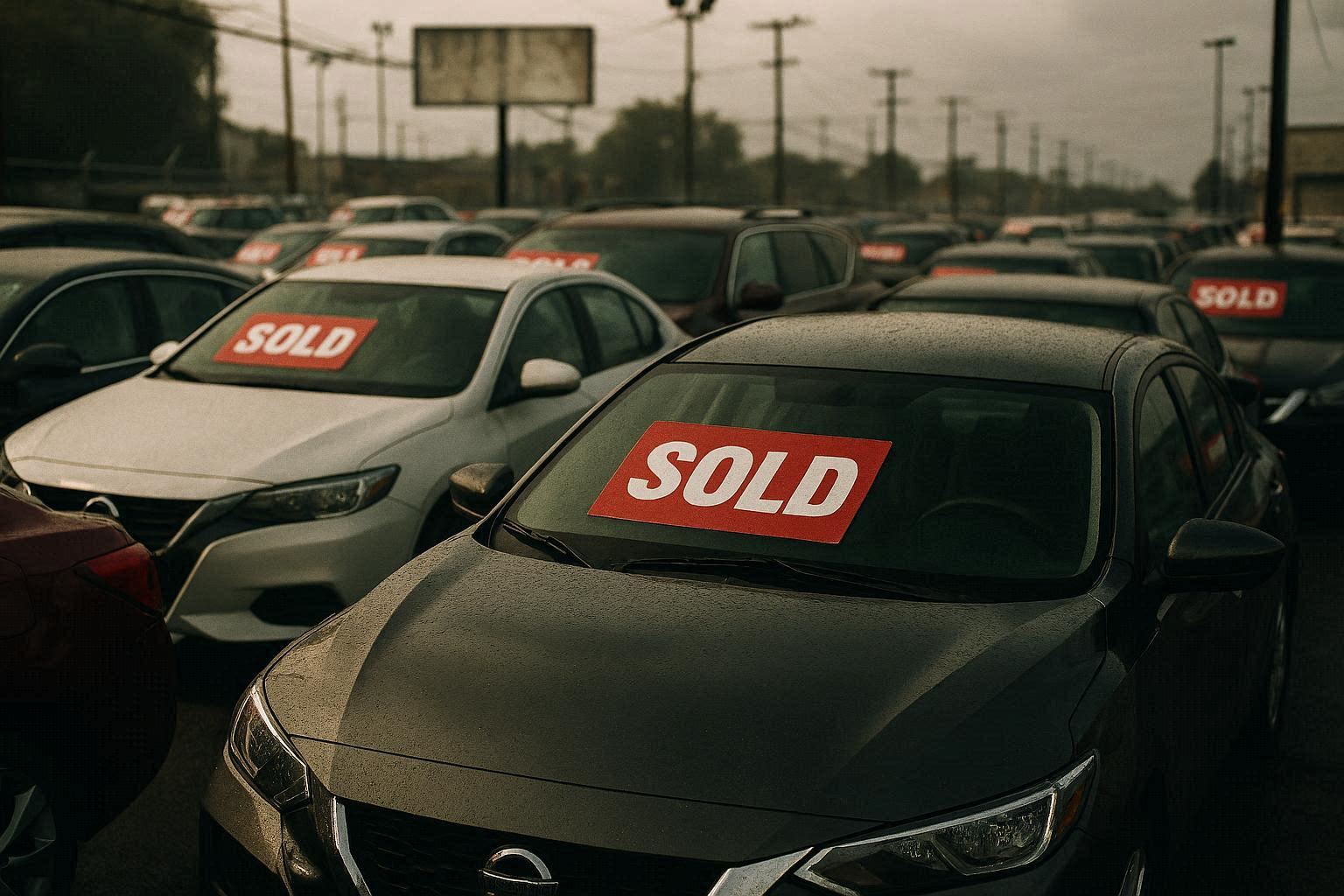
This isn’t theory. This is survival.
Table of Contents
1. Understanding the Used‑Car Market
The used‑car market today is shaped by three forces: scarcity, inflation, and competition. If you don’t understand these, you’ll blame yourself for things that aren’t your fault.
1.1 Sub‑$5,000 cars are disappearing
Ten years ago, $5,000 could buy a clean, low‑mileage Honda or Toyota. Today, that same budget often gets you:
- 150,000–220,000 miles
- Older model years (mid‑2000s to early‑2010s)
- More cosmetic wear and tear
- Fierce competition for anything “decent”
New car prices rose sharply, people held onto cars longer, and more buyers were pushed into the used market. The result: fewer cheap, good cars.
1.2 Higher mileage is the new normal
A 2008–2012 car with 180,000 miles used to sound scary. Now it’s normal, especially for long‑lasting brands like Toyota and Honda. Modern drivetrains can often go 200,000–300,000 miles with proper maintenance.
1.3 Good cars sell in hours, not days
A clean Corolla, Civic, or Fusion under $5,000 will often:
- Be posted in the morning
- Get dozens of messages by lunchtime
- Have multiple test drives the same day
- Be sold by evening
If you feel like you’re “too slow,” you’re probably not. The market is just fast.
1.4 Weekends are the worst time to shop
Just like airline tickets, timing is everything:
- Weekends: Maximum competition, emotional buyers, higher pressure.
- Monday–Thursday mornings: Fresh listings, fewer buyers, better odds.
- End of month: More trade‑ins hit dealer lots.
- Rainy or cold days: Fewer shoppers = more time and leverage.
1.5 Fewer private sellers, more trade‑ins
Many owners now trade in their cars instead of selling privately because:
- Dealers offer instant cash or credit toward a new car.
- People don’t want to deal with strangers or scams.
- Online marketplaces feel riskier.
That means fewer private listings and more competition for the ones that do appear.
2. Setting a Realistic Budget
A “$5,000 car” is not a $5,000 decision. It’s a car plus taxes, fees, and the repairs it’s been waiting to hand to its next owner.
2.1 The real cost breakdown
- Purchase price: $3,500–$6,000 (typical for a reliable sedan in many markets).
- Immediate maintenance: $300–$1,000 (fluids, filters, tires, brakes, etc.).
- Registration & taxes: Varies by state, but plan for a few hundred dollars.
- Emergency buffer: $300–$600 for the first surprise repair.
2.2 Decide your “walk‑away” number
Before you shop, decide:
- Your absolute max purchase price.
- How much can you reserve for repairs in the first 90 days?
- Whether you can handle a major repair (like a transmission) if it happens.
If a car eats your entire budget with no room for repairs, it’s not a safe choice, no matter how good it looks.
2.3 Don’t forget insurance
Older sedans with clean titles are usually cheap to insure with liability coverage. Hybrids and EVs can be more expensive to repair, which may affect premiums. Get a quick quote on the plate or VIN before you commit.
3. Choosing the Right Models
At a real‑world budget, the car you choose matters more than the color, trim, or tech. You want models with a track record of surviving high mileage with reasonable repair costs.
3.1 Safest bets for 4–5 years of use
- Toyota Corolla (mid‑2000s to early‑2010s)
Simple, ultra‑reliable, cheap parts, and easy to service are a top pick if you need something that starts every day. - Honda Civic (mid‑2000s to early‑2010s)
Reliable, efficient, and widely supported. Avoid heavily modified or “tuned” examples. - Toyota Camry (early‑2000s to late‑2000s)
Bigger and more comfortable than a Corolla, with similar reliability in 4‑cyl trims. - Ford Fusion (around 2008–2012, 4‑cyl)
Underrated. Often newer for the money than a Toyota or Honda. Look for the 2.5L 4‑cyl engine. - Hyundai Elantra (early‑2010s)
Lower resale values mean you can get a newer car for less. Good if you want something more modern.
3.2 Higher‑risk choices at low prices
- Early EVs (e.g., older Nissan Leaf) – Battery degradation can leave you with very limited range, and replacement packs are expensive.
- Plug‑in hybrids (e.g., early Chevy Volt) – Great when healthy, but high‑voltage battery or control module failures can be financially devastating.
- Luxury brands (BMW, Mercedes, Audi) – Cheap to buy, expensive to keep running.
- Some Nissans with CVT transmissions – Certain years are known for transmission failures that are costly to fix.
3.3 How to sanity‑check a model
- Search:
[year make model] reliability. - Look for patterns: transmission issues, engine failures, electrical problems.
- Check parts availability and typical repair costs.
4. Where to Shop
Where you look is just as important as what you look for. Each source has trade‑offs in price, risk, and convenience.
4.1 Private sellers
Pros:
- Often better prices than dealers.
- Direct access to the car’s history and previous owner.
- Less pressure and fewer fees.
Cons:
- No warranty or legal protections beyond your local laws.
- More risk of misrepresentation or incomplete maintenance.
- Requires more effort: scheduling, test drives, inspections.
4.2 Independent used‑car dealers
Pros:
- Larger selection in one place.
- They handle paperwork, title transfer, and sometimes basic reconditioning.
- Occasional short warranties or return windows.
Cons:
- Higher prices than private sellers.
- “As‑is” sales with no long‑term protection.
- Upsell pressure (warranties, add‑ons, financing).
4.3 Franchise dealers (Toyota, Honda, Ford, etc.)
These can be surprisingly good sources for older trade‑ins, especially if you ask the right questions.
Pros:
- Higher likelihood of documented maintenance.
- Some cars are inspected before sale.
- Occasional “wholesale to public” or “as‑is” bargains.
Cons:
- Sticker prices can be higher.
- Older, cheaper cars may not be advertised prominently.
Ask phrases like: “Do you have any older trade‑ins or as‑is vehicles under $6,000?”
5. Timing Strategies (Like Airline Tickets)
Used‑car shopping really does behave like hunting for cheap flights: the right deal appears at specific times, and you need to be ready when it does.
5.1 Best days and times
- Monday–Thursday mornings: New listings go up, fewer people are free to pounce.
- End of the month: More trade‑ins and dealers trying to hit sales targets.
- Bad weather days: Fewer shoppers means more time and less pressure.
5.2 Why taking breaks matters
Shopping while exhausted leads to bad decisions: skipping inspections, ignoring red flags, or overspending just to “be done.” Build in breaks. If you’re burned out, pause for a few days and come back with a clear head.
6. How to Inspect a Used Car
You don’t need to be a mechanic to catch obvious problems. All you need is a simple, repeatable checklist.
6.1 Five‑minute curbside check
- Walk around the car: look for mismatched paint, panel gaps, or obvious rust.
- Check tires: even wear, decent tread, no cords showing.
- Look under the car: any fresh fluid spots where it’s parked?
- Check all lights: headlights, brake lights, turn signals.
- Start the engine: listen for knocking, ticking, or rough idle.
6.2 Short test drive checklist
- Does it start easily, hot and cold?
- Does the transmission shift smoothly (no slipping, jerking, or long delays)?
- Does it track straight when you let go of the wheel briefly?
- Any vibrations at highway speeds?
- Any warning lights on the dash (check engine, ABS, airbag)?
6.3 When to get a pre‑purchase inspection
If the car passes your basic checks and you’re serious about buying it, pay a trusted mechanic for a pre‑purchase inspection. It’s one of the best investments you can make, especially on a tight budget.
7. Negotiation Tactics That Actually Work
You don’t need to be aggressive. You need to be clear, calm, and willing to walk away.
7.1 With private sellers
- Be respectful and direct. They’re attached to the car.
- Ask: “Is there anything you’d want to know if you were buying this car?”
- Use facts, not feelings: “The tires are worn, and the brakes are pulsing; I’d be at $X.”
- Have your max number in mind and don’t exceed it.
7.2 With dealers
- Know the market value of the car before you go.
- Be ready to walk away and actually do it if needed.
- Watch for add‑ons: extended warranties, protection packages, document fees.
- Ask for an out‑the‑door price, not just the sticker price.
7.3 Phrases that help
- “If we can get to $X out‑the‑door, I can buy today.”
- “I like the car, but I still need room in my budget for repairs.”
- “I appreciate your time. I’m going to think about it.” (Then leave if it’s not right.)
8. Common Scams and Red Flags
Most sellers are honest, but you only need one bad deal to wreck your budget. Here are the big warning signs.
8.1 Listing red flags
- Price far below market with no explanation.
- No photos of the interior or engine bay.
- Very vague description: “Runs great, no issues” and nothing else.
- Seller refuses to meet in person or dodges basic questions.
8.2 Title and paperwork issues
- Salvage or rebuilt title not clearly disclosed.
- Name on the title doesn’t match the seller’s ID.
- “Lost title” with a promise to mail it later.
8.3 Payment scams
- Requests for wire transfers, gift cards, or unusual payment methods.
- Pressure to pay a deposit before seeing the car.
- Third‑party “shipping” or “escrow” services you’ve never heard of.
9. Emotional Survival Guide
Shopping for a used car on a tight budget is emotionally heavy. You’re not just buying a vehicle; you are trying to secure your mobility, your work, and your daily life.
9.1 Expect the grind
- You will see cars that are too expensive.
- You will see cars that sell before you can get there.
- You will feel like you’re “behind” or “missing out.”
None of that means you’re doing it wrong. It means the market is tough.
9.2 Build in rest
Take days off from searching. Step away from listings when you’re frustrated. A tired buyer is more likely to ignore red flags or overspend just to be done.
9.3 Remember your goal
The goal isn’t the “perfect” car. It’s a reliable car that fits your budget and keeps you moving for the next few years. Perfection is expensive. Reliability is realistic.
10. Final Pre‑Purchase Checklist
Before you say yes, run through this quick list:
- Clean title in the seller’s name.
- VIN matches on the car, title, and any reports.
- No major warning lights on the dash.
- Test drive at both city and highway speeds.
- No obvious leaks, smoke, or severe noises.
- Price leaves room in your budget for repairs.
- You’re not buying out of panic, exhaustion, or pressure.
If you can check those boxes, you’re not just buying a used car; you are making a grounded, informed decision in a very unforgiving market.