If you follow skywatching headlines, you have probably seen the phrase lunar blue moon pop up around a full moon that seems to carry extra buzz. The catch is that a lunar blue moon is not a moon that turns bright blue, and it is not always the same thing people mean when they simply say blue moon. That mix of science, calendar timing, and popular usage is exactly why the term keeps drawing attention.
For readers tracking space news, weather events, and notable dates, this is one of those astronomy phrases that sounds simple but gets messy fast. Different outlets, almanacs, and astronomy explainers may use slightly different definitions. The good news is that the basic idea is easy to follow once you separate the modern popular meaning from the older seasonal one.
What does lunar blue moon mean?
In common use today, a blue moon usually means the second full moon in a single calendar month. If a month begins with a full moon on the first or second day, the lunar cycle can allow another full moon before the month ends. That second one gets labeled a blue moon.
The older definition is different. In traditional seasonal astronomy, a blue moon is the third full moon in a season that has four full moons instead of the usual three. A season here means the span between a solstice and an equinox, or between an equinox and a solstice.
So where does lunar blue moon fit in? In everyday media use, the phrase often acts as a general label for either kind of blue moon, especially when the story is focused on the moon as an astronomical event rather than a strict calendar term. That can be useful for broad audiences, but it also creates confusion because not everyone is talking about the same definition.
Why the lunar blue moon causes confusion
Part of the confusion comes from the fact that blue moon has a long history in folklore and calendar-keeping, while modern audiences usually meet the term through headlines, social posts, or astronomy calendars. One source may say a blue moon is the second full moon in a month. Another may insist the real definition is the third full moon in a season with four. Both are referring to recognized usage, but they are not interchangeable in a strict sense.
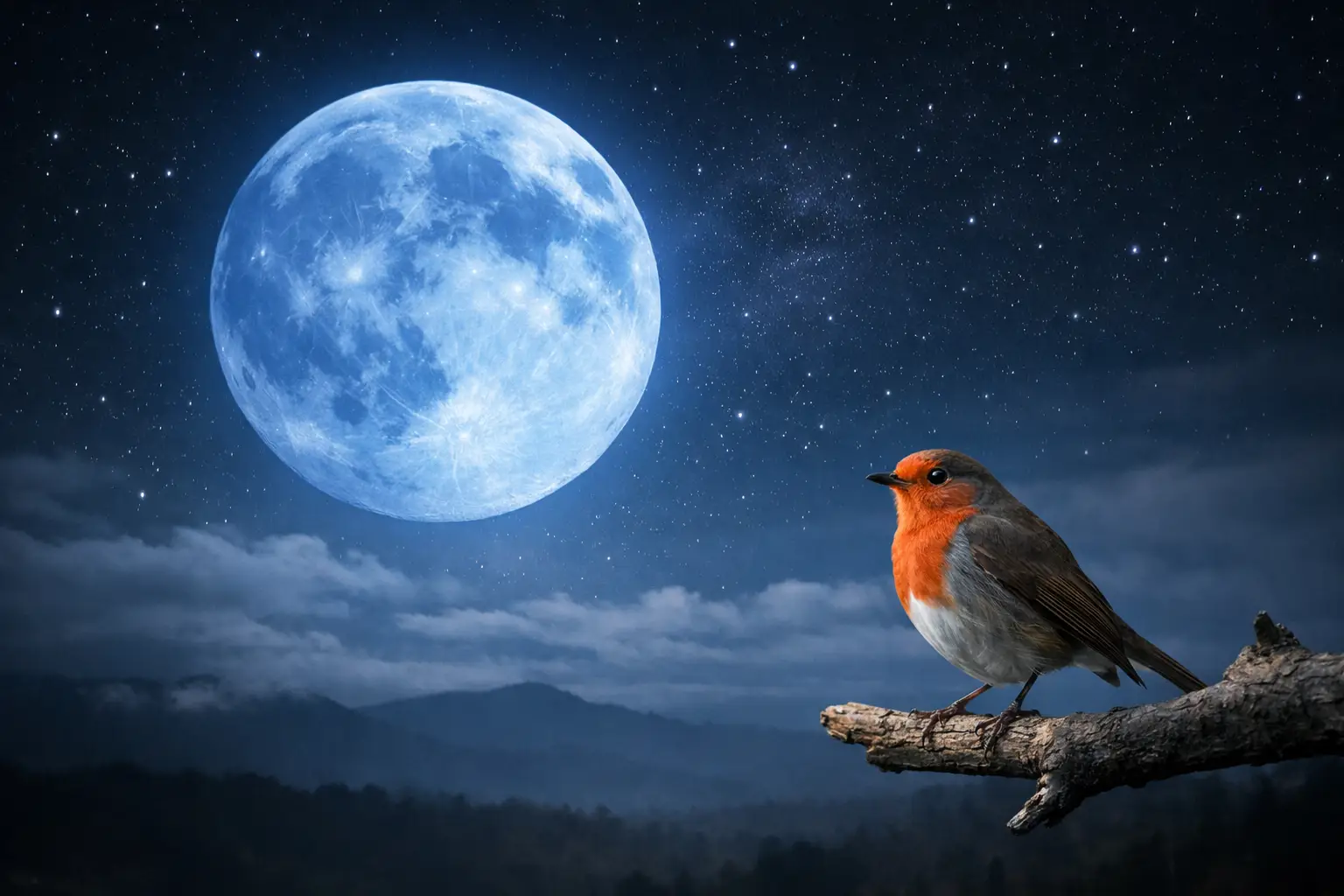
There is also the visual misunderstanding. Many readers assume a lunar blue moon should look blue in the sky. Most of the time it does not. The moon will usually look like any other full moon, with changes in color driven by atmosphere, smoke, dust, or the moon's position near the horizon, not by the blue moon label itself.
That gap between the name and the appearance is what keeps the phrase circulating in news coverage. It has the pull of a rare event, but it also needs a quick fact-check every time it returns.
The monthly definition most people know
The second-full-moon-in-a-month version became the best-known meaning in mainstream culture. It is simple, easy to print on calendars, and easy to explain in short news updates. Because the lunar cycle is about 29.5 days long, a month can occasionally fit two full moons, especially longer months like August, March, May, July, October, December, and January.
This version is now deeply rooted in public awareness. If you see a broadcast teaser or a trending topic about a blue moon, there is a good chance it refers to this monthly definition. For general audiences, that matters more than dictionary debates because people want to know when to look up and why the event stands out.
The trade-off is accuracy versus familiarity. A quick headline may favor the monthly definition because readers recognize it immediately. A more technical astronomy source may take the extra step to explain that the seasonal definition came first.
The older seasonal blue moon definition
The seasonal definition has stronger roots in traditional almanac use. In a typical season, there are three full moons. But because lunar cycles and seasonal markers do not line up perfectly, a season can sometimes include four. In that case, the third full moon is called the blue moon.
Why the third and not the fourth? Calendar naming systems for full moons were tied to agriculture, weather patterns, and religious observances. Assigning the extra full moon to the third slot helped preserve the expected names and timing of the later moon in the season. That made practical sense for older calendar systems.
For readers trying to sort the two meanings, this is the key point: the seasonal blue moon is older, but the monthly blue moon is more common in modern conversation.
Does a lunar blue moon look different?
Usually, no. A lunar blue moon does not get its name from color. It is a timing event, not a visual effect.
That said, the moon can sometimes appear bluish under rare atmospheric conditions. Large volcanic eruptions, wildfire smoke, or unusual particles in the air can scatter red wavelengths and change the moon's apparent color. This is rare and separate from the blue moon definition.
More often, people notice a full moon looking yellow, orange, or deep gold near the horizon. That happens because of the way Earth's atmosphere filters light. Once the moon rises higher, it often appears whiter.
So if a headline promises a lunar blue moon, expect a regular full moon with extra calendar interest, not a dramatic sapphire-colored sky event.
Why blue moons are considered rare
The phrase once in a blue moon survives because these events do not happen often. A monthly blue moon shows up every two or three years on average. Seasonal blue moons also occur on a similar rough timescale, though not on the same schedule.
Rare does not mean once-in-a-lifetime. It means uncommon enough to feel special, especially for casual skywatchers who may not track every lunar phase. In the nonstop cycle of weather alerts, eclipse updates, meteor shower forecasts, and planetary alignments, a blue moon has staying power because it is easy to understand and easy to share.
It also lands well with broad news audiences. You do not need a telescope, specialized gear, or advanced astronomy knowledge. If skies are clear, you just step outside and look up.
Lunar blue moon in news coverage and public interest
A topic like lunar blue moon fits the way many readers consume science and space content today. They want a quick answer, a reliable explanation, and enough background to separate fact from hype. That is why this term often appears across weather reports, science segments, local event listings, livestream coverage, and public observatory calendars.
For a broad-interest platform such as RobinsPost, it is the kind of subject that crosses categories. It touches science, lifestyle, events, photography, travel planning, and even social media trends. A rare moon event can become both a skywatching story and a practical planning item for readers who want the best evening to be outdoors, take photos, or follow live coverage.
This broad appeal also explains why the terminology gets stretched. General news coverage often prioritizes speed and accessibility. Astronomy specialists may care more about precise definitions. Both approaches serve different audiences, and the gap between them is where most confusion starts.
How to watch a lunar blue moon
You do not need much preparation. Check the date and local moonrise time, then look for clear skies. The moon will appear full to the eye for more than one night, but the official full moon happens at a precise moment.
If you want the best view, start near moonrise. A full moon close to the horizon often looks larger because of the moon illusion, and landmarks can make photos more dramatic. Later in the night, the moon climbs higher and can look sharper in a darker sky.
Binoculars help if you want more detail, though the full moon can appear almost too bright through some optics. Smartphone photos can work, but dedicated cameras with manual settings usually capture more texture. It depends on whether you want a simple memory shot or a cleaner astronomical image.
Why the term still matters
The lunar blue moon matters less because it changes the moon itself and more because it shows how science terms evolve in public use. It is a reminder that astronomy is not only about objects in space. It is also about the calendars, traditions, and language people build around what they see in the sky.
That makes blue moon coverage more than trivia. It is a small but useful example of how old definitions, popular media, and public curiosity interact. Some readers want the historical version. Others just want to know when the second full moon appears and whether it is worth watching. Both questions are fair.
The next time a lunar blue moon makes headlines, treat it as a good excuse to pause for a night and pay attention. Even when the moon looks ordinary, the habit of looking up is still worth keeping.