Every June, Pride Month LGBTQ coverage moves to the front of the public conversation - from city parades and community fundraisers to school debates, workplace campaigns, and global news updates. For many readers, the challenge is not finding Pride content. It is sorting signal from noise and understanding what the month actually represents beyond rainbow branding and headline moments.
Pride is both a public celebration and a civic marker. It recognizes LGBTQ identity, visibility, rights, culture, and ongoing struggles that still shape daily life in the United States and far beyond it. That broad scope is exactly why Pride can feel different depending on where you live, what news you follow, and whether you are joining as a community member, ally, parent, employer, student, or simply a reader trying to stay informed.
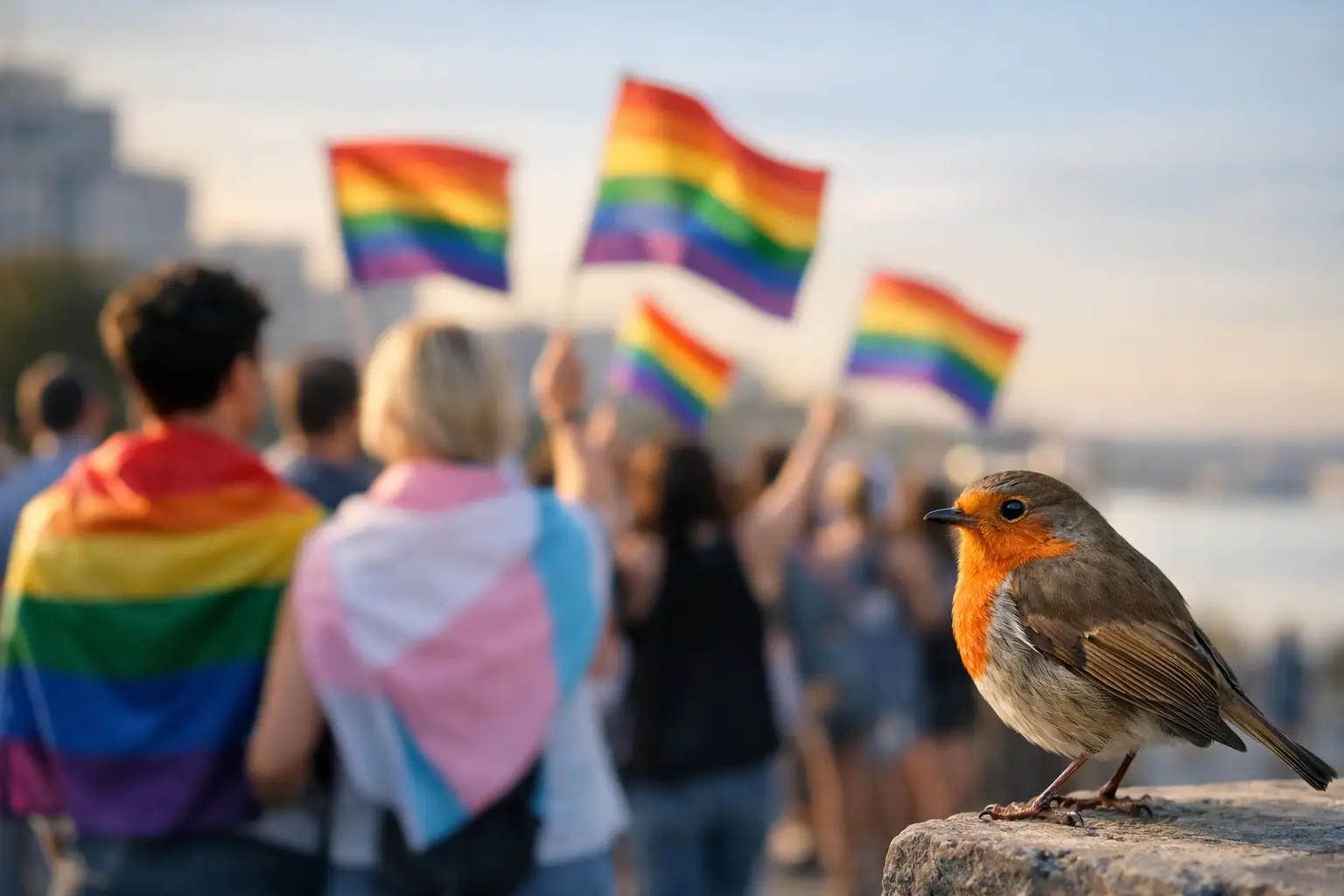
Why Pride Month LGBTQ still matters
Pride Month began as a remembrance of resistance. Its modern roots are tied to the 1969 Stonewall uprising in New York City, when police raids on a gay bar sparked days of protest and became a defining moment in LGBTQ activism. Over time, annual marches and memorial events evolved into the Pride festivals, policy campaigns, and cultural programming now seen across many cities.
That history matters because Pride was not created as a marketing season. It grew from demands for safety, recognition, and equal treatment under the law. Those issues have not disappeared. Legal protections have expanded in some places and narrowed in others. Public acceptance has grown, yet backlash remains strong around schools, health care, libraries, sports, and public expression.
For a general news audience, this is where Pride becomes more than a calendar event. It is a live public-interest topic that overlaps with politics, health, education, religion, entertainment, business, travel, and family life. Readers looking at Pride Month LGBTQ stories are often tracking more than celebrations. They are also watching court rulings, state legislation, corporate messaging, hate-crime reports, youth mental health concerns, and local community response.
Pride is not one story
One reason Pride coverage can feel fragmented is that LGBTQ communities are not a single bloc with one shared experience. Lesbian, gay, bisexual, transgender, queer, and other identity groups may overlap, but their priorities can differ. A transgender teenager facing school policy changes is dealing with a different reality than a married same-sex couple attending a parade with their children. An older adult who lived through the AIDS crisis may view Pride through a very different lens than someone coming out today on social media.
Geography also changes the picture. In major urban centers, Pride often appears as a large-scale public event with sponsors, music acts, and broad media attention. In smaller towns, it may take the form of a community picnic, a church gathering, a library display, or a tightly organized security-conscious march. Internationally, the contrast can be even sharper. In some countries, Pride is celebrated openly. In others, it is restricted, policed, or dangerous.
That is why broad coverage works best when it leaves room for local context. Readers benefit from seeing both the big national story and the smaller community-level realities that define how Pride is experienced on the ground.
The gap between celebration and activism
Pride can be joyful, and that matters. Festivals, performances, art shows, and parades create visibility and connection. They also offer many people their first experience of seeing LGBTQ identity treated as normal, public, and valued rather than hidden or stigmatized. That visibility has practical effects, especially for young people and families searching for community.
Still, the celebratory side of Pride sometimes creates tension. Critics within the LGBTQ community often point to over-commercialization, especially when brands adopt rainbow messaging in June but stay silent the rest of the year. Others argue that highly polished corporate sponsorship can crowd out grassroots groups, mutual-aid work, and harder conversations about poverty, homelessness, race, health access, and anti-trans legislation.
Both points can be true at once. Large sponsors can help fund events, expand reach, and support nonprofit work. At the same time, visibility without follow-through can feel hollow. The real test is whether support continues after June and whether institutions back their messaging with policies, funding, employee protections, and public consistency.
How communities mark Pride Month LGBTQ
For readers scanning event listings and news feeds, Pride shows up in several forms. Public parades remain the most visible, but they are only one part of the month. Museums host history programs. Libraries feature banned or challenged books by LGBTQ authors. Schools and universities run talks and student events where local policy allows. Employers organize internal discussions, volunteer drives, and benefit reviews. Health groups provide screenings, education, and outreach.
Faith communities also play a role, though not always in the same direction. Some congregations use Pride to publicly affirm LGBTQ members and families. Others continue to debate inclusion, creating another layer of local news and personal impact.
Digital coverage has expanded Pride even further. Livestreams, short-form video, creator commentary, and rolling event updates now make it possible for people to follow Pride from almost anywhere. For a discovery-focused platform like RobinsPost, that matters because readers are often looking for a mix of live coverage, public-interest reporting, cultural context, and practical information in one place.
What readers should watch in current Pride coverage
The strongest Pride reporting does more than spotlight parade routes and celebrity appearances. It tracks the issues shaping real lives. Health care access remains one of the most urgent topics, especially for transgender people and LGBTQ youth. Education policy is another. Battles over curriculum, school clubs, pronoun use, and book access continue to drive headlines and local tension.
Workplace rights also deserve attention. Many employers now promote inclusion publicly, but workers still face uneven protections depending on industry, location, and company culture. Housing insecurity and homelessness among LGBTQ youth remain undercovered compared with more visible Pride content. So do elder care concerns for older LGBTQ adults, many of whom face isolation or fear discrimination in later-life services.
Then there is safety. Public events can be affirming, but organizers increasingly plan around protest activity, online harassment, and security risks. That does not mean Pride is defined by danger, but it does mean readers should understand the planning and pressure behind these events rather than seeing only the final polished images.
How brands and institutions can show up credibly
For businesses, schools, nonprofits, and public agencies, Pride is often a test of credibility. Audiences are quick to spot the difference between symbolic support and meaningful action. If an organization promotes Pride externally, people will naturally look at its internal record. Does it support inclusive hiring? Does it protect employees from discrimination? Does it offer relevant benefits? Does it engage LGBTQ communities outside a single marketing window?
There is no single checklist that fits every institution. A local library, a national retailer, and a city agency all operate differently. But the principle is simple: public messaging should match real behavior. If that alignment is missing, Pride campaigns can generate more skepticism than goodwill.
For media platforms and news hubs, the standard is similar. Useful Pride coverage should be accessible, current, and broad enough to reflect the many angles of the story. That means balancing event updates with legal developments, social trends, public reaction, and lived experience.
A better way to engage with Pride
If you are reading Pride coverage as an ally or general news consumer, the most useful approach is curiosity paired with care. Follow local developments, but do not assume your local picture reflects the whole country. Pay attention to who is being centered in the coverage and who is being left out. Ask whether a story is only about branding, or whether it shows the policies and people behind the public message.
If you plan to attend an event, look beyond the parade schedule. Community drives, health programs, arts events, and educational forums often tell you more about a place than its biggest headline gathering. If you are evaluating a company or institution during Pride, check for year-round consistency rather than June-only visibility.
Pride remains one of the clearest examples of how culture, politics, business, and community life meet in public view. That is why it keeps generating strong attention and strong debate. For readers trying to make sense of it, the most reliable path is not louder opinions. It is wider context, better sourcing, and a willingness to see Pride as both celebration and unfinished work.
The most helpful way to approach Pride this month is to keep looking past the surface - because the real story is not just who shows up in rainbow colors, but who is supported when the banners come down.