By the time the stanley cup 2026 final arrives, the NHL calendar will have already filtered months of hype into one thing that matters - four wins. That is the draw every spring: all the trade talk, hot streaks, injuries, coaching tweaks, and goaltending debates suddenly become much easier to measure when one series decides the season.
For fans following the race early, the challenge is that no final exists in a vacuum. The matchup is shaped by the regular season, the trade deadline, first-round attrition, and the way contenders handle pressure over two months of playoff hockey. If you are tracking the stanley cup 2026 final ahead of time, the smart approach is less about trying to guess one exact pairing and more about identifying the conditions that usually produce a champion.
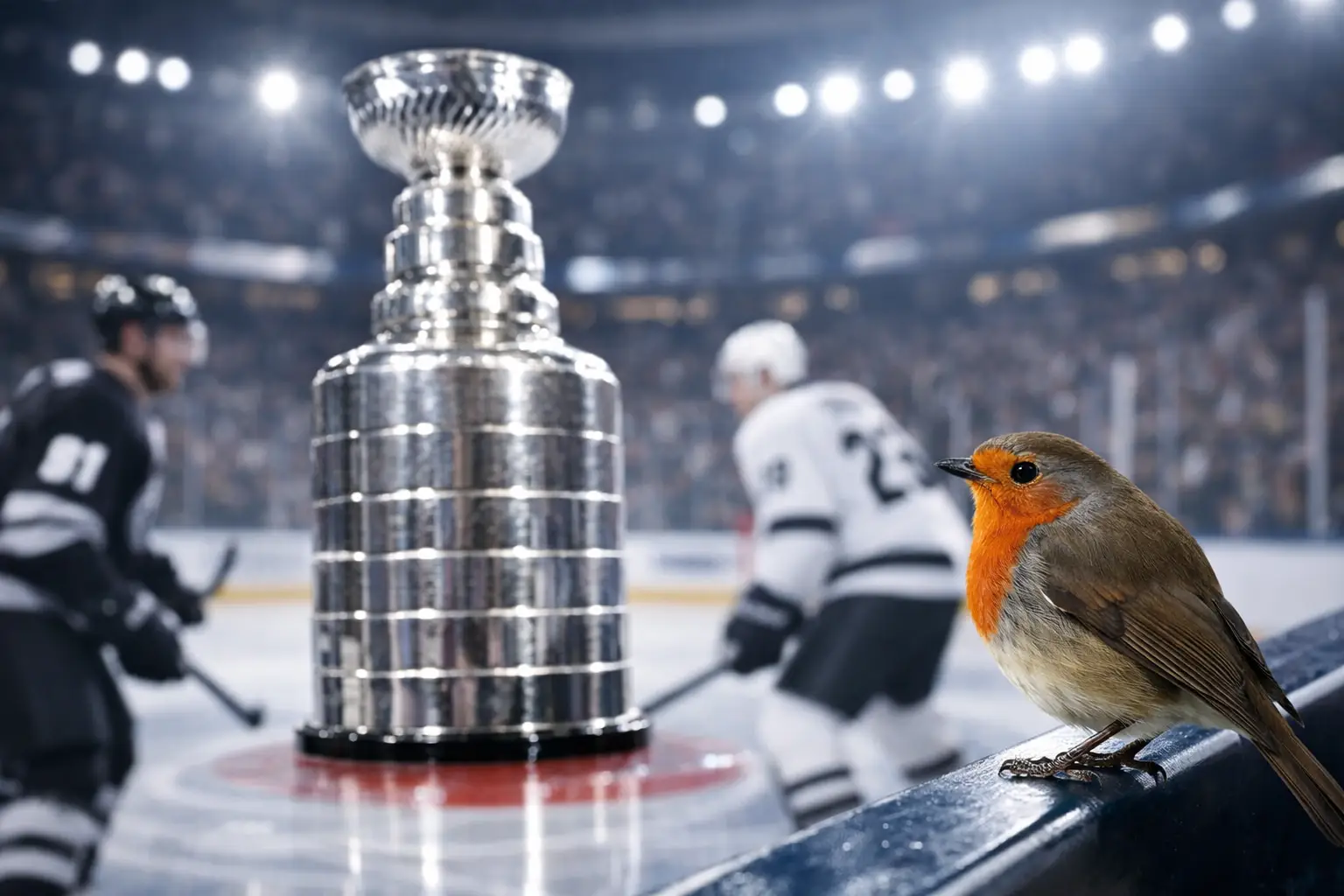
Stanley Cup 2026 final outlook
The first thing to watch is conference strength. Some seasons, the path out of one conference is so demanding that the eventual finalist arrives battle-tested but worn down. In other years, a team can emerge with more health, better rest, and a cleaner rotation in goal. That difference matters in June, when depth can look as valuable as star power.
The modern NHL also rewards teams that can win in more than one style. A club that relies only on rush scoring may look dangerous through the winter but can stall in the postseason when space disappears. The teams that reach the final usually defend cleanly through the neutral zone, survive low-event games, and still have enough finishing talent to punish mistakes.
Goaltending remains the swing factor that can turn a good playoff team into a champion. Elite netminding does not guarantee a title, but shaky play in goal usually gets exposed by the conference final or sooner. When fans build an early shortlist for the stanley cup 2026 final, they should start with teams that either have a proven playoff starter or a structure strong enough to protect an emerging one.
What usually decides the Stanley Cup 2026 final
The final is often framed as stars versus depth, but the truth is that winners tend to have both in the right proportion. Top-line production matters because elite talent can break close games. At the same time, a long series often swings on the third line, the second defense pair, or a power-play adjustment that changes one period and, from there, the whole matchup.
Special teams can be overstated during the regular season and understated in the playoffs. Penalty counts often drop, so one power-play goal can carry outsized weight. A club with a dangerous first unit and disciplined penalty killing enters the final with a real edge, especially if five-on-five chances are limited.
There is also the physical toll. By the time a team reaches the championship round, almost nobody is fully healthy. That is why roster construction matters so much. Teams with mobile defensemen, reliable bottom-six forwards, and a coaching staff willing to trust more than one line usually age better over a long playoff run.
The goaltending question
Every final seems to revive the same discussion: does a team need a superstar goalie, or just timely saves? The honest answer is that it depends on the roster in front of him. Some champions win with a goalie playing at a Conn Smythe level. Others win because their defensive structure limits second chances and dangerous rebounds.
For 2026, watch for teams whose goaltenders can manage momentum swings. The final is rarely a smooth series. There are bad bounces, quick turnarounds, and games where one early goal changes everything. A goalie who settles those moments can alter the tone of an entire matchup.
Health and schedule pressure
Travel, overtime games, and short recovery windows all add up by the final. This is where playoff mileage becomes more than a talking point. A veteran core may handle the stage better, but younger teams sometimes look fresher and faster if they avoid a brutal route through the first three rounds.
That trade-off is one of the hardest things to evaluate. Experience helps with composure, yet exhaustion can erase that advantage. The best finalists usually combine a playoff-tested spine with enough speed and depth to keep playing their preferred game late into June.
Likely storylines heading into the final
One likely storyline around the stanley cup 2026 final will be whether the league's established contenders still control the path or whether a newer group has closed the gap. Recent NHL seasons have shown how quickly the contender map can change. A team that looked one move away in January can be out in the first round, while a club that barely grabbed a playoff spot can catch form at the right time.
Another major angle will be the pressure on star players. The deeper a franchise goes without winning, the louder the questions become. Fair or not, legacies in hockey still get tied to playoff moments. That means every top center, No. 1 defenseman, and starting goalie on a contender will be measured not by point totals alone, but by how they perform when the series tightens.
Coaching decisions will matter too. In the final, systems are familiar within a game or two, so adjustments become highly visible. Line matching on the road, zone exits under pressure, faceoff deployment, and timeout timing may sound small, but they often shape one-goal games. Fans watching closely know that the biggest change in a series is not always a lineup switch. Sometimes it is one tactical tweak repeated well.
How fans can follow the Stanley Cup 2026 final
For a broad audience, the easiest way to keep up with the stanley cup 2026 final is to track three layers at once: live game coverage, postgame analysis, and short-form video updates. Live viewing gives the emotion and momentum. Postgame reporting helps explain why a team controlled possession, why a coach shortened the bench, or why one matchup started to tilt. Short video clips then fill in the moments that define public reaction the next morning.
This is also a series where schedule awareness matters. The final can feel spread out because of travel and broadcast windows, so momentum between games often gets shaped by media availability, injury reports, and lineup speculation. A strong news hub helps because fans are not only following scores. They are following the conversation around the scores.
For readers who like a one-stop update flow, this is the type of event where aggregated coverage becomes practical. Instead of checking separate places for previews, clips, and game reactions, many fans prefer a single destination that collects the latest developments and makes the series easier to monitor.
Teams built for a 2026 title run
It is risky to treat any preseason favorite as a lock for the final, but certain team traits travel well into late playoff rounds. Clubs with a true No. 1 center, a defense pair that can handle heavy minutes, and enough secondary scoring usually remain in the conversation the longest. Add stable goaltending, and the profile starts to look legitimate rather than theoretical.
Still, there are trade-offs. High-skill teams can dominate puck possession but struggle if opponents slow the game down and turn every night into a board battle. Heavier teams can thrive in those games but sometimes have trouble chasing speed if they fall behind in a series. The final often becomes a test of which weakness is easier to hide.
That is why predictions around the stanley cup 2026 final should stay flexible well into the postseason. The league is too balanced, and the playoff format is too punishing, for any single script to hold for long. Smart forecasting means watching form, matchups, and health in real time rather than clinging to October assumptions in June.
Why this final will matter beyond one champion
Every Stanley Cup Final does more than crown a winner. It resets expectations across the league. Front offices study the champion's roster build. Coaches borrow tactical details. Fans reevaluate what kind of team can actually survive four rounds.
The 2026 edition should do the same. Whether the winner is a long-established contender or a team arriving ahead of schedule, the result will influence trade-deadline thinking, coaching hires, player value debates, and the way the next season gets framed. For casual fans, it is the biggest series on the hockey calendar. For the league, it is also a blueprint exercise.
If you are following the stanley cup 2026 final from the first rumor to the last handshake line, keep an eye on the basics that hold up every year: health, goaltending, depth, and composure under pressure. The names may change, but those factors keep showing up when the trophy is finally in the building.