If you wait until the afternoon of July 4 to figure out where to go, you usually end up in the same place as everyone else - inching toward a full parking lot, checking weather apps, and wondering whether the fireworks will start late. The best july 4th events are rarely just about the finale. They are about timing, crowd flow, local rules, and picking the kind of celebration that actually fits your day.
That matters more now because Independence Day coverage has expanded far beyond one nighttime fireworks show. In many cities, the holiday runs as an all-day schedule with road races, pancake breakfasts, historic reenactments, family zones, waterfront concerts, drone displays, baseball promotions, and late-evening live music. For readers scanning event coverage, videos, and local updates in one place, the challenge is not finding options. It is sorting through which events are worth your time.
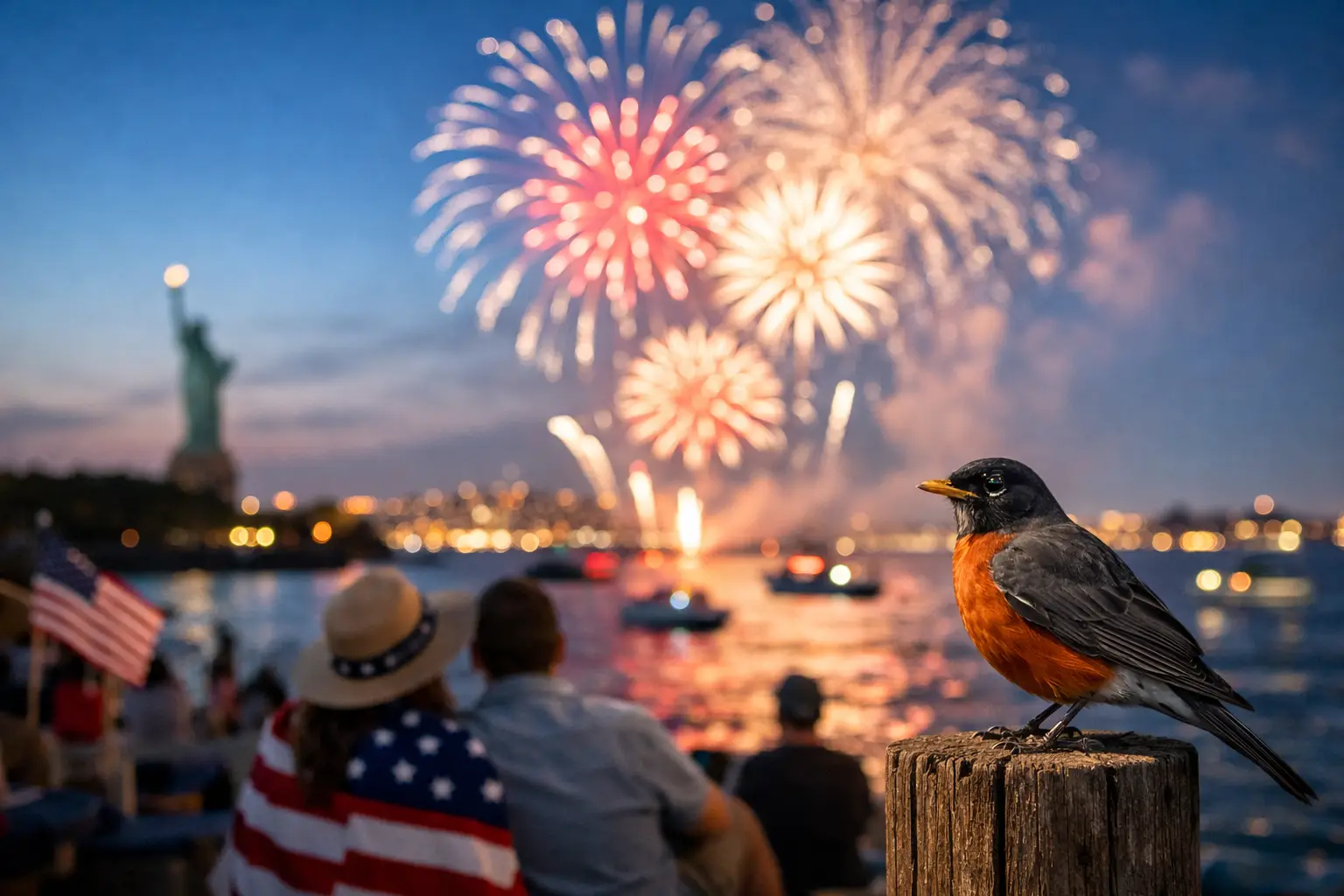
What makes july 4th events worth attending
A good event is not always the biggest event. Large metro fireworks displays can deliver the most dramatic skyline photos, but they also bring the longest transit delays, the strictest entry rules, and the most unpredictable viewing conditions if you arrive late. Smaller community celebrations often trade spectacle for convenience. That can be a smart exchange if you are traveling with children, older relatives, or anyone who has no interest in standing shoulder to shoulder for hours.
The strongest July 4 schedule usually has a full-day rhythm. A parade in the morning, a food festival in the afternoon, and fireworks after sunset gives people room to participate without treating the holiday like a single two-hour block. Events that spread activity across multiple sites also tend to reduce crowd pressure, even if the overall turnout is high.
Another sign of quality is coordination. Cities and organizers that publish transit changes, cooling stations, bag policies, rain plans, and accessibility guidance are usually easier to navigate on the day. Flashy advertising can attract attention, but practical information is what makes a public event actually work.
The main types of july 4th events
Fireworks are still the headline attraction, but they are no longer the whole story. In many areas, a parade remains the most local expression of the holiday. These events are often less expensive to attend, easier to access, and better for people who want a shorter outing. They also create a stronger neighborhood feel than large destination shows.
Concerts and live entertainment have become a bigger part of July 4 programming. Some cities bring in major touring acts, while others rely on regional bands, orchestras, or military ensembles. The trade-off is simple: ticketed concerts may offer better crowd control and amenities, but free public performances usually bring the broader community turnout many people want from the holiday.
Food festivals, carnivals, and park-based family celebrations are also pulling more attention. These can be the best option for households trying to fill an entire day rather than just watch fireworks at night. The downside is that these events sometimes feel more like a summer fair with patriotic branding than a true Independence Day program. Whether that matters depends on what you want.
Then there are newer alternatives, especially drone shows. They appeal to communities dealing with drought restrictions, fire risk, environmental concerns, or pet-related complaints about noise. Drone displays can be visually creative, but many attendees still see them as a partial substitute rather than a full replacement for fireworks. Expectations matter here. If you are hoping for the traditional booming finale, a drone-only event may feel underpowered. If you want a quieter, more controlled experience, it may be exactly right.
How to choose the right event for your group
The most common planning mistake is choosing based on name recognition alone. A famous city event sounds appealing until you realize you need to leave home at 2 p.m. for a 9 p.m. fireworks show. That may be fine for visitors building a full holiday outing. It is less ideal for families with small children or anyone who wants a lower-stress day.
Start with your non-negotiables. If parking is essential, eliminate downtown events with major street closures. If you need stroller access, avoid routes with steep hills, grass-only seating, or unclear entry points. If your group cares more about atmosphere than scale, a town green concert and local fireworks display may beat a major waterfront production.
It also helps to decide whether you want movement or one base location. Some July 4 celebrations reward people who like wandering from vendor areas to music stages to kids' activities. Others are basically a wait-for-darkness event. Neither approach is better, but they create very different days.
Weather should shape your choice as well. In extreme heat, events with shade, indoor access nearby, water refill stations, and earlier start times are easier to handle. A beautiful fireworks poster does not tell you whether you will be sitting on blacktop for four hours.
Planning around traffic, safety, and timing
The biggest advantage goes to people who treat July 4 like a live event day, not a casual evening errand. Roads close earlier than many visitors expect. Public transit may run altered schedules. Rideshare pickup areas can become chaotic after the show. If you plan to leave right after fireworks, remember that thousands of people have the same idea.
Arriving early solves more problems than almost any other tactic. It gives you better viewing, easier parking, shorter food lines, and a backup window if rules change at the gate. It also gives families time to reset. Someone always needs sunscreen, water, a restroom, or a break from the crowd.
Safety planning is just as practical. Check whether personal fireworks, grills, coolers, glass bottles, tents, or large bags are prohibited. Many public events now use tighter security screening, and local enforcement can be stricter than it appears on promotional flyers. If you are traveling with kids, choose a meeting point before the event begins. Cell service can get unreliable in packed downtown zones and waterfront areas.
For readers following rolling updates, this is where an always-on coverage model helps. Local event pages, live reports, and video streams can surface weather delays, route changes, or crowd alerts faster than static event listings. That kind of update flow matters most on holidays, when schedules can shift in real time.
Fireworks are not always the best seat in town
It sounds backward, but the best july 4th events are sometimes the ones that treat fireworks as the closing act, not the entire product. A great park celebration with solid food options, local performances, and enough space to breathe can be more satisfying than a world-class fireworks show seen from three blocks away behind a tree line.
That is especially true in destination cities. Big-name displays generate excitement, but they often demand an all-day commitment and plenty of patience. Smaller suburbs and neighboring towns may offer a more relaxed experience, decent viewing, and easier exits. If your goal is enjoyment rather than bragging rights, less famous can be better.
There is also a difference between events designed for residents and those designed for visitors. Resident-focused celebrations tend to be more practical. Visitor-focused events may deliver stronger spectacle and better tourism packaging, but they can also feel more crowded and less flexible.
Where local coverage becomes most useful
July 4 is one of those holidays where broad national interest meets highly local decision-making. Everyone is looking for the same categories - fireworks, parades, concerts, road closures, weather concerns, family activities - but the answer depends entirely on where they are. That is why discovery-based news and event coverage works so well for this topic.
A broad platform such as RobinsPost can help readers move quickly across updates, video coverage, and feature-style information without relying on a single source. For a holiday built around changing schedules and regional differences, that kind of range is practical.
The smartest approach is to check event details close to the date, then check again on the day itself. Cities sometimes revise launch times, move concerts, restrict parking, or cancel fireworks because of wind and fire conditions. Static plans are helpful, but live information is better.
A better way to think about July 4
The holiday works best when you match the event to the experience you actually want. Some people want the biggest fireworks in the region. Others want a parade, a lawn chair, and enough room for the kids to run around before dark. Both are valid, and both can be the right call depending on your day.
Instead of chasing the loudest listing, look for the event that gives you the least friction and the most enjoyment. A smoother holiday usually comes from better fit, not bigger crowds. If your plans leave room for comfort, timing, and real-time updates, your July 4 is more likely to feel like a celebration than a logistical test.
When the day gets busy, the best choice is often the one that lets you spend less time navigating and more time actually being there.