The busiest comic con 2026 events are not just places to buy a signed comic or spot a favorite actor. They are large-scale fan gatherings with ticket queues, limited hotel rooms, premiere news, gaming demos, artist showcases, cosplay meetups, and a fast-moving schedule that can change right up to opening day. For attendees, the smart move is to follow the official calendar early, then make plans that leave room for updates.
For readers tracking entertainment news, these conventions can also be major announcement hubs. A panel schedule may reveal a new series, a movie cast, a game release window, or a publishing relaunch before the news travels across the wider web. The biggest events attract global attention, but regional shows can deliver a more affordable and personal experience.
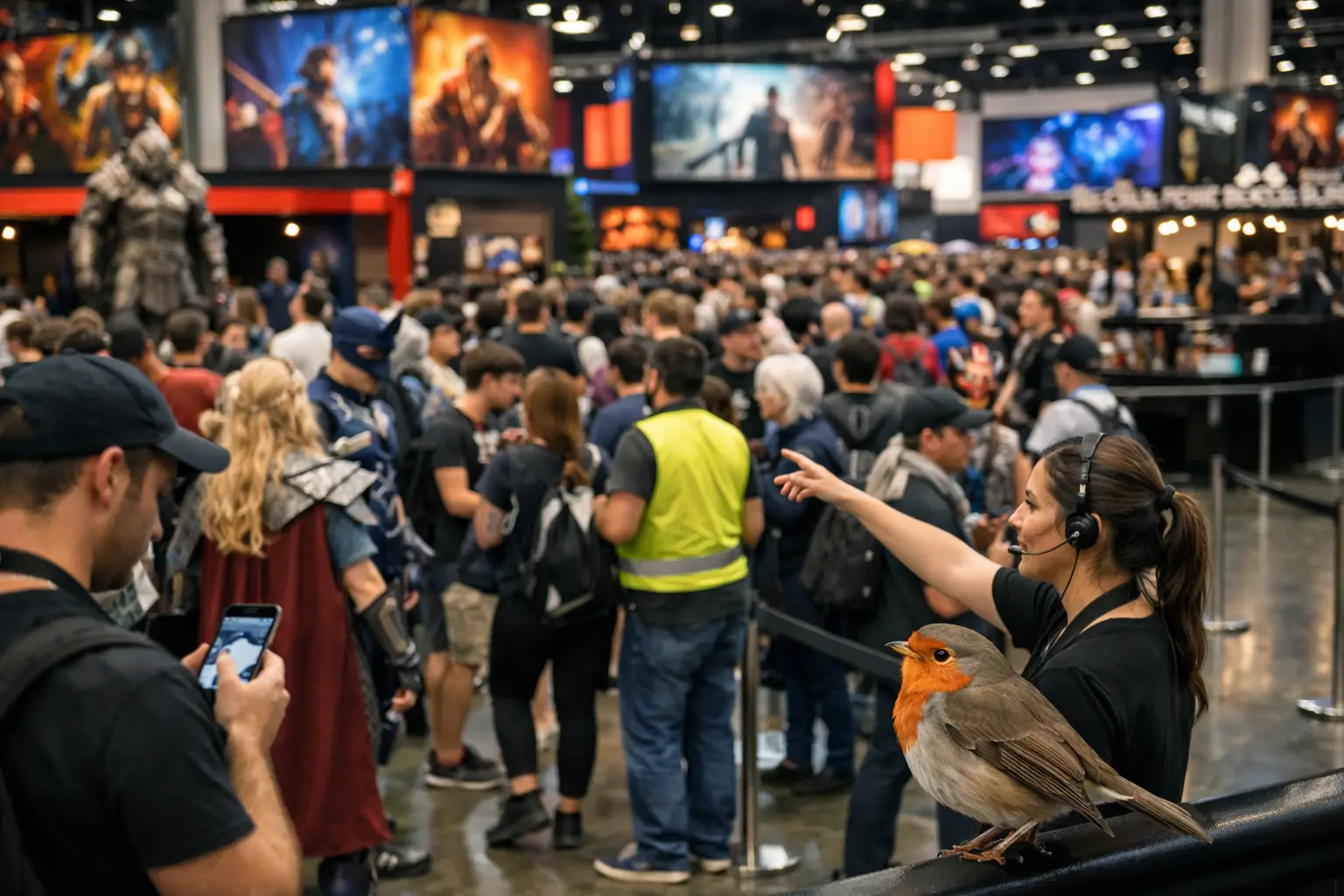
Why comic con 2026 events need early planning
“Comic Con” is often used as a catch-all term, but it can describe very different events. Some are established, multi-day conventions with studio presentations and tens of thousands of visitors. Others are local comic, anime, gaming, horror, or pop-culture shows centered on dealers, creators, cosplay, and family activities. The name alone does not tell you the size, programming focus, or ticket rules.
That difference matters when building a 2026 plan. A major convention can require hotel reservations months ahead, timed ticket sales, badge activation, photo-op purchases, and strict rules for entering headline panels. A smaller show may offer day-of tickets, inexpensive parking, and more time with artists. Neither experience is automatically better. It depends on whether your priority is blockbuster news, collecting, cosplay, meeting creators, or taking younger fans to their first convention.
The first thing to verify is the organizer. Look for the event’s official name, venue, announced dates, ticket seller, refund policy, and age guidance. Social posts can be useful alerts, but they are not a substitute for an official announcement. This is especially important when similar names are used by unrelated events in different cities.
The events and formats to watch
The major U.S. convention calendar usually includes summer flagship shows, East and West Coast pop-culture events, anime-focused gatherings, gaming conventions, and a large number of regional weekend expos. Dates and programming vary from year to year, so treat any early calendar listing as a planning signal rather than a final itinerary.
Flagship pop-culture conventions
Large conventions are where entertainment companies, publishers, streaming services, toy makers, and celebrity guests often concentrate their biggest public moments. Expect packed exhibit floors, ticketed experiences, long lines, and schedules built around high-demand panels. If a specific panel is your reason for going, arrive with a backup plan. Capacity, wristband rules, and entry procedures can change, while some programming is announced late.
For collectors, these shows can offer exclusive merchandise, first access to new releases, and a wide dealer floor. The trade-off is price pressure. Limited items may sell out quickly, and resellers are common. Set a spending limit before entering the hall, particularly if you are traveling with a group or carrying purchases all day.
Regional comic and fan expos
Regional events are often the overlooked value choice. They may feature comics creators, voice actors, wrestling personalities, cult-film guests, tabletop gaming, cosplay contests, and vendor areas without the scale of a national convention. Fans who want commissions, signatures, and longer conversations with artists may find these shows more rewarding than a crowded headline event.
They can also be a practical way to introduce children or first-time attendees to convention culture. One-day admission, easier parking, and shorter travel can reduce both cost and stress. Still, check whether specific activities require an additional pass. A general admission ticket does not always include autographs, professional photo sessions, after-hours events, or tournament entry.
Anime, gaming, and creator-centered shows
A broad comic con is not the only place for fandom news in 2026. Anime conventions often have deeper programming around screenings, music, cosplay craftsmanship, and Japanese pop culture. Gaming events may focus on playable demos, esports, developers, tabletop sessions, and hardware. Creator-centered comic festivals can place small publishers, illustrators, and independent writers at the heart of the experience.
Choosing a specialized event can make more sense than attending the largest possible convention. A fan looking for a rare back issue needs a different floor plan from someone chasing an anime concert or a new game demo. Review prior-year programming and vendor categories for clues, but do not assume the 2026 lineup will match exactly.
Tickets, travel, and the real cost of a convention weekend
The ticket price is only the opening number. A realistic budget includes taxes and service fees, transportation, hotel nights, food, parking or transit, checked baggage for collectibles, and any separately priced experiences. For a major city event, lodging can become the biggest expense well before badges go on sale.
Book refundable travel where possible until your ticket is confirmed. If you are splitting a room, agree in writing on payment dates and cancellation expectations. If you are flying, consider how you will bring posters, figures, or artwork home safely. A small shipping tube or flat portfolio can prevent an expensive purchase from becoming damaged luggage.
Be cautious with unofficial resale offers. Some conventions permit formal badge transfers; others do not. A screenshot of a ticket, a social media profile, or a promise to “send it later” is not proof that entry will be honored. When tickets sell out, check the organizer’s approved waitlist or exchange process before taking a risk on a private seller.
Build a schedule that can survive crowds
The best convention plans have priorities, not minute-by-minute fantasies. Choose one or two must-do moments for each day, then group nearby activities. If a major panel, autograph session, or exclusive release is essential, make that the anchor. Everything else should be flexible.
Use the convention app or official program once it is available, and check it again each morning. Panel rooms shift, guests cancel, and weather or transit issues can affect arrival times. Screenshots are useful when cellular service gets overloaded, but do not rely on an old screenshot for a high-demand event if live updates are available.
For families and groups, select a meeting point outside the loudest crowd zones and set a time to regroup. Carry a portable charger, refillable water bottle where permitted, basic medication, and comfortable shoes. Cosplay adds another layer of planning: test mobility, visibility, temperature, and bathroom practicality before leaving the hotel. A costume that photographs well but cannot handle stairs or a long line can limit the day quickly.
Following 2026 convention news without getting lost
Convention coverage arrives in bursts. Ticket announcements may come months before guest news. A show’s first guest wave may be followed by multiple additions, while detailed panel schedules can appear only close to the event. Tracking every rumor is exhausting and usually unhelpful.
A better approach is to monitor a short list of official event announcements, venue notices, and credible entertainment reporting. Separate confirmed information from speculation. A cast member hinting at a possible appearance is not the same as a published panel listing, and an unverified “leak” is not a travel reason.
RobinsPost readers can use a broader news view to watch the stories that emerge around the convention floor: trailer launches, casting reports, gaming news, creator interviews, consumer trends, and fan reaction videos. The most useful coverage explains what was actually announced, what remains uncertain, and when audiences may see the finished project.
Make room for the parts you cannot schedule
The memorable part of a comic convention is often not the panel you planned around. It may be finding an independent artist whose work stays on your wall for years, seeing a family-built cosplay group, joining a game with strangers, or learning that a favorite creator is signing at a quiet booth on the edge of the hall.
Arrive prepared, protect your budget and your belongings, and keep enough space in the day for discovery. That is how comic con 2026 events become more than a crowded date on the calendar.