A calendar alert for Yom Kippur 2026 is more than a reminder of a day away from work or school. For Jewish communities around the United States and worldwide, it marks the holiest day of the year: a focused period of prayer, reflection, repentance, and reconciliation. For families, employers, schools, neighbors, and anyone following faith and community news, knowing the timing and customs ahead of time helps avoid last-minute confusion.
When Is Yom Kippur 2026?
Yom Kippur begins at sundown on Sunday, September 20, 2026, and concludes after nightfall on Monday, September 21, 2026. On the Hebrew calendar, it falls on the 10th day of Tishrei in the year 5787.
Jewish holidays begin at sunset rather than at midnight, so the observance starts on Sunday evening. Exact candle-lighting, sunset, and holiday-ending times vary by location. Congregations and local Jewish calendars publish the times used in their communities, and those local schedules are the best reference for attendance, travel, meals, and work arrangements.
Yom Kippur follows Rosh Hashanah, the Jewish New Year, by 10 days. That period is commonly called the Ten Days of Repentance, a time for taking an honest look at one’s actions and relationships before the Day of Atonement.
What Yom Kippur Means
The name Yom Kippur is often translated as the Day of Atonement. Its central purpose is not simply regret. The day calls on people to recognize mistakes, seek forgiveness from those they have harmed, repair what can be repaired, and turn toward better choices.
Prayer services emphasize themes of accountability, mercy, forgiveness, and renewal. The holiday is deeply personal, but it is also communal. Many worshippers spend a significant part of the day in synagogue, reciting prayers alongside family members, friends, and neighbors.
A key distinction matters for anyone learning about the holiday: Jewish tradition teaches that wrongdoing against another person cannot be resolved by prayer alone. Direct amends and sincere requests for forgiveness are part of the work. That emphasis gives Yom Kippur continuing relevance beyond religious observance. It asks difficult questions about responsibility, relationships, and what meaningful change requires.
How Yom Kippur Is Observed
Customs differ by family, denomination, health status, and community. Still, several practices are widely associated with the holiday.
Many adult Jews observe a fast from food and drink from sunset to nightfall. The fast is intended to reduce ordinary physical concerns and create room for spiritual concentration. Children, people who are ill, pregnant or nursing individuals in some circumstances, older adults, and others for whom fasting could be unsafe may be exempt or may follow modified guidance. Health comes first. Anyone with a medical condition or questions about medications should speak with a clinician and, when relevant, a trusted rabbi before the holiday.
Work is generally avoided by traditionally observant Jews, as are driving, commerce, and many everyday activities. This means traffic patterns, store hours, office availability, and event schedules can be affected in areas with large Jewish populations. Employers and service providers planning schedules for September 20-21 should anticipate that some staff, customers, and partners may be unavailable.
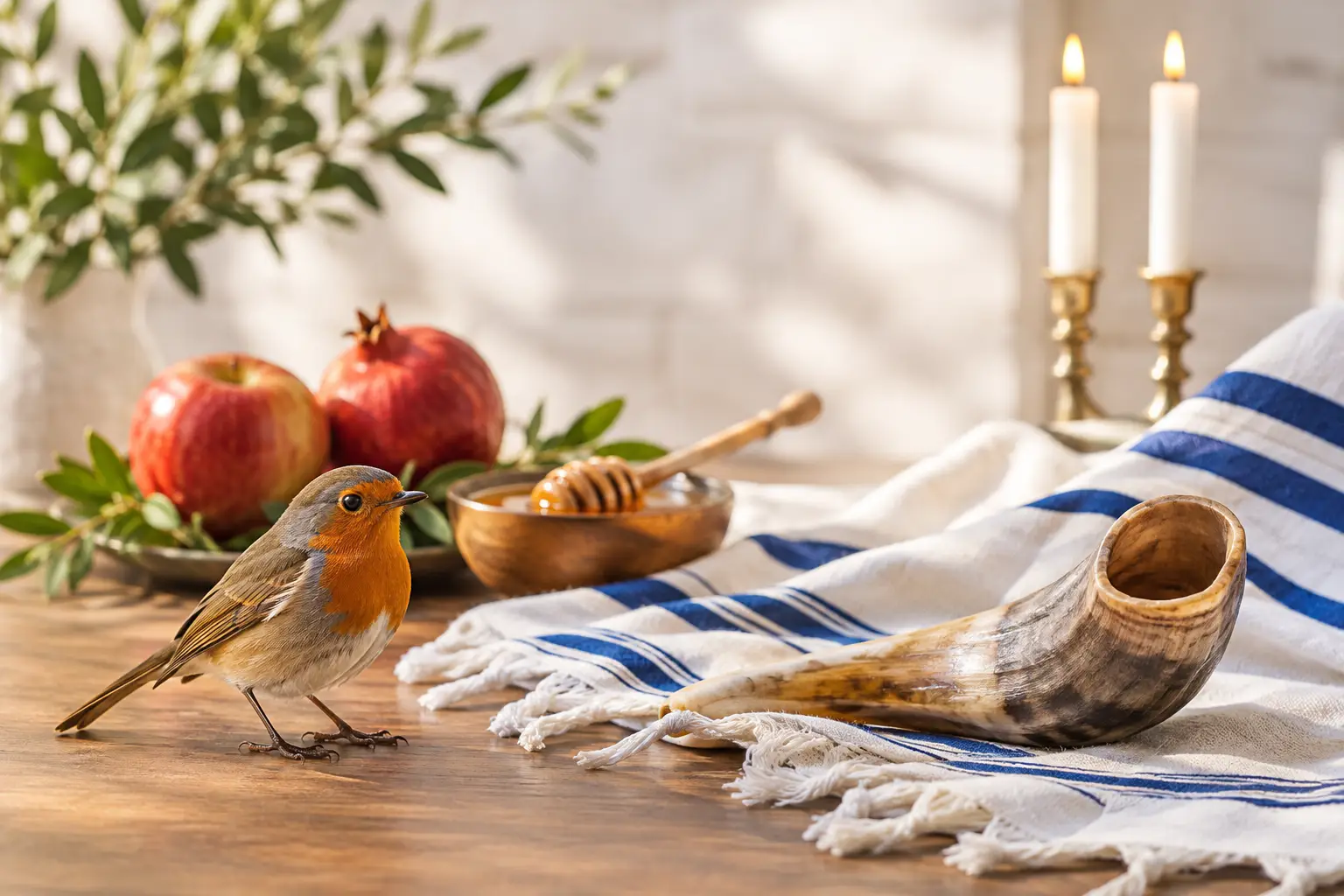
Synagogue services begin with Kol Nidre on the evening Yom Kippur starts. The next day includes extended prayers, readings, and moments of communal confession. The closing service, called Ne'ilah, takes place near the end of the holiday. A shofar, traditionally a ram’s horn, is sounded at the conclusion in many congregations, signaling the end of the fast and the day’s observance.
Some people wear white, reflecting themes of purity and renewal. Leather shoes are traditionally avoided by many observant Jews, along with other comforts associated with ordinary daily life. These details are meaningful to participants, but they are not a uniform checklist. A person’s practice may be shaped by family tradition, synagogue customs, and personal circumstance.
Breaking the Fast
After nightfall, families and communities commonly gather for a break-fast meal. The food varies widely. Bagels, spreads, eggs, fish, soups, fruit, and baked dishes are familiar in many American households, while other families prepare foods rooted in Sephardic, Mizrahi, Israeli, Latin American, European, or other cultural traditions.
The practical point is simple: after a daylong fast, food and hydration are usually reintroduced gradually. For hosts, a welcoming table does not need to be elaborate. Planning ahead can make the end of an emotionally demanding day calmer for everyone.
Planning for Yom Kippur 2026
Because the holiday runs from Sunday evening through Monday night, planning should begin before the weekend ends. Those attending services may need to register in advance, particularly at congregations that use tickets or have security procedures. Visitors should check local expectations before arriving, including dress standards, seating arrangements, device policies, and whether photography is permitted. On Yom Kippur, it usually is not.
For families observing at home, meals, medication questions, child care, transportation, and emergency contacts are worth settling before sundown. Devices are set aside by many observers, so do not assume a quick text will reach someone during the holiday.
For workplaces and schools, the best approach is practical and respectful. Avoid scheduling mandatory meetings, major presentations, interviews, deadlines, or social events during the observance when possible. Give people a clear way to request time off without having to explain personal religious details. A generic holiday greeting is less useful than a schedule that lets people participate fully.
Newsrooms, public agencies, and event organizers also have a timing consideration. If an announcement, public meeting, or major campaign is set for Monday, September 21, it may miss participants and audiences observing Yom Kippur. Rescheduling is not always possible, but acknowledging the conflict early is better than treating reduced participation as a surprise.
Respectful Ways to Acknowledge the Holiday
If a colleague, friend, or neighbor observes Yom Kippur, a brief and sincere message is appropriate. “Have an easy fast” is a common expression when someone is fasting. “Gmar chatimah tovah,” a Hebrew greeting expressing a wish to be sealed for good, is also used by many Jewish people during this period.
It depends on the relationship, though. Not everyone fasts, attends synagogue, or wants to discuss religious practice at work. A simple “I hope you have a meaningful Yom Kippur” is considerate without making assumptions.
Avoid treating the day as a cultural theme, a food holiday, or an occasion for promotional messaging. Yom Kippur is solemn, even as its conclusion can bring relief and warm family gatherings. Organizations that recognize it publicly should keep the tone direct, respectful, and free of sales language.
Questions People Ask About Yom Kippur 2026
Is Yom Kippur a federal holiday?
No. Yom Kippur is not a U.S. federal holiday, so federal offices and many businesses remain open. Individual employers, school districts, universities, and local agencies may offer accommodations or close based on local community needs.
Can non-Jewish people attend Yom Kippur services?
Many congregations welcome guests, but practices vary. Contact the synagogue ahead of time, especially for Kol Nidre or other high-attendance services. Arrive early, dress modestly, silence your phone, and follow the guidance of staff and worshippers.
Why do the dates change each year?
Jewish holidays follow the Hebrew lunisolar calendar, not the Gregorian calendar used for most U.S. scheduling. As a result, Yom Kippur moves on the civil calendar while remaining on 10 Tishrei each year.
As September 20 approaches, the most useful preparation is often the simplest: check the local times, leave room in the schedule, and offer others the quiet respect to observe the day in the way that is meaningful to them.