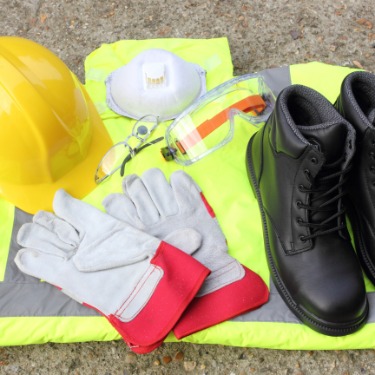
Handling pesticides safely requires careful preparation because workers may encounter concentrated chemicals, airborne droplets, contaminated surfaces, or accidental splashes during routine tasks. Wearing appropriate personal protective equipment for handling pesticides creates a barrier that reduces direct exposure and supports safer work practices. The correct equipment depends on the product, application method, and conditions at the worksite. Workers should always review the pesticide label before beginning a job because it identifies required protective measures. By selecting suitable PPE and using it correctly, applicators can reduce avoidable contact while mixing pesticides, applying treatments, cleaning equipment, and completing other related duties.
Follow the Pesticide Label
The pesticide label should guide every decision about protective equipment. Labels explain what workers must wear while mixing, loading, applying, or otherwise handling a particular product. Requirements vary because pesticide formulations differ in concentration and potential routes of exposure.
Workers should read the label before opening the container rather than relying on equipment used during previous applications. One product might require basic protective clothing, while another could require chemical-resistant materials or respiratory protection. Reviewing these instructions before work begins gives applicators time to gather suitable equipment and replace damaged items.
Protect Your Hands
Hands frequently come close to pesticides when workers open containers, measure concentrates, connect hoses, or clean application equipment. Chemical-resistant gloves can reduce direct skin contact, but workers must choose a material that meets the pesticide label's requirements. Ordinary household or fabric gloves may not provide adequate protection.
Fit also affects safe handling. Gloves that are too loose can make tools difficult to grip, while tight gloves may restrict movement. Before every use, workers should check for punctures, cracks, thinning, or other damage. Contaminated or compromised gloves require proper cleaning or replacement according to applicable instructions.
Choose Appropriate Protective Clothing
Protective clothing reduces the amount of pesticide that can contact the torso, arms, and legs. Label requirements may call for a long-sleeved shirt with long pants, coveralls, or chemical-resistant clothing. Workers should ensure garments provide the required coverage throughout the entire task.
When considering the pros and cons of reusable vs. disposable chemical suits, workers should think about contamination control and maintenance. Reusable garments can serve multiple applications when workers clean them correctly and the material remains suitable. Disposable garments can simplify cleanup after certain jobs. Neither option automatically provides better protection, so workers should base their selection on label requirements and expected working conditions.
Protect Your Feet
Pesticides can reach footwear through spills, dripping equipment, or contact with treated surfaces. When labels require chemical-resistant footwear, workers should select boots made from an appropriate material. Absorbent footwear can retain pesticide residues and increase the chance of continued exposure.
Boots should fit securely enough for workers to move safely across the application area. Before starting each time, applicators should inspect them for cracks, holes, or worn sections. After the job, reusable boots need appropriate cleaning before storage.
Guard Your Eyes and Face
Mixing concentrated pesticides can create splash hazards, especially when workers pour products or rinse containers. Protective eyewear helps prevent liquids from reaching sensitive eye tissue. The label may specify goggles or another form of protection based on the pesticide and task.
Workers should ensure eye protection fits securely and allows clear visibility throughout the job. Regular glasses generally should not replace required chemical protective eyewear. Some tasks may require additional facial coverage when splashing presents a greater concern.
Use Respiratory Protection Correctly
Some pesticides require respiratory protection during handling or application. Workers should use the respirator specified on the product label rather than choosing one based on convenience. Different hazards can require different protective designs, filters, or cartridges.
Respirators must fit correctly to perform their intended function. Facial hair can interfere with the seal of certain designs, and workers may need fit testing or medical clearance under applicable workplace requirements. Applicators should also follow replacement schedules for filters and cartridges.
Prepare for Hot Working Conditions
Protective clothing can increase physical strain during warm weather because certain materials limit airflow and retain body heat. Workers should consider temperature and workload when planning pesticide applications without removing PPE required by the label.
When possible, crews can schedule demanding tasks during cooler periods. Workers should take suitable rest breaks and remain alert for signs that heat is affecting their ability to work safely. Hydration also matters, but workers should drink only in uncontaminated areas after properly removing gloves and washing their hands.
Remove PPE Carefully
Protective equipment may carry pesticide residues after workers finish an application. Careless removal can transfer those residues onto bare skin, clothing, vehicle interiors, or clean surfaces. Workers should handle contaminated outer surfaces cautiously while removing their equipment.
After taking off PPE, workers should wash their hands thoroughly before eating, drinking, or touching their faces. Reusable equipment needs cleaning according to label directions and manufacturer guidance. Contaminated work clothing may require separate handling from household laundry. Careful removal and cleaning prevent pesticide safety practices from ending as soon as the application stops.
Inspect and Store Equipment
Workers should inspect PPE before every pesticide job. Small tears, cracks, worn areas, or weakened fasteners can reduce the protection equipment provides. Finding damage before an application allows workers to replace unsuitable gear before exposure occurs.
Clean equipment also needs appropriate storage. Workers should keep PPE away from pesticide containers, contaminated tools, and application equipment whenever possible. A designated clean storage area prevents protective items from becoming contaminated between jobs. Consistent inspections and careful storage can help workers recognize when equipment has reached the end of its usable service life.
Make Training Part of PPE Safety
Protective equipment works best when workers understand how to use it. Training should explain how exposure can occur and why specific protective measures matter.
Supervisors can reinforce safe practices by making suitable equipment available before pesticide work begins. Workers should feel prepared to review labels whenever they change products or application methods. Effective training makes PPE selection and use a routine part of responsible pesticide handling.
Prioritize Protection During Every Application
Using personal protective equipment for handling pesticides helps reduce unnecessary exposure during pesticide-related work. Workers should begin every application by reading the label and confirming that their equipment meets its requirements. Gloves, clothing, footwear, eye protection, and respiratory equipment each serve different purposes depending on the pesticide and task. Careful removal, cleaning, inspection, and storage help preserve protection after the application ends. Workers who consistently use required PPE and follow established handling practices can create safer conditions while reducing opportunities for pesticides to contact their skin, eyes, clothing, or respiratory system.
Bio: Casey is a passionate copyeditor highly motivated to provide compelling SEO content. Her expertise spans technical, consumer, and lifestyle industries with an emphasis on readability and detail.