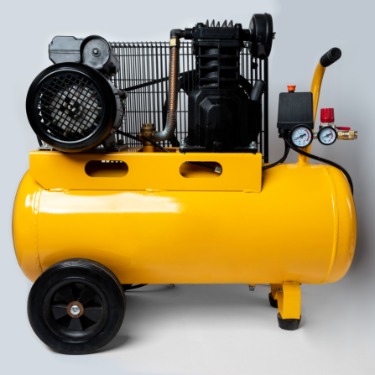
Air compressors support countless jobs in workshops, garages, manufacturing facilities, and construction environments, but even dependable equipment can develop performance problems over time. Learning how to troubleshoot common air compressor issues helps operators identify minor faults before they cause longer interruptions or expensive damage. Many symptoms have straightforward causes involving airflow, power, lubrication, or worn components. A careful inspection can often reveal where the problem begins and whether routine maintenance can correct it. Understanding common warning signs also helps users decide when a compressor needs professional service instead of another adjustment.
The Compressor Will Not Start
A compressor that refuses to start can create immediate frustration, especially when other tools depend on its air supply. Begin by checking the power source and confirming that the electrical connection is secure. A tripped breaker, blown fuse, or damaged power cord may prevent the motor from receiving enough electricity. Resetting the breaker may restore operation, but repeated trips usually indicate an underlying electrical or mechanical problem.
Next, inspect the pressure switch. Most compressors stop automatically when tank pressure reaches a preset level and restart after pressure falls. If the tank already contains enough compressed air, the unit may simply be waiting for pressure to drop. A faulty pressure switch can also prevent startup. Allow the motor to cool if thermal overload protection has activated after prolonged use or overheating.
The Tank Will Not Build Enough Pressure
Slow pressure buildup often points to air escaping somewhere in the system. Listen around fittings, hoses, valves, and tank connections for hissing while the compressor runs. Applying soapy water to suspected connections can reveal leaks through visible bubbles. Tightening a loose fitting or replacing a damaged seal may restore normal performance.
If the air compressor won't build pressure, inspect the intake filter and valves. A clogged filter restricts incoming air and forces the compressor to work harder. Dirty or damaged valves can interfere with compression inside the pump.
The Compressor Runs Continuously
A compressor should cycle off after reaching its designated cutoff pressure. Continuous operation suggests that the system cannot reach that threshold or cannot recognize when it has done so. Air leaks commonly cause this behavior because escaping air prevents pressure from rising enough for the switch to stop the motor.
Check the pressure gauge while the unit runs. If pressure climbs normally but the motor never stops, the pressure switch may require inspection or replacement. If pressure remains below the expected level, investigate leaks and pump performance instead. Continuous operation creates excess heat and accelerates wear, so avoid allowing the compressor to run indefinitely while the problem remains unresolved.
Excessive Noise or Vibration Develops
Air compressors naturally produce noise, but new rattling, knocking, or unusually strong vibration deserves attention. Loose mounting bolts can allow the machine to shift during operation. Inspect the compressor base and tighten hardware according to manufacturer recommendations. A damaged belt or pulley can also create irregular movement on belt-driven models.
Internal wear may produce knocking sounds that become more noticeable under load. Bearings, connecting rods, or other moving parts can deteriorate and create excessive play. Shut down the compressor when unfamiliar mechanical noises appear rather than continuing to operate it. Prompt inspection can prevent a worn component from damaging neighboring parts and increasing the scope of repairs.
The Compressor Overheats
Heat develops naturally during compression, but excessive temperatures can shorten equipment life. Poor ventilation often contributes to overheating when operators place compressors too close to walls or surround them with stored materials. Keep ventilation openings clear and provide adequate space for heat to escape.
Low oil can also increase friction in lubricated compressors. Check the oil level according to the equipment manual and use the specified lubricant when adding or replacing oil. Dirty cooling surfaces may trap heat around the pump, so remove accumulated dust and debris. If overheating continues despite proper ventilation and maintenance, internal wear or electrical problems may require professional evaluation.
Air Tools Receive Weak or Inconsistent Pressure
Sometimes the compressor appears to operate correctly while connected tools perform poorly. In these situations, the problem may occur after air leaves the tank. Inspect the regulator setting first because an incorrectly adjusted regulator can restrict pressure delivered to the tool. Compare the tool's operating requirements with the compressor's available pressure and airflow.
Long hoses, undersized hoses, or restrictive fittings can reduce performance at the point of use. Damaged hoses may also leak enough air to affect demanding pneumatic equipment. Drain accumulated moisture from the tank because excess water reduces available air capacity. Regular drainage also helps protect the tank interior from corrosion that could eventually compromise its condition.
Moisture Collects in the Tank and Lines
Compressed air naturally produces condensation as warm air cools inside the system. Operators should drain the receiver tank regularly instead of allowing water to accumulate. The appropriate frequency depends on operating conditions and usage, but humid environments can create moisture quickly.
Water that travels into air lines can affect pneumatic tools and compromise certain finishing applications. A properly maintained moisture separator can reduce downstream problems. Inspect drains to ensure they open freely and close securely afterward. Never ignore significant tank corrosion or damage discovered during drainage. A compromised receiver tank presents a serious safety concern and should receive qualified professional attention rather than a temporary repair.
Prevent Problems With Consistent Maintenance
Routine maintenance makes compressor problems easier to prevent and diagnose. Keep intake filters clean, inspect hoses for deterioration, and follow recommended lubrication intervals. Because different compressor designs have different service requirements, use the owner's manual as the primary maintenance guide.
Pay attention to changes in cycling behavior, sound, temperature, and pressure buildup. A gradual change can provide an early warning before the compressor stops working entirely. Record recurring problems when useful so technicians can understand how symptoms developed. Avoid bypassing safety devices or modifying pressure controls to compensate for poor performance. Those shortcuts can create dangerous operating conditions while leaving the actual fault unresolved.
Keep Your Air Compressor Working Reliably
Effective troubleshooting starts with observing the symptom, checking simple causes, and respecting the equipment's safety limits. By knowing how to troubleshoot common air compressor issues, operators can address leaks, airflow restrictions, overheating, and control problems before they become more disruptive. Routine inspections also make it easier to recognize changes in performance and schedule service appointments at the right time. When a repair involves internal pump damage, electrical faults, or a compromised pressure vessel, qualified service offers the safest path forward. Careful maintenance and timely repairs help the compressor deliver dependable air while protecting the equipment from avoidable wear.
Bio: Casey is a passionate copyeditor highly motivated to provide compelling SEO content. Her expertise spans technical, consumer, and lifestyle industries with an emphasis on readability and detail.