Chile Independence Day arrives with streets full of red, white, and blue flags, the sound of cueca music, and long tables set for empanadas, grilled meats, and local wines. For Chileans, September 18 is more than a historical anniversary. It opens Fiestas Patrias, the country’s biggest annual celebration and a period when families, neighborhoods, workplaces, and visitors gather around shared traditions.
The occasion is often called Chile’s equivalent of a national birthday, but its history is more layered than the label suggests. The date marks the beginning of Chile’s movement toward self-rule, while the final break with Spain came years later. That distinction helps explain why the holiday is both patriotic and deeply cultural: it honors a political turning point while celebrating the food, music, rural customs, and regional identity that shape Chile today.
Why Chile Independence Day Is September 18
On September 18, 1810, leading citizens in Santiago formed the First National Government Junta. At the time, Spain was facing political upheaval after Napoleon’s invasion, and authority over the Spanish empire was uncertain. The junta initially presented itself as a governing body acting in the name of Spain’s deposed king, Ferdinand VII. Still, it gave Chile a crucial measure of local control and set independence in motion.
Chile did not formally declare independence that same day. The declaration came on February 12, 1818, after a difficult conflict involving military campaigns, competing political forces, and major figures such as Bernardo O’Higgins and José de San Martín. Yet September 18 endured as the central national holiday because it commemorates the first decisive institutional step toward autonomy.
That timeline matters when reading headlines or planning a school project. September 18 is Chile’s principal independence celebration, even though the legal declaration belongs to February 1818. In everyday use, calling it Chile Independence Day is entirely common, but the fuller story gives the date its meaning.
Fiestas Patrias: A Celebration Beyond One Day
September 18 begins Fiestas Patrias, or National Holidays. September 19, known as the Day of the Glories of the Chilean Army, is also a major public holiday. Depending on the calendar and national holiday rules, the festive period may stretch across a long weekend or several days.
Many public celebrations center on fondas and ramadas. These are temporary open-air venues, often decorated with Chilean flags, straw, and rural-style details. They can range from small community gatherings to major city events with food stalls, live music, dance floors, games, and family activities.
A fonda is not simply a festival market. It is one of the places where national traditions become participatory. Visitors do not just watch a performance of Chilean culture. They eat, dance, socialize, and take part in the holiday’s relaxed but highly recognizable customs.
Food at the center of the holiday
The classic menu varies by household and region, but empanadas are nearly unavoidable. The best-known version is the empanada de pino, usually filled with seasoned beef, onions, egg, olives, and sometimes raisins. Other popular choices include choripán, a grilled sausage sandwich; anticuchos, skewers of meat and vegetables; and sopaipillas, fried pumpkin-based dough often served with pebre, a fresh salsa-like condiment.
Grilling is a major part of the holiday, particularly at family gatherings. Chilean wine, beer, and traditional drinks such as terremoto may also appear. Terremoto, meaning “earthquake,” is famously potent and often served with sweet pineapple ice cream. It is a cultural curiosity for visitors, though moderation is wise during celebrations that can last well into the evening.
Cueca, the national dance
The cueca is Chile’s national dance and a defining image of Fiestas Patrias. Partners circle one another while waving handkerchiefs, using movements often interpreted as a courtship ritual. The dance has roots in several cultural traditions and has evolved across Chile’s regions, so there is no single performance style that captures every version.
During September celebrations, schools, local groups, and professional performers stage cueca presentations. Many Chileans who would not dance it regularly during the year join in at parties or fondas. The point is less about flawless technique than joining a familiar national ritual.
Symbols You Will See During Chile Independence Day
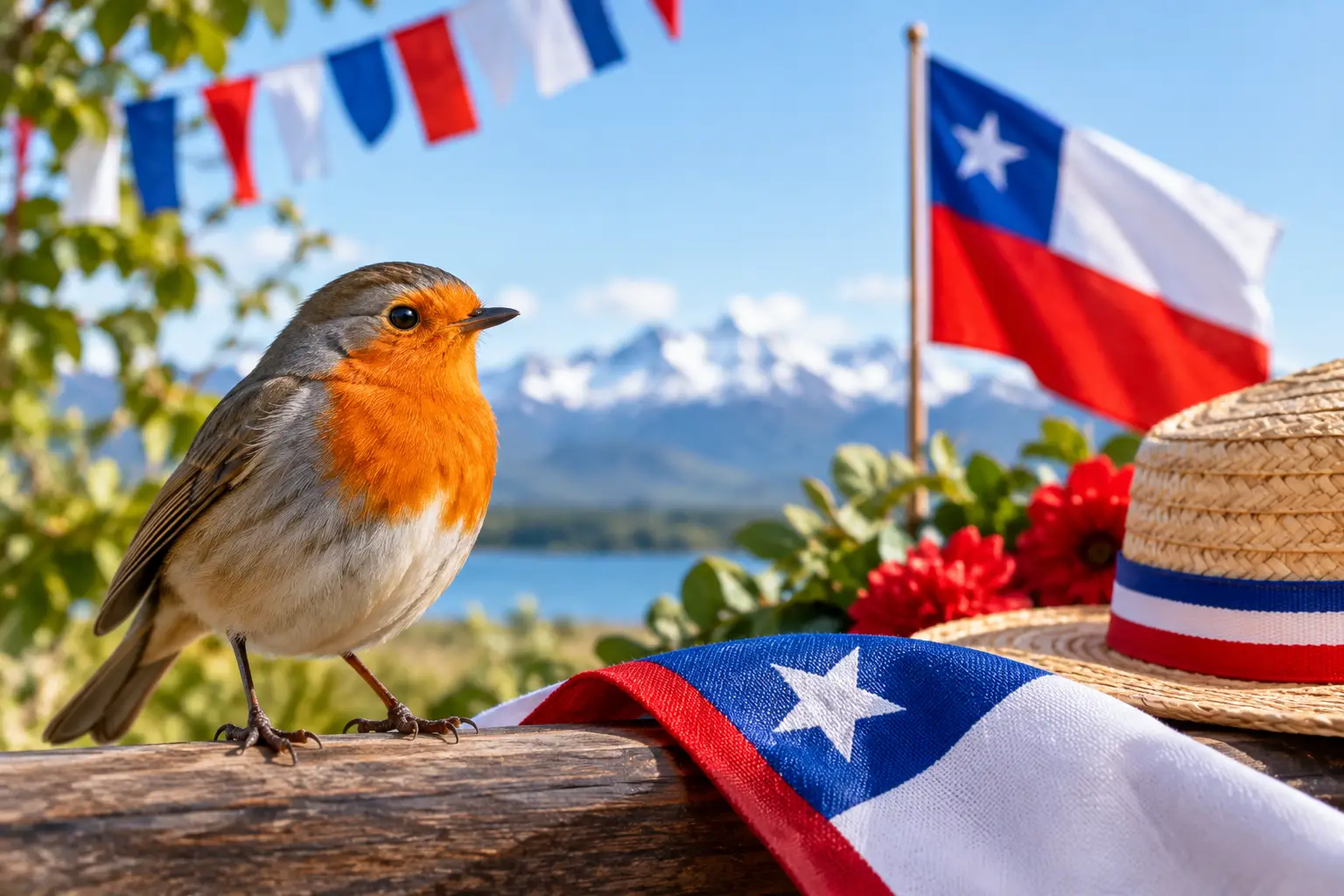
The Chilean flag, known as La Estrella Solitaria, or the Lone Star, is displayed almost everywhere during the holiday period. Its blue, white, and red design is a visible sign of civic pride, and homes, businesses, public buildings, and vehicles may all be decorated.
Another common sight is huaso clothing. A huaso is traditionally a Chilean countryside horseman, often associated with the central valley. Men may wear a chamanto or poncho, a flat-brimmed hat, boots, and riding attire. Women may wear colorful dresses suited for cueca dancing. These looks are especially prominent at rodeos, folk performances, and school events, though Chile’s everyday identity is much more urban and diverse than festival imagery alone suggests.
Rodeo also has a place in some Fiestas Patrias programs. Chilean rodeo differs from North American rodeo and has a distinct local history. At the same time, it can be controversial because of animal welfare concerns, and not every Chilean supports or attends it. The holiday is broad enough to include many forms of celebration, from traditional rural events to concerts, civic ceremonies, and quiet family meals.
How Chileans Celebrate at Home and in Public
For many people, the core of the holiday is a family gathering. Relatives travel, prepare food together, play music, and spend time outdoors if the spring weather cooperates. Chile is in the Southern Hemisphere, so September marks the approach of spring rather than autumn. That seasonal setting helps make parks, patios, and community venues central to the festivities.
Schools frequently hold patriotic programs before the holiday break. Children may perform cueca, recite poetry, or take part in presentations about Chilean history. Municipalities organize local events, while national ceremonies and military observances receive wide news coverage.
The scale depends on location. Santiago offers large public celebrations and busy fondas, while smaller towns may have community-centered events with a more local character. Coastal areas, wine regions, and rural communities each bring their own food traditions and rhythms. For a news audience following the holiday from abroad, this regional variety is worth watching: coverage of one major event does not represent the entire country.
What Visitors and International Readers Should Know
Chile Independence Day is a high-demand period for domestic travel. Transport, restaurants, event spaces, and accommodation can become busy, especially when the calendar creates an extended break. Travelers should expect some businesses to close or operate on limited hours, while tourist areas and festival sites may be especially active.
For international readers, the best way to understand Fiestas Patrias is to treat it as both a civic holiday and a living cultural event. The flag displays and military ceremonies tell one part of the story. The cueca, family recipes, regional music, and long conversations around a grill tell another.
It is also useful to avoid reducing Chilean culture to a single September image. Indigenous communities, immigrant communities, city neighborhoods, and different regions all contribute to contemporary Chile. Fiestas Patrias creates a shared national moment, but people celebrate it in ways that reflect their own backgrounds, budgets, beliefs, and local traditions.
Following the Holiday as News Develops
The holiday period brings a steady flow of updates: public safety plans, transportation announcements, weather forecasts, concert schedules, tourism reports, official ceremonies, and stories from communities across the country. For readers looking beyond the familiar photos of flags and empanadas, these reports show how a national holiday affects daily life on a large scale.
Chile Independence Day offers a useful reminder that independence celebrations are not frozen in history. Each September, Chile revisits a founding moment through the ordinary acts that hold communities together: cooking for guests, teaching children a dance, raising a flag, traveling home, and making room at the table.