A well-maintained roof protects your home from moisture, weather, and costly structural problems while helping the entire property remain comfortable and secure. Following the best roof maintenance tips for homeowners makes it easier to spot developing concerns before they demand extensive repairs. By building simple inspections and preventive care into your home maintenance routine, you can protect one of your property's most important components and feel more prepared for changing seasons.
Inspect Your Roof on a Regular Schedule
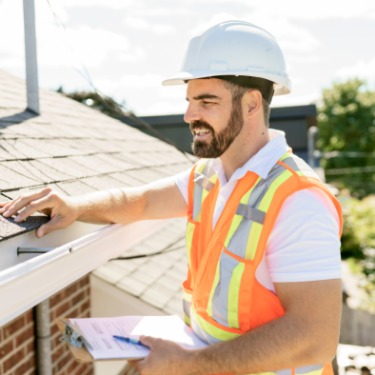
Routine visual inspections give you a chance to identify damage while it remains manageable. Look over the roof from the ground or another safe vantage point and watch for missing shingles, lifted edges, or areas that appear uneven. Changes in the roof's appearance may signal damage caused by wind, moisture, or ordinary aging.
Schedule additional checks after severe weather. If you notice anything unusual, contact a qualified roofing professional rather than climbing onto the roof yourself. A professional can examine questionable areas safely and recommend appropriate repairs.
Keep Gutters and Downspouts Clear
Gutters direct rainwater away from the roof and foundation, so keeping them clear supports the entire drainage system. Leaves and other debris can create blockages that cause water to back up along the roofline. That standing moisture can eventually affect roofing materials or the wooden components beneath them.
Check gutters periodically, especially when nearby trees shed heavily. Make sure downspouts also remain open so water can move away from the house efficiently. While cleaning, look for gutters that sag or pull away from the fascia. Correcting drainage problems promptly reduces unnecessary moisture exposure around vulnerable roof edges.
Pay Attention To Roof Flashing
Flashing seals areas where roofing materials meet walls, vents, chimneys, and other transitions. Inspect visible flashing for gaps, corrosion, or sections that no longer sit securely against surrounding materials.
Proper edge protection matters as well because edge flashing helps prevent water damage in roofs by directing moisture away from exposed roof boundaries. If flashing appears damaged, avoid relying on temporary sealants as a long-term solution. Professional repair can restore the intended water barrier and address hidden deterioration nearby.
Trim Branches Near the Roof
Trees can provide welcome shade, but branches that hang over a roof may create maintenance problems. During storms, limbs can scrape shingles or break and fall onto the structure.
Trim branches back enough to create reasonable clearance from the roof. This also limits the amount of leaves and twigs that collect in gutters or settle in roof valleys. Hire a tree care professional for large limbs or branches near utility lines. Safe pruning protects both the roof and the health of mature trees.
Watch for Moss and Algae Growth
Dark streaks, moss, or other organic growth can change the appearance of a roof and may indicate persistent moisture. Moss deserves particular attention because it can hold water against roofing materials. Over time, that moisture may contribute to premature wear or cause shingles to lift.
Avoid aggressive pressure washing, which can damage certain roofing materials and strip away protective granules. Instead, ask a roofing professional about a cleaning method suited to your specific roof.
Check the Attic for Warning Signs
Roof maintenance should include the space beneath the roof, not just the exterior surface. Visit the attic periodically and look for water stains, damp insulation, or visible daylight entering through unexpected openings. Musty odors can also indicate moisture that deserves further investigation.
Pay attention after heavy rain because small leaks may become easier to identify during wet conditions. Moisture in the attic does not always reveal exactly where water entered, since it can travel along framing before becoming visible. A roofing professional can trace the source and determine what repair will stop the intrusion.
Maintain Proper Attic Ventilation
Adequate ventilation helps regulate conditions beneath the roof and can reduce moisture accumulation in the attic. When warm, humid air becomes trapped, condensation may develop on cooler surfaces. Persistent moisture can affect roof decking and insulation while creating an environment that encourages mold growth.
Keep vents unobstructed by stored belongings or insulation. If rooms feel unusually hot or the attic develops recurring moisture, have a professional evaluate the ventilation system. Roofing and ventilation work together, so addressing airflow problems can support the roof's performance without requiring changes to exterior materials.
Address Small Repairs Promptly
Minor roofing damage rarely improves on its own. A loose shingle, damaged vent boot, or small flashing gap can allow moisture to reach areas that should remain dry. Waiting until water appears on an interior ceiling may give the problem time to spread beyond the original repair area.
Contact a roofer when you notice signs of damage instead of postponing an evaluation. Prompt repairs can help preserve surrounding materials and reduce the chance that a limited issue becomes more complicated. Keep records of completed roof work as well, since they can help you track recurring concerns and maintenance history.
Prepare the Roof for Seasonal Changes
Seasonal maintenance helps your roof handle changing weather conditions. Before periods of heavy rain or snow, check drainage areas and look for visible damage that could worsen under harsh conditions. Removing debris from roof valleys also allows water to move toward gutters instead of collecting behind leaves.
After winter or another demanding season, inspect the property again for changes. Look from the ground for displaced materials or debris that may have landed on the roof. Consistent seasonal attention creates a practical rhythm for maintenance and makes it less likely that obvious warning signs will go unnoticed.
Know When To Call a Professional
Homeowners can handle basic observations and some ground-level maintenance, but roof work often requires specialized safety equipment and experience. Steep slopes, fragile materials, or wet surfaces make climbing onto a roof dangerous. Professional inspections provide a closer look without putting you at unnecessary risk.
Choose a qualified roofing contractor when repairs, detailed inspections, or material replacement become necessary. Ask questions about the condition of the roof and the urgency of recommended work. Understanding what needs attention helps you prioritize maintenance and make informed decisions about your home's long-term protection.
Protect Your Roof With Consistent Care
Roof care works best when it becomes an ongoing, essential part of home maintenance rather than a response to obvious leaks. The best roof maintenance tips for homeowners focus on regular observation, timely repairs, and responsible preventive care that protects roofing materials from avoidable damage. By monitoring drainage and addressing problems early, you can help protect your roof through changing weather and everyday exposure.
Bio: Casey is a passionate copyeditor highly motivated to provide compelling SEO content. Her expertise spans technical, consumer, and lifestyle industries with an emphasis on readability and detail.