Constitution Day 2026 arrives on Thursday, September 17, marking 239 years since delegates signed the U.S. Constitution in Philadelphia. It is a date made for more than a quick historical post: it offers a practical reason to look at how the document shapes elections, court decisions, free speech debates, citizenship, and the everyday limits of government power.
Also known as Constitution Day and Citizenship Day, September 17 is a national observance rather than a federal public holiday. Federal offices, banks, post offices, and most businesses generally follow their regular schedules. Schools, libraries, museums, civic groups, and news organizations often use the date to bring constitutional questions into public view.
What Constitution Day 2026 Commemorates
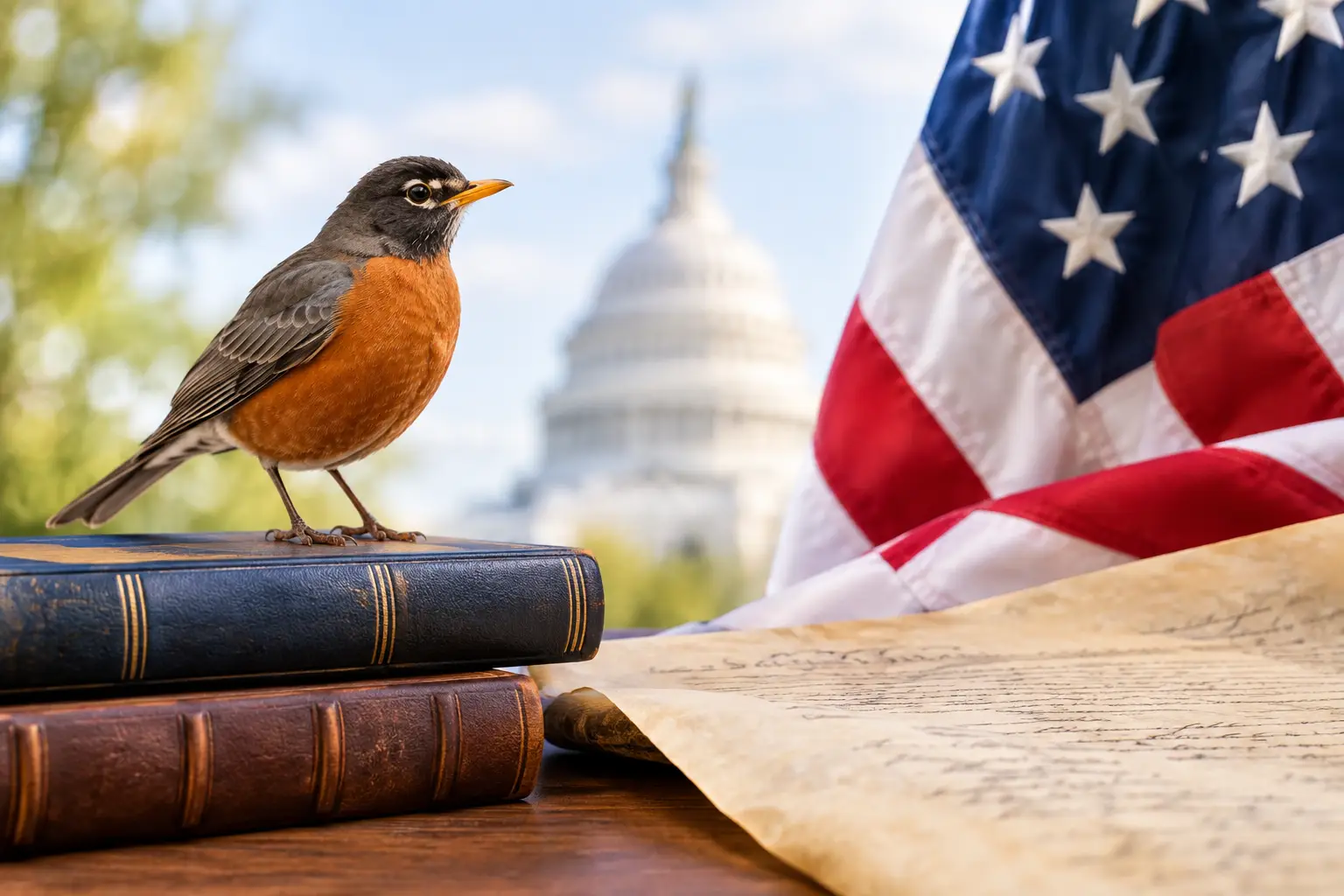
On September 17, 1787, 39 delegates signed the Constitution at the Constitutional Convention. The document did not settle every conflict facing the new nation, and it was not immediately embraced by everyone. Its adoption required ratification by nine of the 13 states, a process that sparked sharp arguments over federal power, individual liberty, representation, and the absence of a bill of rights.
Those arguments still sound familiar. The Constitution established three branches of government, set out the framework for Congress and the presidency, and created a system of checks and balances. But much of its lasting influence comes from its capacity to be interpreted, challenged, and amended as the country changes.
The Bill of Rights, ratified in 1791, added protections for speech, religion, press, assembly, due process, and other liberties. Later amendments abolished slavery, expanded voting rights, established equal protection under the law, and changed the rules around presidential succession and terms. Constitution Day is therefore not only about the original document. It is also about the long, unfinished story of who has been included in its promises.
Is Constitution Day a Federal Holiday?
No. Constitution Day is a federally recognized observance, but it is not one of the federal holidays that typically closes government offices or gives many workers a day off. That distinction matters if you are planning a school event, a local program, or a family visit to a historic site: September 17, 2026, is expected to operate as a normal Thursday for most services.
The day has a specific education connection. Under federal law, educational institutions that receive federal funds are required to provide an educational program about the Constitution on September 17 each year. When September 17 falls on a weekend or another non-school day, the program is generally held during the preceding or following week.
How that requirement looks in practice varies widely. An elementary classroom may focus on the Preamble and classroom rights and responsibilities. A high school civics course may examine a current Supreme Court case or compare competing views of federalism. Colleges may host panels on voting, constitutional history, or public policy. The goal is civic learning, not a single approved political viewpoint.
Why the Date Matters in 2026
Constitution Day 2026 falls less than two months before the midterm elections on November 3. That timing gives the observance extra relevance. The Constitution sets the basic rules for federal elections, defines the powers of elected officials, and protects key parts of political participation, including speech, petition, and peaceful assembly.
It also provides a useful reminder that civic life extends beyond Election Day. Local government meetings, school boards, public records requests, jury service, community organizing, and informed debate all connect to constitutional principles in different ways. Readers following breaking political coverage may hear constitutional terms used constantly, but the meaning can get blurred by fast-moving headlines and partisan framing.
A productive Constitution Day discussion asks a few grounded questions: Which part of the Constitution is at issue? What does the text say? How have courts and lawmakers applied it over time? Where do reasonable legal disagreements remain? That approach does not erase disagreement. It makes it easier to separate evidence from slogans.
Ways to Observe Constitution Day 2026
There is no required format for individuals or communities. A meaningful observance can be as simple as reading the Preamble with children, watching a public lecture, or attending a local civic program. The best choice depends on whether you want historical context, practical civics information, or a conversation about a current issue.
For a more active plan, consider these options:
- Read the Constitution and one or two amendments, then discuss a recent news story that raises related questions about government power or individual rights.
- Check local libraries, historical societies, universities, museums, and civic organizations for September 17 talks, exhibits, public readings, or youth programs.
- Use trusted news coverage and public-affairs video to compare how different sources frame a constitutional dispute. Look for the underlying court ruling, bill, or government action.
- Encourage students to ask how an amendment came to be, who advocated for it, and what changed after it was adopted.
- Attend a city council, county board, or school board meeting to see public decision-making and civic participation in action.
Families should keep the conversation age-appropriate. Younger children may connect with the idea that rules should be fair and that people can speak up when rules need improvement. Older students and adults can explore harder questions, including the gap between constitutional ideals and the country’s historical record.
Key Constitution Topics to Watch
The observance may generate renewed coverage around several recurring subjects. First Amendment questions involving speech, religion, protest, press freedom, and online platforms remain prominent. So do debates over privacy, gun rights, immigration authority, voting access, executive power, and the role of federal courts.
These topics can be difficult because a constitutional argument rarely ends with a single sentence from the document. Courts consider text, historical practice, precedent, statutes, and the facts of a particular case. A headline stating that a policy is “constitutional” or “unconstitutional” may leave out the crucial details: which court ruled, whether an appeal is pending, and whether the decision applies nationally or only in a specific jurisdiction.
That is where an all-source news routine helps. Look beyond the first viral clip or social post. Read the reported facts, identify the government body involved, and check whether legal experts disagree on the likely outcome. RobinsPost readers tracking politics and public-interest reporting can use Constitution Day as a prompt to follow the full context behind the day’s major legal stories.
The Constitution Is Not a Museum Piece
The Constitution is often displayed behind glass, but its impact is felt in active institutions and ongoing disputes. Its amendment process is deliberately demanding, which can protect stability but can also make formal change difficult. Its broad language allows principles to endure across centuries, yet that same breadth creates room for deep disagreement over interpretation.
That tension is not a flaw to be ignored. It is one reason civic literacy matters. People do not have to agree on every court decision or political issue to benefit from understanding the structure of the system, the history behind it, and the rights available to them.
On Thursday, September 17, take a few minutes to move past the ceremonial language. Read a section, ask a better question about a headline, or join a local conversation. Constitution Day 2026 is a useful chance to treat citizenship as something practiced, not simply remembered.