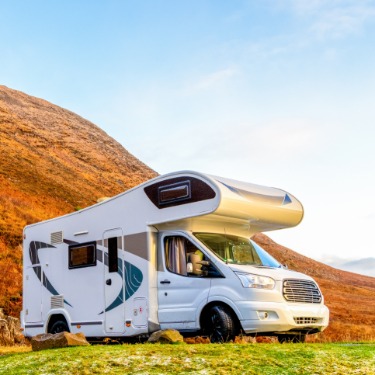
Owning an RV sounds wonderfully spontaneous. You can pack a few bags, choose a destination, and turn an ordinary weekend into a mountain retreat, a lakeside escape, or a small-town adventure. Yet, between those trips, the RV still needs parking, maintenance, cleaning, insurance, and attention.
I have found that RV ownership feels most manageable when I stop treating the vehicle as a vacation purchase and start treating it as part of a travel system. Storage, trip preparation, household routines, and maintenance all work together. Keep reading to understand how to make RV ownership feel more practical year-round.
Start With a Realistic Travel Rhythm
A practical RV schedule should reflect the time your family has, not the trips you imagine taking someday. For a two-income household, that may mean several two- or three-night trips each year rather than one long cross-country journey. That rhythm can still deliver tremendous value because the RV makes familiar destinations feel new.
I like to choose a few “easy departure” weekends before the season begins. I look for destinations within a comfortable driving range, confirm campground availability, and note one or two activities that justify the trip.
Build Trips Around Short Driving Distances
Long drives can consume much of a limited weekend. A campground three hours from home may provide more relaxation than a famous destination eight hours away. State parks, lakes, historic towns, family attractions, and regional festivals can all create memorable RV weekends without requiring extra vacation days.
A shorter route also makes departure less stressful. Families can leave after work, arrive before it gets too late, and still wake up somewhere different the next morning. That simple change can make RV ownership feel more practical year-round with a full work schedule rather than dependent on rare stretches of free time.
Give the RV a Practical Home Base
Storage shapes the entire ownership experience. When an RV blocks the driveway, violates neighborhood rules, sits on unstable ground, or requires complex maneuvering, every trip begins with a problem. A suitable home base should make the vehicle easy to park, inspect, prepare, and retrieve.
Owners who keep an RV at home should check local ordinances, homeowners association rules, clearance, drainage, and access. Those using a storage facility should consider distance from home, access hours, lighting, security features, turning space, and the condition of the parking surface.
Pay Attention to the Parking Surface
The surface beneath an RV matters because the vehicle may remain parked for weeks at a time. Firm, level ground supports safer parking, while proper drainage helps prevent mud and standing water from complicating inspections or loading. The right choice depends on local weather, parking duration, site maintenance, and budget.
When comparing spaces, I would use this overview of concrete pads versus gravel lots for RV parking as a starting point. It explains the practical differences without assuming that one surface suits every owner. That context can help families ask better questions before committing to a storage arrangement.
Keep the RV Partially Ready
Packing an RV from scratch before every trip quickly drains the fun from ownership. I prefer to keep a basic set of dedicated supplies inside the vehicle, including cookware, dishes, towels, bedding, flashlights, chargers, cleaning products, and simple outdoor gear. These items do not need to move back and forth between the house and the RV.
Before each trip, the packing list can focus on food, clothing, prescriptions, personal electronics, and destination-specific equipment. This reduces forgotten items and makes a Friday departure much more realistic. It also prevents the house from becoming a staging area for several days before every getaway.
Create a Return-Day Reset
The first hour after a trip can determine how difficult the next departure feels. I try to complete a basic reset before the RV goes back into storage. That means removing food and trash, checking for damp items, emptying tanks when appropriate, wiping surfaces, and recording anything that needs repair.
A written note helps when I cannot address a problem immediately. Instead of discovering a loose cabinet hinge or low propane supply on the next departure day, I can handle it during a quieter weekend.
Divide Maintenance into Smaller Sessions
RV maintenance feels intimidating when every task lands on one long checklist. Breaking the work into monthly, seasonal, and trip-based checks makes it much easier to manage. A brief walkaround can reveal tire concerns, damaged seals, fluid leaks, pest activity, or changes in the parking area before they become expensive problems.
I also find it helpful to assign maintenance to the calendar rather than memory. Roof inspections, battery care, seal checks, appliance testing, tire pressure checks, generator exercise, and winter preparation can each have a scheduled place.
Match Preparation to the Season
Summer heat, winter freezes, heavy rain, humidity, and long periods of sunlight affect RVs differently. Owners should adapt storage and inspection routines to regional conditions. In cold climates, winterization may protect plumbing systems. In hot climates, owners may need to watch sealants, batteries, tires, and interior heat exposure.
Seasonal planning can also extend the travel calendar. Spring and fall trips may offer cooler temperatures, smaller crowds, and lower campground rates in some destinations. Winter can work for warmer regions or for a carefully prepared cold-weather trip. The RV does not need to travel every month, but each season can have a clear role.
Make Ownership Costs Easier to See
An RV can feel impractical when expenses appear without context. Fuel, campground fees, storage, insurance, registration, maintenance, and repairs all belong in the true annual cost. Tracking them in one place makes it easier to understand what each trip costs and where adjustments make sense.
This does not mean every getaway needs to compete with the price of a hotel room. An RV provides a different experience, with familiar sleeping space, flexible meals, outdoor access, and the freedom to stay near places with sparse lodging.
Use the RV Between Major Trips
An RV does not need to cross state lines to earn its place in the family routine. Some families use their RV for regional sporting events, reunions, festivals, or visits with relatives. Others plan a quiet weekend with hiking, reading, campfire meals, and no formal schedule.
These smaller outings also keep owners familiar with the vehicle. They more frequently use systems, test routines, and hone their packing efficiency. Each simple trip builds confidence for a longer journey later.
Let Practical Systems Protect the Fun
The most useful RV routines are nearly invisible during a trip. A good storage location makes pickup easier. A return-day reset shortens the next packing session. A maintenance calendar reduces last-minute surprises. A realistic travel radius creates more weekends away without exhausting the family.
RV ownership will always require work, but that work does not have to dominate the experience. When storage, preparation, maintenance, and spending follow simple systems, the RV can stay ready for the kind of travel busy families can actually enjoy: reachable destinations, fresh experiences, and a few memorable days away from the usual routine.
Bio: Casey is a passionate copyeditor highly motivated to provide compelling SEO content. Her expertise spans technical, consumer, and lifestyle industries with an emphasis on readability and detail.