When I first wondered whether horseback riding was the right hobby for me, I had to take a hard look at my schedule, budget, and comfort level. I liked the idea of spending more time outdoors without planning a full vacation, but I wasn’t sure what the experience would actually demand.
A weekend lesson or guided trail ride seemed manageable, even with a busy family calendar. However, I quickly realized I needed to understand what I was really signing up for.
Start With a Guided Riding Experience
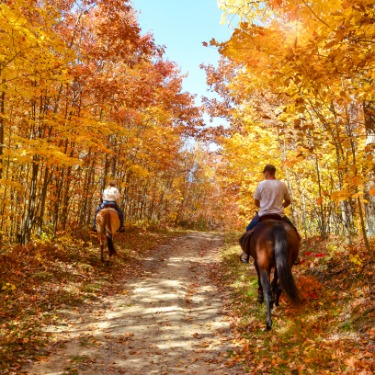
For me, a guided trail ride was the easiest way to test the waters. I didn’t have to commit to lessons right away, and the stable handled most of the preparation. I was given basic instructions, and then we headed out on the trail. It all felt low-pressure, which made it easier to focus on the experience instead of worrying about doing everything right.
My first guided ride taught me more than any research I had done beforehand. I quickly realized how much balance and attention riding actually requires. Even though the pace was relaxed, I still had to stay engaged the entire time.
Consider Your Weekly Schedule
One thing I didn’t fully appreciate at first was how much time horseback riding takes beyond the lesson itself. Even a one-hour session can turn into half a day once you factor in driving, preparation, and sometimes grooming or equipment checks. I learned quickly that it wasn’t just “show up and ride.”
For families with busy schedules like mine, it helped to be realistic about frequency. I found that riding every other weekend felt much more sustainable than trying to commit weekly. Some weeks, I also preferred to treat it as a special outing or short getaway instead of a standing appointment. Keeping it flexible made the hobby feel enjoyable rather than stressful.
Know What Riding Costs
The cost of horseback riding surprised me at first because it varies so much depending on where you go and what type of experience you choose. Guided trail rides are usually priced per person, while private lessons cost more. Group lessons are often more affordable, but you still need to factor in gear and travel.
Always ask the stables what is included in the price before booking. Some provide helmets and basic equipment, while others expect you to bring your own. Try to get the package deals if you’re hanging out with multiple family members!
Begin With Rental Gear
When I took my first lesson, I didn’t own any riding gear, and I didn’t need to! I wore comfortable fitted pants and closed-toe shoes with a small heel, which worked just fine. The stable provided a helmet, so I didn’t have to buy anything upfront.
Starting with rental gear gave me time to decide whether I actually wanted to continue. I didn’t feel pressured to invest in equipment before I even knew if I liked the hobby.
Expect a Physical Workout
I assumed horseback riding would be mostly passive, but boy, was I wrong. Even though the horse does the walking, your body is constantly working. I felt it in my core, legs, and even my arms as I tried to stay balanced and follow instructions.
What surprised me most was how different the workout felt compared to anything else I did. It wasn’t about strength; it was about coordination and control. After my first ride, I definitely felt muscles I didn’t know I was using, and doing some gentle stretches before and after helped a lot during the first couple of sessions.
Decide How Much Animal Care Interests You
One thing I didn’t expect was how much time is spent around the horse before you even ride. Many lessons include grooming or learning basic horse behavior. At first, I wasn’t sure how much I would enjoy that part, but I ended up appreciating it more than I thought I would.
Still, I realized that not everyone wants the same level of involvement. Some people prefer just the riding experience, while others enjoy building a connection with the animal. For me, it helped to try both guided rides and lessons before deciding what I preferred long-term.
Understand That Equipment Fit Matters
Before I started riding, I assumed saddles and gear were pretty universal. I quickly learned that isn’t the case! The way equipment fits the animal really matters for comfort and safety. I even learned about the difference between horse tack versus mule tack, which helped me understand why stables are so careful about matching gear properly.
I don’t consider myself an expert at all, but I do ask more questions now. A good stable will explain what they’re using and why, and they’ll make sure everything fits correctly before you get on.
Check the Stable Before Booking
Over time, I’ve learned that the stable you choose can make or break your experience. I always pay attention to how the staff answers questions and how they treat both riders and horses. A good stable will explain everything clearly and never make beginners feel rushed or uncomfortable. Safety briefings before riding are another sign that the stable takes beginners seriously.
Ask About Family Options
When I ride with family, I always ask about age requirements and whether we can ride together. Some stables separate groups by experience or age, while others allow mixed family rides. Knowing this ahead of time helps avoid surprises and makes planning easier.
Know When the Hobby Feels Right
For me, I didn’t need to feel completely confident right away. What mattered more was whether I wanted to go back. After my first ride, I found myself curious about learning more and improving. That curiosity was the biggest sign that the hobby might be a good fit.
Thinking through whether horseback riding is the right hobby for you really comes down to experience. I started with a guided ride and slowly figured out what worked for my schedule and comfort level. For me, it turned into a rewarding way to spend weekends outdoors without needing a long vacation.
Bio: Casey is a passionate copyeditor highly motivated to provide compelling SEO content. Her expertise spans technical, consumer, and lifestyle industries with an emphasis on readability and detail.