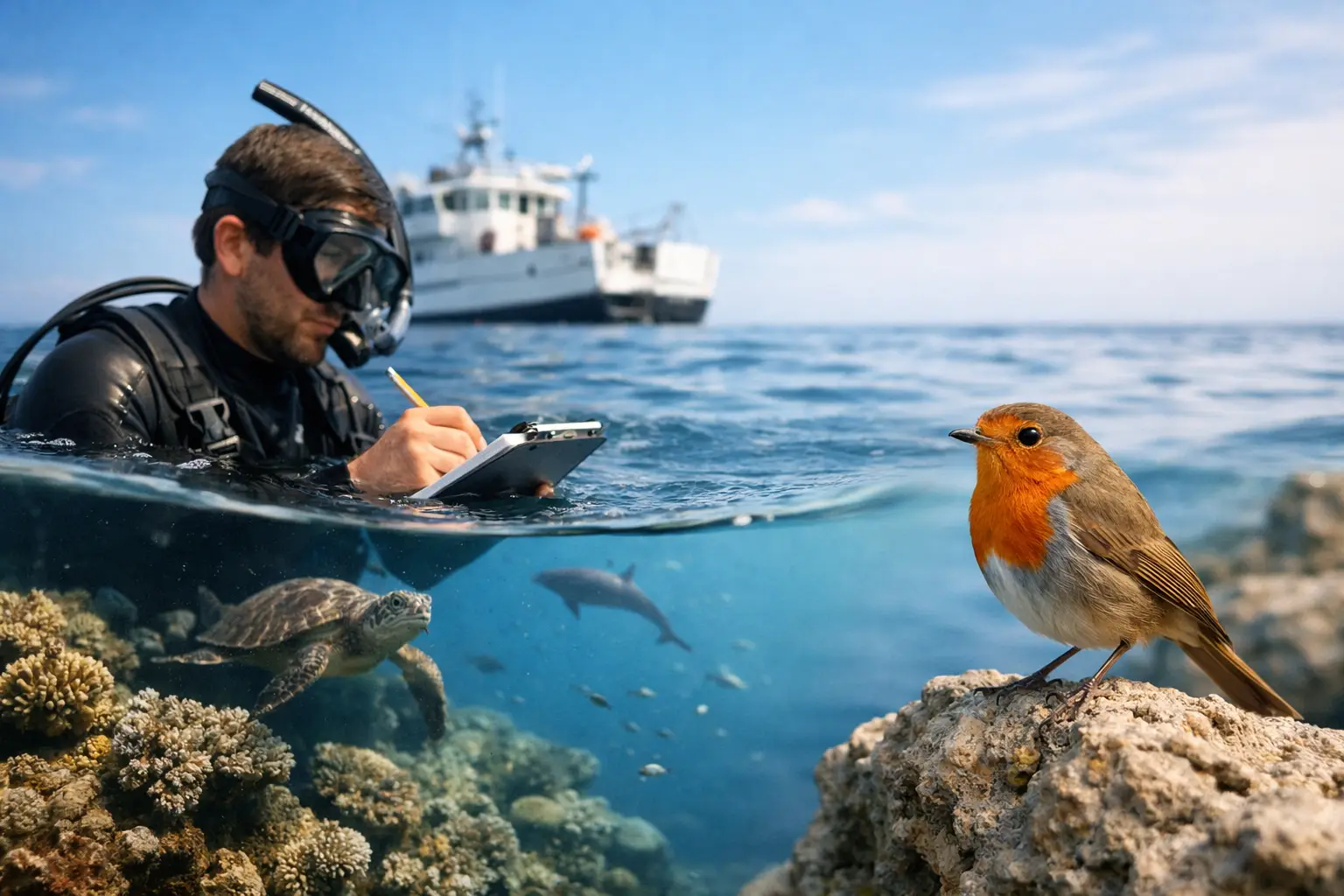
A sea turtle release or coral survey can make marine conservation look like a career built entirely outdoors. The reality is broader, and that is good news for job seekers. Marine conservation job opportunities include science, vessel operations, environmental education, communications, data analysis, public policy, community outreach, and project management. The best route depends on whether you want to collect evidence, influence decisions, educate the public, or keep complex conservation programs moving.
For Americans considering a career change, recent graduates, and people looking for mission-driven work, the field offers meaningful roles but also real competition. Many entry-level positions are temporary, seasonal, grant-funded, or located far from major cities. Understanding where the work happens and what employers actually need can save time and lead to a stronger application.
Where Marine Conservation Job Opportunities Are Found
Marine conservation is not limited to nonprofit organizations. Federal and state agencies, aquariums, universities, fisheries groups, coastal engineering firms, ecotourism operators, museums, ports, foundations, and community organizations all hire people whose work can support healthier oceans and coastlines.
Government roles often focus on fisheries management, habitat protection, coastal resilience, marine protected areas, permitting, environmental compliance, or enforcement. These jobs can offer clearer pay structures and benefits, but hiring timelines may be long and applications can be highly specific. A role with a state coastal agency may involve public meetings and permit reviews as often as beach or boat work.
Nonprofits commonly hire field technicians, restoration coordinators, policy advocates, educators, grant writers, and communications staff. Their work can be fast-moving and purpose-led, although budgets may be tied closely to grants and donor funding. Smaller organizations may give one employee a wide range of responsibilities, which is valuable experience but can mean less predictable hours.
Universities and research institutions employ research assistants, laboratory technicians, graduate researchers, GIS specialists, data managers, and project coordinators. These positions are a strong fit for people who enjoy careful methods and long-term monitoring. They may also be short-term, linked to a research season or a specific funding award.
Private-sector work matters too. Environmental consulting companies hire specialists to assess the effects of coastal construction, offshore energy, dredging, shipping, and development projects. The work may not feel as visibly conservation-focused as wildlife rehabilitation, but sound impact assessments and compliance planning can shape major decisions before a project begins.
The Jobs Behind the Conservation Headlines
Fieldwork remains one of the most visible paths. Marine field technicians may monitor seabirds, tag fish, survey marine mammals, map seagrass, collect water samples, or help restore oyster reefs. Employers often look for comfort around boats, early starts, physically demanding work, variable weather, and precise recordkeeping. A willingness to travel or live temporarily in coastal communities can expand the number of roles available.
Research and data roles are growing in importance. Conservation teams need people who can organize monitoring results, clean datasets, create maps, manage databases, and explain findings without overstating what the evidence shows. Geographic information systems, commonly called GIS, are especially useful for habitat mapping, coastal planning, and tracking changes over time. Statistical skills and familiarity with tools such as R or Python can set applicants apart, although they are not essential for every position.
Education and outreach jobs connect science with the public. An aquarium educator, coastal program coordinator, or community engagement specialist may lead school programs, train volunteers, organize beach cleanups, and work with local fishing or waterfront communities. These roles reward clear communication and patience. A degree in marine biology can help, but experience teaching, organizing events, or working with diverse audiences may matter just as much.
Policy, advocacy, and communications work shape conservation away from the shoreline. Policy analysts follow legislation, prepare briefing materials, and help organizations respond to regulatory proposals. Communications staff translate research into newsletters, media statements, video scripts, campaign materials, and public updates. If your strengths are writing, design, public affairs, or digital strategy, you do not need to become a marine scientist to contribute to ocean protection.
Skills That Employers Notice
A relevant degree can open doors, particularly for science-based positions. Marine biology, ecology, environmental science, fisheries science, oceanography, geography, and environmental policy are common routes. Still, employers usually assess the whole application: practical experience, technical competence, safety awareness, communication, and evidence that you can work reliably with a team.
For field and research positions, useful qualifications can include small-boat experience, first aid and CPR, scientific diving certification, species identification, sample handling, GPS use, and spreadsheet management. Not every employer expects all of these. Scientific diving, for example, is valuable for some reef and monitoring roles but unnecessary for policy, education, fundraising, or office-based coordination work.
Transferable experience deserves more attention than many applicants give it. Managing volunteers at a local park, analyzing customer data, coordinating a community event, writing a grant proposal, or maintaining equipment can all demonstrate capabilities conservation employers need. Frame past work around results: improved attendance, cleaner records, safer operations, stronger partnerships, or projects completed on schedule.
Language skills can also matter. Coastal conservation often requires collaboration across communities, agencies, and international partners. Spanish can be an advantage in many parts of the United States, particularly for public outreach and community-based programs.
How to Build a Stronger Entry Route
Start by choosing a direction rather than applying to every ocean-related opening. A candidate seeking field technician roles needs a different resume from someone targeting communications or policy. Read job descriptions closely and identify repeated requirements. If several openings request GIS, data management, or outreach experience, that is a clearer training signal than a broad social media post about the industry.
Volunteer work can help, but treat it strategically. Look for assignments that build evidence of skill, such as survey support, habitat restoration, education delivery, data entry, or volunteer coordination. A one-day beach cleanup shows interest; a regular role where you learn protocols and take responsibility shows readiness for employment.
Internships and seasonal positions are often the bridge to permanent work. They can be financially difficult, especially if they are unpaid or require relocation. Before accepting, ask practical questions about housing, travel reimbursement, field gear, training, work schedules, supervision, and whether past interns have moved into paid roles. Mission-driven work should not require applicants to ignore basic financial realities.
Your resume should make technical and operational skills easy to scan. Include software, certifications, research methods, boat or field experience, and measurable project outcomes. For a cover letter, connect your experience to the organization’s current work instead of relying on a general statement about loving the ocean. Hiring teams can tell the difference between enthusiasm and preparation.
Hiring Realities Worth Knowing
The sector is rewarding, but it is not a single, easy-to-enter job market. Coastal locations may have higher living costs. Field roles may be seasonal. Grant cycles can affect job security. Some positions require advanced degrees, while others prioritize hands-on experience and a reliable work record. Pay can vary widely between government, nonprofit, academic, and consulting employers.
Do not assume a job title tells the full story. A conservation coordinator may spend most of the week handling budgets, reports, and partner calls. A research assistant may spend more time processing samples in a lab than working on a boat. Ask what a typical week looks like, how success is measured, and how much travel or field time the role really involves.
It also helps to widen the search beyond roles containing the word marine. Jobs in coastal resilience, watershed management, environmental justice, fisheries, habitat restoration, sustainability, and climate adaptation may use the same core skills while creating pathways into ocean-focused work later.
A career in marine conservation is built through useful contributions, not just passion for the sea. Choose one practical skill to strengthen, seek experience where your work can be verified, and keep watching the organizations and public agencies shaping your local coast. The next opportunity may begin with a spreadsheet, a community meeting, or a muddy pair of field boots.