Rockin Robin SongFlying The Web For News.


Global World Topics

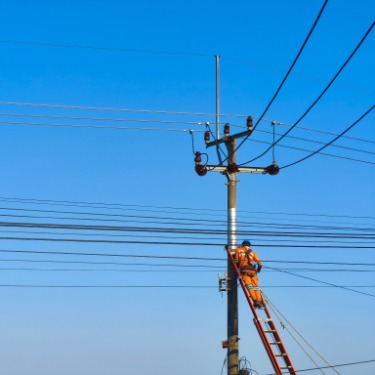
Why Ground-Line Protection Matters for Utility Poles

Utility poles support the electrical systems communities use every day. However, one of the most vulnerable parts of a pole sits right at the soil surface. Moisture and environmental exposure can gradually weaken this area. Ground-line protection helps utilities address that risk before deterioration threatens reliability.

Recent severe weather has also increased attention on grid resilience. Storms, flooding, and high winds can expose weaknesses across distribution networks, leaving thousands of people without power.

Utilities need infrastructure that can handle both everyday stresses and extreme conditions. Ground-line protection matters for utility poles since it supports that goal from the foundation up.

Why the Ground Line Faces Greater Risk

The ground line marks the point where a utility pole enters the soil. This area regularly encounters moisture, oxygen, insects, and changing soil conditions. Those factors can accelerate deterioration in vulnerable pole materials. Damage may develop slowly, making regular attention especially important.

Conditions can differ considerably between service territories. Frequent rain may keep soil wet, while drought can cause the ground to shrink around poles. Drainage problems can also increase moisture exposure. Ground-line protection gives utilities another defense against these changing conditions.

How Protection Preserves Structural Strength

Utility poles carry conductors, transformers, communications equipment, and other important hardware. They must remain structurally sound while supporting these loads for years. Deterioration near the ground can reduce that strength. The pole may still look healthy higher up while serious damage develops below.

Ground-line protection targets this particularly vulnerable section. Depending on pole material and system requirements, utilities can use appropriate protective treatments or barriers. These measures help limit exposure to conditions that contribute to deterioration. They also complement inspections and other preventive maintenance.

Preserving strength becomes even more important when utilities add equipment. Growing communities can require new electrical capacity or additional communications infrastructure. Existing poles may need evaluation before crews make those changes. A well-maintained ground-line area gives engineers a stronger starting point.

Why Severe Weather Raises the Stakes

Major storms continue to show how closely communities depend on reliable electrical infrastructure. High winds can pull on conductors, while falling trees can place sudden loads on poles. Flooding may saturate the soil around pole foundations. Existing deterioration can make those challenges harder for infrastructure to withstand.

Utilities cannot control when extreme weather arrives. They can, however, address known vulnerabilities before a storm develops. Ground-line protection fits into that preventive approach. It helps preserve the structural condition that poles need when environmental forces become more demanding.

Storm resilience also affects recovery efforts after severe weather. Crews already face fallen trees, damaged conductors, blocked roads, and other obstacles during restoration. Preventable pole failures can add more work. Strong infrastructure helps utilities focus resources on damage maintenance that could not reasonably be prevented.

Inspections Reveal Problems Before Failure

Ground-line protection should work alongside regular pole inspections. Crews need to examine structures for deterioration, cracks, insect activity, mechanical damage, and soil changes. These inspections help utilities understand current pole conditions. They can then prioritize maintenance based on actual field findings.

Common warning signs around the ground line can include:

  • Visible deterioration near the soil surface
  • Cracks or material loss around the pole base
  • Insect activity near vulnerable materials
  • Erosion that reduces surrounding soil support
  • Unexpected leaning or movement

Inspection records can provide valuable information over time. Crews can compare new findings with previous observations to determine whether deterioration has progressed. That history helps utilities distinguish minor concerns from developing structural problems. Better information supports more focused maintenance decisions.

Proper Construction Creates a Strong Foundation

Ground-line protection represents one part of responsible pole management. Utilities must also choose structures that suit expected loads and environmental conditions. Installation depth and soil characteristics can influence long-term stability. Engineers need to account for these factors before crews place a pole into service.

Understanding the construction requirements for power line poles also provides important context for long-term performance. Proper specifications help ensure poles can handle expected equipment and environmental loads. Protection then helps preserve the structure after installation. These efforts work together rather than functioning as separate concerns.

Ground Conditions Never Stay Completely Still

A pole can remain in one location for decades while the surrounding environment changes. Soil may erode, compact, shift, or retain more moisture than it once did. Landscaping and development can also change water movement. These gradual changes can affect conditions at the ground line.

Weather patterns add another consideration. Extended drought can dry soil, while periods of heavy rain can quickly increase moisture levels. Flooding can expose some poles to unusually wet conditions for extended periods. Utilities benefit from maintenance programs that recognize these environmental shifts.

Location can influence risk significantly. A pole near a drainage area may face different conditions than one installed on higher, drier ground. Coastal regions can create different challenges from inland environments. Utilities can use local information to guide inspection and protection decisions.

Longer Pole Life Can Reduce Disruption

Pole replacement involves more work than simply installing a new structure. Crews may need specialized equipment, traffic management, electrical coordination, and site restoration. Nearby services may also require temporary adjustments during the project. Avoiding premature replacements can therefore reduce operational disruption.

Ground-line protection can support longer service life when paired with proper maintenance. It does not make a pole permanent or eliminate eventual replacement. Instead, it helps utilities manage environmental exposure at a known vulnerable point. That approach can help preserve otherwise serviceable infrastructure.

Longer service life can also support better capital planning. Utilities often manage thousands of poles across large geographic areas. Extending the usefulness of sound structures lets organizations prioritize poles with greater needs. Maintenance dollars can then support infrastructure where investment matters most.

Preventive Maintenance Supports Grid Resilience

Grid resilience often makes news after hurricanes, wildfires, tornadoes, or widespread outages. Yet resilience also depends on maintenance that happens long before an emergency. Utilities can reduce certain risks by identifying deterioration early. Ground-line protection provides one practical way to address a predictable area of exposure.

Preventive work cannot eliminate every outage or infrastructure failure. Extreme events can overwhelm even well-maintained systems. Still, stronger structures give utilities a better foundation for reliability. Protecting vulnerable ground-line areas contributes to that broader resilience strategy.

Protection Starts Where the Pole Meets the Ground

Ground-line protection may not attract attention in major grid projects, but it remains important for utility poles. It helps utilities manage moisture, changing soil conditions, and other threats near a critical structural area. Regular inspections make that protection even more effective. Together, these practices support stronger utility infrastructure.

Communities increasingly expect electrical systems to withstand changing demands and severe weather. Utilities therefore need to examine both advanced technology and basic structural maintenance. Protecting poles at ground level addresses a small area with significant consequences. Reliable infrastructure truly starts from the ground up.


Bio: Casey is a passionate copyeditor highly motivated to provide compelling SEO content. Her expertise spans technical, consumer, and lifestyle industries with an emphasis on readability and detail.




More News From This Category
Mulching Habits That Support Healthy Garden Soil
Thu, 03 Sep 2026 11:24:00 +0000

A gloved hand spreads wood mulch around small green plants, covering soil to retain moisture and improve garden health.

Healthy gardens begin below the surface, where moisture, air, and organic matter work together to support strong roots. While many gardeners focus on watering schedules or fertilizer choices, mulching habits that support healthy garden soil can influence how well plants grow throughout the season. A thoughtful approach to mulch creates a more balanced growing environment, giving flowers, vegetables, and shrubs a better foundation without requiring constant attention.

Read More ...


How to Become a Pro Bowler and Get Tournament Ready
Thu, 03 Sep 2026 04:11:45 +0000

A 220 average at your local center gets attention. It does not automatically get you paid. If you are asking how to become a pro bowler, the real answer is less about one big score and more about building repeatable skills, proving them in stronger competition, and preparing for the financial reality of tournament bowling.

Professional bowling rewards precision, patience, equipment knowledge, and the ability to adjust when the lane condition changes. The bowler who dominates a familiar house shot on Tuesday night may face a very different test at a regional event. That gap is where a serious plan matters.


How to Become a Pro Bowler and Get Tournament Ready

Know What “Pro Bowler” Means

For many players, becoming a pro means competing in sanctioned professional events and earning money through tournament performance. In the United States, the Professional Bowlers Association is the best-known pathway for men and many elite competitors, while the Professional Women’s Bowling Association provides a major professional route for women. There are also regional tours, local paid events, coaching work, pro-shop careers, brand work, and exhibition opportunities.

That distinction matters because professional status is not one fixed paycheck or one guaranteed contract. A small number of bowlers make a comfortable living primarily from tournament earnings. Many more combine competition with coaching, pro-shop work, league income, content creation, sponsorship relationships, or another career. There is nothing less serious about that model. It is often the sensible way to stay in the game long enough to improve.

Before you spend heavily on travel or equipment, decide what success means to you. Are you pursuing a full-time tour career, trying to qualify for high-level events, or looking to become a respected paid competitor in your region? Each goal calls for a different budget and timetable.

How to Become a Pro Bowler: Build a Competitive Foundation

Start with a clear view of your current game. A high average is useful, but it is only one data point. Track your scores across different bowling centers, lane patterns, oil volumes, and event formats. If your average falls sharply whenever the lanes are less forgiving, that is not a reason to quit. It is the information you need.

A competitive foundation begins with a repeatable physical game. Your approach, timing, release, balance at the foul line, and follow-through should hold up under pressure. Film yourself from behind and from the side. Look for changes in shoulder position, drifting feet, a rushed swing, or a finish that causes you to grab the ball. Small physical inconsistencies become expensive when a tournament requires dozens of games.

A qualified bowling coach can shorten this process. Good coaching is not just about copying another player’s style. It identifies what your body can repeat safely, then gives you drills that solve a specific problem. A player with inconsistent speed needs a different plan than a player who misses at the breakpoint or struggles to read transition.

League bowling is the right starting point, but choose leagues that challenge you. Enter a competitive scratch league when you are ready, because handicap formats can hide technical weaknesses. Bowl against stronger players, watch their adjustments, and ask thoughtful questions after the set. Most experienced competitors remember being the newcomer, especially when they see someone putting in honest work.

Learn to Read Lanes, Not Just Chase the Pocket

The biggest jump from good league bowler to tournament-ready player is usually lane play. On a typical house condition, the oil pattern often helps send slightly missed shots back toward the pocket. Sport conditions and tournament patterns can punish the same miss immediately.

Learn the language of ball motion. Skid is the ball moving through the front part of the lane. Hook is the direction change as it encounters friction. Roll is the stable forward motion as it drives through the pins. Watching those phases tells you more than simply seeing whether you struck.

Practice with a purpose. Instead of throwing game after game from one line, spend time making controlled moves. Try moving your feet and target together. Change speed while keeping your hand position consistent. Play farther inside, then farther outside. Notice how a ball that looks perfect early in a session may burn up or skid too long later as the pattern changes.

You also need a working equipment strategy. A professional bowler does not carry multiple balls just for appearance. Different coverstocks, surfaces, cores, and layouts create different shapes on the lane. Still, buying every new release is not a development plan. Build a versatile arsenal around the conditions you actually bowl, and work with a trusted pro-shop operator who understands your game.

A practical starting arsenal often includes a stronger ball for fresh oil, a smoother option for control, a cleaner ball for transition, and a dependable spare ball. The exact choices depend on your speed, rev rate, axis rotation, and local conditions. What works for a high-rev two-handed player may be completely wrong for a speed-dominant stroker.

Compete Before You Commit to Touring

Tournament experience exposes weaknesses that practice cannot. Start with local scratch tournaments, state events, open competitions, and regional stops where available. The goal is not to win your first time out. It is to learn what happens to your decision-making when every shot matters.

Keep a tournament notebook or digital record. Write down the center, lane pattern if known, equipment used, starting line, moves, ball changes, scores, and what you learned. Over time, this becomes evidence of your growth. It also helps you avoid vague conclusions such as “the lanes were impossible” when the actual issue was failing to move before transition took away your look.

Pay attention to format. A short qualifying block rewards fast adjustments. Match play adds pressure, scoring pace, and opponent awareness. Long events test physical durability and concentration. Bowlers who excel in one format may need more work in another.

Do not judge readiness from a single hot weekend. Look for results over a season. Are you cashing occasionally in quality fields? Are your low blocks becoming less damaging? Can you make useful adjustments without panicking? Consistency is a more reliable signal than one exceptional series.

Prepare for the Business Side of Professional Bowling

Touring is a financial decision as much as an athletic one. Entry fees, travel, hotels, meals, practice sessions, equipment, coaching, and vehicle costs add up quickly. Prize money is never guaranteed, and a poor stretch can drain a budget fast.

Set aside a separate competition fund. Estimate the full cost of each event before registering, including the money you could lose if you do not cash. Many emerging players limit travel to events within driving distance at first, then expand only when their performance and savings justify it.

Sponsorship can help, but it is rarely the starting line. Brands generally want more than a promising average. They look for results, professionalism, reliability, audience reach, local reputation, and a player who represents them well. Treat every conversation with a center manager, tournament director, teammate, and pro-shop staff member as part of your professional reputation.

Create a simple player profile with your competitive record, current goals, a short biography, and clear contact details. If you post online, share useful practice clips, event updates, and honest lessons from competition. Avoid making promises you cannot keep or presenting yourself as a touring star before your record supports it. Credibility travels quickly in bowling circles.

Train Like an Athlete

Bowling is skill-heavy, but tournament bowling is physically demanding. Repeated deliveries can stress the wrist, fingers, shoulder, back, hips, knees, and sliding leg. Strength and mobility work can improve control while reducing injury risk.

Focus on balance, leg strength, hip mobility, core stability, grip health, and shoulder conditioning. You do not need to become a bodybuilder. You need to maintain your mechanics late in a long block, recover between events, and avoid turning soreness into a serious injury. If pain persists or changes your release, seek advice from an appropriate medical professional rather than bowling through it.

Mental training deserves the same respect. Build a pre-shot routine that settles your attention on the target, speed, and execution. After a bad shot, evaluate it briefly, make a decision, and move on. Emotional reactions consume focus that you will need later in the set.

Take the Next Formal Step

When your local tournament record and preparation suggest you are ready, review the current membership, eligibility, and event-entry requirements directly through the professional organization or tour you want to enter. Rules, divisions, fees, and qualification procedures can change, so use current official information instead of relying on an old social media post or a friend’s experience from several years ago.

Choose one or two events that fit your skill level, schedule, and budget. Arrive early, practice with a plan, and treat the first experience as a professional test rather than a verdict on your potential. The players who last are usually not the ones who never struggle. They are the ones who turn every difficult block into better information for the next one.

Keep chasing measurable progress: cleaner spare shooting, smarter moves, stronger finishes, and better decisions under pressure. The path to paid competition is built one demanding frame at a time, and the work you do when nobody is watching is what gives those frames a chance to matter.

Read More ...


The Best Nail Care Routine for Frequent Gardeners
Wed, 02 Sep 2026 11:22:01 +0000

A smiling woman gardener in a plaid shirt holds a watering can among flowers and green plants in a lush garden.

If you spend your weekends digging in the dirt, you already know that gardening can wreck your nails. The best nail care routine for frequent gardeners helps you protect your hands while you keep tending your plants. A few small habits can keep your nails strong and healthy all season long, so you never have to choose between a beautiful garden and beautiful hands.

Read More ...


How to Add a Background Image to iPhone Texts
Wed, 02 Sep 2026 04:12:42 +0000

A favorite vacation photo can make an everyday message thread feel more personal than another plain screen of bubbles. If you are searching for how to add a background image to iPhone texts, the answer depends on which version of iOS your phone runs and whether the conversation uses Apple’s iMessage service.

Recent iPhone software versions let users add a visual background to supported Messages conversations. You can choose a photo, a built-in option, or a generated image where available. It is a small customization feature, but it comes with one major consideration: in many iMessage chats, the background is part of the shared conversation experience, not simply a private theme for your own screen.


How to Add a Background Image to iPhone Texts

How to Add a Background Image to iPhone Texts

Start by opening the Messages app and selecting the individual or group conversation you want to personalize. This setting applies to that conversation, so you can use a different background for a family group, a close friend, or a planning thread.

Follow these steps:

  1. Tap the person’s name, group name, or profile images at the top of the conversation.
  2. Look for the Backgrounds option in the conversation controls.
  3. Choose a built-in visual style, select a photo from your library, or create an image if that choice is available on your device.
  4. Adjust the image placement or appearance if the screen provides those controls.
  5. Tap the confirmation option, such as Set Background or Done, to apply it.

Return to the conversation to check the result. A busy photo may look great in the preview but make message bubbles and timestamps harder to read. If that happens, use a calmer image with open space, less contrast, or a softer color palette.

The exact labels can differ slightly by iOS release. If you have recently updated your iPhone, Apple may also place the control behind the contact or group information screen rather than on the main message screen.

Check Whether Your iPhone Supports Message Backgrounds

The Backgrounds control is available only on iPhones running a compatible version of iOS. If you open a conversation’s details and do not see it, first check for a software update in Settings, then General, then Software Update.

Older versions of iOS do not offer a native way to place a photo behind individual text conversations. They may let you change the iPhone wallpaper, customize a contact photo, alter display settings, or use effects in messages, but those are separate features. Changing your Home Screen or Lock Screen wallpaper does not change the background inside Messages.

Also pay attention to the type of conversation. Blue message bubbles indicate iMessage, while green bubbles generally indicate SMS or MMS messaging. An iPhone text thread that includes non-Apple phones may not support every iMessage personalization feature. A group chat can also behave differently when one or more members are using an older device or unsupported software.

What Other People Can See

Before choosing a background image, treat it as something that may be visible to the people in the chat. A background set for a shared iMessage conversation can be seen by other participants with compatible Apple software. That makes it useful for a birthday group, a trip-planning chat, or a family thread, but less suitable for a private photo you would rather keep to yourself.

Recipients using older iOS versions may not see the new design as intended. Participants on Android phones are also unlikely to receive the same visual treatment through standard texting. The messages still work, but the shared background experience may be limited to supported Apple devices.

For group chats, use a photo that everyone will be comfortable seeing. A scenic landscape, a pet photo, team colors, or a simple abstract image usually works better than a tightly cropped personal portrait. Remember that people may reopen the conversation weeks later, long after the event that inspired the design has passed.

Choosing a Photo That Works Behind Texts

The best image for a Messages background is not always the best photo in your camera roll. Your main goal is readability. Message bubbles cover much of the image, while the remaining visible areas sit around the edges of the screen.

Photos with a clear subject positioned toward one side often work well. A beach horizon, cloudy sky, mountain view, subtle pattern, or blurred city lights can add personality without creating visual clutter. Very dark images can make parts of the interface feel heavy, while highly detailed shots can compete with names, timestamps, and reactions.

Avoid using screenshots that show private information, documents, home addresses, boarding passes, work screens, or other details that should not be repeatedly visible in a conversation. Even when a photo seems harmless, zoom in before setting it. Background images can reveal more than expected when someone views the thread on a larger phone screen.

If you want a cleaner look, choose one of Apple’s built-in backgrounds instead of a personal photo. This is often the better option for a work-related group chat, school planning thread, or neighborhood conversation where a neutral design feels more appropriate.

How to Change or Remove the Background

You are not locked into the first image you choose. Open the same conversation information screen, select Backgrounds, and choose another design or photo. To return the chat to its standard appearance, look for an option such as Remove Background, Reset, or a plain default style.

Changing the background is useful when a seasonal image no longer fits or when a group chat shifts from one purpose to another. A background used for a vacation planning thread may feel out of place once the conversation becomes a general family chat.

If a newly set background is distracting, do not spend time trying to force it to work. A simple image usually provides a better messaging experience than an elaborate one. The feature should make a thread easier and more enjoyable to return to, not turn every reply into a visual puzzle.

If You Cannot Find the Background Option

A missing Backgrounds button usually has a straightforward cause. Your iPhone may need an iOS update, the conversation may not be using iMessage, or the other members of a group thread may not meet the feature requirements. In some cases, Apple rolls out visual options with specific software versions, so availability can vary by device model and installed update.

Try closing and reopening Messages after an update. Then open a blue-bubble conversation, tap the name at the top, and review the available options again. If the feature is still absent, your phone may not support that Messages version yet.

Be cautious with third-party apps that claim to add text-message backgrounds to the built-in Messages app. They usually cannot change Apple Messages itself. Some only create image-based message templates, change an app’s own interface, or ask for permissions that are unnecessary for basic customization. The built-in iPhone setting is the safest route when it is available.

A Quick Note on Text Effects and Wallpapers

Message backgrounds are different from bubble effects, screen effects, stickers, and personalized contact posters. Those features can add movement or visual identity to a text, but they do not place a lasting image behind the entire conversation.

Likewise, changing the iPhone’s main wallpaper affects the Lock Screen and Home Screen only. If your goal is to give one specific chat a distinct look, use the conversation background control rather than the general wallpaper settings.

A well-chosen background can help a busy chat feel recognizable at a glance. Keep it readable, choose an image you are comfortable sharing, and change it whenever the conversation calls for a fresh start.

Read More ...


The Hidden Costs of Inefficient Metal Fabrication Processes
Tue, 01 Sep 2026 11:19:48 +0000

A metal fabrication machine is working on a sheet of metal. Sparks are flying of the metal.

Metal fabrication is an industry where small inefficiencies can have surprisingly large financial consequences. A few extra minutes spent setting up equipment, slightly higher-than-necessary material waste, or an unexpected machine shutdown may not seem significant on its own. Repeated across hundreds of jobs and thousands of production hours, however, these problems can steadily erode a company's margins.

Read More ...


Related Bing News Results
Everything that happened during the second week of the 2026 World Cup as the knockout bracket started to take shape
Sun, 21 Jun 2026 21:04:00 GMT
The 2026 FIFA World Cup is in progress in the United States, Canada and Mexico, and you can follow the latest tournament news and analysis right here. We will be live every minute of every day for all ...

World News - Latest and Breaking Coverage - Yahoo News
Mon, 19 Jan 2026 11:02:00 GMT
The latest world news and headlines from Yahoo News and international publishers, breaking stories, ongoing events, and coverage ...


Blow Us A Whistle


RobinsPost Print On Demand Refund Policy With Printify
Printify

Related Product Search/Búsqueda de productos relacionados

Amazon Logo