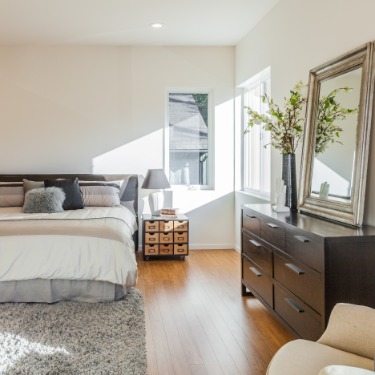
A bedroom should feel comfortable from the moment you enter. Its overall size can influence the layout, but thoughtful design often matters much more than square footage. A smart approach can transform an awkward room into a welcoming personal space that feels open and easy to use.
Function starts with understanding how the room supports everyday life. Furniture needs enough space around it, and the layout should feel natural rather than restricted. When each part of the bedroom has a clear purpose, the entire space starts to feel more comfortable.
Visual balance also plays an important role. Furniture that suits the room creates harmony without making the interior feel empty or crowded. The secrets of having a functional and spacious bedroom will bring purpose and personality together in a way that supports rest and everyday comfort.
Begin With Your Daily Routine
The best bedroom layout reflects how you use the space. Think about where you naturally walk after entering and how easily you can reach the areas you use most. Furniture should support these habits rather than force you to move around unnecessary obstacles.
A comfortable layout often feels effortless because everything sits where you expect it. Furniture placement should make daily tasks simple without sacrificing valuable open space. Once the room supports natural movement, it can immediately feel larger and more inviting.
Give Every Piece a Purpose
Furniture can quickly consume space when pieces lack a clear role. Before adding something new, consider whether it genuinely supports the way you use your bedroom. A thoughtful approach keeps unnecessary furniture from gradually taking over valuable areas.
Purposeful furniture also makes the room easier to maintain. When each piece supports a real need, the bedroom feels intentional rather than crowded. This sense of order can make even modest dimensions seem much more generous.
Find a Bed That Fits Naturally
The bed usually has the strongest presence within a bedroom. An oversized model can quickly consume available space and leave the rest of the room feeling cramped. Choosing suitable proportions allows the bed to remain comfortable without overwhelming everything around it.
One of the best well-kept secrets is learning how to maximize your bedroom space with the right bed; this will create a more comfortable room that feels open and purposeful. The right dimensions leave enough space around the bed for natural movement. This balance helps the bedroom feel generous without requiring additional square footage.
Take Advantage of Wall Space
Bedrooms often contain unused wall areas that can support better organization. Vertical storage can provide extra room for personal possessions without consuming much floor space. The right proportions keep these features useful without making the walls feel crowded.
Wall-mounted features can also reduce pressure on other furniture. They create additional space for possessions that might otherwise collect across dressers or bedside surfaces. Careful placement keeps the bedroom open without sacrificing access to important personal items.
Protect Valuable Floor Space
Open floor space gives a bedroom room to breathe. When furniture extends too far into natural paths, even a large room can begin to feel confined. Thoughtful placement keeps important areas accessible without leaving awkward gaps.
Furniture does not need to cover every empty section of the bedroom. Allowing some areas to remain open can make the overall layout feel calmer and more deliberate. The extra space also creates greater flexibility as your needs change.
Reduce Visual Clutter
A bedroom can feel crowded even when furniture placement works well. Excess possessions across visible surfaces create visual noise that makes the room seem much busier. Clearer surfaces allow the eye to move through the space more comfortably.
Storage works best when it reflects your normal habits. Personal possessions should have practical places that make them easy to access without leaving them exposed. A more controlled environment creates a calmer atmosphere without making the bedroom feel overly plain.
Choose Furniture With Better Proportions
Furniture should complement the dimensions of the bedroom. Pieces that appear too large can dominate the space and make nearby areas seem smaller. More appropriate proportions allow each item to serve its purpose without demanding excessive attention.
Scale also affects the relationship between furniture pieces. A large bed beside extremely small furniture can create an awkward appearance that disrupts the entire room. Better proportion creates visual harmony and helps the space feel thoughtfully designed.
Bring More Light Into the Room
Light can completely change the way a bedroom feels. Dark corners often make boundaries seem tighter, whereas brighter areas give the room a greater sense of depth. Keeping natural light accessible can help the interior appear more open.
Artificial light can support the same effect after sunset. Thoughtful placement spreads illumination throughout the bedroom instead of concentrating brightness within one small area. A well-lit room feels more comfortable because its full dimensions remain visually accessible.
Keep the Design Visually Calm
Too much decoration can make a bedroom feel smaller. When numerous objects compete for attention, the room can lose the peaceful character expected from a private retreat. A more focused approach allows meaningful decor to have greater impact.
Visual calm does not require an empty or impersonal bedroom. Carefully chosen details can add warmth without overwhelming furniture or available space. The room feels more refined when decorative choices support its overall character rather than dominate it.
Allow the Space to Evolve
Bedroom needs can change as routines and personal priorities evolve. Furniture that once served an important purpose may eventually take up space without offering enough value. Revisiting the layout can reveal opportunities to create a more comfortable environment.
Even a small adjustment can change how the entire room feels. A different furniture position may open areas that previously seemed narrow or difficult to use. Remaining flexible helps the bedroom continue to support your lifestyle without unnecessary additions.
The secrets of having a functional and spacious bedroom come from thoughtful decisions rather than room size alone. Every furniture choice should respect the available space and support the way you use the room. When the layout feels natural, comfort follows without the need for excessive additions.
A well-designed bedroom gives you enough room to move comfortably without sacrificing personality. Purposeful furniture and thoughtful proportions can create an environment that feels much larger than expected. The result is a personal space that supports rest and feels pleasant every time you enter.
Your bedroom should ultimately work around your life rather than force you to adapt to an inconvenient layout. Small changes can have a significant effect when each decision responds to the room itself. With careful attention to space, the bedroom can remain functional and inviting for years.
Bio: Casey is a passionate copyeditor highly motivated to provide compelling SEO content. Her expertise spans technical, consumer, and lifestyle industries with an emphasis on readability and detail.