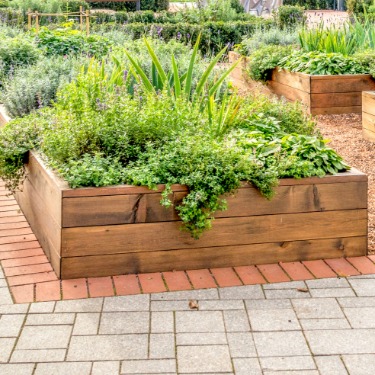
Raised garden beds offer an excellent way to grow thriving plants while maintaining greater control over soil conditions and growing space. However, successful gardening requires more than filling a wooden frame with soil and planting seeds. Learning how to maintain healthy raised garden beds helps gardeners create an environment that supports strong roots and consistent growth throughout the season. Raised beds face unique challenges because their elevated soil can dry out quickly and gradually lose essential nutrients. With proper attention, gardeners can prevent common problems and encourage productive harvests year after year. A thoughtful maintenance routine keeps the growing environment balanced while making gardening more enjoyable.
Maintain Healthy Soil Conditions
Healthy soil provides the foundation for a productive raised garden bed. Unlike traditional garden plots, raised beds contain a limited amount of soil that requires regular attention to maintain its structure. Over time, watering and natural decomposition can cause soil levels to drop.
Check your soil depth at the beginning of each growing season. Add fresh garden soil or finished compost when necessary to restore the appropriate level. Avoid filling beds completely to the rim because leaving some space helps contain water during irrigation.
Pay attention to soil texture as well. Healthy soil should feel loose enough for roots to spread while retaining sufficient moisture. If the surface becomes compacted, gently loosen the upper layer with a hand cultivator. Avoid disturbing established roots or digging excessively into deeper soil.
Replenish Nutrients With Compost
Plants gradually consume the nutrients available in raised garden beds. Without regular replenishment, soil fertility declines and plants may struggle to develop healthy foliage. Adding organic matter helps restore nutrients while improving the soil's ability to retain moisture.
Spread a layer of finished compost across the soil before planting each season. Gently incorporate it into the upper few inches without disrupting the deeper soil structure. Compost supports beneficial microorganisms that help break down organic material and release nutrients.
Different plants require varying amounts of nutrition. Heavy feeders, such as tomatoes and squash, may benefit from additional fertilizer during active growth. Follow product recommendations carefully because excessive fertilizer can damage roots or encourage unnecessary foliage growth.
Establish a Consistent Watering Routine
Raised garden beds often dry out faster than traditional garden plots because their elevated structure exposes more soil to surrounding air. Consistent watering helps prevent moisture fluctuations that can stress plants and interfere with healthy development.
Check soil moisture by inserting your finger several inches beneath the surface. If the soil feels dry at that depth, provide water slowly until moisture reaches the root zone. Avoid relying solely on the appearance of the surface because deeper soil may still contain sufficient moisture.
Consider installing a drip irrigation system to deliver water directly around plant roots. This approach reduces unnecessary evaporation and limits moisture on leaves. Water during the morning whenever possible so plants can absorb moisture before afternoon temperatures rise.
Apply Mulch To Protect the Soil
Exposed soil loses moisture quickly during warm weather and creates opportunities for weeds to establish themselves. Understanding why mulching is essential for healthy garden beds helps gardeners maintain more stable growing conditions throughout the season.
Spread organic mulch around established plants while leaving a small gap around their stems. Shredded leaves or untreated straw can help insulate the soil and reduce evaporation. As these materials decompose, they contribute additional organic matter to the growing environment.
Monitor mulch thickness throughout the season. Replace material that breaks down or becomes displaced, but avoid creating excessively thick layers that prevent water from reaching the soil. Proper mulch coverage also reduces soil splashing onto leaves during heavy rainfall.
Prevent Weeds From Taking Over
Weeds compete with garden plants for valuable moisture and available nutrients. Although raised beds generally offer easier weed management, unwanted plants can still appear through airborne seeds or contaminated soil.
Inspect your beds regularly and remove weeds while they remain small. Pull gently near the base to extract the roots without disturbing nearby vegetables. Working after light watering often makes removal easier because moist soil releases roots more readily.
Avoid allowing weeds to flower or produce seeds. Consistent removal prevents future infestations and reduces the time required for maintenance. Dense planting can also shade exposed soil, although gardeners should preserve enough space for healthy airflow.
Monitor Plants for Pest Problems
Garden pests can damage foliage and weaken plants when populations grow unchecked. Regular inspections help gardeners identify developing problems before insects cause extensive damage.
Examine both sides of leaves for unusual markings or visible insects. Look for holes in foliage and signs of distorted growth. Remove affected leaves when appropriate, and identify the pest before choosing a treatment.
Encourage beneficial insects by growing flowering plants near your raised beds. These natural predators can help control certain pest populations without unnecessary chemical applications.
If pests persist, select treatments appropriate for the affected plants and follow label instructions. Avoid applying products indiscriminately because some treatments can harm beneficial insects.
Improve Airflow Through Proper Spacing
Crowded raised garden beds create conditions that encourage fungal diseases. When plants grow too closely together, their leaves restrict airflow and retain moisture after watering.
Follow recommended spacing guidelines when planting seeds or transplanting seedlings. Consider each plant's mature size rather than its appearance during early growth. Proper spacing gives roots room to develop and allows sunlight to reach surrounding foliage.
Prune damaged leaves when necessary and remove plant debris from the soil surface. Support climbing vegetables with trellises to encourage vertical growth and prevent sprawling stems from overcrowding neighboring plants.
Rotate Crops Between Growing Seasons
Growing the same vegetables in one location repeatedly can increase disease pressure and create nutrient imbalances. Crop rotation helps reduce these problems by changing which plant families occupy particular sections of the garden.
Keep simple records of what you grow in each bed. During the following season, move crops to different locations whenever space permits. Avoid placing closely related vegetables in the same soil year after year.
For gardeners with limited space, rotating crops may prove challenging. In these situations, focus on removing diseased plant material and replenishing soil nutrients between growing seasons.
Keep Your Raised Beds Productive
Understanding how to maintain healthy raised garden beds allows gardeners to address small problems before they affect plant growth. Consistent watering and thoughtful soil management create a dependable foundation for successful gardening. Regular inspections also help identify pests or changing plant needs before significant damage occurs. By maintaining healthy growing conditions throughout each season, gardeners can enjoy stronger plants and more rewarding harvests.
Bio: Casey is a passionate copyeditor highly motivated to provide compelling SEO content. Her expertise spans technical, consumer, and lifestyle industries with an emphasis on readability and detail.