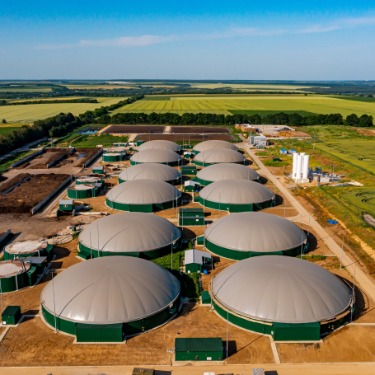
Organic waste holds considerable energy potential, but capturing that energy doesn't automatically make the process environmentally responsible. A biogas facility may divert food waste from landfills and generate renewable fuel while still releasing methane through poorly maintained equipment. Even the materials remaining after digestion require careful handling to prevent pollution.
These concerns reveal why environmental challenges in biogas production deserve attention alongside the technology's renewable energy benefits. Understanding where environmental risks originate helps facility operators evaluate the broader consequences of their operations.
Biogas forms through anaerobic digestion, a biological process in which microorganisms break down organic matter without oxygen. Facilities capture the resulting methane-rich gas for energy use, but its environmental value depends on how effectively they control emissions and manage processing residues.
Methane Leakage Can Undermine Climate Benefits
Capturing methane from decomposing organic waste can benefit the environment, but facilities must prevent leaks before using the gas. Aging valves and connections can release methane, while gas-handling equipment and digestate storage present further emission risks.
Because methane warms the atmosphere more strongly than carbon dioxide over shorter periods, routine leak detection and prompt repairs deserve particular attention.
Operators can use gas detection equipment to identify leaks around vulnerable components. Regular inspections can also reveal maintenance problems that might otherwise go unnoticed. However, methane monitoring shouldn't end at the digester.
Digestate can continue releasing methane when residual organic matter decomposes under oxygen-free conditions during storage. Facilities should account for these emissions when evaluating their overall climate performance.
Operating conditions also influence methane losses. Equipment malfunctions or changes in gas production may require adjustments to storage and handling procedures.
Comparing methane captured with methane released provides a more meaningful picture of environmental performance than renewable energy output alone. Facilities that monitor emissions throughout their operations can identify problems before they undermine the benefits of gas recovery.
Hydrogen Sulfide Creates Air Quality Concerns
Raw biogas contains impurities that can hinder energy recovery. Hydrogen sulfide presents a particular concern because of its toxicity and corrosive properties. Its concentration partly depends on digester feedstocks, with sulfur-rich materials potentially requiring more intensive treatment.
When facilities burn biogas containing hydrogen sulfide, combustion can generate sulfur dioxide, a pollutant associated with respiratory problems and acid deposition.
Removing hydrogen sulfide before combustion helps reduce these emissions while protecting equipment from premature deterioration.
Facilities can use sulfide scavengers to improve biogas purification by capturing hydrogen sulfide before the gas reaches downstream equipment. Certain treatment media chemically react with sulfur compounds, allowing operators to reduce contamination.
Purification systems also introduce environmental considerations. Spent treatment materials may require replacement and appropriate disposal, depending on their composition.
Operators should evaluate gas characteristics and treatment capacity when selecting purification equipment. Changes in feedstock composition can affect hydrogen sulfide concentrations, so regular monitoring is important to maintain treatment performance.
Digestate Management Affects Water Quality
Anaerobic digestion produces more than biogas. Digestate contains residual organic matter and nutrients that may support agricultural production.
Farmers can use appropriately managed digestate as fertilizer, recovering nutrients that would otherwise remain in waste streams. However, excessive application can introduce environmental problems.
Nitrogen and phosphorus can move from agricultural land into nearby waterways through runoff. Excess nutrients may encourage algal growth, which can reduce oxygen availability as algae decompose and harm aquatic ecosystems.
Poor storage conditions create further concerns. Leaking containment systems may allow nutrient-rich liquids to reach surrounding soil or water sources, while uncovered storage can contribute to ammonia emissions.
How Can Facilities Reduce Nutrient Losses?
Responsible digestate management begins with evaluating the material's nutrient content and matching application rates to crop requirements.
Operators should consider several factors:
- Nutrient testing: Analyze digestate before application to determine appropriate agricultural use.
- Weather conditions: Avoid spreading digestate before heavy rainfall that could carry nutrients into waterways.
- Storage practices: Maintain suitable containment to reduce uncontrolled releases between application periods.
Digestate quality also depends on the original feedstock. Facilities processing materials that contain unwanted contaminants may need further testing before agricultural use.
Recovering nutrients offers environmental value when operators prevent those nutrients from becoming a source of pollution. Appropriate storage and agricultural application help preserve that benefit.
Feedstock Transportation and Energy Use Add Environmental Costs
Biogas facilities need reliable organic feedstock, but collecting it can add emissions. Agricultural digesters may use manure from nearby farms, while centralized facilities often collect food waste from multiple businesses, requiring frequent truck trips.
Longer transportation distances and heavy, moisture-rich loads increase fuel consumption. Facility location therefore influences the environmental costs associated with obtaining feedstock.
Storage also matters. Organic waste can begin decomposing before digestion, producing odors and releasing gases when facilities manage storage poorly.
Coordinated collection schedules can reduce unnecessary trips and limit storage time. Appropriate containment also helps prevent liquids from escaping during transportation or unloading.
Feedstock choice introduces another environmental consideration. Agricultural residues support waste recovery, while dedicated energy crops may require additional land and fertilizer. These demands can affect biodiversity, particularly when energy crop production competes with other land uses.
Energy Demands Continue Inside the Facility
Once feedstock reaches the digester, processing requires energy. Facilities often heat digesters to maintain suitable temperatures for microbial activity, particularly in colder climates.
Pumps and gas-treatment equipment also consume electricity during normal operation, reducing the usable energy available beyond the facility's own requirements.
Some operations recover heat from equipment that generates electricity using biogas. Regular maintenance can also reduce avoidable energy losses.
Water consumption deserves attention as well. Certain feedstocks require dilution before digestion, while cleaning operations can increase water demand.
Evaluating these requirements alongside transportation helps operators understand the environmental costs associated with producing renewable fuel.
Responsible Waste Management Supports Long-Term Performance
Biogas production fits into a broader discussion about recovering value from organic materials. However, converting waste into energy doesn't eliminate the responsibility to manage the remaining materials.
The principles of responsible waste management emphasize appropriate treatment and resource recovery, both of which influence the environmental performance of anaerobic digestion.
A facility that reduces methane emissions may still create problems if operators allow nutrient-rich digestate to enter waterways. Similarly, effective gas purification can generate spent treatment materials that require appropriate handling.
Environmental monitoring helps operators identify these trade-offs and evaluate opportunities for improvement.
Local conditions also influence facility management. A treatment method that performs well with one feedstock may require adjustments when operators process different organic materials. Climate and surrounding land use can further affect environmental risks.
Facilities should review their practices as operating conditions change rather than assume that initial performance will remain consistent.
Measuring the Environmental Value of Biogas
The environmental challenges of biogas production span facility operations. Methane control influences climate performance, while gas purification affects air quality. Digestate management determines how effectively facilities recover nutrients without contributing to pollution.
Responsible production requires operators to evaluate these effects throughout the process, not judge success solely by energy output.
Biogas can support renewable energy development and organic waste recovery. Its long-term environmental value depends on how carefully producers manage emissions and protect the natural resources surrounding their facilities.
Bio: Casey is a passionate copyeditor highly motivated to provide compelling SEO content. Her expertise spans technical, consumer, and lifestyle industries with an emphasis on readability and detail.