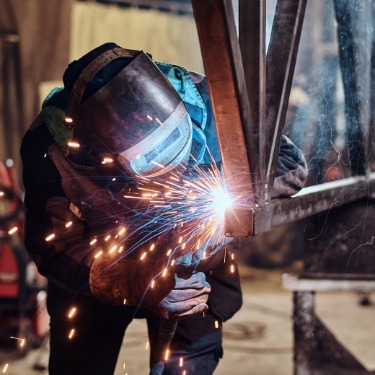
Welding supports manufacturing operations by joining metal components and repairing damaged equipment. However, intense heat and hazardous fumes can create serious workplace risks when employees overlook basic precautions. Following welding safety guidelines for the workplace helps businesses protect workers while maintaining dependable production standards. Effective safety practices begin before anyone strikes an arc and continue until the work area becomes safe again. Employers should establish clear procedures that address equipment condition and employee training. Welders also need the confidence to recognize unsafe conditions and stop work when necessary. A consistent approach encourages responsible decisions without slowing essential projects unnecessarily.
Understand Hazards Before Starting Work
Every welding assignment presents different risks depending on the materials involved and the surrounding environment. Supervisors should review each job before authorizing employees to begin. This assessment should identify combustible materials near the work area and determine whether ventilation can control airborne contaminants. Workers must also consider electrical hazards associated with damaged cables or damp surfaces.
Certain coatings release dangerous substances when heated. Employees should identify base metals and surface treatments before choosing appropriate controls. When uncertainty remains, consult relevant safety information and qualified personnel rather than proceeding with assumptions. Documenting job-specific hazards helps teams communicate expectations during shift changes and reduces the likelihood of overlooked precautions.
Wear Appropriate Protective Equipment
Proper protective equipment provides an essential barrier against sparks and radiant energy. Welders should select helmets with filter shades appropriate for their welding processes. A properly fitted helmet protects the eyes and face from harmful radiation while allowing workers to see their tasks clearly. Safety glasses with side protection provide additional coverage beneath the helmet.
Flame-resistant clothing should cover exposed skin and fit securely without restricting movement. Leather gloves designed for welding protect hands against hot surfaces. Sturdy footwear helps prevent burns when sparks or molten metal fall toward the floor. Employees must inspect protective equipment regularly and replace damaged items promptly. Supervisors should ensure that nearby personnel also receive suitable protection when welding activities expose them to hazards.
Maintain Effective Ventilation
Welding fumes contain substances that can harm respiratory health. Their composition depends on the process and materials involved. General building airflow may not adequately capture contaminants close to the welder's breathing zone. Local exhaust systems can remove fumes near their source before workers inhale them.
Position extraction equipment carefully so it captures fumes without interfering with shielding gas or weld quality. Qualified personnel should assess exposure conditions and determine whether additional respiratory protection is necessary. Respirators require appropriate selection and a compliant protection program. Never assume that an open door or portable fan provides sufficient control. Employees should report visible fume accumulation or malfunctioning extraction equipment immediately.
Prevent Fires and Burns
Sparks can travel beyond the immediate welding station and ignite combustible materials. Before starting hot work, remove flammable items from the surrounding area whenever practical. When removal is impossible, use suitable fire-resistant barriers to protect nearby surfaces. Inspect adjoining spaces where sparks could pass through openings or reach hidden materials.
Follow the facility's hot work permit procedures when applicable. Provide appropriate extinguishing equipment and assign a trained fire watch whenever the hazard assessment requires one. Fire watch duties may continue after welding ends because hidden ignition sources can develop into fires later. Workers should also mark recently welded components as hot and use appropriate tools to handle them safely.
Inspect Equipment and Electrical Connections
Routine inspections help workers identify faults before they cause injuries. Check welding leads for damaged insulation and inspect connections for looseness. Keep cables away from sharp edges and locations where vehicles could crush them. Follow manufacturer instructions when setting up equipment and selecting operating parameters.
Welders should avoid contact with energized components and maintain dry working conditions whenever possible. Use appropriate grounding arrangements and never improvise repairs to electrical systems. Remove defective equipment from service until qualified personnel complete necessary repairs. Regular preventive maintenance supports safe performance and helps reduce unexpected interruptions during demanding projects.
Handle Gas Cylinders Safely
Compressed gas cylinders require careful handling because damaged valves can release gas suddenly. Secure cylinders upright using suitable restraints and protect them from impact. Keep protective caps in place during transportation when required. Move cylinders with appropriate carts rather than dragging or rolling them across the floor.
Store gases according to their specific hazards and applicable separation requirements. Inspect regulators and hoses before use, and check connections using approved leak detection methods. Never use oil or grease on oxygen equipment. Close valves when cylinders are not in use and follow established shutdown procedures. Employees should understand how to respond if they detect a leak or suspect a damaged regulator.
Control Risks During Repair Work
Repair welding often involves unfamiliar components and unpredictable surface conditions. Before restoring machinery, confirm that personnel have isolated hazardous energy and removed any stored pressure. Clean contaminated surfaces using methods that do not introduce additional exposure risks. Assess whether heat could damage surrounding seals or compromise nearby components.
Sometimes welding is the best option for part restoration, but technicians should evaluate the component's service requirements before proceeding. Critical parts may require approved repair procedures and qualified inspection. Never weld on containers that previously held flammable substances without specialized preparation and authorization. These precautions help prevent incidents that routine fabrication procedures might not address.
Build a Strong Safety Culture
Effective training gives employees practical knowledge they can apply throughout their shifts. Supervisors should demonstrate safe setup techniques and reinforce expectations during routine observations. Encourage workers to report near misses without fear of retaliation so teams can correct hazards before injuries occur.
Update procedures when equipment changes or new welding processes enter the facility. Contractors should understand site requirements before beginning their assignments. Managers must provide accessible instructions and verify that employees can follow them confidently. Consistent communication makes safety a shared responsibility rather than an occasional reminder.
Practice Emergency Response Procedures
Workers should know how to summon assistance when burns or electrical injuries occur. Keep emergency exits unobstructed and ensure first aid supplies remain accessible. Conduct drills that reflect shop conditions. After any incident, review contributing factors and revise procedures before work resumes.
Make Safe Welding a Daily Priority
Applying welding safety guidelines for the workplace requires ongoing attention from both employees and supervisors. Protective equipment works best alongside reliable ventilation and careful job planning. Routine inspections help teams address developing problems before they interrupt operations. Workers should feel empowered to question unsafe conditions and request additional safeguards whenever necessary. By making safety part of everyday decisions, businesses can protect their people while supporting dependable welding results.
Bio: Casey is a passionate copyeditor highly motivated to provide compelling SEO content. Her expertise spans technical, consumer, and lifestyle industries with an emphasis on readability and detail.