

Thanksgiving traditions 2026 will arrive on Thursday, November 26, with a familiar mix of turkey, football, parades, travel, and crowded kitchens. But the way Americans observe the holiday continues to widen. For many households, the centerpiece is still a shared meal. Around it, families are making room for smaller budgets, dietary needs, blended families, Friendsgiving plans, long-distance video calls, and more thoughtful conversations about the history behind the day.
That does not mean the classic Thanksgiving is disappearing. It means the holiday is becoming more flexible. A successful gathering in 2026 may look like a large multigenerational dinner, a potluck among friends, a restaurant meal, or a quiet long weekend at home. The common thread is less about following one fixed script and more about creating time to connect.
Thanksgiving Traditions 2026: Familiar, but More Flexible
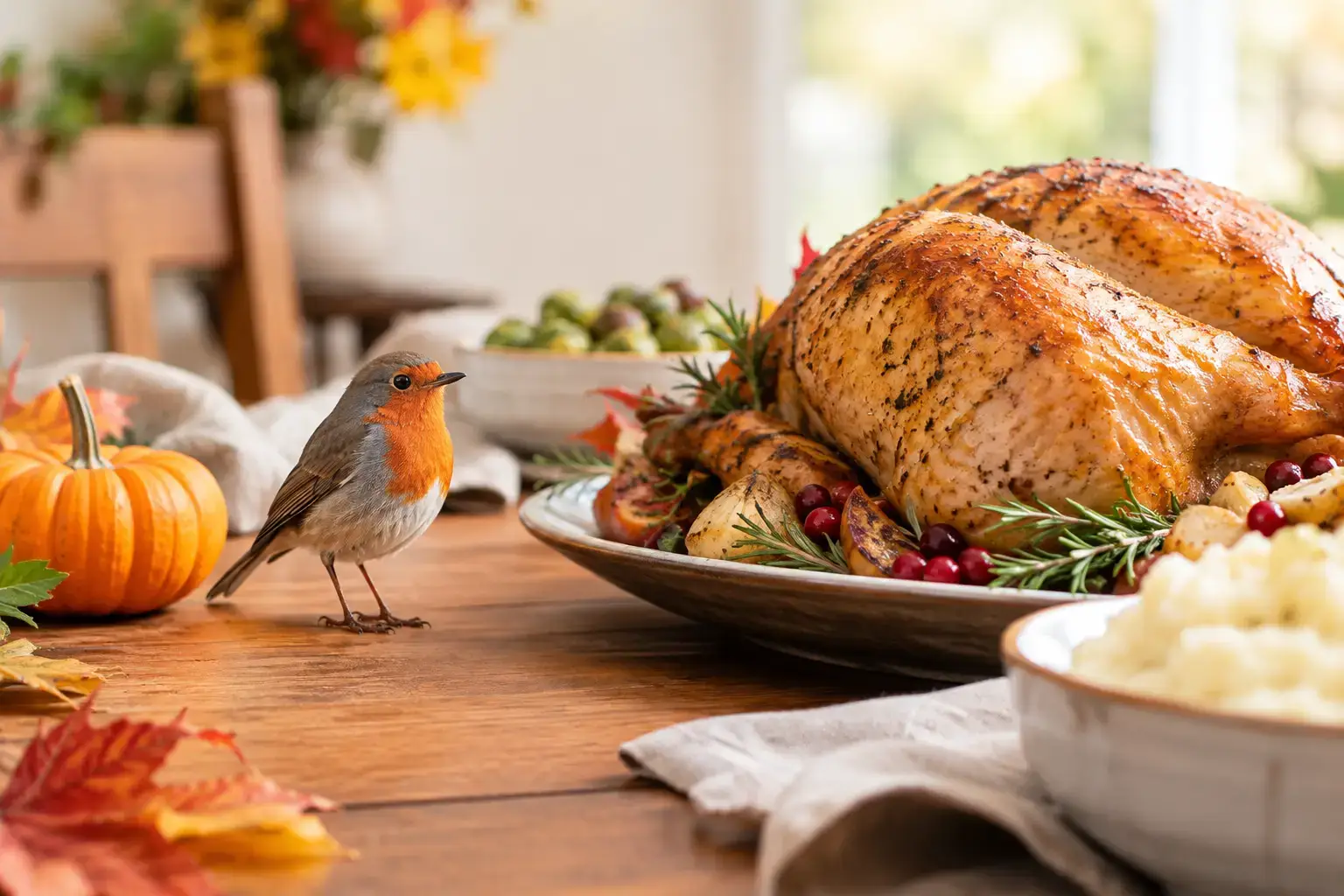
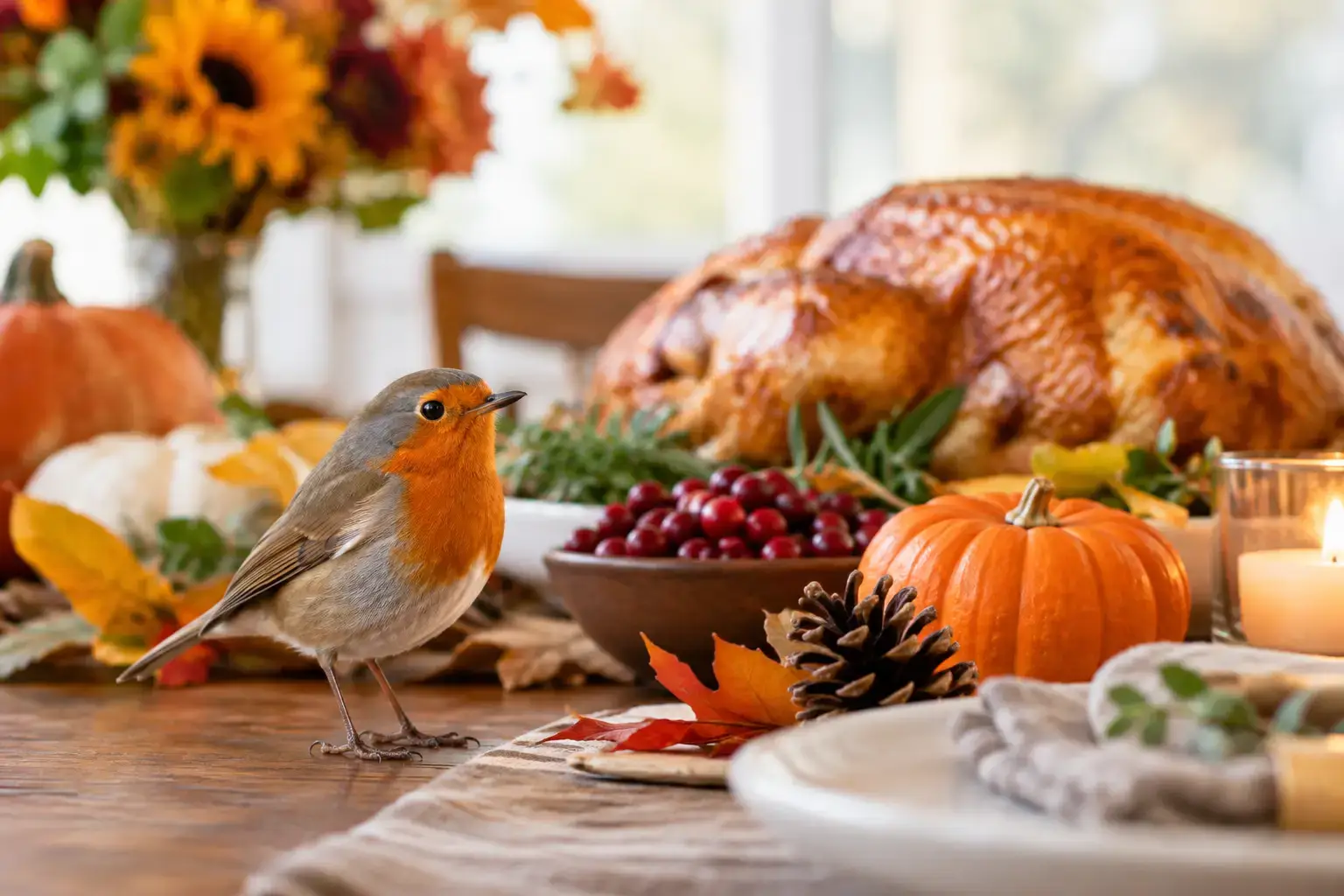
Turkey remains the headline food for many Americans, yet it is no longer the only measure of a Thanksgiving table. Hosts are balancing tradition with practicality: roasting a smaller bird, ordering a prepared meal, serving turkey breast instead of a whole turkey, or building a menu around ham, prime rib, seafood, tamales, lasagna, or vegetarian dishes.
Side dishes often carry the strongest family memories. Stuffing recipes, sweet potatoes, macaroni and cheese, green bean casserole, cranberry sauce, rolls, and pie tend to prompt more loyalty than the main course. In 2026, expect more households to protect those signature dishes while adapting the rest of the menu to their guest list and available time.
This is also a holiday where planning matters. Grocery costs can vary by region and season, while the busiest travel days can make a simple airport pickup or last-minute store run more stressful than expected. Hosts who assign dishes early, confirm attendance, and build in a little menu flexibility usually enjoy more of the day themselves.
The potluck is becoming a practical tradition
The potluck model works especially well for large families, apartment gatherings, and Friendsgiving celebrations. It spreads cost and labor, but it also gives guests a way to bring part of their own food culture to the table. One person may arrive with a classic pecan pie, another with Puerto Rican pernil, and another with a plant-based main dish.
The trade-off is coordination. A host should still decide who is handling the basics, such as the main dish, drinks, plates, and oven space. Asking guests to name their contribution rather than simply saying they will bring “something” prevents six desserts and no vegetables.
Food Traditions Are Expanding Beyond the Turkey
American Thanksgiving food has always been regional and personal, even when popular images suggest otherwise. In the South, cornbread dressing and sweet potato pie may be non-negotiable. In New England, seafood can have a place beside turkey. In many immigrant and multicultural households, Thanksgiving is an opportunity to pair a traditional American dish with recipes passed down through generations.
Dietary preferences are shaping menus, too. A thoughtful host does not need to create an entirely separate meal for every guest, but clear labels are helpful. Identifying vegetarian, vegan, gluten-free, nut-free, and dairy-free options lets people choose with confidence. A few well-planned dishes can serve several needs at once, such as roasted vegetables, a grain salad, or a dairy-free pie.
Food safety remains part of the tradition, whether the meal is home-cooked or catered. Thawing a frozen turkey safely, using a food thermometer, and refrigerating leftovers promptly are straightforward steps that protect guests. Turkey and stuffing should reach 165°F, and perishable food should not sit out for more than two hours.
Gathering Styles: Family Dinner, Friendsgiving, or Both
The modern Thanksgiving calendar often includes more than one gathering. A Friendsgiving may happen the weekend before, while the Thursday meal is reserved for relatives. Some people work on the holiday, travel between households, or share custody arrangements that require a different schedule every year. Flexibility is not a lesser version of tradition. For many families, it is what makes connection possible.
Smaller celebrations are likely to remain popular in 2026. They can be less expensive, easier to host, and more relaxed for people who do not enjoy formal holiday pressure. A smaller table also gives guests room for conversation rather than turning the day into an all-day production.
For relatives who cannot travel, a video call can be built into the meal rather than treated as an afterthought. Set a time, make sure the most important people are in the room, and keep the call short enough to feel warm instead of forced. Sharing a photo of the table, a favorite recipe, or a quick gratitude round can make distant family members feel included.
Sports, parades, and screen time have their place
Watching the Macy’s Thanksgiving Day Parade, local parades, NFL games, or holiday movies remains a comfortable part of the day for millions of households. These shared viewing traditions can be useful pauses between cooking, eating, and cleanup.
Still, screens can easily divide a gathering if they become the default focus. A simple compromise works well: keep the game on in one room, create a quieter conversation space in another, and agree on a few screen-free moments during the meal. People do not need to celebrate identically to feel welcome.
Gratitude Without Forced Positivity
A gratitude ritual is one of the most lasting Thanksgiving customs, but it works best when it is sincere. Some families go around the table and ask each person to share one thing they appreciate. Others write notes, donate food, call someone who may be alone, or take a walk together after dinner.
The key is not to insist that everyone perform happiness. Thanksgiving can be difficult for people coping with grief, financial strain, illness, family conflict, or loneliness. A quieter question, such as “What has helped you get through this year?” may invite a more honest answer than demanding a cheerful response.
Community service is another meaningful option, although it is worth approaching with respect. Food banks and local organizations often need support before and after Thanksgiving, not only on the holiday itself. Donations, volunteer shifts, and practical help for neighbors can extend the spirit of giving beyond one meal.
A More Complete View of Thanksgiving History
Thanksgiving is also a time to recognize that the popular schoolroom version of the holiday does not capture its full history. The national holiday developed over centuries, and its connection to colonial settlement carries painful meaning for many Indigenous people. Some observe the National Day of Mourning, which calls attention to Indigenous survival, resistance, and ongoing concerns.
Families do not have to turn dinner into a lecture, but avoiding the subject entirely can leave children with an incomplete story. Age-appropriate reading, a conversation about local tribal nations, or a moment to acknowledge that history can add depth to the day. It is possible to value family traditions while being more honest about the country’s past.
How to Make the Holiday Easier in 2026
The best Thanksgiving plans usually leave room for imperfect outcomes. A turkey may finish late. A relative may cancel. Someone may bring an unexpected guest or a dessert that does not set correctly. Building a day around hospitality instead of performance makes those moments easier to handle.
Choose one or two traditions that truly matter to your household, whether that is a family recipe, the parade, a volunteer activity, or a post-dinner card game. Then let the rest be adjustable. Thanksgiving does not need a perfect table, a perfect menu, or a perfect family photo to feel memorable. It needs enough space for people to show up, eat well, and treat one another with care.