

Rockin Robin SongFlying The Web For News.
RobinPost Logo Amazon Prime Deals


Consumer Daily Reports

Sunscreen is vital in preventing deadly melanoma but regulations have held back the newest versions in the U.S.

By James R. Hood of ConsumerAffairs
December 8, 2025
  • A new law is intended to speed up introduction of advanced sunscreens in the United States
  • The U.S. has fallen behind other countries because of delays in approving new ingredients, critics say
  • Sunscreenis vital to protect against melanoma and other skin cancers

It. may be cold and overcast where you are now but, sooner or later, the sun will come blazing back and when it does, anew U.S. law aims to bring American sunscreen standards into the 21st century, potentially ending decades of stagnation in the ingredients available to consumers. While the legislation promises faster review of ultraviolet (UV) filters and improved labeling requirements, experts say the move mainly allows the U.S. to catch up to countries that have spent years using more advanced and effective sunscreen technologies.

For now, the gap is real. Europe, Asia, and Australia all approve UV filters that offer stronger, more stable protection against UVA radiation, the wavelength most responsible for premature skin aging and a major contributor to melanoma. Several of these filters including Tinosorb S, Tinosorb M, Mexoryl XL, and Uvinul A Plus have been in overseas products for more than a decade, yet remain unavailable in American sunscreens.

American consumers simply havent had access to the best UV protection science can offer, said one dermatology researcher involved in FDA advisory work. This law doesnt magically bring those ingredients here overnight, but it makes it much more likely they will eventually be approved.

The new law grew out of legislation introduced by U.S. Senators Maggie Hassan (D-NH) and Roger Marshall (R-KS). It requires the U.S. Food and Drug Administration (FDA) to modernize its process for reviewing and approving new sunscreens, helping Americans access sun protection products that have been safely used in other countries for years.

For too long, outdated regulations have prevented Americans from accessing the same safe and effective sunscreen products available in other countries,said Senator Hassan. Now, the FDA will finally update its approval process so that American manufacturers can produce modern, user-friendly sunscreens and American families can benefit from the sun protection options that have been safely used around the world for years. Im glad that we were able to work across the aisle to get this done.

Why the U.S. fell behind

Unlike Europe and Asia, which treat sunscreens largely as cosmetics, the U.S. regulates them as over-the-counter drugs. That classification requires additional safety data and longer review times. As a result, no new UV filter has been approved in the U.S. since the 1990s a startling reality in a world where skin cancer rates continue to rise.

The new law instructs the FDA to modernize and streamline its review framework, create clearer pathways for evaluating long-used international filters, and update broad-spectrum testing to better measure UVA protection. Consumer advocates say these steps are essential, given how central UVA exposure is to skin damage.

People assume a high SPF number means complete protection, said a spokesperson for the American Academy of Dermatology. But SPF mainly measures UVB the rays that cause sunburn. Many U.S. sunscreens still offer weak UVA defense compared to products available abroad.

What other countries are doing better
Photo

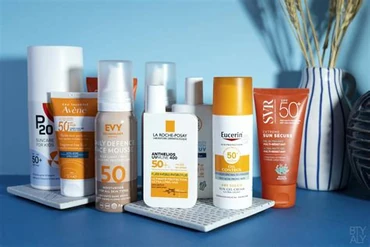
In the European Union, manufacturers can choose from more than 30 approved UV filters nearly double whats permitted in the U.S. allowing them to formulate sunscreens that are both cosmetically elegant and highly protective. Asias beauty markets, especially Japan and South Korea, emphasize lightweight, transparent formulas with strong UVA ratings using the PA system (PA++ to PA++++).

Australia, which has some of the worlds highest skin cancer rates, enforces some of the strictest sunscreen regulations globally. Its public-health campaigns have helped drive adoption of high-SPF, high-UVA products that have shown measurable impact on reducing melanoma incidence.

With this much innovation abroad, U.S. dermatologists and cancer-prevention groups have been pressing regulators to act for years.

Melanoma risk remains high

Melanoma is the deadliest form of skin cancer, and UV exposure is responsible for roughly nine out of ten cases. While early detection has improved survival rates, incidence continues to climb in the United States.

A long-term Australian study found that daily sunscreen use reduced melanoma rates by about 50%, a figure often cited by cancer-prevention advocates. Many of the formulations used in high-sunlight regions feature robust UVA filters that help prevent not just cancer, but also photoaging and other UV-linked skin disorders.

In addition to melanoma, basal cell carcinoma and squamous cell carcinoma far more common but usually less deadly are also tightly linked to UV exposure. UVA rays, which penetrate deeper into the skin, are thought to play a major role in cumulative DNA damage.

What the new law means for consumers now

Consumers wont see immediate changes on store shelves. The FDA must issue new guidance and begin evaluating pending UV filter applications before next-generation sunscreens can be marketed. Industry groups say the research is already available for many of the filters used abroad, meaning the potential pipeline could move quickly once the framework is in place.

In the interim, dermatologists recommend that consumers continue using broad-spectrum sunscreens with SPF 30 or higher ideally mineral sunscreens (zinc oxide or titanium dioxide) for stronger UVA coverage and reapply every two hours when outdoors.

This is an important regulatory milestone, said the AAD spokesperson. But for meaningful public-health impact, we need high-performance filters, accurate labeling, and consumer education. Sunscreen only works if people understand how and when to use it.

The bottom line: Better sunscreens are coming, and the U.S. may finally join the rest of the world in offering the full range of UV-filter technology. But until the new system is in place, consumers should stay vigilant and informed about what their sunscreen can (and cant) do.


Consumer Guide How to pick a sunscreen today

Even with regulatory changes coming, heres how to choose the best protection right now.

1. Look for Broad Spectrum

This ensures the product protects against both UVB (sunburn) and UVA (aging, long-term skin damage). UVA protection is where U.S. sunscreens often fall short, so broad spectrum is non-negotiable.

2. Minimum SPF 30

SPF 30 blocks about 97% of UVB rays. Higher SPFs offer marginally more protection but help compensate for under-application a common problem.

3. Consider mineral sunscreens for stronger UVA coverage

Mineral filters:

  • Zinc oxide offers the broadest spectrum of UV protection available in U.S.-approved filters.

  • Titanium dioxide helps but doesnt cover UVA-1 as well.
    Minerals are especially good for sensitive skin, kids, and people seeking robust UVA defense.

4. If using chemical sunscreens, look for these ingredients

While the U.S. lacks the advanced UVA filters used abroad, you can still maximize whats available. Prioritize formulas containing:

  • Avobenzone (UVA protection; works best when stabilized with octocrylene)

  • Meradimate (moderate UVA coverage)

Avoid relying solely on octinoxate, homosalate, or octisalate these mainly protect against UVB.

5. Choose a formula youll actually use

The best sunscreen is the one youre willing to apply generously and reapply often. Gels, milks, sticks, sprays, and hybrids all work when applied properly.

6. Reapply every two hours (or after swimming/sweating)

Most users apply too little sunscreen and forget reapplication. A shot-glass amount for the body and a nickel-sized amount for the face is a good rule of thumb.

7. Dont Forget Physical Barriers

Hats, sunglasses, UPF clothing, and shade can dramatically reduce UV exposure. Sunscreen should be your last line of defense, not the only one.


Posted: 2025-12-08 01:57:28

Get Full News Story On Consumer Affairs


Listen to this article. Speaker link opens in a new window.
Text To Speech BETA Test Version.


More News From This Category
Consumer News: Stellantis offers a sub-$14,000 Fiat EV in the US
Wed, 08 Jul 2026 13:07:06 +0000

But the early model may be little more than a golf cart

By Mark Huffman of ConsumerAffairs
July 8, 2026
  • Stellantis has begun selling the Fiat Topolino in the U.S. with a starting price of $13,995, making it one of the least expensive electric vehicles available in the country.

  • The tiny two-seat EV is aimed at neighborhoods, resorts, beach towns and other low-speed environments rather than traditional highway driving.

  • The launch marks Fiat's latest effort to expand its U.S. electric lineup with an ultra-affordable urban mobility vehicle.

A new car for $14,000? That must be a typo, right?

Its not. Stellantis, better known as Chrysler, is betting that some American consumers are ready to think much smaller when it comes to electric vehicles and eager to pay less.

The automaker has launched U.S. sales of the Fiat Topolino, a tiny two-seat electric vehicle with a starting price of $13,995, making it one of the most affordable EVs on the American market.

The Topolino is a far cry from the electric SUVs and pickup trucks that have dominated recent EV launches. Measuring just over 8 feet long and weighing a little more than 1,000 pounds, the vehicle is designed primarily for short trips in private communities, resorts, golf courses and beach towns rather than long-distance commuting.

Initially, the vehicle will be limited to private-property use, with a top speed of 19 mph. Fiat says owners will be able to install a factory conversion kit later this summer that upgrades the Topolino to meet federal Low-Speed Vehicle standards, increasing its top speed to 25 mph and allowing it to operate on certain public roads with speed limits of 35 mph or less.

A 46-mile range

The Topolino offers an estimated driving range of up to 46 miles on a full charge from its 5.4-kilowatt-hour lithium-ion battery. Charging takes about five hours using a standard household outlet.

Fiat is offering two versions in the United States: a standard model with conventional doors and a panoramic roof, and the open-air Dolcevita edition, which replaces the doors with rope barriers and features a roll-up soft top. Both versions come in Fiat's signature Verde Vita green paint and include a digital instrument display, USB-C charging port, smartphone holder and rear luggage rack.

The Topolino first debuted in Europe in 2023, reviving the name of one of Fiat's best-known historic models from the 1930s. While classified as a quadricycle in Europe, the vehicle is being adapted to comply with U.S. low-speed vehicle regulations.

"Fiat continues to stand apart by embracing its legacy in small cars," Fiat CEO Olivier Franois said in announcing the U.S. launch.

Expanded lineup

The introduction expands Fiat's North American lineup beyond the all-electric 500e hatchback and reflects Stellantis' broader effort to offer more affordable electric transportation. The company has also announced plans to develop a new family of low-cost electric city cars in Europe as part of its long-term EV strategy.

Unlike most passenger vehicles sold in the United States, the Topolino is not intended to replace a conventional automobile. Instead, Fiat is positioning it as an alternative to golf carts and neighborhood electric vehicles for short-distance trips in communities where higher-speed travel is unnecessary. Early dealer interest suggests the unconventional vehicle may appeal to buyers looking for inexpensive, emissions-free local transportation.


Read More ...


Consumer News: The U.S.-Iran ceasefire is ‘over,’ and gas prices are likely headed higher
Wed, 08 Jul 2026 13:07:06 +0000

The price of oil reacted immediately, rising to $78 a barrel

By Mark Huffman of ConsumerAffairs
July 8, 2026
  • President Trump has declared the U.S.-Iran ceasefire "over" following new U.S. military strikes and renewed Iranian attacks on commercial shipping, sending oil prices sharply higher.

  • Brent crude climbed above $78 a barrel while U.S. benchmark crude approached $75, reflecting fears that fighting could once again disrupt oil flows through the Strait of Hormuz.

  • If hostilities continue, analysts say U.S. drivers are likely to see gasoline prices rise over the coming days and weeks, though the magnitude will depend on whether oil shipments through the Persian Gulf are significantly interrupted.

The brief respite in the conflict between the United States and Iran has come to an end, raising fresh concerns about energy supplies and setting the stage for higher gasoline prices for American drivers.

President Trump declared the ceasefire "over" after U.S. forces launched new strikes against Iranian targets in response to attacks on commercial vessels in the Strait of Hormuz. The United States also reinstated sanctions that had temporarily allowed limited Iranian oil exports, further tightening global supply concerns.

Financial markets reacted immediately. Brent crude, the international benchmark for oil prices, surged more than 6% to nearly $79 a barrel, while West Texas Intermediate crude climbed to around $75.

Stock markets in Europe and Asia fell as investors weighed the prospect of a prolonged conflict in one of the world's most important oil-producing regions.

The renewed fighting threatens to unravel weeks of gradual normalization in global energy markets.

The June ceasefire had allowed shipping to cautiously resume through the Strait of Hormuz, the narrow waterway connecting the Persian Gulf to global markets. Roughly one-fifth of the world's seaborne oil passes through the strait, making it one of the most strategically important energy chokepoints in the world. Even during the ceasefire, analysts warned that the agreement remained fragile and that any renewed violence could quickly reverse declines in oil prices.

What it means for gasoline prices

For U.S. consumers, higher crude oil prices typically translate into higher gasoline prices, although not immediately. According to AAA, the national average price of regular today is $3.79 a gallon, 37 cents less than one month ago.

Crude oil accounts for roughly half of the price consumers pay at the pump. Retail gasoline prices usually begin responding within several days as wholesalers purchase more expensive fuel, with the full effect often taking one to three weeks to reach filling stations.

How much prices increase will largely depend on whether the conflict disrupts physical oil supplies.

If tanker traffic through the Strait of Hormuz continues despite the fighting, gasoline prices may rise only modestly. But if Iran attempts to restrict shipping or additional attacks force vessels to avoid the region, oil prices could climb much further, resulting in more substantial increases at U.S. gas stations.

Energy analysts have consistently warned that the oil market remains highly sensitive to developments in the Gulf because spare global production capacity is limited and inventories remain relatively low.

Uncertainty remains

Despite declaring the ceasefire finished, the Trump administration has indicated that diplomatic negotiations remain possible, leaving open the possibility that tensions could ease again if both sides return to talks.

Analysts say energy markets are pricing in a higher level of geopolitical risk, which could causes prices to continue rising. Unless hostilities quickly subside, consumers should expect more pressure on gasoline prices during the heart of the summer driving season as oil traders factor in the possibility of additional supply disruptions.


Read More ...


Consumer News: Here are the cities where cat-lovers rule
Wed, 08 Jul 2026 13:07:06 +0000

Suburbs dominate PetSmart's 2026 list of America's top cat-loving cities

By Mark Huffman of ConsumerAffairs
July 8, 2026
  • PetSmart's 2026 ranking of America's most cat-loving cities found suburban communities continue to dominate, with Lexington, Kentucky, holding the top spot for a second straight year.

  • The rankings are based on a combination of cat adoptions through PetSmart Charities and spending on cat toys, treats and other feline products at PetSmart stores.

  • The retailer says the results reflect the continuing rise in cat ownership, as feline adoptions have outpaced dog adoptions in recent years.

Cat people are a special group, and they tend to like to hang around with other cat people. Retailer PetSmart has compiled data identifying cities with the most cat-lovers, finding that suburban cities remain the epicenter of the feline boom.

The pet retailers 2026 Top 25 Cat-Loving Cities list singled out the communities where residents are most likely to adopt cats and spend on products ranging from treats and toys to other pet supplies. The rankings are based on PetSmart's internal data, combining cat adoption activity through PetSmart Charities with purchases made by cat owners at its stores.

For the second consecutive year, Lexington, Ky., claimed the No. 1 position. It was followed by Green Bay, Wis., and Pittsburgh, Pa., while several suburban communities surrounding major metropolitan areas also placed near the top of the rankings.

Top 10 cat-loving cities

  1. Lexington, Kentucky

  2. Green Bay, Wisconsin

  3. Pittsburgh, Pennsylvania

  4. Raleigh, North Carolina

  5. Boise, Idaho

  6. Madison, Wisconsin

  7. Spokane, Washington

  8. Omaha, Nebraska

  9. Cincinnati, Ohio

  10. Richmond, Virginia

PetSmart said the rankings reflect a broader shift in pet ownership as cats continue to grow in popularity across the United States. The company noted that feline adoptions have exceeded dog adoptions for several years, fueled in part by cats' adaptability to apartments and smaller homes, as well as their relatively independent nature.

Shifting patterns

Aimee Gilbreath, president of PetSmart Charities, said the rankings show that cat ownership has become increasingly mainstream across a wide range of communities.

According to the company, the stereotype that cat ownership is concentrated in large urban centers no longer holds true. Instead, suburban households are leading both cat adoptions and spending on feline products, suggesting owners are investing heavily in enrichment items such as toys, treats and accessories.

The annual ranking is intended to highlight communities where cat ownership is particularly strong while drawing attention to the growing demand for feline adoption and care nationwide. PetSmart operates more than 1,600 stores across the United States and Canada and partners with animal welfare organizations through PetSmart Charities to facilitate pet adoptions.


Read More ...


Consumer News: Buying used tech is smarter than ever: How to save big on phones, laptops, and other gadgets
Wed, 08 Jul 2026 01:07:06 +0000

Smart tips to save without getting burned

By Kyle James of ConsumerAffairs
July 7, 2026
  • Choose refurbished when possible: Certified refurbished devices can save you hundreds while still including warranties and inspections.

  • Don't chase the newest model: Phones and laptops that are one or two generations old often offer the best value.

  • Check before you buy: Verify battery health, remaining software support, and carrier compatibility to avoid expensive surprises.

Sticker shock has become the new normal when shopping for electronics.

Whether you're replacing a cracked smartphone, buying a laptop for college, or upgrading your tablet, prices continue to climb. That's one reason refurbished and pre-owned devices have become one of the smartest ways to save money provided you know what to look for.

The good news is that today's refurbished market is far more mature than it was just a few years ago. Many retailers now professionally inspect, test, clean, and warranty devices before selling them, allowing shoppers to save hundreds of dollars without sacrificing reliability.

Understand the difference between "used" and "refurbished"

Not all secondhand electronics are created equal.

A used device is typically sold "as-is" by an individual seller. A refurbished device has usually been inspected, tested, cleaned, and repaired (if necessary) before being resold. Many refurbished products also include a warranty and return policy, giving buyers much more protection.

Pro tip: If the price difference is only $50 or so, choose the refurbished model. The warranty alone is often worth the extra cost.

The best places to buy refurbished tech

Where you shop can be just as important as what you buy. Established retailers and manufacturer-certified programs typically inspect devices, verify they haven't been reported lost or stolen, and back purchases with warranties or generous return policies.

Some of the best places to start include:

  • Apple Certified Refurbished One of the gold standards for Apple products. Every device is tested, cleaned, includes a new battery or outer shell when needed, and comes with Apple's one-year warranty.

  • Best Buy Outlet A great source for open-box, refurbished, and clearance laptops, tablets, TVs, gaming systems, and smartphones.

  • Amazon Renewed Professionally inspected electronics sold with Amazon's Renewed Guarantee.

  • Back Market One of the largest marketplaces devoted entirely to refurbished electronics, with phones, laptops, tablets, headphones, smartwatches, and gaming consoles.

  • Swappa A peer-to-peer marketplace with strong buyer protections and listing reviews before devices are sold.

  • Gazelle A longtime favorite for refurbished smartphones and other mobile devices.

  • Dell Outlet Excellent for refurbished and overstock Dell laptops, desktops, and monitors.

  • Lenovo Outlet Offers discounted ThinkPads, IdeaPads, desktops, and accessories directly from Lenovo.

  • eBay Refurbished Features graded devices from vetted sellers that include warranties on eligible purchases.

Pro tip: Don't buy from the first seller you find. Be sure to compare prices from at least three retailers. It's common to find the exact same phone priced $100 (or more) differently depending on its cosmetic grade, warranty, storage capacity, and any included accessories.

Don't automatically buy the newest model

One of the easiest ways to save money is buying a phone that's one or two generations old.

For most consumers, last year's flagship still offers excellent cameras, fast processors, long battery life, and years of software support, all while costing hundreds less than the newest release.

The same strategy works for laptops and tablets.

Pro tip: Devices released within the past two or three years usually offer the best balance of price, performance, and remaining software support.

Check software support before you buy

A bargain isn't much of a bargain if the manufacturer stops providing security updates shortly after you purchase it.

Before buying any smartphone or tablet, verify how many years of software and security updates remain on the device.

The best way to do this is to Google the device model along with "software update policy" or check the manufacturer's website to see how many years of updates remain.

Pay attention to battery health

Battery life naturally declines over time. Some refurbishers will install new batteries, while others certify that the battery still meets a minimum health standard.

Pro tip: Look for phones with at least 80% battery health or better yet, a newly replaced battery.

Make sure it works with your carrier

Before purchasing a phone, verify that:

  • It's unlocked

  • It's compatible with your wireless carrier

  • It supports your carrier's 5G network (if that's important to you)

  • It has enough storage for your needs

Taking a few minutes to verify compatibility can prevent an expensive mistake.

Consider repairing before replacing

Sometimes the cheapest upgrade isn't an upgrade at all.

A worn battery, cracked screen, or faulty charging port doesn't necessarily mean it's time for a new phone. Many repairs cost a fraction of replacing the entire device and can add years of life.

Pro tip: Get a repair estimate before shopping for a replacement. Spending $100 to replace a battery may save you from spending $900 on a new phone.

Trade in your old device

Even older electronics often retain surprisingly good value.

Manufacturers, wireless carriers, and retailers frequently offer trade-in credits, while selling the device yourself can sometimes bring an even higher return.

Before selling, do the following:

  • Back up your data

  • Sign out of your accounts

  • Perform a factory reset

  • Remove activation locks

Those simple steps will protect your privacy and also maximize your resale value.


Read More ...


Consumer News: Your daily coffee may be doing more for your liver than you think
Tue, 07 Jul 2026 19:07:06 +0000

New research offers fresh clues about coffee's liver benefits explained

By Kristen Dalli of ConsumerAffairs
July 7, 2026
  • A large study of more than 354,000 adults found coffee drinkers had lower risks of cirrhosis, liver cancer and liver-related death.

  • Researchers also examined MRI scans and blood proteins to better understand why coffee may benefit liver health.

  • The findings suggest moderate, unsweetened coffee could be a simple part of a liver-healthy lifestyle, though the study does not prove coffee directly prevents disease.

For many people, coffee is simply part of the morning routine. But scientists continue to uncover evidence that the popular beverage may also support long-term health particularly when it comes to the liver.

A new study from Cedars-Sinai Health Sciences University offers some of the strongest evidence yet linking coffee consumption with healthier liver outcomes. Rather than looking only at whether coffee drinkers developed liver disease, researchers also searched for biological clues that might help explain the connection.

The study found that people who drank coffee were less likely to develop serious liver conditions, including cirrhosis and liver cancer, over more than a decade of follow-up.

Previous studies suggested that coffee might benefit the liver, but most were smaller or looked at only one piece of the puzzle, researcher Hyunseok Kim, M.D., M.P.H., Ph.D., said in a news release.

We followed hundreds of thousands of people for more than a decade and looked at their health outcomes along with liver MRI scans and blood protein analyses. Together, those findings help explain the biological mechanisms behind coffees association with better liver health.

The study

To conduct the study, investigators analyzed data from 354,957 participants in the U.K. Biobank who did not have cirrhosis or liver cancer when they entered the study.

Participants reported how much coffee they typically drank, and researchers followed them for a median of 13 years using linked health records to identify new cases of cirrhosis, liver cancer, and liver-related deaths.

The researchers didn't stop there. They also examined MRI scans to measure liver fat, iron, and signs of scarring, known as fibrosis. In addition, they analyzed blood samples to study proteins associated with liver health, inflammation and scarring.

By combining long-term health outcomes with imaging and laboratory data, the team aimed to better understand the biological pathways that might explain coffee's association with healthier livers.

What the findings could mean for consumers

Overall, higher coffee consumption was associated with better liver health across several measures.

Compared with people who didn't drink coffee, those who consumed one to two cups per day had lower risks of cirrhosis, liver cancer, and liver-related death. The greatest reductions among the groups studied were generally seen in people who drank three to four cups daily, while those drinking five or more cups also experienced lower risks than non-coffee drinkers.

The imaging and blood analyses offered additional clues. Coffee drinkers tended to have lower levels of liver fat, inflammation, iron, and fibrosis, along with protein patterns that suggested healthier liver function.

Researchers also noted that these benefits appeared to be linked to coffee itself rather than caffeine alone, and the paper highlights moderate, unsweetened coffee as the pattern supported by the findings.

It's important to remember that this was an observational study, meaning it found an association rather than proving that coffee directly prevents liver disease. Still, the researchers say the combination of long-term clinical outcomes, imaging results, and biological markers makes this one of the most comprehensive investigations of coffee and liver health to date.

Our findings support moderate coffee consumption for people who already enjoy and tolerate it well, study senior author Ju Dong Yang, M.D. said in the release.

However, we would not recommend that someone begin drinking coffee solely for liver protection based on this study alone. Prevention should continue to focus on maintaining a healthy weight, limiting alcohol, exercising regularly, and managing blood sugar, blood pressure and cholesterol.


Read More ...


Related Bing News Results
Consumer Reports finds concerning levels of food dye in popular products
Mon, 06 Jul 2026 05:12:00 GMT
"Companies in the U.S. are not required to disclose the amount of a specific additive or contaminant that's actually in their products," said Paris Martineau, Consumer Reports investigative reporter ...

Consumer Reports and Yuka Test 40 Popular U.S. Foods, Find 1 in 4 Exceed Daily Safety Levels for Additives
Mon, 08 Jun 2026 11:20:00 GMT
A joint investigation by Consumer Reports and Yuka has measured the levels of eight controversial additives in 40 widely consumed packaged food products in the United States. The results show that one ...

Consumer Reports retests protein powders, finds safer options
Wed, 18 Feb 2026 17:22:00 GMT
USES THESE SUPPLEMENTS. HERE’S MARISSA TANSINO. LAST FALL, CONSUMER REPORTS TESTED DOZENS OF PROTEIN POWDERS AND READY TO DRINK SHAKES. WHAT THE LAB FOUND RAISED RED FLAGS MORE THAN TWO THIRDS ...

How Much Lead Is in Protein Powder? Consumer Reports Shares Latest Findings
Mon, 12 Jan 2026 16:00:00 GMT
Consumer Reports released new findings after testing five reader-requested chocolate protein powders for lead and other heavy metals. The nonprofit organization previously revealed in late 2025 that ...


Blow Us A Whistle


Related Product Search/Búsqueda de productos relacionados

Amazon Logo

Visit Our New Print-On-Demand Store On Printify
Printify





