A smoke alarm sounding at 2 a.m. gives a household very little time to debate what to do next. Fire Prevention Day is a useful prompt to handle those decisions before an emergency, when a few minutes spent testing equipment, clearing exits, and talking through a plan can make a real difference.
Fire safety is not limited to dramatic hazards or major home renovations. It often comes down to ordinary routines: where phones are charged, whether cooking is watched, how space heaters are used, and whether everyone in the home knows two ways out. For renters, homeowners, parents, roommates, older adults, and caregivers, the goal is the same: reduce the chance of a fire and improve the chances of getting out safely if one starts.
What Fire Prevention Day Should Put on Your Radar
Fire Prevention Day may be observed through schools, fire departments, workplaces, and community events, often alongside Fire Prevention Week in October. The date and local programming can vary, but the central message stays practical: fires move fast, smoke can be disorienting, and prevention works best when it becomes part of normal household maintenance.
A single awareness day should not create panic or turn into a long list of expensive purchases. It is better used as a short, focused home safety check. Start with the protections that give people time to escape, then look at the everyday behaviors that commonly create risk.
For many households, that means smoke alarms, a practiced escape plan, safer cooking habits, and attention to electrical and heating equipment. Homes are different, so the right priorities depend on the building, the people living there, and the season. An apartment with one exit presents different concerns than a detached house, while a home with young children, mobility limitations, or pets needs a plan built around those realities.
Test the Devices That Buy Time
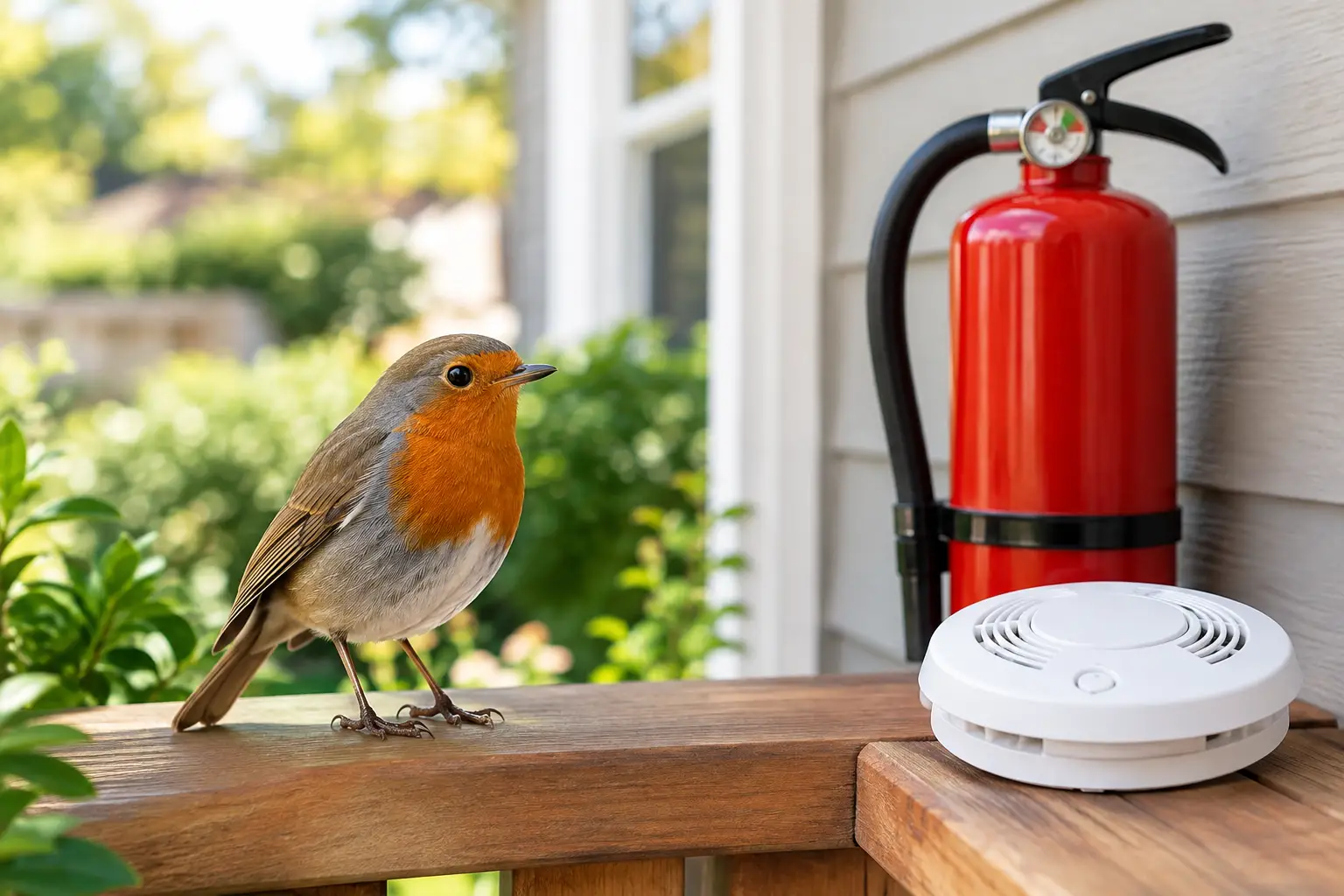
Smoke alarms are among the simplest safety tools in a home, but only if they are installed, powered, and audible. Test each alarm using its test button. If the sound is weak, intermittent, or absent, replace the battery if applicable and follow the manufacturer's instructions. If an alarm is old or has reached its replacement date, install a new unit rather than assuming a fresh battery solves the problem.
Alarms should be placed where occupants can hear them, including near sleeping areas. Larger homes and multi-level homes need more coverage than a single alarm in a hallway can provide. People who are deaf or hard of hearing may need specialized alert systems that use lights, vibration, or bed shakers.
Carbon monoxide alarms deserve attention during the same check, especially in homes with fuel-burning appliances, fireplaces, attached garages, or portable generators used during outages. Carbon monoxide is not a fire alarm issue in the narrow sense, but it belongs in the same home safety conversation because it can become dangerous without warning.
A fire extinguisher can be useful, particularly in a kitchen, garage, or workshop, but it is not a substitute for leaving a dangerous fire. Only attempt to use one when the fire is small, contained, and there is a clear exit behind you. If there is any doubt, get everyone out, close doors behind you if possible, and call 911 from a safe location.
Build an Escape Plan People Can Actually Follow
An escape plan works when it is simple enough to remember under stress. Identify two ways out of each room where possible, usually a door and a window. Walk the routes, checking that hallways, stairways, and windows are not blocked by furniture, storage boxes, bicycles, or security bars that cannot be released quickly.
Choose one meeting place outside, far enough from the home to be safe but easy for everyone to find. A neighbor's driveway, a mailbox across the street, or a specific tree can work. The point is to give everyone a clear place to go so no one re-enters a burning building looking for someone who is already outside.
Children need direct, calm instruction: get out when the alarm sounds, do not hide, and do not return for toys, devices, or pets. Adults should also avoid going back inside. Firefighters are trained and equipped for rescue; family members who re-enter can become additional victims.
Practice matters because plans look different in the dark. A daytime walkthrough may reveal that a bedroom window is difficult to open, a staircase is cluttered, or a child does not know how to unlock a door. For households with older relatives or people with disabilities, assign responsibilities thoughtfully, but do not rely on one person being present. Discuss backup options and make sure mobility aids, glasses, phones, and needed medications are kept where they can be reached quickly when practical.
Do not overlook apartment and rental safety
Renters can take many of the same steps, even when they do not control the building's systems. Know the location of stairwells and fire exits, and never use an elevator during a fire unless emergency officials direct otherwise. Report missing alarms, damaged exit signs, blocked corridors, faulty doors, or suspected electrical problems to the property manager promptly.
If an apartment door is hot or smoke is entering from outside, the safest action may not be to open it. Follow local fire department guidance, stay low if there is smoke, and call 911. Building layout and the location of the fire can change the safest choice, which is why residents should understand their property's posted evacuation instructions.
Reduce Common Fire Risks Room by Room
Cooking remains one of the most common sources of home fires. Stay in the kitchen when frying, grilling, broiling, or using high heat. Keep towels, packaging, oven mitts, and other combustible items away from burners. If grease catches fire, turn off the heat if it is safe to do so, cover the pan with a lid, and do not use water. Water can spread burning grease violently.
Electrical safety is less visible but just as relevant. Replace cords that are frayed, crushed, loose, or hot to the touch. Avoid running cords under rugs or pinching them under furniture. Power strips are helpful for low-demand electronics, but they are not designed to carry every high-wattage appliance in a kitchen, laundry area, or workshop. Space heaters, microwaves, air conditioners, and similar equipment may need direct wall outlets, depending on their instructions.
Heating equipment needs space. Keep portable heaters on a stable, level surface and away from bedding, curtains, laundry, paper, and upholstered furniture. Turn them off when leaving the room or going to sleep unless the device is specifically designed and approved for unattended use. Fireplaces, wood stoves, and chimneys require regular attention as well, including safe ash disposal and professional inspection when recommended.
Charging devices are another routine risk worth reconsidering. Use compatible chargers, place devices on hard surfaces with ventilation, and avoid charging damaged batteries or devices that are swollen, unusually hot, or giving off an odor. Charging a phone overnight may be common, but charging it under a pillow or on bedding creates an unnecessary heat risk.
Make Fire Prevention a Shared Habit
The most useful Fire Prevention Day conversations are specific. Ask whether everyone knows the meeting place. Test the alarms together. Let children hear what the alarm sounds like and practice getting outside. If a household uses another language at home, explain the plan in the words everyone understands rather than assuming a printed checklist covers the need.
Workplaces, schools, and community groups can use the day in much the same way: check exits, review evacuation procedures, identify who may need assistance, and make sure fire doors are not wedged open. A posted plan has value, but a plan that people have discussed and practiced is far more likely to guide action when conditions are confusing.
Set a reminder for the next alarm test before the day ends. Small checks repeated over time are what turn fire prevention from an annual message into a safer home routine.