🌍 The Iran War: Global Shockwaves, Economic Strain, and How Consumers Can Stay Resilient: What the Iran Conflict Means for Your Wallet
The ongoing conflict involving Iran, Israel, the United States, and regional powers has become one of the most economically disruptive crises of the decade. Rising gas prices, higher interest rates, and increased costs for food, travel, and necessities are affecting people worldwide. This article explains the history behind the conflict, how the world is reacting, the economic fallout, and practical ways consumers can protect their finances during uncertain times.
🕰️ 1. Historical Background
The roots of the Iran–U.S.–Israel conflict stretch back decades:
- 1979 Iranian Revolution: Iran’s shift to an Islamic Republic created long-term tension with the United States.
- Iran–Israel rivalry: Fueled by Iran’s nuclear ambitions and support for regional militias.
- Recent escalation: Military strikes and retaliations across the Middle East have intensified instability.
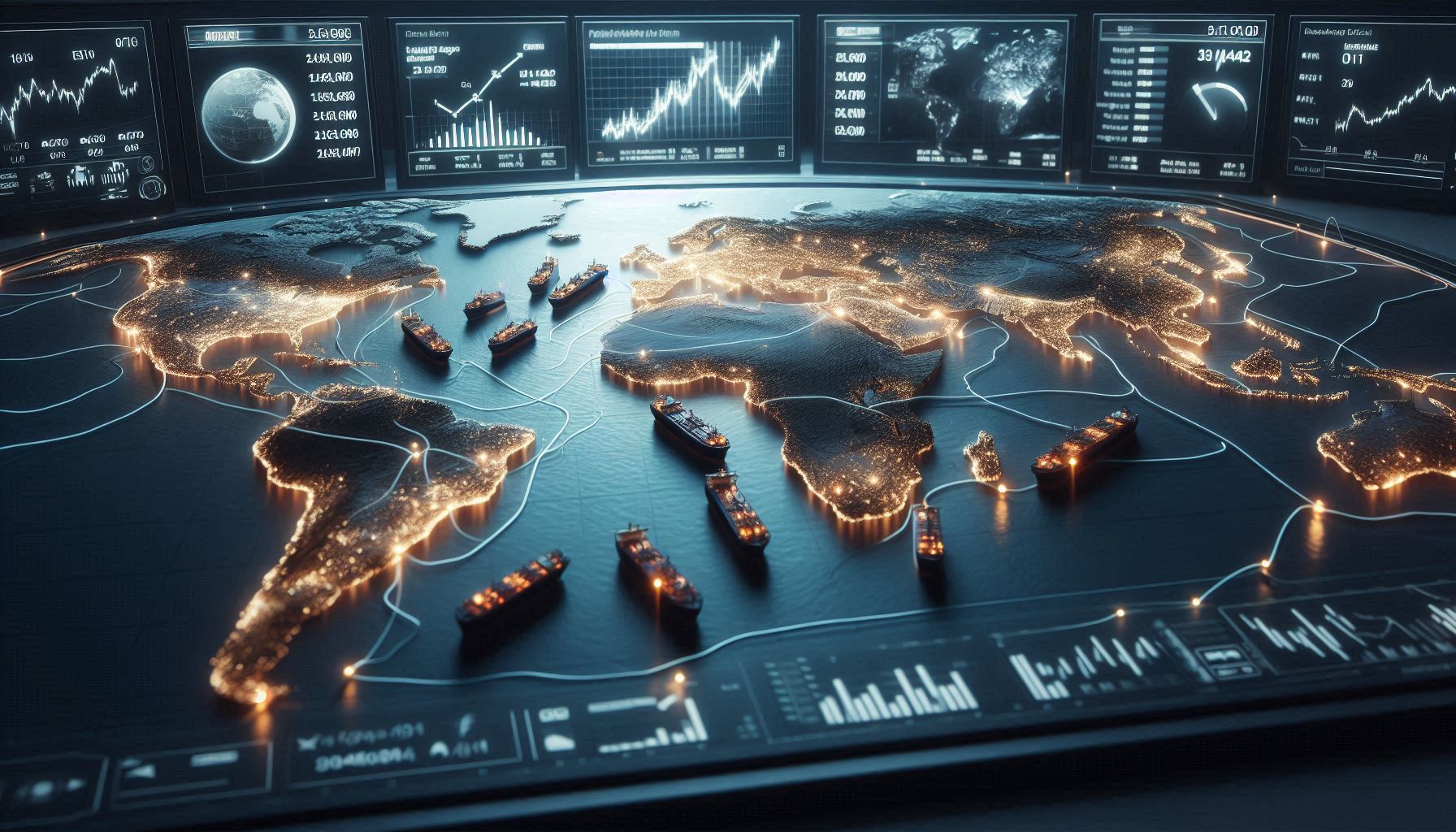
One of the most critical factors is the Strait of Hormuz, a narrow waterway through which about 20% of the world’s oil supply passes. Any disruption there sends global markets into turmoil.
Sources: Council on Foreign Relations, U.S. Energy Information Administration
🌐 2. How the World Is Reacting
Asia
Countries across Asia are experiencing sharp increases in fuel prices and supply concerns.
Europe
European leaders warn that prolonged conflict could slow economic recovery and increase inflation.
Middle East
Regional markets remain volatile as tensions spread beyond Iran’s borders.
United States
Americans are facing higher gas prices, rising borrowing costs, and renewed inflation pressure.
🌎 Country‑Specific Consumer Tips
🇺🇸 United States
- Use warehouse clubs (Costco, Sam’s Club) for bulk staples and household essentials.
- Compare mortgage lenders weekly; rates can move quickly during global crises.
- Use gas price apps to avoid sudden spikes at nearby stations.
- Prefer fixed‑rate loans to reduce exposure to interest rate volatility.
- Check state and local utility assistance programs during high‑energy months.
🇬🇧 United Kingdom
- Use supermarket loyalty programs (e.g., Tesco Clubcard, Nectar) for instant discounts.
- Book rail travel 6–8 weeks in advance for lower fares.
- Compare energy tariffs regularly; default rates are often more expensive.
- Use food waste and discount apps to save on groceries and meals.
- Look for off‑peak travel times to cut commuting and leisure costs.
🇪🇺 European Union
- Use public transit in major cities to reduce fuel and parking expenses.
- Know your rights: EU rules often allow refunds or compensation for delayed flights.
- Check national portals for energy subsidies or bill support schemes.
- Buy seasonal, locally produced food to avoid import‑driven price spikes.
- Consider regional rail passes for cheaper cross‑border travel.
🇮🇳 India
- Use local fuel apps to find the lowest petrol and diesel prices in your city.
- Take advantage of UPI‑linked cashback offers for groceries and essentials.
- Use rail travel for long distances; it is often the most cost‑effective option.
- Buy staples like rice, dal, and wheat in bulk from trusted wholesale markets.
- Plan shopping around local market days for better prices on fresh produce.
🇦🇺 Australia
- Watch weekly fuel price cycles; mid‑week often offers better prices.
- Compare electricity providers; regional price differences can be significant.
- Look for domestic travel deals during off‑peak seasons (for example, late summer or early spring).
- Use local farmers’ markets for fresher and sometimes cheaper produce.
- Bundle internet and energy services where possible to reduce monthly bills.
🇸🇦🇦🇪 Middle East (Gulf Region)
- Fuel is relatively affordable, but imported food prices can rise quickly—buy staples in bulk.
- Use official price‑control or consumer apps where available to track fair prices.
- Book international flights 3–4 months ahead for better fares.
- Compare remittance services; fees and exchange rates can change during global crises.
- Look for off‑peak shopping hours and seasonal sales in major malls and supermarkets.
Sources: Reuters World News, BBC World
⛽ 3. Economic Fallout: Gas, Interest Rates, and Essentials
Gas & Energy
- Oil prices have surged due to supply disruptions.
- U.S. gas prices rose sharply within days of the conflict escalating.
Interest Rates
- Bond yields are rising, pushing up mortgage and loan rates.
- Central banks warn of inflationary pressure.
Food & Essentials
- Higher fuel costs raise shipping and wholesale prices.
- Consumers are seeing increases in groceries and household goods.
Sources: CNBC Economy, International Monetary Fund
🔮 4. How Long Could the War Last?
Analysts warn that the conflict could last months or even years, depending on diplomatic progress and regional stability. The longer the Strait of Hormuz remains disrupted, the longer global markets will feel the impact.
Sources: Al Jazeera News
🕊️ 5. What Would It Take to End the Conflict?
- International mediation involving the EU, China, and Gulf states.
- Security guarantees around Iran’s nuclear program.
- Ceasefire agreements between all major parties.
- Reopening of the Strait of Hormuz.
💡 6. How Consumers Can Protect Their Finances
🚗 A. Saving Money on Gas
- Use apps to find the cheapest stations.
- Combine errands to reduce driving.
- Keep tires inflated for better fuel efficiency.
🏦 B. Managing Loans & Interest Rates
- Avoid variable-rate loans during volatility.
- Pay down high-interest debt first.
- Monitor mortgage rates for refinancing opportunities.
🛒 C. Cutting Food Costs
- Buy store brands and bulk staples.
- Plan meals around weekly sales.
- Reduce waste with batch cooking.
🎬 D. Entertainment on a Budget
- Use free community events.
- Cancel unused subscriptions.
- Look for weekday discounts.
✈️ E. Travel Savings
- Book flights on off-peak days.
- Use fare trackers.
- Choose regional destinations to avoid fuel surcharges.
🌎 F. Global Tips
- Buy non-perishables before price hikes.
- Track currency fluctuations.
- Use energy-efficient appliances.
📘 7. Glossary of Key Terms
Gasoline (Gas): A refined petroleum product used as fuel for vehicles.
Crude Oil: Unrefined petroleum extracted from the earth.
Interest Rate: The cost of borrowing money, expressed as a percentage.
Mortgage: A long-term loan used to purchase property.
Wholesale: The sale of goods in large quantities to retailers.
Retail: The sale of goods directly to consumers.
Inflation: The rise in prices over time, reducing purchasing power.
Bond Yield: The return investors receive from government or corporate bonds.
Supply Chain: The network that moves goods from production to consumers.
Consumer Protection: Laws and policies that safeguard buyers from unfair practices.
Travel Surcharge: Extra fees added to travel costs, often due to fuel prices.
Disposable Income: Money left after taxes and essential expenses.
🧭 8. Living Comfortably During Tough Times
Even during wartime economies, consumers can stay resilient by prioritizing needs, building emergency savings, and staying informed. Community support, smart budgeting, and flexible planning can help households maintain stability and comfort.