A long weekend can make the calendar move fast, but Memorial Day asks the country to slow down for a reason. Before the cookouts, retail promotions, and first big trips of summer, the day stands as a national observance for U.S. military personnel who died in service. That distinction matters, and it shapes how Memorial Day is remembered across communities, news coverage, public ceremonies, and family traditions.
For many readers, the holiday is familiar but not always fully explained. It appears every year with flags, parades, cemetery tributes, and a wave of travel activity. Yet behind the public schedule is a history built from grief after war, local acts of remembrance, and a gradual effort to create a shared national tradition.
What Memorial Day means
Memorial Day is dedicated to honoring American service members who died while serving in the U.S. military. It is not a general celebration of all military service, and it is not the same as Veterans Day or Armed Forces Day. Veterans Day recognizes all who served. Armed Forces Day honors those currently serving. Memorial Day is specifically about the fallen.
That difference can seem small in casual conversation, but it changes the tone of the day. The focus is remembrance rather than thanks alone. It is a public acknowledgment that military conflict carries a permanent human cost for families, communities, and the country.
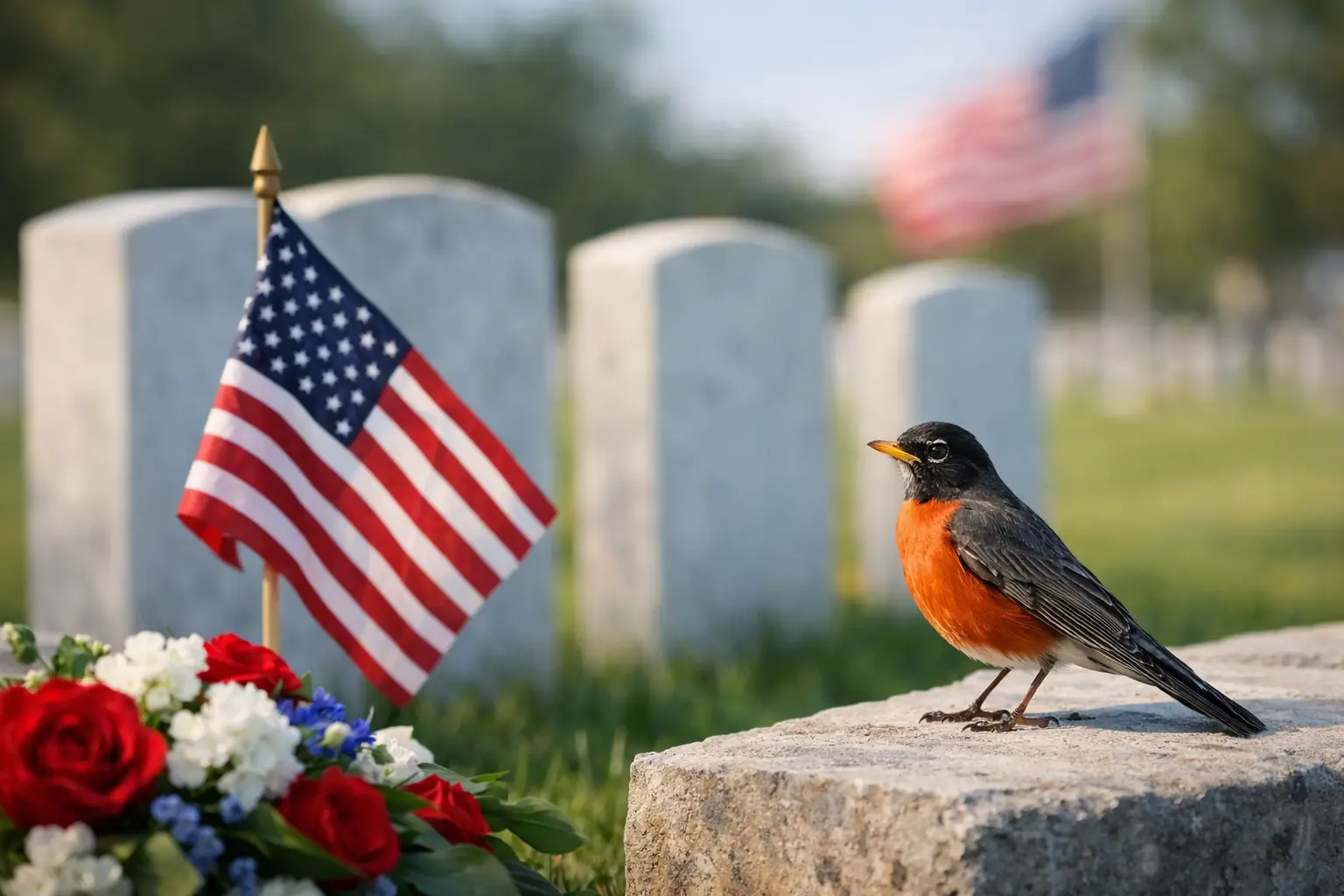
Across the United States, this meaning is expressed in visible ways. Flags are placed on graves in national cemeteries. Towns and cities hold remembrance events. Churches, civic groups, veterans organizations, and local leaders host ceremonies that balance patriotism with mourning. Even when people mark the day privately, the underlying purpose is the same - to remember lives lost in service.
The history of Memorial Day
The roots of Memorial Day reach back to the years following the Civil War, a conflict that left an immense death toll and changed how Americans publicly commemorated the dead. Communities in different parts of the country began organizing springtime tributes in which graves of fallen soldiers were decorated with flowers. Because of that practice, the observance was originally known as Decoration Day.
No single town has an uncontested claim to creating the holiday. Several communities held early remembrance events, and historians still discuss which local observances most directly shaped the national tradition. What is clear is that the practice spread because the need was widespread. Families and towns were looking for ways to mourn publicly and honor those who never returned.
In 1868, General John A. Logan, leader of a Union veterans organization, called for a nationwide day of remembrance. Decoration Day was set for May 30, a date chosen because it was not tied to a specific battle. Over time, the observance broadened beyond Civil War dead to honor American military personnel who died in all U.S. wars.
The modern name, Memorial Day, became more common in the 20th century. In 1971, the federal government established Memorial Day as a national holiday observed on the last Monday in May. That change gave many Americans a three-day weekend, which helped standardize the date but also pushed the holiday further into the rhythms of leisure, retail activity, and seasonal travel.
That tension still exists. Memorial Day is both a solemn national remembrance and, for many households, the unofficial start of summer. The country observes both realities at once, sometimes comfortably and sometimes not.
Why Memorial Day still matters
Public remembrance can fade when a holiday becomes routine. That is one reason Memorial Day still deserves clear attention. It keeps military sacrifice visible in a fast-moving media environment where news cycles shift by the hour and historical memory can become fragmented.
It also connects national history to local experience. For some families, Memorial Day is deeply personal because a relative died in war. For others, the day is more civic than private, marked through community participation, school lessons, or visits to memorial sites. Both forms of remembrance play a role in keeping the observance meaningful.
There is also a broader democratic value in the holiday. Memorial Day creates space to reflect on the cost of war without turning that reflection into a policy slogan. People can hold different views on military history, foreign policy, or present-day conflicts and still agree that those who died in service should be remembered with seriousness and respect.
In an era of constant updates, livestreams, and rapid headline turnover, that pause has practical value. It reminds the public that some national observances are not just dates on a calendar. They are part of how a country maintains memory across generations.
How Memorial Day is observed today
Memorial Day traditions vary by region, family background, and military connection, but several customs remain widely recognized. One of the most visible is the placement of American flags at gravesites in national and local cemeteries. Volunteers, service organizations, scouts, and military groups often take part in these efforts.
Parades are another familiar feature, especially in small towns and suburban communities. Some are celebratory in style, with marching bands and civic floats. Others are quieter and more ceremonial. The tone depends on the community, but the common thread is public recognition of sacrifice.
A national moment of remembrance is also observed at 3:00 p.m. local time on Memorial Day. It is intended as a brief pause for reflection, whether at home, at work, or during public events. Not everyone observes it, but it offers a simple way to reconnect the day with its purpose.
Military cemeteries and memorial sites often become focal points for coverage and attendance. Ceremonies at Arlington National Cemetery receive especially broad attention, though local observances across the country remain just as important to many families. In practical terms, Memorial Day is one of those holidays where national meaning is often carried most powerfully through local action.
Memorial Day and the long weekend effect
For millions of Americans, Memorial Day weekend also means highways, airports, backyard gatherings, sporting events, and sales promotions. That does not automatically diminish the holiday, but it does create a familiar question: can remembrance and recreation coexist?
Usually, yes - if the original purpose is not pushed aside. A family cookout does not conflict with the day’s meaning if it includes a moment of reflection, a flag displayed with respect, or a conversation about someone who served and died. The problem is not leisure itself. The problem comes when Memorial Day is treated as just another discount weekend with no awareness of what it commemorates.
Retail culture has amplified that risk for decades. Advertisements often lead with price cuts, furniture events, and travel deals, because those are easy seasonal hooks. News and feature platforms have a different opportunity. They can help readers reconnect holiday habits with historical context, public remembrance, and service-related meaning.
For a broad audience, that balanced approach works best. People want practical holiday information, but they also want trustworthy context. Memorial Day coverage is strongest when it does both - helping readers understand traffic, ceremonies, travel, safety, events, and the deeper reason the day exists.
Ways to observe Memorial Day with purpose
The most meaningful observances are often simple. Visiting a cemetery or memorial, attending a local ceremony, pausing during the national moment of remembrance, or taking time to learn about someone from your community who died in service can make the day more grounded.
Families with children may find that Memorial Day becomes more meaningful when history is made personal. A name on a monument, a folded flag, an older relative’s story, or a local veterans post can turn an abstract holiday into something real. That matters because remembrance lasts longer when it is connected to people rather than slogans.
For readers who follow current events closely, Memorial Day can also be a time to pay attention to how communities, institutions, and public leaders speak about service and loss. The strongest tributes are usually the least performative. They are clear, respectful, and focused on those being honored rather than on the speaker.
As each Memorial Day returns, the challenge is not figuring out whether the holiday is still relevant. It is making sure its purpose remains visible amid everything else competing for attention. A day set aside for the fallen should still leave room for family, community, and the start of summer - but it should also leave no doubt about who is being remembered.