The March equinox is one of the most important transitions of the year. It is the moment when the Sun’s rays fall directly on Earth’s equator, and day and night become nearly equal across the globe. For the Northern Hemisphere, it marks the beginning of spring. For the Southern Hemisphere, it signals the start of autumn. This shared astronomical event shapes our weather, our routines, our traditions, and even the way animals move across the planet.
In this article, we explore what the equinox is, how it works, how the equator was discovered, what it means for both hemispheres, how animals and oceans respond, and how you can prepare your home and garden for the next season—wherever you live.
🖼️ Intro Image Ideas
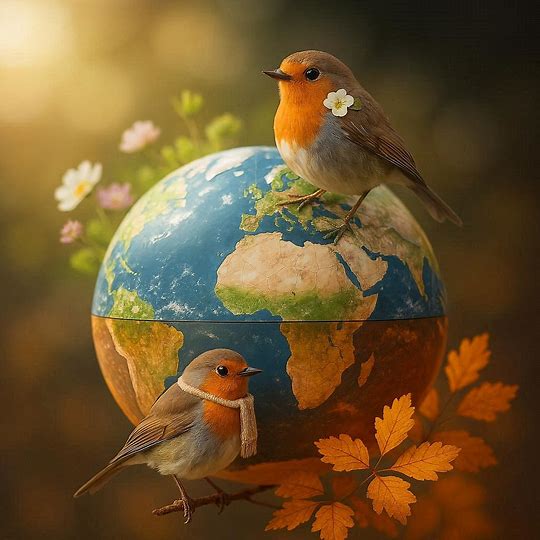
- Global Seasons Image: A photorealistic, cinematic view of Earth from space showing both hemispheres, with a soft line of sunlight crossing the equator, symbolizing equal day and night. Editorial news style, natural colors.
- Spring vs Autumn Image: A split-scene image: one side with blooming spring flowers and bright light, the other with autumn leaves and warm tones, representing the different seasons in north and south during the equinox.
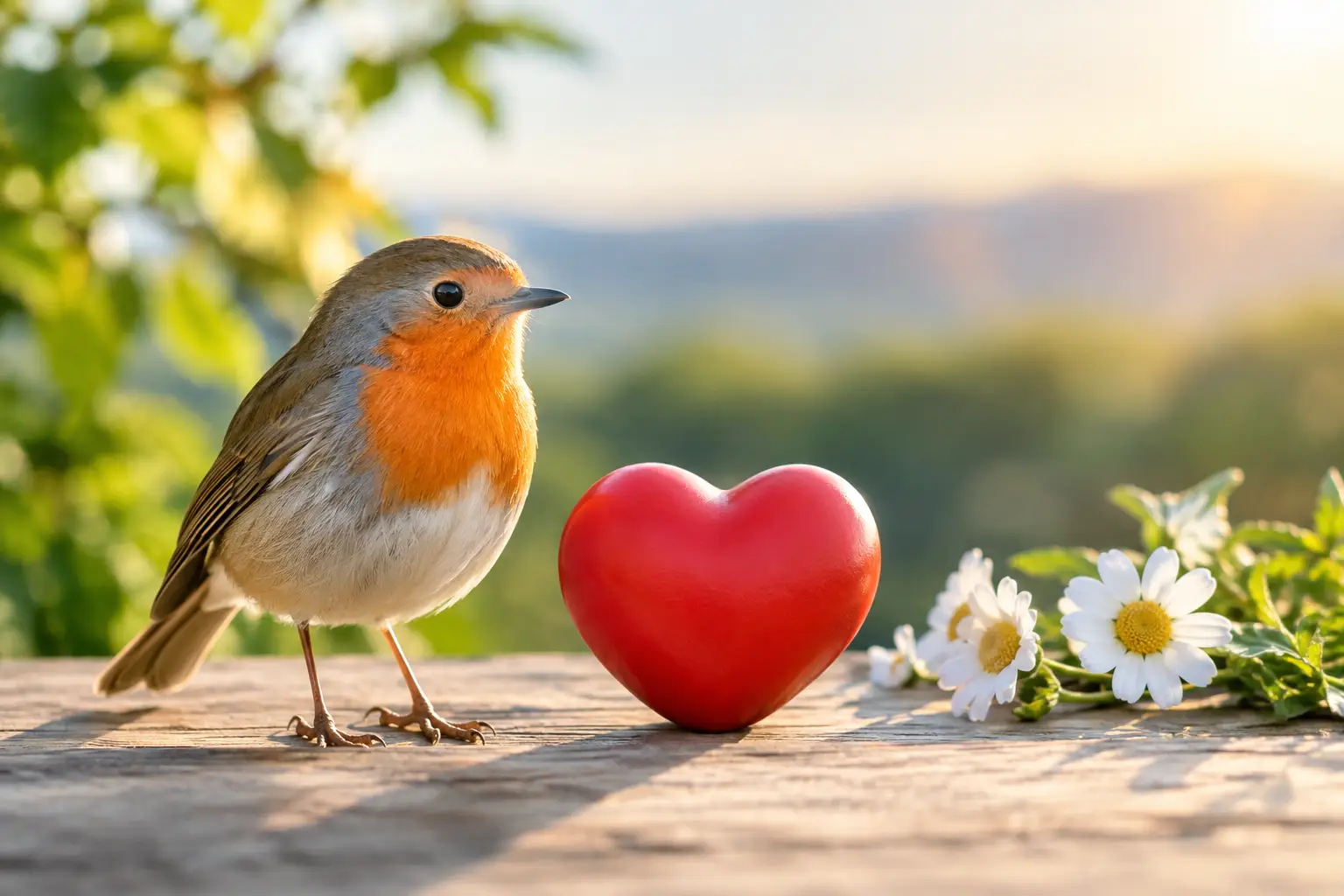
- Robin-Themed Seasonal Image: A small red robin perched on a branch with early spring buds or autumn leaves, symbolizing change, resilience, and seasonal transition in a gentle, realistic style.
🌞 What the Equinox Actually Is
An equinox occurs when Earth’s axis is not tilted toward or away from the Sun, and the Sun’s direct rays fall on the equator. At this moment, both hemispheres receive nearly equal amounts of daylight and darkness. The word “equinox” comes from Latin, meaning “equal night.”
There are two equinoxes each year:
- March Equinox: Spring in the Northern Hemisphere, autumn in the Southern Hemisphere.
- September Equinox: Autumn in the Northern Hemisphere, spring in the Southern Hemisphere.
For a clear scientific overview, see: NASA: Embracing the Equinox and National Geographic: Equinox.
🌐 Northern Hemisphere: The Arrival of Spring
In the Northern Hemisphere—covering regions such as North America, Europe, North Africa, and much of Asia—the March equinox marks the start of spring.
🌱 Seasonal Changes
- Days become longer and nights shorter.
- Temperatures gradually warm after winter.
- Snow and ice begin to melt, feeding rivers and streams.
- Early flowers and tree buds start to appear.
🌦️ Weather Patterns
- More frequent storms as warm and cold air masses collide.
- Increased wind and shifting jet streams.
- Rising pollen levels that can trigger allergies.
🏡 Spring Gardening Tips
- Start seeds indoors for warm-season crops like tomatoes, peppers, and basil.
- Prune fruit trees and shrubs before vigorous new growth begins.
- Add compost or organic matter to garden beds to refresh the soil.
- Plant cool-season vegetables such as lettuce, peas, spinach, and radishes.
🔧 Spring Home Maintenance Tips
- Clean gutters and downspouts after winter storms and debris.
- Inspect the roof for damaged or missing shingles.
- Service heating and cooling systems before summer heat arrives.
- Check outdoor faucets and irrigation lines for freeze damage.
🍂 Southern Hemisphere: The Beginning of Autumn
In the Southern Hemisphere—Australia, New Zealand, South Africa, Argentina, Chile, and others—the March equinox marks the start of autumn.
🍁 Seasonal Changes
- Days become shorter and nights longer.
- Temperatures begin to cool after the summer heat.
- Leaves on deciduous trees may start to change color.
- Many crops move into harvest season.
🌧️ Weather Patterns
- More frequent rain or early cold fronts in some regions.
- Stronger winds as seasons shift.
- Gradual decline in intense summer storms.
🏡 Autumn Gardening Tips
- Plant winter vegetables such as broccoli, cabbage, carrots, and onions.
- Mulch garden beds to retain warmth and protect roots.
- Divide and replant perennials to keep them healthy.
- Harvest late-summer crops and preserve what you can.
🔧 Autumn Home Maintenance Tips
- Seal gaps around windows and doors to keep heat in.
- Clean chimneys and fireplaces before regular use.
- Check insulation in attics and walls where possible.
- Service heaters or heat pumps before colder weather arrives.
🧭 How the Equator Was Understood and Why It Matters
The equator is an imaginary line that circles the Earth halfway between the North and South Poles. It represents the point where the Sun is directly overhead at noon on the equinoxes.
🏺 Early Observations
- Ancient civilizations noticed that the Sun’s height in the sky changed with location and season.
- Greek astronomer Eratosthenes famously estimated Earth’s circumference by comparing shadows at different latitudes.
🧭 Age of Exploration
- Explorers and navigators used the Sun and stars to determine latitude.
- Repeated measurements confirmed the position of the equator around the globe.
For more background, see: Equator – Wikipedia.
🌦️ How the Equinox Shapes Weather Around the World
As the Sun’s direct rays move northward in March, global weather patterns adjust.
In the Northern Hemisphere
- Jet streams shift north, changing storm tracks.
- Spring storms and severe weather, including tornadoes in some regions, become more likely.
- Snowstorms can still occur, but they become less frequent as temperatures rise.
In the Southern Hemisphere
- Cooler air masses begin to move northward.
- Tropical cyclone seasons may wind down in some basins.
- Dry or wet seasons begin to transition, depending on local climate.
For a clear explanation of equinox and seasonal changes, see: National Geographic: Why the Equinox Ushers in Spring.
🐾 How Animals Respond to Seasonal Changes
Animals are highly sensitive to changes in daylight and temperature. The equinox is part of the larger seasonal cycle that guides their behavior.
- Mammals: Many animals shed winter coats or grow thicker fur as seasons change.
- Insects: Pollinators like bees and butterflies become more active in spring as flowers bloom.
- Reptiles and Amphibians: Warmer temperatures bring them out of brumation or winter dormancy.
- Fish: Some species adjust migration or spawning times based on seasonal light and water temperature.
🌊 How Equinoxes Affect Ocean Currents
The equinox itself does not instantly change ocean currents, but the shift in solar heating around the equator and across latitudes influences winds and, over time, large-scale circulation patterns.
- Changes in sunlight distribution affect sea surface temperatures.
- Wind patterns that drive surface currents adjust as seasons shift.
- Over months, these changes can influence upwelling, nutrient distribution, and marine ecosystems.
For more on equinox and Earth–Sun geometry, see: Science Notes: Equinox – Definition, Facts, Dates.
🕊️ Why Equinoxes Influence Bird Migration
Many bird species use changes in daylight length (photoperiod) as a cue to begin migration. Around the equinoxes, day length changes quickly, signaling birds to move.
- Longer days in the Northern Hemisphere encourage birds to migrate north for breeding.
- Shortening days in the Southern Hemisphere encourage movement toward warmer regions.
- Birds also use stars, Earth’s magnetic field, and landmarks to navigate, but seasonal light changes help set the schedule.
🌙 Cultural Myths and Legends About the Equinox
Across cultures and history, equinoxes have been linked to balance, renewal, and transformation.
- Spring Festivals: Many cultures celebrate new beginnings, planting, and rebirth around the March equinox.
- Nowruz: The Persian New Year, celebrated at the spring equinox, marks renewal and the start of a new year.
- Ancient Monuments: Some ancient structures are aligned with equinox sunrise or sunset, highlighting their importance to early astronomers.
- Balance Symbolism: Equal day and night often symbolize harmony, justice, or spiritual balance in myths and stories.
🔥 How Climate Change Is Altering Seasonal Patterns
While the timing of the equinox is set by Earth’s orbit and tilt, climate change is altering how seasons feel on the ground.
- Winters are becoming milder in many regions.
- Spring is arriving earlier, with plants blooming sooner than historical averages.
- Heatwaves and extreme weather events are becoming more frequent and intense.
- Animals and plants are shifting their ranges and seasonal behaviors.
These changes can affect agriculture, water resources, health, and ecosystems, even though the astronomical equinox dates remain the same.
🧰 Seasonal Preparation Tips for Both Hemispheres
🌸 If You Are Entering Spring
- Declutter and deep clean living spaces to reset for the new season.
- Replace or clean air filters to improve indoor air quality.
- Prepare for allergy season with medical advice and prevention strategies.
- Update emergency kits for storms or floods common in spring.
🍁 If You Are Entering Autumn
- Stock up on heating fuel, firewood, or check heating systems.
- Clean and store summer tools and outdoor furniture.
- Prepare for early frost by protecting sensitive plants.
- Test smoke and carbon monoxide detectors.
🌎 How the Seasons Shape Our Lives
Seasons influence almost every part of human life.
🌾 Agriculture
- Planting and harvest schedules depend on seasonal patterns.
- Food availability and prices often follow seasonal cycles.
🧠 Mental and Emotional Health
- Longer days in spring can boost mood and energy.
- Shorter days in autumn can bring coziness but also seasonal mood changes.
🏖️ Travel and Tourism
- Spring brings festivals, flowers, and outdoor travel.
- Autumn offers foliage trips, harvest festivals, and cooler adventures.
🏠 Daily Routines
- Sleep patterns often shift with daylight changes.
- Energy use for heating and cooling changes by season.
- Outdoor activities increase or decrease with temperature and light.
📘 Glossary of Key Terms
Equinox: The moment when the Sun’s direct rays fall on Earth’s equator, creating nearly equal day and night.
Solstice: The point in the year when the Sun is farthest north or south of the equator, creating the longest or shortest day.
Equator: An imaginary line around Earth, halfway between the poles, where the Sun is directly overhead at the equinox.
Hemisphere: Half of Earth, divided into Northern and Southern halves by the equator.
Latitude: A measure of distance north or south of the equator.
Jet Stream: A fast-moving band of wind high in the atmosphere that influences weather patterns.
Photoperiod: The length of day and night, which affects plant and animal behavior.
Perennial: A plant that lives for more than two years and often returns each season.
Mulch: Material spread over soil to retain moisture, protect roots, and reduce weeds.
Compost: Decomposed organic matter used to enrich soil.
Insulation: Material used in buildings to reduce heat loss or gain.
HVAC: Heating, ventilation, and air conditioning systems that control indoor climate.
🧭 A Moment of Balance
The March equinox is more than a date on the calendar. It is a moment of balance that connects astronomy, weather, wildlife, culture, and everyday life. Whether you are stepping into spring or autumn, it is an opportunity to pause, notice the light, and prepare your home, garden, and routines for the season ahead.