School calendars fill up fast, flight prices jump without warning, and suddenly summer is two weeks away. That is why the best summer vacation ideas are not always the flashiest ones. They are the trips you can actually book, afford, and enjoy without spending the whole season recovering from the planning.
For most travelers, the real question is not where could you go. It is what kind of trip fits your time, budget, energy level, and who is coming with you. A family with young kids needs a different setup than a couple chasing quiet beaches, and a solo traveler may want flexibility over packed itineraries. The good news is that strong summer travel options exist at every price point.
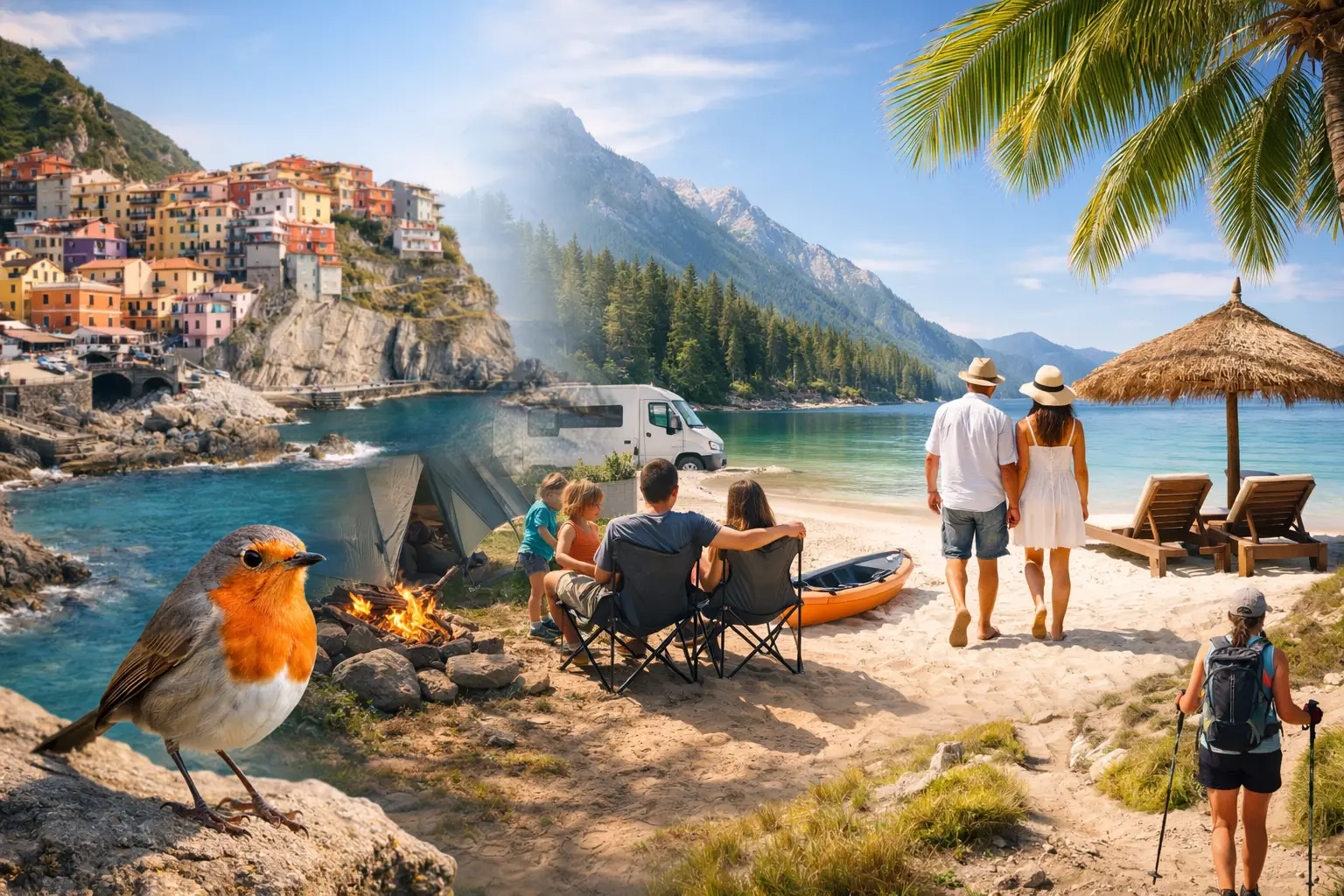
Summer vacation ideas that match how you travel
The easiest way to narrow choices is to start with the experience, not the map. If you begin by saying you want rest, adventure, cooler weather, road-trip freedom, or easy kid-friendly planning, your options become much clearer.
A beach week still works for a reason. If your goal is low-effort downtime, a coastal stay gives you built-in entertainment and a simple daily rhythm. You wake up, check the weather, grab lunch nearby, and let the day unfold. The trade-off is cost. Popular beach towns often come with peak-season rates, crowded parking, and reservations you need to make early.
Mountain destinations solve a different problem. They appeal to travelers who want a break from heat, traffic, and packed tourist strips. Cabin stays, national park gateways, and smaller outdoor towns can feel more relaxed in summer than major beach markets. But they are not always cheaper, especially if you wait too long or need a larger rental.
City breaks can be underrated in summer if you plan around timing. Big-name cities may be hot, but they offer museums, sports, food, public transit, and enough variety to rescue a trip when weather changes. A city vacation works well for mixed-age groups because not everyone has to want the same thing every hour.
Then there is the road trip, still one of the most flexible summer formats. It lets you build around your own pace, combine multiple stops, and adjust if one destination disappoints. Gas, hotel, and food costs can add up, so road trips are not automatically the budget winner people assume. Still, for families and groups, driving can beat airfare fast.
12 summer vacation ideas worth considering
1. A classic beach town stay
This is the familiar summer pick because it delivers exactly what many people want - sun, easy meals, and simple days. It works especially well for families with kids and travelers who do not want an activity-heavy schedule. Choose this if convenience matters more than novelty.
2. A lake vacation with cabin access
Lake trips offer a quieter version of summer travel. You still get swimming, boating, and evening views, but often with less crowd pressure than major ocean destinations. This can be a strong middle ground for groups that want outdoor time without the scale and cost of top beach markets.
3. A national park basecamp
If your idea of a good vacation includes early starts, scenic drives, and being offline for stretches, a park-centered trip can be a great fit. It is best for travelers comfortable with planning ahead. Lodging, timed entries, and seasonal access can become the difference between a smooth trip and a frustrating one.
4. A cool-weather mountain town
When heat is the thing you are trying to escape, this option makes immediate sense. Mountain towns can give you hiking, local shops, scenic overlooks, and more manageable evenings. They are especially appealing for couples and remote workers extending a stay.
5. A short cruise from a nearby port
A cruise can simplify decisions because lodging, dining, and transport between stops are built in. That convenience is the main draw. The trade-off is less flexibility and a more structured pace. For some travelers, that feels easy. For others, it feels crowded.
6. A budget-friendly road trip loop
Pick three to five stops within driving range and give yourself enough time to enjoy each one. The smart version of this trip avoids trying to cover too much ground. A shorter route with better stops usually beats a long drive with constant packing.
7. A theme park vacation
For families with kids, this can still be the trip everyone remembers. It also requires the most stamina, especially in peak heat. If you go this route, build in rest time, use shaded breaks, and resist the urge to turn every day into a marathon.
8. A city-and-beach split trip
This is one of the most practical summer vacation ideas for travelers who want variety. Spend a few days on food, museums, or nightlife, then finish with slower coastal time. It helps solve the common problem of one person wanting activity while another wants pure downtime.
9. A small-town food getaway
Not every summer trip needs a famous landmark. A regional food trip built around farmers markets, local festivals, diners, seafood spots, or wine country can feel more relaxed and more personal. It is often better for adults than for families needing nonstop entertainment.
10. A multi-generational rental house trip
If grandparents, siblings, and kids are all involved, a shared rental can keep costs more predictable and make meals easier. The catch is group dynamics. Space matters. So does having different activity options nearby so no one feels stuck in the same plan all week.
11. A staycation built like a real vacation
This works best when you commit to it. Book a hotel in your own region, buy tickets to local attractions, or plan a series of day trips as if you were visiting from out of town. A staycation fails when it becomes ordinary life with slightly better snacks.
12. A shoulder-route summer trip
Instead of chasing the most searched destination, pick a nearby alternative with similar appeal. Think secondary beach towns, less-hyped lake regions, or smaller cities near major attractions. This is often where value still exists in summer travel.
How to choose between good options
A trip can look perfect online and still be wrong for your group. The biggest planning mistake is choosing based on aspiration rather than logistics. If your budget is tight, a high-cost destination will create stress no matter how beautiful it is. If your group includes toddlers or older adults, a packed activity schedule may collapse by day two.
Start with four filters: budget, travel time, energy level, and weather tolerance. Budget should include more than airfare or hotel. Summer travel has hidden costs everywhere, from parking and resort fees to attraction pricing and eating every meal away from home. Travel time matters because a three-day trip can be ruined by a full day of airport delays in both directions.
Energy level is where many plans go sideways. Some travelers want to move all day. Others want one meaningful outing and plenty of unstructured time. Neither is wrong, but the mismatch can shape the entire trip. Weather tolerance is just as real. A family that struggles in extreme heat should not force a July theme park vacation just because it is popular.
Making summer vacation ideas more affordable
If price is driving the decision, flexibility matters more than almost anything else. Traveling midweek, staying slightly outside the main tourist zone, or choosing a less famous nearby destination can change the total cost quickly.
It also helps to decide what matters most before you book. Some travelers should spend more on location and save on accommodations because they will be out all day. Others need a larger room, a kitchen, or a pool because that is where the vacation will actually happen. Paying for the wrong convenience is one of the fastest ways to waste a travel budget.
For families, one practical move is to anchor the trip around free or repeatable entertainment. Beaches, lakes, hotel pools, public parks, scenic walks, and town events can carry more of the week than expensive attractions can. That does not make the trip feel cheap. It often makes it feel less rushed.
When simple beats ambitious
There is always pressure to make summer count. That usually leads people toward bigger flights, longer itineraries, and more expensive plans than they really need. But a good summer trip does not have to impress anyone. It has to work.
Some of the best travel choices are the ones with fewer moving parts: one rental house, one scenic base, one drivable route, one beach within walking distance, one city with enough to do for three easy days. For a broad audience looking for useful, current, service-first travel planning, the strongest summer vacation ideas are the ones that respect real schedules and real budgets.
Pick the trip that gives you the best days, not the busiest ones. That is usually the vacation people want again next year.