By the time July 4, 2026 arrives, the question will not be whether the country plans to mark the milestone. It will be how to celebrate America's 250th anniversary in a way that feels meaningful, current, and worth showing up for. For families, travelers, educators, local organizers, and everyday readers tracking major national events, this is one of those rare moments that blends history, community, entertainment, and public life on a truly national scale.
The 250th anniversary of the Declaration of Independence is expected to bring a wave of parades, museum exhibits, concerts, heritage tours, documentaries, school programs, public ceremonies, and citywide festivals. Some communities will go big with fireworks and televised coverage. Others will keep it local with walking tours, civic art projects, library programs, veterans' events, and neighborhood gatherings. That range matters because the best way to mark a national birthday depends on where you live, who you are celebrating with, and what you want the day to say.
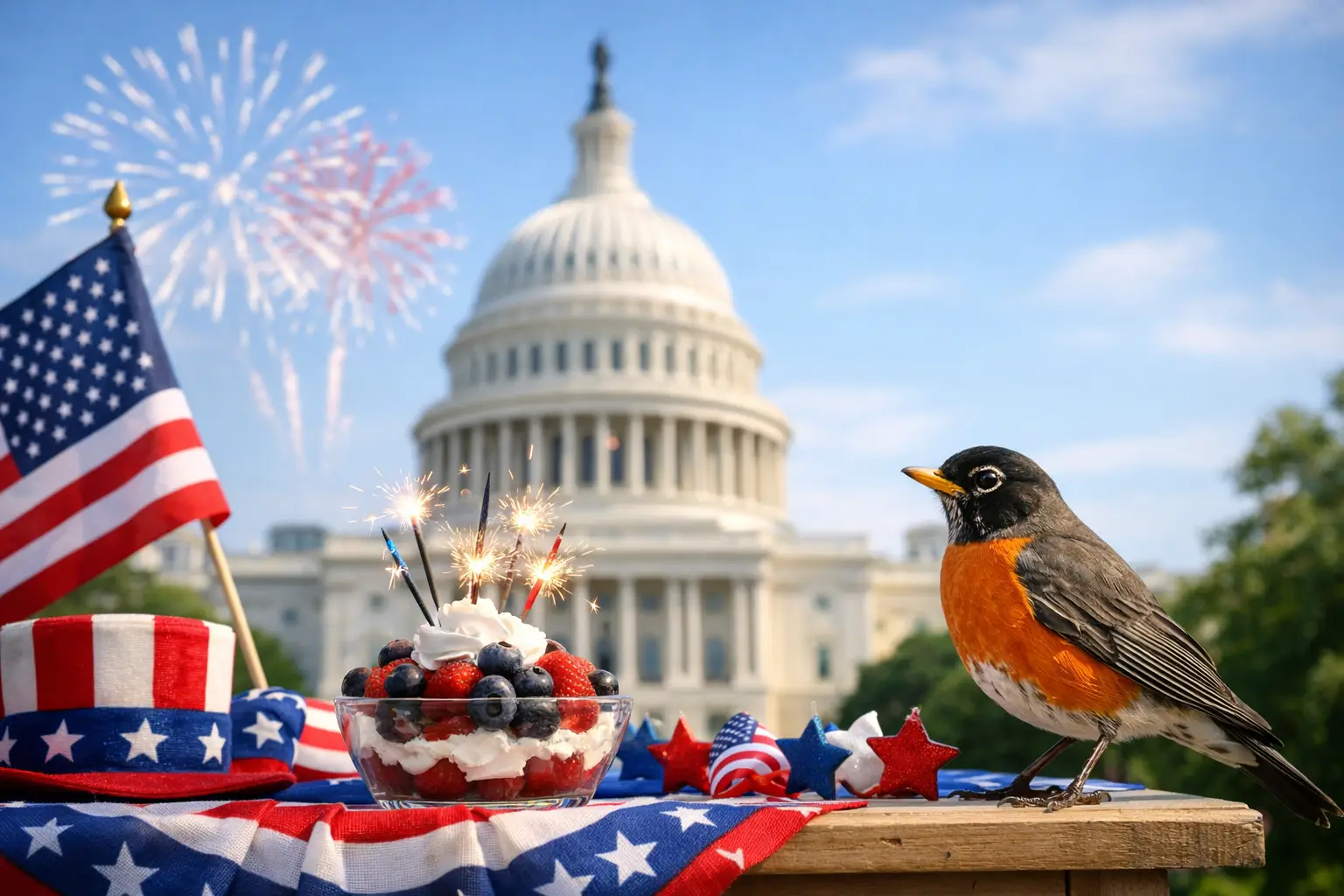
Why celebrate America's 250th anniversary differently?
Round-number anniversaries always attract attention, but 250 years carries a different kind of weight. It invites celebration, but it also invites reflection. This is not just about patriotic imagery or a single holiday weekend. It is a chance to look at the country's founding ideals, the distance between those ideals and reality, and the many people and movements that shaped the nation after 1776.
That is why the strongest anniversary plans will likely mix pageantry with perspective. A fireworks show can sit alongside a local history exhibit. A family cookout can include stories about military service, immigration, civil rights, public service, or the history of a hometown. A school or civic group can celebrate national progress while still acknowledging conflict, exclusion, and unfinished work. For many Americans, that balance will make the observance feel more honest and more relevant.
Ways to celebrate America's 250th anniversary at home and locally
Not every memorable event needs a ticket, a hotel booking, or a major city backdrop. In fact, local participation may be where this anniversary has the most lasting impact. Town squares, county museums, schools, historical societies, state parks, and community centers often create the most accessible programs, especially for families and multigenerational groups.
Start with your own area. Many cities and counties are already planning heritage events tied to local landmarks, founding dates, veterans memorials, public libraries, and civic organizations. If your community has a historic district, expect walking tours and reenactments. If it has a waterfront, public green, or central plaza, expect concerts, food vendors, public art, and live performances. Smaller communities may not have a headline event, but they often deliver something more personal - a gathering where local history and local pride are front and center.
At home, people can build their own observance without making it feel forced. A family history night, a neighborhood potluck, a backyard screening of a historical documentary, or a kids' activity table focused on state and national history can all work well. If you are hosting, the strongest approach is to keep it broad and welcoming. The day is likely to mean different things to different guests, and that is part of the story.
Travel ideas for the 250th anniversary
Travel will be a major part of the anniversary economy, and popular destinations are likely to fill fast. Historic cities connected to the Revolution and the founding era will draw the most attention, especially places tied to early congressional activity, major speeches, military turning points, and preservation sites. That can make travel exciting, but also expensive and crowded.
For some travelers, the obvious destination will be the right one. Visiting a major historic city during a once-in-a-generation anniversary has clear appeal, especially if you want ceremonies, special exhibits, and large-scale public programming. The trade-off is logistics. Prices may rise, parking may be difficult, and headline events can become harder to enjoy if the crowds overwhelm the experience.
For others, a regional trip may be smarter. State capitals, battlefield sites, presidential homes, maritime museums, and restored villages can offer a more manageable way to connect with the anniversary. These places often provide a deeper educational experience with less congestion. If your goal is not just spectacle but understanding, a smaller destination may deliver more.
Families should also think beyond July 4 itself. Anniversary-related programming will likely run for months before and after the holiday. Traveling in spring or early fall could mean better access, shorter lines, and more time to explore exhibits, trails, and community events without peak-season pressure.
What schools, libraries, and communities can do
Public institutions are in a strong position to make the anniversary useful, not just ceremonial. Schools can frame the milestone as a learning opportunity that goes beyond textbook dates. Libraries can host reading lists, speaker events, local archives displays, and oral history projects. Museums and civic groups can create exhibits that connect national milestones to regional stories.
One of the most effective approaches is to make the anniversary participatory. Students can interview older residents about how ideas of citizenship and freedom changed across generations. Libraries can collect photographs, letters, and local memories. Historical societies can invite residents to map places that shaped their town's development. These projects work because they turn a national anniversary into something people can see in their own streets and family records.
Communities also have a chance to avoid making the observance feel one-dimensional. Programming that includes Indigenous history, Black history, women's history, military service, labor history, and immigration stories will better reflect the country's actual development. That does not weaken the celebration. It broadens it.
The role of media, livestreams, and national coverage
Because this anniversary will unfold across hundreds of cities and institutions at once, many Americans will experience it through screens as much as in person. That is not a lesser version of participation. It is simply how national events now work. Live coverage, event recaps, documentaries, concert broadcasts, museum features, and local video reports will all help people follow the story from wherever they are.
For news readers and event-watchers, the anniversary will likely generate a steady stream of content across politics, travel, education, culture, and public safety. That means practical planning matters. If you are attending a major event, track local schedules, security guidance, weather updates, transportation alerts, and crowd advisories. If you are staying home, national and local coverage can still help you compare how different communities choose to mark the same milestone.
This is also where a broad-access platform such as RobinsPost fits naturally into the picture. Readers looking for updates, video coverage, special reports, and event discovery in one place are likely to benefit from that kind of centralized view, especially during a fast-moving national observance with many local angles.
A celebration, a checkpoint, and a public conversation
The 250th anniversary will inevitably carry political overtones. Any national celebration tied to founding principles will prompt debate over identity, memory, and national direction. That is not necessarily a problem. It may be one of the clearest signs that the anniversary still matters.
A useful public observance does not require total agreement. It requires shared attention. People can disagree about the country's progress, its failures, and its future while still recognizing that 250 years is a rare civic checkpoint. Some will focus on military sacrifice, democratic institutions, and national resilience. Others will emphasize reform, justice, and the long effort to extend rights more fully. Most Americans will probably hold some mix of both.
That is why the best anniversary events will not only entertain. They will create room for people to ask what kind of country they want the next generation to inherit. A parade can do that. A classroom can do that. A family table can do that too.
If you are thinking ahead to 2026, the smartest plan is simple: choose a way to participate that fits your life, pay attention to what your community is building, and leave room for both celebration and reflection. A 250th anniversary only happens once, but what people do with it can shape the story long after the fireworks end.