

Rockin Robin SongFlying The Web For News.


Global World Topics

A perfect turquoise bay can still be a poor place to paddle, sail, surf, or snorkel on a given morning. Wind direction, tide movement, boat traffic, water quality alerts, and local access rules can change the plan quickly. That is the reality behind international water sports adventures: the destination matters, but current conditions and local knowledge matter more.

For travelers who follow global news and practical travel updates, water sports are also a useful lens on a destination. A reef closure may point to conservation pressure. A canceled ferry can signal rough offshore conditions. A local festival can bring crowded beaches, restricted launch areas, or a rare chance to see a traditional sailing event. Planning well means paying attention before the first board, paddle, or mask reaches the water.
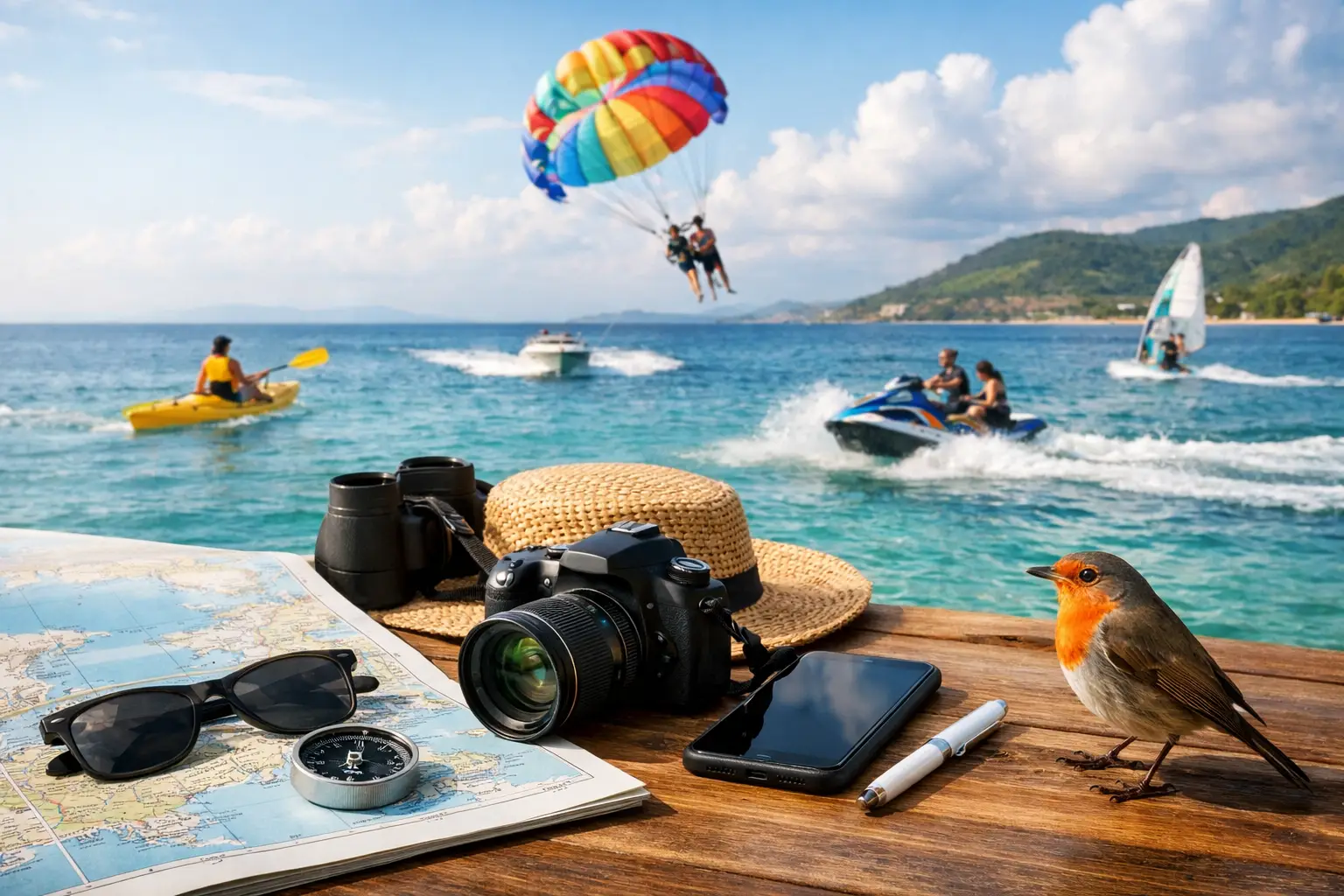

Planning International Water Sports Adventures

Start With the Sport, Not the Postcard

It is easy to choose a trip from striking photos and then try to fit an activity around it. A more reliable approach is to decide what kind of water time you want first. A beginner learning to surf needs forgiving breaks, qualified instruction, and room away from dense crowds. An experienced kitesurfer may prioritize steady wind, safe launch areas, and rescue support. A family snorkeling trip depends less on dramatic open-water scenery than on calm entry points, visibility, and age-appropriate equipment.

Seasonality can reshape every option. Monsoon periods may bring stronger wind for sailing or kiteboarding but reduced visibility for snorkeling and diving. Hurricane seasons can mean lower prices and fewer visitors, yet they also require flexible bookings and close attention to weather notices. In colder regions, water temperatures may make a wetsuit, drysuit, or guided outing essential even when air temperatures feel comfortable.

Research the specific coastline, lake, river, or island rather than relying on a country's general climate. Conditions can vary sharply between an exposed ocean beach and a sheltered bay only a few miles away.

Match Your Experience to Local Conditions

A lesson at home does not automatically prepare someone for an unfamiliar sea state abroad. Reef breaks, fast-moving tidal channels, altitude effects at mountain lakes, and river hazards each require different judgment. Be honest about your experience when booking. A responsible operator should ask about swimming ability, certifications, recent practice, medical concerns, and the activity you want to attempt.

If the conversation focuses only on selling a package, consider that a warning sign. Good instruction includes an explanation of local hazards, communication signals, emergency procedures, and the point at which weather makes the session unsafe.

Build a Safer Plan for International Water Sports Adventures

The strongest travel plans leave room for change. Booking every activity for the first morning after arrival can be a mistake, particularly after a long flight, a major time-zone shift, or a transfer involving boats and small aircraft. Give yourself time to rest, inspect the area, and adjust to the water temperature.

Check entry requirements, medical recommendations, and emergency care options before traveling. Some activities, especially scuba diving, demand extra planning around health history, certification status, and flying after a dive. Travelers with asthma, heart conditions, past ear problems, or recent injuries should seek medical guidance before committing to demanding water activities.

Insurance deserves more than a quick glance at the purchase screen. Standard travel policies may exclude scuba diving beyond certain depths, kitesurfing, jet skiing, whitewater rafting, competitions, or any activity judged to be high risk. Confirm that the policy covers the exact activity, destination, treatment, evacuation, and equipment loss that apply to your trip. If you are taking valuable camera gear, surfboards, or diving equipment, verify the coverage limits separately.

Keep digital and printed copies of relevant documents, including insurance details, certifications, emergency contacts, and operator booking information. Phone service can be unreliable around remote beaches, islands, and mountain rivers.

Check Operators Beyond Star Ratings

Online reviews can identify recurring problems, but they are not enough on their own. Look for clear evidence of instructor qualifications, maintained equipment, group-size limits, local permits, and a weather cancellation policy. Ask whether there is a safety boat or shore-based support for activities conducted away from the beach.

A lower-cost outing can be worthwhile, but price differences often reflect real trade-offs. A larger group may mean less individual attention. A remote launch point may offer fewer crowds but a longer response time in an emergency. Private instruction can cost more while providing a safer route for beginners or travelers returning to a sport after a long break.

Pay attention to how an operator discusses the environment as well. Businesses that respect marine protected areas, wildlife distance rules, and reef-safe practices are more likely to understand the place where they work. No operator can control the weather, but a credible one will cancel or modify a plan when conditions call for it.

Pack for Flexibility, Not Just for Photos

Packing needs differ by sport, but a few principles apply across most trips. Well-fitting sun protection, a reusable water bottle, a basic first-aid kit, and a dry bag can make a long day on the water more comfortable. Polarized sunglasses help reduce glare, although they should be secured with a strap. For snorkeling, paddling, sailing, and boat trips, a rash guard can offer useful protection from sun, wind, and abrasion.

Bringing personal gear has benefits, especially for masks, wetsuits, and footwear where fit affects comfort and performance. Yet carrying everything can create unnecessary airline costs and luggage risks. Renting is often sensible for bulky equipment such as paddleboards, kayaks, tanks, and boards, provided the gear is in good condition and appropriate for the conditions.

Before using rental equipment, inspect straps, buckles, valves, fins, leashes, life jackets, and helmets. Ask for a replacement if something feels damaged or poorly fitted. A life jacket should be worn as intended, not loosely carried on a boat for appearances.

Respect Water, Wildlife, and Local Communities

The most memorable water experiences usually depend on healthy ecosystems and communities that have protected access to them. That makes basic etiquette part of the adventure. Stay off coral, avoid feeding wildlife, do not chase marine animals for a closer video, and keep distance from nesting areas. A turtle, dolphin, seal, or whale encounter should happen on the animal's terms.

Local rules can also cover fishing zones, protected reefs, surf priorities, boat lanes, alcohol restrictions, and where equipment may be launched. These rules are not obstacles to a vacation. They often exist because an area has seen accidents, ecological damage, or conflict between visitors and local users.

For cultural awareness, learn a few local terms and observe how residents use the water. In some places, a beach is a workplace for fishers, a training ground for local clubs, or a site with spiritual importance. Visitors who wait their turn, use designated access points, and support qualified local guides help keep recreation welcome rather than disruptive.

Follow Conditions While You Travel

The forecast you checked a week before departure is only a starting point. Review local weather, tide, marine, and water-quality notices each day. Ask staff at your accommodation or activity provider what has changed overnight. Heavy rain can affect river flow and coastal runoff. Offshore wind can make a calm beach look inviting while carrying inexperienced paddlers farther from shore.

News updates are useful here because travel conditions can change for reasons beyond the weather. Transport strikes, port closures, wildfire smoke, civil defense alerts, and infrastructure disruptions may affect access to waterfront areas. RobinsPost readers who already use a centralized news view can apply the same habit to travel: check current information, then make decisions based on what is happening now rather than what was promised months ago.

Do not let sunk costs decide for you. Missing a prepaid session is frustrating, but forcing an activity in questionable conditions is never a bargain. A good trip usually has alternatives: a guided coastal walk, a local market, a museum, a sheltered swim, or simply another morning when the water is right.

The best international water sports adventures leave travelers with more than dramatic footage. They build confidence, respect the place being visited, and make room for the judgment that turns an exciting day on the water into a safe one.





More News From This Category
Advantages of Manufacturing Plastic Parts With Polyethylene
Tue, 08 Sep 2026 12:37:13 +0000

A large, white plastic polyethylene canister being manufactured on a massive, light blue automatic conveyor.

Polyethylene has earned a familiar place across the plastics industry for good reason. Its practical mix of durability, chemical resistance, flexibility, and cost-conscious production suits a broad range of molded components. Advantages of manufacturing plastic parts with polyethylene become especially clear when a project calls for dependable performance without unnecessary material complexity. Refer to the guide below to learn if you should use these dependable material in your production.

Read More ...


Apple Launches New Products September 2026
Tue, 08 Sep 2026 04:11:56 +0000

Apple launches new products September 2026 is the phrase drawing attention from shoppers, Apple users, and technology watchers as the company’s traditional fall announcement window approaches. September events have often set the tone for Apple’s holiday season, especially when new iPhone models and Apple Watch updates are involved. But until Apple issues formal invitations and publishes product details, readers should separate confirmed news from credible reporting, supply-chain speculation, and social media rumor.

For consumers, the useful question is not simply what Apple may announce. It is whether a possible upgrade will make a meaningful difference to the phone, watch, or accessories already in hand. This guide explains what typically belongs in Apple’s September cycle, what details matter most at launch, and how to follow the news without getting pulled into every unverified claim.


Apple Launches New Products September 2026

Apple launches new products September 2026: What is confirmed?

A product launch is confirmed only when Apple publicly announces it. That can include an event invitation, a newsroom announcement, a product page, pricing, and an on-sale date. Before that point, even reports from established technology outlets remain reports, not final specifications.

The distinction matters because late-stage product plans can change. Colors may be different from early descriptions. A feature expected for every model may arrive only on higher-priced devices. Regional availability can also vary, particularly for cellular features, satellite services, payment tools, and certain software capabilities.

As September 2026 develops, the most dependable launch coverage will identify what Apple has said directly, then clearly label the rest as expectations. Watch for practical details that affect a purchase: storage choices, carrier compatibility, trade-in values, battery claims, repair options, preorder timing, and the date products reach stores.

The products most likely to shape the fall event

Apple’s September calendar has historically centered on the iPhone. A new generation may bring changes to camera hardware, display technology, processing performance, battery efficiency, connectivity, or the design of the device itself. Those are the categories worth watching, rather than treating every rumored component as equally important.

iPhone: look beyond the headline feature

Camera upgrades get attention because they are easy to demonstrate. For many buyers, though, the more valuable changes may be battery life, heat management during gaming or video capture, brighter outdoor displays, faster charging, and improved mobile reception. These details determine how a phone feels after several months of daily use.

A new chip can matter for performance and on-device intelligence features, but compatibility deserves close attention. Apple sometimes reserves demanding camera, display, or processing functions for premium models. If a feature is central to your purchase decision, wait for the model-by-model comparison instead of assuming it will appear across the entire lineup.

Pricing is another area where broad headlines can mislead. The starting price is only part of the cost. Storage upgrades, AppleCare coverage, taxes, accessories, financing terms, and carrier promotions can shift the real total substantially. A carrier deal may reduce the apparent cost, but it can require an eligible plan, a trade-in in good condition, or installment credits spread over years.

Apple Watch: health, safety, and battery are the real tests

A September Apple Watch update could focus on fitness tracking, wellness tools, sensors, safety alerts, display improvements, or battery life. Health-related announcements should be read carefully. A feature may offer notifications or trend data, while still not serving as a medical diagnosis. Availability may also depend on regulatory approval and local rules.

For current Apple Watch owners, the upgrade case depends heavily on battery condition and daily habits. Someone who uses GPS workouts, sleep tracking, and cellular service may benefit from endurance improvements more than from a minor visual refresh. Someone with a recent watch that still lasts a full day may find that a new band, battery service, or software update offers better value.

Software: the feature may already be on your device

Apple’s fall hardware events usually arrive alongside updates to iPhone, iPad, Mac, Watch, TV, and other platforms. Software is often the quiet value story of launch season because many recent devices receive new features without requiring new hardware.

That said, not every software feature reaches every supported model. New artificial intelligence tools, advanced photo processing, or enhanced accessibility functions can have chip, language, regional, or account requirements. Before upgrading solely for one advertised capability, check whether your current device will receive it and whether it will be available where you live.

Accessories and other announcements

Apple can use a fall event to refresh accessories, colors, cases, earbuds, or home and entertainment products. These announcements can be useful, but they should not be assumed. Apple does not follow a rigid public calendar, and some products are introduced through separate newsroom releases rather than a major presentation.

Accessories are also a reminder to check compatibility. A new case may fit only one iPhone size. An older charger might work but deliver slower charging. A watch band may remain compatible across generations, but buyers should verify case size and fit before placing an order.

How to decide whether to buy, wait, or keep your current device

The best launch-day decision starts with the problem you want to solve. If your current phone has degraded battery health, insufficient storage, an unreliable camera, or lacks network support you need, a new model could be a practical purchase. If it still performs well and the expected improvements are incremental for your use, waiting can be sensible.

Consider your purchase window. Buyers who need a phone immediately may be better served by a current model at a legitimate discount than by waiting for an unannounced device. Buyers whose purchase can wait a few weeks should usually avoid paying full price for outgoing hardware just before a likely fall refresh.

Trade-ins require a clear-eyed comparison. Apple, carriers, retailers, and resale marketplaces can value the same device very differently. Carrier offers may look strongest on paper but often depend on a specific unlimited plan and monthly bill credits. Selling privately can return more money, but takes time and carries more responsibility. Before wiping an old device, confirm that your data is backed up and that any eSIM, watch pairing, or two-factor authentication plan is handled.

What to watch on announcement day

The fastest updates are not always the most useful. A reliable launch report should answer a handful of basic questions quickly: Which products are actually new? What has changed from the previous generation? Which features are limited by model, country, carrier, or software version? When do preorders open, and when do products ship?

It should also distinguish Apple’s quoted battery estimates from independent testing, and promotional trade-in values from guaranteed cash value. Early hands-on coverage can show design and interface changes, but long-term reviews are more useful for judging cameras, battery aging, durability, and real-world thermal performance.

For a broad stream of product updates, video coverage, consumer reports, and related technology headlines, RobinsPost readers can follow the September news cycle while comparing the details that affect their own purchases.

The details that are easy to miss

A launch presentation is designed to show the best case. Before buying, check the fine print around charging bricks, cables, repair pricing, warranty terms, accessory support, and cellular bands for your carrier. If you travel internationally, confirm eSIM support and roaming options rather than relying on a model name alone.

Privacy and data handling deserve the same scrutiny, especially when a new feature processes voice, photos, health data, or personal context. Read what happens on the device, what may be sent to remote servers, and which controls are available to limit data sharing. A useful feature should also be understandable and manageable.

Apple’s September 2026 announcements may bring major changes, modest refinements, or a mix of both. The smartest approach is to let the official specifications arrive, compare them with the device you already own, and buy when the upgrade solves a real everyday need rather than a launch-day impulse.

Read More ...


The Most Common Mistakes First-Time Woodworkers Make
Mon, 07 Sep 2026 12:35:17 +0000

A man is placing a chisel on a wooden table. The table is filled with other woodworking tools.

Woodworking has a way of looking deceptively simple from the outside. Measure a board, make a cut, fasten a few pieces together, and eventually you’ll have some nice piece of furniture. Once someone actually starts working with wood, however, it quickly becomes apparent how much precision and preparation go into even relatively straightforward projects.

Read More ...


Labor Day 2026 Meaning and What It Honors
Mon, 07 Sep 2026 04:11:35 +0000

Labor Day will be observed in the United States on Monday, September 7, 2026. The Labor Day 2026 meaning goes well beyond a long weekend, end-of-summer sales, or the unofficial close of vacation season. It is a federal holiday created to recognize the contributions of American workers and the labor movement that fought for safer workplaces, fairer hours, and greater economic security.

For many households, the day is practical: schools are closing or reopening, travel routes are busy, and employers may operate on a holiday schedule. But its public meaning remains rooted in a larger question: what do workers contribute to the country, and what conditions should make work dignified?


Labor Day 2026 Meaning and What It Honors

What Labor Day Means in 2026

Labor Day honors the social and economic achievements of workers in the United States. It recognizes people across industries, from healthcare and construction to education, retail, transportation, manufacturing, agriculture, technology, and public service. The holiday is not limited to union members, although organized labor played a central role in establishing it.

In 2026, that message lands in a work environment shaped by familiar and newer pressures. Many people are balancing rising living costs, flexible or remote schedules, caregiving responsibilities, workplace automation, changing job requirements, and debates over pay and benefits. Labor Day does not settle those debates. It creates a national pause that puts work, workers, and the value of time outside work into public view.

The holiday also recognizes that workplace standards were not simply handed down. Protections that many Americans now consider normal - such as limits on child labor, the eight-hour workday, workplace safety rules, and overtime protections - emerged through years of advocacy, organizing, legislation, and public pressure. Progress has never been identical across every occupation or community, which is one reason the holiday remains relevant.

Why Labor Day Falls on September 7, 2026

Labor Day is observed on the first Monday in September each year. In 2026, September 1 falls on a Tuesday, making Monday, September 7, the first Monday of the month.

The fixed Monday observance means that most federal offices, post offices, banks, and many schools will close, while many private employers also give workers the day off. However, a federal holiday does not require every business to close or require every employer to provide paid leave. Hospitals, emergency services, hotels, restaurants, retailers, airlines, warehouses, and other essential or customer-facing operations may continue to run.

Whether someone receives holiday pay, premium pay, or a substitute day off depends on their employer's policy, employment agreement, union contract, and applicable state and local rules. For workers scheduled on Labor Day, the holiday can be a reminder that the economy depends on people whose jobs cannot pause when much of the country is off.

The History Behind the Holiday

Labor Day grew out of the American labor movement in the late 19th century, a period when industrial jobs often involved long hours, low wages, hazardous conditions, and limited legal protections. Early Labor Day events included parades, speeches, and community gatherings designed to show the public strength and importance of working people.

New York City held one of the earliest widely recognized Labor Day parades in 1882. Other states adopted the observance in the years that followed. In 1894, Congress made Labor Day a federal holiday, setting its annual observance for the first Monday in September.

The origins matter because the holiday was not initially designed as a general day of leisure. Rest and recreation were part of it, but so were public visibility and collective recognition. Marching workers made a point that can seem obvious only in retrospect: the nation's growth, infrastructure, services, and wealth depend on labor.

That history also explains why Labor Day has a different place in the calendar from May 1, known internationally as International Workers' Day or May Day. Many countries mark worker solidarity and labor rights on May 1. The United States established Labor Day in September, giving the country its own official annual observance while labor movements continued to use May 1 for demonstrations and remembrance.

Labor Day 2026 Meaning for Families and Communities

For families, Labor Day often marks a transition. Summer travel and outdoor events are still possible in much of the country, yet the school year, fall sports, and a busier work routine are often underway. Community parades, neighborhood cookouts, local fairs, and final summer weekends give the holiday a relaxed feel.

That enjoyment is part of the point. Time away from work has value in itself. A holiday can recognize workers not only by celebrating productivity, but by protecting room for family, rest, recreation, and community life.

Still, the experience varies widely. A salaried office employee, a freelancer, an hourly retail worker, a gig driver, and a nurse working a twelve-hour shift may all encounter Labor Day differently. Some receive paid time off; some rely on the extra customer traffic; some have no choice but to work. A meaningful observance leaves room for those differences instead of assuming everyone shares the same long weekend.

More Than Sales and Travel

Labor Day promotions are now a major part of the holiday weekend. Retailers advertise seasonal discounts on appliances, mattresses, clothing, outdoor gear, and back-to-school items. Travel demand can also increase as people fit in one more summer trip.

There is nothing inherently wrong with shopping or taking a break. But commercial activity can overshadow the reason the holiday exists. Consumers who want to keep the original meaning in view can consider the people behind the services they use. That may mean planning ahead for holiday hours, being patient with staff, tipping appropriately where customary, and treating workers with basic respect during a busy weekend.

Employers can do the same through clear schedules, fair staffing, transparent holiday-pay policies, and realistic expectations. A public message about appreciating workers carries more weight when it is matched by everyday decisions about workload, pay, safety, and time off.

Questions Often Asked About Labor Day 2026

Is Labor Day 2026 a federal holiday?

Yes. Monday, September 7, 2026, is a U.S. federal holiday. Federal government offices generally close, and many other institutions follow the same schedule. Check directly with a local office, school district, delivery service, or employer for its specific hours.

Does Labor Day celebrate all workers or only unions?

It celebrates American workers broadly. Unions and labor organizations were instrumental in the holiday's creation and remain central to many workplace-rights conversations, but Labor Day recognizes workers across unionized and nonunionized jobs.

Why is Labor Day called the end of summer?

It is more cultural shorthand than an official seasonal rule. Labor Day weekend traditionally signals the final major summer holiday period, especially for school calendars, travel, and retail. Summer does not end astronomically until later in September.

Is Labor Day the same as Memorial Day or Veterans Day?

No. Memorial Day honors U.S. service members who died in military service. Veterans Day honors all U.S. military veterans. Labor Day focuses on the contributions and achievements of workers.

A Useful Way to Observe the Day

The most practical Labor Day 2026 meaning may be found in paying attention to the work that usually fades into the background. Consider who keeps a community moving during a holiday weekend: transit operators, utility crews, first responders, hospitality teams, delivery workers, caregivers, and store employees, along with those who are able to take the day off because of hard-won workplace benefits.

Enjoy the long weekend if it is available to you. Then carry a little of its purpose into Tuesday: ask whether the work around you is being recognized fairly, whether people have enough time to live beyond their jobs, and what respect for workers looks like in ordinary daily choices.

Read More ...


Planning Garden Spaces Around Existing Trees
Sun, 06 Sep 2026 12:33:13 +0000

A winding white brick path curves through colorful landscaped shrubs and mature trees beside a well-kept home.

Mature trees shape the character of a landscape long before flowers, shrubs, or ornamental grasses enter the picture. Their canopies influence light, their roots affect planting space, and their presence creates natural focal points that deserve thoughtful consideration. Planning garden spaces around existing trees begins with understanding those conditions, so every new planting complements the landscape.

Read More ...


Related Bing News Results
News of the World: What you missed this week internationally
Sat, 25 Jul 2026 14:35:00 GMT
They got the short end of the stick. London pizza restaurant Dinner for One Hundred hosted a dating event that banned people 6-foot tall and above. The owners said they did it in response to the ...

Everything that happened during the second week of the 2026 World Cup as the knockout bracket started to take shape
Sun, 21 Jun 2026 21:04:00 GMT
The 2026 FIFA World Cup is in progress in the United States, Canada and Mexico, and you can follow the latest tournament news and analysis right here. We will be live every minute of every day for all ...

World News - Latest and Breaking Coverage - Yahoo News
Mon, 19 Jan 2026 11:02:00 GMT
The latest world news and headlines from Yahoo News and international publishers, breaking stories, ongoing events, and coverage ...


Blow Us A Whistle


RobinsPost Print On Demand Refund Policy With Printify
Printify

Related Product Search/Búsqueda de productos relacionados

Amazon Logo




