Property maintenance is often associated with the obvious tasks: mowing the lawn, cleaning gutters, replacing burned-out lights, servicing heating and cooling equipment, and repairing anything that visibly breaks. While those responsibilities matter, some of the most expensive property problems begin in areas that receive far less attention.
Small cracks, drainage problems, deteriorating seals, neglected exterior surfaces, and other seemingly minor issues can gradually turn into substantial repairs. The challenge is that many of these problems develop slowly enough that property owners become accustomed to seeing them. By the time the damage becomes impossible to ignore, a straightforward maintenance project may have turned into a much larger expense.
Understanding the most overlooked areas of property maintenance can help owners catch deterioration earlier, protect the value of their buildings, and avoid unnecessary replacement costs.
Concrete Surfaces and Small Cracks
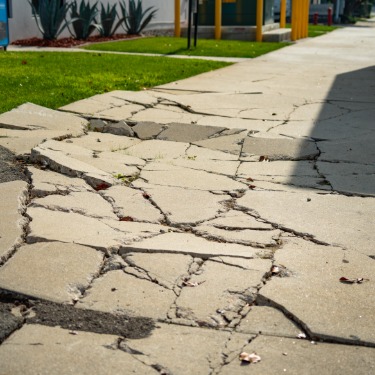
Concrete is durable, which is one reason property owners sometimes assume it requires little attention. Driveways, sidewalks, patios, garage floors, steps, and other concrete surfaces can remain functional for decades, but that does not make them immune to damage.
Cracks are among the most common warning signs. Some cracking is relatively minor, while other cracks may grow as moisture enters the opening and temperatures change. In colder climates, water can freeze and expand inside vulnerable areas, contributing to additional deterioration.
Property owners do not necessarily have to assume that a cracked surface requires demolition. Depending on the extent and cause of the damage, understanding how to repair cracked concrete without replacing the entire surface can help determine whether targeted repairs are appropriate. The important part is noticing changes early rather than waiting until deterioration spreads across a much larger area.
Drainage Around the Building
Water management is easy to overlook when everything appears dry. Unfortunately, poor drainage often reveals itself only after repeated rainstorms or years of gradual erosion.
Downspouts that empty too close to a foundation, clogged drainage channels, improperly graded soil, and low areas where water collects can all create problems. Persistent moisture may contribute to foundation concerns, basement water intrusion, landscape erosion, damaged pavement, and deterioration of exterior building materials.
Owners should periodically observe their property during or shortly after heavy rainfall. Watching where water flows can reveal issues that are almost invisible on a sunny day. Puddles that remain for long periods, overflowing gutters, soil washing away from foundations, and water flowing toward buildings rather than away from them deserve attention.
Correcting drainage early is usually easier than repairing the damage that uncontrolled water can eventually cause.
Exterior Caulking and Sealants
Sealants do not attract much attention, yet they play an important role in protecting buildings from air and moisture infiltration. Caulk is commonly found around windows, doors, penetrations, joints, trim, and numerous transitions between different building materials.
Over time, these materials can shrink, crack, separate, or become brittle. A small opening may seem insignificant, but repeated exposure to rain and temperature changes can allow moisture to reach areas that were intended to remain protected.
Exterior sealants should therefore be inspected periodically rather than treated as permanent materials. Owners should look for visible gaps, peeling sections, cracking, and places where the sealant has pulled away from surrounding surfaces.
Replacing deteriorated sealant is a relatively modest maintenance task. Ignoring it may allow moisture to create problems inside walls or around windows where repairs become considerably more complicated.
Walkways, Steps, and Other Walking Surfaces
Property owners naturally pay attention to roofs, walls, and major mechanical systems because these components represent significant investments. Walking surfaces may receive less attention even though residents, employees, customers, and visitors interact with them every day.
Uneven pavement, loose steps, damaged pavers, cracked sidewalks, and deteriorating edges can create both maintenance and safety concerns. Changes often happen gradually, making them easy to overlook for someone who sees the property every day.
Routine inspections should consider more than appearance. Owners should watch for movement, settlement, loose materials, changes in elevation, and areas that become unusually slippery when wet.
Lighting also matters. A relatively minor defect can become more hazardous when a walkway is poorly illuminated at night. Looking at these areas from the perspective of an unfamiliar visitor can reveal problems that regular occupants have stopped noticing.
Gutters and Downspouts
Cleaning leaves from gutters is familiar maintenance advice, but the condition of the drainage system itself deserves attention as well. Gutters can loosen, develop leaks, pull away from fascia boards, or become improperly pitched. Downspouts can separate or discharge water into undesirable locations.
A gutter may appear functional from ground level while still allowing water to run behind it or overflow during heavy rain. That water can affect siding, fascia, foundations, landscaping, and nearby paved surfaces.
Inspections are especially useful after severe weather. Storms, snow, ice, falling branches, and strong winds can alter drainage components without causing an obvious failure.
The objective is not simply to keep gutters free of debris. It is to make sure the entire system continues directing water safely away from vulnerable areas.
Areas Hidden by Landscaping
Landscaping improves curb appeal, provides shade, and makes outdoor spaces more inviting. It can also conceal developing property problems.
Dense shrubs may hide foundation cracks, damaged siding, deteriorating masonry, pest activity, or moisture problems. Vines growing directly against a structure can make inspections more difficult. Tree roots may affect nearby pavement, retaining walls, drainage systems, and other improvements as they grow.
Vegetation should generally be maintained so that critical exterior areas remain accessible for inspection. Property owners do not need to remove attractive landscaping simply to see every inch of a building, but they should know what is happening behind dense plant growth.
Periodic trimming can improve airflow, provide inspection access, and make changes easier to spot before they become extensive.
Maintenance Is About Catching Changes Early
No property can remain in perfect condition indefinitely. Materials weather, components age, soil moves, sealants deteriorate, and mechanical equipment eventually wears out. Effective maintenance is less about preventing every problem than identifying manageable problems before they become disruptive ones.
That is why the most overlooked areas of property maintenance often deserve as much attention as the obvious ones. Concrete cracks, drainage patterns, aging sealants, hidden exterior surfaces, walking areas, and utility spaces may not demand attention every week, but periodically inspecting them can reveal valuable warning signs.
A property that receives consistent attention is easier to manage because owners can make decisions while problems are still relatively contained. Instead of waiting for something to fail completely, they can repair, reinforce, seal, clean, adjust, or investigate as conditions change. Over the life of a property, that proactive approach can reduce unnecessary costs while helping buildings and exterior features remain safe, functional, and attractive for longer.
Bio: Casey is a passionate copyeditor highly motivated to provide compelling SEO content. Her expertise spans technical, consumer, and lifestyle industries with an emphasis on readability and detail.