Mexico Independence Day 2026 falls on Wednesday, September 16, but the biggest public moments will begin the evening before. From the ringing of bells and patriotic shouts in Mexican town squares to community festivals across the United States, the holiday is both a major national observance and a widely shared cultural event. For travelers, families, and news followers, knowing the difference between September 15 and September 16 is the key to planning well.
Mexico marks the start of its independence movement in 1810, when priest Miguel Hidalgo y Costilla issued a call to action in the town of Dolores. The conflict lasted more than a decade, but Hidalgo's appeal, known as the Grito de Dolores, remains the central symbol of the holiday.
Mexico Independence Day 2026: The Dates That Matter
The official holiday is September 16. In 2026, that date lands in the middle of the week, which may shape travel schedules, school programming, government closures, and local business hours.
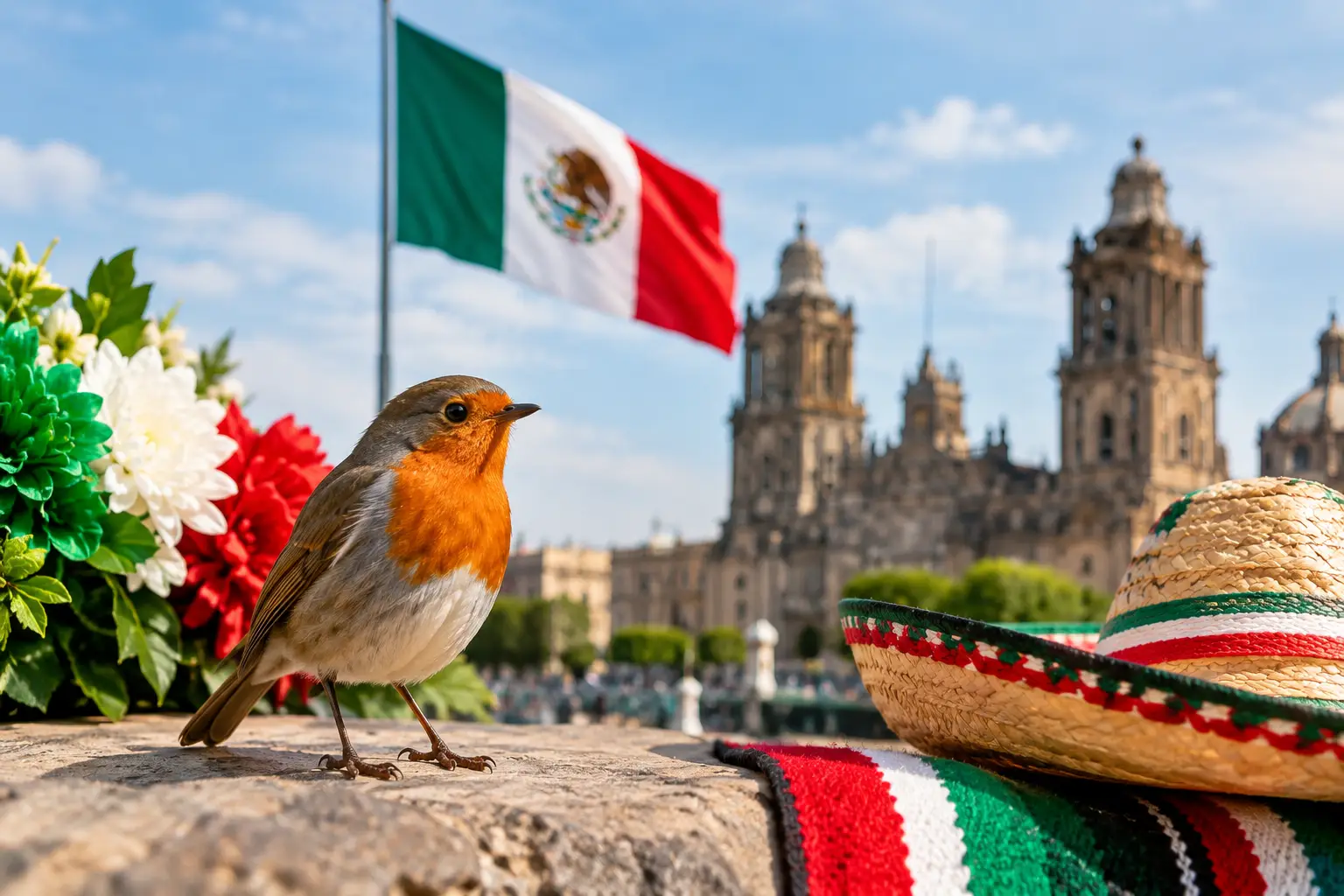
However, Tuesday, September 15, 2026, is the night most visitors associate with the celebration. In cities and towns across Mexico, crowds gather in plazas ahead of midnight for a local version of El Grito. The president traditionally leads the country’s most watched ceremony from the National Palace balcony overlooking Mexico City’s Zocalo. Local officials, mayors, and community leaders conduct similar ceremonies elsewhere.
The sequence is familiar: a bell is rung, names connected to the independence movement are honored, and the crowd responds with patriotic cheers, including “Viva Mexico!” Fireworks, music, food stalls, and late-night gatherings often follow. On September 16, parades, civic ceremonies, military displays, school events, and family celebrations continue the observance.
Exact schedules can vary considerably by state, municipality, venue, and security conditions. Travelers should not assume that every event follows the same timetable or that access to central plazas will be unrestricted.
It Is Not Cinco de Mayo
For American audiences especially, Mexico’s Independence Day is sometimes confused with Cinco de Mayo. They are different observances with different histories.
Cinco de Mayo, celebrated on May 5, commemorates Mexico’s 1862 military victory over French forces at the Battle of Puebla. It has become a major cultural celebration in many U.S. cities, often with festivals and restaurant promotions. Mexico Independence Day, by contrast, is Mexico’s principal national holiday, rooted in the 1810 movement against Spanish colonial rule.
That distinction matters when searching for 2026 coverage or planning a trip. September events in Mexico are likely to have a more formal civic component alongside the public celebration. In the United States, programming may range from heritage festivals and concerts to educational events, Mexican food markets, and civic ceremonies organized by local cultural groups.
What Celebrations Look Like in Mexico
Mexico City will receive much of the international attention, particularly around the Zocalo. It can also be the most crowded and logistically demanding place to experience the holiday. Road restrictions, security screening, tightly packed public areas, and changing transit access are common considerations during major national events.
For travelers who want a different experience, regional celebrations can offer more room to explore local traditions. Dolores Hidalgo in Guanajuato has special historic importance because of its connection to Hidalgo’s original call. Puebla, Guadalajara, Oaxaca, Merida, and many smaller communities also stage distinctive events shaped by regional food, music, crafts, and local civic traditions.
There is a trade-off. Mexico City may offer the scale, national symbolism, and live coverage associated with the presidential Grito. Smaller destinations may be easier for families and can feel more community-centered, but their events may have less predictable information available in English. A hotel concierge, local tourism office, or municipal announcement can be more useful than relying on old festival listings.
Food is central to the season. Expect dishes presented in the colors of the Mexican flag: green, white, and red. Chiles en nogada, a poblano pepper dish with walnut sauce and pomegranate seeds, is strongly associated with the period, though availability is seasonal and regional. Pozole, tamales, tacos, elote, and festive sweets are also common at family gatherings and public events.
Travel Planning for September 15-16
Visitors do not need a complicated itinerary, but they do need realistic expectations. Popular hotels and domestic flights can become more expensive around the holiday, particularly in major cities and heritage destinations. Booking transport and lodging early is sensible if the trip depends on a specific celebration.
Plan airport transfers carefully. Large city centers may have street closures, while ride-share pickup points and taxi routes can change during public gatherings. If attending an evening Grito event, identify how you will return to your hotel before joining the crowd. Public transit can be convenient, but check for altered operating hours and station closures.
Use the same crowd-awareness habits appropriate for any large public celebration. Carry only what you need, keep identification and payment cards secure, maintain a charged phone, and agree on a meeting point if traveling with a group. Families with young children or travelers who dislike dense crowds may prefer a restaurant celebration, a hotel event, or a neighborhood plaza rather than the largest central square.
Also remember that the holiday affects routine services. Banks, government offices, schools, and some businesses may close or operate on reduced schedules on September 16. Restaurants, museums, and attractions may be open, but hours can change. The best approach is to confirm directly with the venue shortly before arrival.
Ways to Celebrate in the United States
Americans do not have to travel internationally to take part respectfully. Cities with large Mexican and Mexican American communities often host September festivals, parades, live music, dance performances, food vendors, and family activities. Announcements are commonly released closer to the date, so local calendars and community organizations are worth watching through late summer.
A meaningful at-home celebration can be simple. Cook a Mexican dish from a trusted recipe, watch reporting on the official Grito, explore the history of the independence movement, or support a locally owned Mexican restaurant or market. The point is not to imitate a national ceremony without context. It is to recognize the history and the living traditions connected to it.
Schools, libraries, and workplaces can also use the occasion to move beyond broad stereotypes. A short program on Hidalgo, Josefa Ortiz de Dominguez, Ignacio Allende, and the long road from the 1810 uprising to independence in 1821 provides more value than treating the date as only a food-and-drink theme.
Following Mexico Independence Day 2026 Coverage
The 2026 observance will produce a fast-moving mix of live ceremony coverage, local reporting, travel updates, weather information, road notices, and entertainment coverage. The national Grito from Mexico City will likely dominate attention, while regional outlets can provide the details that matter most to visitors in specific destinations.
For readers tracking events from the U.S., compare reports from official local sources with reputable news coverage before making plans around a parade route, concert, or public gathering. Event details sometimes change due to weather, public safety measures, or municipal decisions. Video coverage is useful for the atmosphere, but a current local notice is better for practical logistics.
RobinsPost readers can also watch for developments across travel, world news, culture, and live video coverage as the September celebrations approach. The most useful updates are often the practical ones: where crowds are expected, which transit routes are affected, and whether a scheduled public event has changed.
A Respectful Way to Join the Celebration
Mexico Independence Day is joyful, loud, colorful, and deeply civic. It can be enjoyed as a visitor or from afar, but it deserves to be understood as more than a themed party. The holiday honors a defining national struggle, the people associated with it, and the communities that continue to keep its traditions active.
If you are planning for September 15 or 16, 2026, leave room for the unexpected: a neighborhood band, a packed plaza, a late dinner, a changed road route, or a local ceremony that becomes the highlight of the trip. That flexibility will serve you better than trying to turn a living public holiday into a rigid checklist.