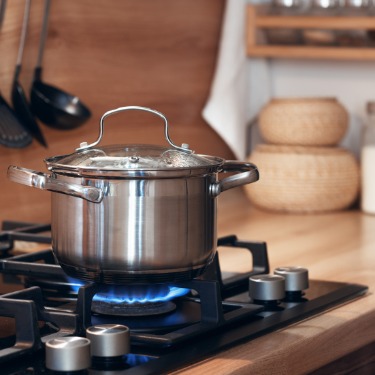
Before replacing an existing range or planning a kitchen renovation, homeowners have to consider whether the room and utility setup suit gas cooking. Cooking habits matter, too, because some households value flame control, while others prefer the smooth surface and efficiency of electric or induction models. Looking closely at those factors will help determine if a gas stove is right for your home without treating one fuel type as the automatic choice.
Check for Existing Gas Service
The first question has little to do with cooking technique and everything to do with the home’s utility setup. A kitchen that already has a natural gas connection near the range location usually presents a more straightforward installation than a home with no gas service in that area. Even with an existing connection, a professional should inspect the shutoff valve and piping before the new appliance goes into place.
Homes without a kitchen gas line involve additional planning. Extending a line through walls, floors, basements, or crawl spaces changes the scope of the project and may affect nearby finishes. If installation becomes part of a larger kitchen project, choosing a reliable renovation contractor helps coordinate the appliance location with utility work and surrounding cabinetry.
Confirm the Kitchen Has Exterior Ventilation
Gas burners produce combustion gases along with the smoke, steam, and grease particles that come from cooking. For that reason, a range hood that exhausts air outdoors is an important part of a gas cooking setup. The hood should sit in a position that captures rising air before those pollutants spread through the room.
A recirculating hood works differently because it filters air and sends it back into the kitchen. Although the filter may trap some grease, it doesn’t remove combustion gases from the home. If a kitchen lacks an exterior exhaust route, homeowners should factor that limitation into the appliance decision before committing to gas.
Think About How You Cook Meals
Someone who prepares most meals on the stovetop will notice the characteristics of gas cooking far more than a household that uses the range a few times each week. Gas burners respond quickly when the flame changes, giving the cook visible feedback when moving between high heat and a low simmer.
Home cooks who frequently sauté vegetables, simmer sauces, sear meat, or use a wok benefit from direct flame control. On the other hand, households that depends heavily on the oven or countertop appliances may not benefit as much from this feature.
Decide How You Feel About Open Flames
With an exposed flame comes extra precautions. Combustible materials, like towels, have to remain away from active burners. You must carefully position pans so that the handles don’t heat up due to the flame. And, if you have young children, the exposed flames could pose safety risks. It’s important to consider how you feel about the presence of a flame in the kitchen and how it would fit into the environment.
Compare Gas With Induction Cooking
Gas isn’t the only option for cooks who value quick temperature changes. Induction cooktops use electromagnetic energy to heat compatible cookware directly, so they respond rapidly without relying on an open flame. Their flat glass surfaces give the kitchen a very different appearance from a traditional gas range.
Cookware becomes part of the comparison because induction requires magnetic materials. Cast iron and many stainless-steel pieces work well, while some aluminum or copper pans won’t function unless they include a magnetic base. Gas burners accept a broader variety of cookware, which may appeal to households that already own a large collection of pots and pans.
Consider the Cleanup Routine
Cooking style affects cleanup just as much as fuel choice. Gas ranges usually include removable grates and burner caps, leaving several edges and recessed areas where grease or boiled-over food may collect. Frequent stovetop cooking means those pieces require regular cleaning to prevent buildup.
Smooth electric and induction cooktops eliminate the grate system, so wiping the surface involves fewer removable components. On the other hand, some homeowners prefer the substantial feel and traditional appearance of gas grates. The decision comes down to whether the household values that cooking surface enough to accept the extra cleanup.
Plan for Burner Maintenance
A gas range contains working parts that require occasional attention. Food debris may block burner openings, and igniters sometimes develop problems after repeated exposure to moisture or residue. Cleaning those areas carefully helps preserve consistent ignition and even flames.
Owners should also pay attention to changes in burner behavior. Delayed ignition, clicking that continues after the flame appears, or uneven flames may point to a maintenance issue. Addressing those symptoms promptly helps prevent a minor problem from interfering with everyday cooking.
Evaluate the Kitchen Layout
Range placement affects how successfully the entire cooking area functions. A stove positioned beneath an exterior-vented hood presents a relatively direct setup, while an island range or interior-wall location may complicate exhaust routing.
Renovations provide an opportunity to rethink those relationships before selecting the appliance. Moving a range could improve the kitchen layout, but the change may also affect fuel piping and duct placement. Looking at the stove as part of the room’s overall design prevents an appliance choice from conflicting with the surrounding space.
Think About Indoor Air Quality
Any cooking method produces airborne particles, particularly when food is fried, seared, or accidentally burned. Gas cooking introduces combustion byproducts in addition to those food-related emissions. Good ventilation therefore becomes especially valuable in a kitchen with a gas range.
Households with concerns about indoor air quality should weigh that factor alongside cooking preferences. Running an exterior-vented hood during stovetop use helps remove polluted air from the kitchen. Opening a nearby window may improve airflow, but it doesn’t replace a properly designed exhaust system.
Recognize When a Gas Stovetop Is a Poor Fit
Some kitchens simply don’t suit gas cooking. A home without gas service may face extensive utility work, especially if the kitchen sits far from an existing supply line. Limited ventilation options may present another reason to consider a different appliance.
Don’t count out your personal preferences. Someone who dislikes exposed flames or wants a flat cooking surface may feel more satisfied with induction or electric cooking. In that situation, forcing a gas range into the plan offers little value.
Find the Perfect Stovetop
The answer to whether a gas stove is right for your home depends on the room itself and the people who use it. A gas range may suit a kitchen that already has the proper infrastructure and a household that values direct flame control. When the layout or everyday preferences point elsewhere, electric and induction models offer strong alternatives. Choosing the appliance that fits the home’s conditions leads to a kitchen that functions effortlessly.
Bio: Casey is a passionate copyeditor highly motivated to provide compelling SEO content. Her expertise spans technical, consumer, and lifestyle industries with an emphasis on readability and detail.