A busy commercial kitchen can go from running smoothly to facing a safety emergency in seconds. Between hot cooking equipment and employees moving through tight spaces, everyday operations come with plenty of potential hazards. Creating a safer commercial kitchen environment starts with recognizing these risks and taking practical steps to prevent accidents. From maintaining equipment to improving employee training, here's how to make your kitchen a safer place to work.
Identify Common Kitchen Hazards
Before making improvements, take a closer look at the risks employees face during a typical shift. Commercial kitchens contain numerous hazards, from hot cooking surfaces and sharp utensils to heavy equipment and slippery floors. Even familiar tasks can cause injuries when workers rush to prepare orders or navigate crowded workstations.
Walk through your kitchen during both busy and quieter periods to identify areas where accidents are most likely to occur. Look for narrow walkways, poorly positioned equipment, and storage areas that make lifting or reaching difficult. Also ask employees about their daily safety concerns, as they may notice problems managers overlook.
Strengthen Fire Prevention Measures
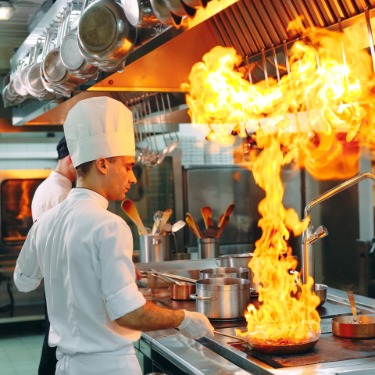
Cooking fires are among the most serious hazards in commercial kitchens, especially where high temperatures and grease are involved. To create a safer commercial kitchen environment, restaurant operators should establish clear fire prevention procedures and inspect cooking equipment regularly. Keeping flammable materials away from heat sources is another important precaution that reduces fire risk.
Owners can also use a restaurant fire safety checklist to simplify routine inspections. Make sure fire extinguishers are accessible, and emergency exits remain unobstructed. Addressing potential hazards protects your employees, customers, and property.
Maintain Fire Suppression Equipment
Commercial kitchens often rely on specialized fire suppression systems designed to control fires involving cooking oils and grease. When activated, these systems discharge suppression agents over protected cooking equipment. However, they need professional inspections and maintenance to remain dependable, so follow applicable requirements and the manufacturer's recommendations. Employees should also know how to activate the system manually and recognize when evacuation is the safest response.
Prevent Slips, Trips, and Falls
Spilled liquids and greasy floors can quickly turn a busy kitchen into a dangerous workspace. When employees carry hot food or sharp utensils, losing their footing can lead to serious injuries. Fortunately, consistent housekeeping practices can prevent many of these accidents.
Encourage your staff to follow these everyday safety practices:
- Clean up spills immediately using appropriate cleaning products and procedures.
- Place slip-resistant mats in areas where water or grease frequently accumulates.
- Wear slip-resistant footwear designed for commercial kitchen environments.
- Keep walkways free from boxes and unnecessary equipment.
- Inspect flooring regularly for loose tiles, damaged surfaces, or uneven areas.
Maintain Ventilation and Kitchen Equipment
A properly functioning ventilation system removes heat and cooking fumes from your kitchen. Over time, however, grease can accumulate inside exhaust hoods and ductwork, increasing the risk of a fire. Routine maintenance keeps these systems running efficiently and prevents hazardous buildup.
Cooking appliances also require regular inspections to remain safe and reliable. Watch for damaged electrical cords, unusual noises, leaks, or other signs that equipment isn't functioning correctly. If you notice a problem, take the affected appliance out of service until a qualified professional inspects it and makes repairs.
Improve Food Handling and Chemical Safety
Protecting employees and customers also means maintaining proper food handling practices. Unsafe storage temperatures and cross-contamination can increase the risk of foodborne illness, even when ingredients appear fresh. Establish clear procedures for checking food temperatures and keeping preparation areas sanitary throughout the day.
Cleaning chemicals present another concern, particularly when employees handle them incorrectly or store them near food. Store these products in clearly labeled containers in designated areas, away from ingredients and food-contact equipment. Staff should also understand how to use each product safely, including when protective equipment is necessary.
Prevent Cross-Contamination During Preparation
Keep raw meat, poultry, and seafood separate from ready-to-eat foods during storage and preparation. Using designated cutting boards and utensils reduces the risk of transferring harmful microorganisms between ingredients. Employees must also wash their hands thoroughly after handling raw foods and whenever switching tasks could introduce contamination. In addition, regularly clean and sanitize food-contact surfaces using approved products and procedures.
Train Employees for Emergencies
Even a well-maintained kitchen can experience an unexpected emergency, so employees need to be prepared. Workers should understand how to respond to fires and injuries, along with other situations that could put themselves or their coworkers at risk. Regular training builds familiarity with emergency procedures and reduces confusion when quick decisions are necessary.
Make sure your kitchen's safety training program covers these essential practices:
- Show employees where emergency exits, fire extinguishers, and first-aid supplies are located.
- Explain how to report hazards and malfunctioning equipment promptly.
- Practice evacuation procedures so employees know where to gather outside the building.
- Teach workers how to shut down cooking equipment safely when conditions allow.
- Review proper lifting techniques to reduce injuries when handling heavy supplies.
Build Consistent Daily Safety Habits
A safer workplace depends on consistent habits. Make safety checks part of your team's normal routine, whether they're preparing for service or cleaning up at closing time. Clear responsibilities also make it easier to spot problems before they disrupt operations.
Managers can reinforce these expectations by demonstrating safe practices and responding promptly when staff members raise concerns. Brief conversations before busy service periods are a good opportunity to discuss potential hazards or equipment issues. Recognizing employees who consistently follow procedures can encourage others to take workplace safety seriously.
Review Incidents and Near Misses
Encourage employees to report near misses without automatically facing blame or punishment, so you can investigate and correct problems. For instance, repeated spills in the same location might indicate a drainage problem, while frequent collisions between workers could point to a poorly organized workspace. Use these observations to adjust procedures or provide additional training before someone gets hurt.
A commercial kitchen runs best when everyone understands their role in keeping the workplace safe. While managers establish procedures and provide the right resources, employees contribute by staying alert and speaking up when something seems wrong. Building this shared sense of responsibility can strengthen teamwork and make demanding shifts easier to manage. Over time, these habits create a kitchen culture where safety and productivity work hand in hand.
Bio: Casey is a passionate copyeditor highly motivated to provide compelling SEO content. Her expertise spans technical, consumer, and lifestyle industries with an emphasis on readability and detail.