Biophilic design brings the natural world into urban environments, creating spaces where people can thrive. For urban planners, it’s a way to boost well-being, improve air quality, and make cities more livable. Incorporating biophilic elements into your projects allows you to transform gray, concrete-heavy spaces into green, rejuvenating environments. Here are five ways to create green urban spaces with biophilic design elements.
Vertical Gardens
Turning blank urban walls into lush vertical gardens is a great way to integrate greenery into limited spaces. These living walls don’t just look good; they provide cleaner air by filtering pollutants and boosting oxygen levels. Vertical gardens can emphasize native plants to promote biodiversity and attract pollinators, making the urban environment healthier and more sustainable. Plus, they contribute to energy efficiency by reducing the heat island effect in cities. Urban planners can partner with local nurseries or green technology companies to make these vibrant walls a reality.
Water Features
The presence of water has a calming effect on people, making water features a valuable addition to green urban spaces. Thoughtfully placed fountains, artificial ponds, and streams can create tranquil spots amid the city bustle. These elements reduce urban noise and can improve a resident’s and visitor’s mental health. When sourcing materials for such features, consider designs that recycle water or use natural filtration systems to minimize resource consumption. This simple addition can transform parks, plazas, or office courtyards into places of serenity.
Maximizing Natural Light
Urban spaces with abundant natural light improve both physical and mental health. Designing city spaces such as walkways, buildings, and recreational areas to maximize sunlight exposure can increase productivity and mood. Incorporating large windows, reflective surfaces, and open layouts can help bring in daylight, reducing the need for artificial lighting. People exposed to more natural light experience better sleep patterns and reduced stress levels. Urban planners should prioritize unobstructed sunlight paths in residential and commercial projects.
Green Roofs
Green roofs are an innovative way to enhance rooftop design while benefiting the environment. These rooftop gardens reduce energy costs by cooling buildings, managing stormwater runoff, and creating new recreational areas for urban residents. By blending native plant species with functional layouts, planners can make rooftops valuable extensions of green spaces in the city. Seating, shaded areas, and even small community gardens can encourage social interaction and relaxation. Green roofs represent a sustainable design trend with immense potential for increasing urban greenery.
Natural Materials
Using natural materials enhances urban spaces in both aesthetics and sustainability. Building with wood, bamboo, and reclaimed materials can significantly reduce environmental impact while fostering a closer connection to nature. Stone pathways, wooden facades, or even earth-tone finishes give urban environments a grounded, natural feel. These materials are usually more energy-efficient and often last longer than synthetic options. Working with suppliers focusing on sustainable practices ensures that your projects align with global environmental goals.
Biophilic design offers urban planners a way to reimagine the cityscape with innovation and sustainability at its core. You can build spaces where people and nature coexist harmoniously. These efforts will not only improve the quality of urban living today but also pave the way for greener, healthier cities in the future. Start planning now to lead the movement toward more sustainable urban environments.
Bio: Casey is a passionate copyeditor highly motivated to provide compelling SEO content in the digital marketing space. Her expertise includes a vast range of industries from highly technical, consumer, and lifestyle-based, with an emphasis on attention to detail and readability.
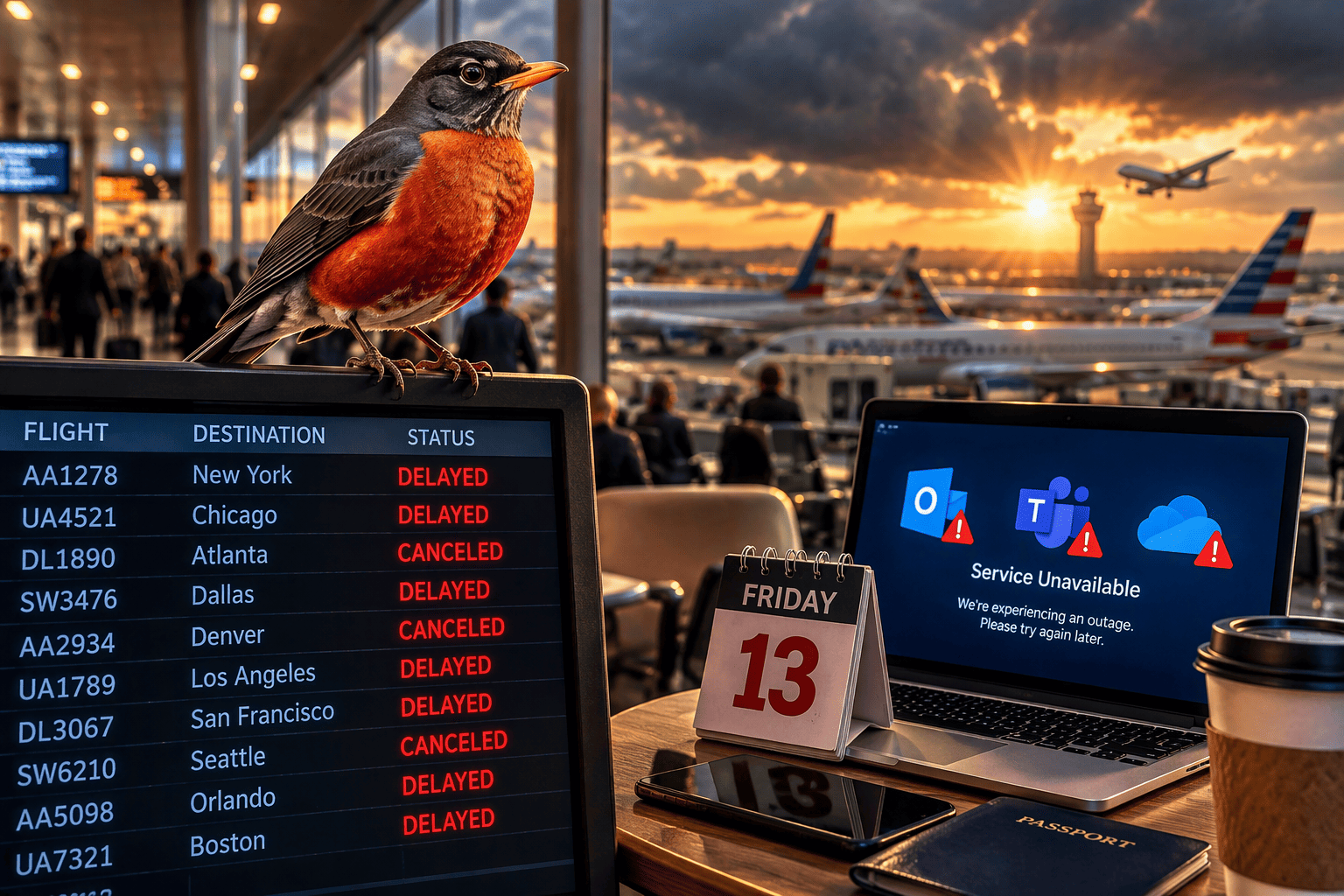
For generations, Friday the 13th has carried a reputation for bad luck, strange coincidences, and stories that seem too unbelievable to be true. Most years, the date passes with little more than jokes, memes, and references to superstition. This year, however, Friday the 13th delivered a series of events that left many Americans wondering if the calendar itself had become part of the story. What b...
A breaking headline can reach your phone through a live video stream, a short social post, a creator’s clip, or a message shared by a friend. The difference matters. Streaming news versus social media is not simply a choice between two screens. It is a choice between different speeds, standards, signals, and risks when you are trying to understand what is happening. For many readers, the best answ...
A black cat crosses the sidewalk, a hotel skips the 13th floor, and someone notices the calendar before booking a flight. Friday the 13th traditions turn an ordinary date into a small annual test of nerve, humor, and habit. For some Americans, it is a reason to avoid risk. For others, it is a ready-made excuse for a horror movie marathon, a themed party, or a little friendly mischief. The date car...
A heating bill can jump long before the thermostat seems unusually high. Often, the problem is not one expensive habit but a chain of small losses: air leaking around a door, a clogged filter, rooms heated when nobody uses them, or a system working harder than it should. To cut heating costs in winter, focus first on the heat your home is already producing and where it is escaping. This practical...
A Sagittarius forecast can read like a call to book a trip, speak your mind, or take a chance on a bigger idea. That energy is not accidental. The sagittarius horoscope meaning is rooted in a sign associated with movement, optimism, learning, and a strong preference for open horizons over tight restrictions. Still, a horoscope is more useful when read as a prompt for reflection than as a fixed scr...