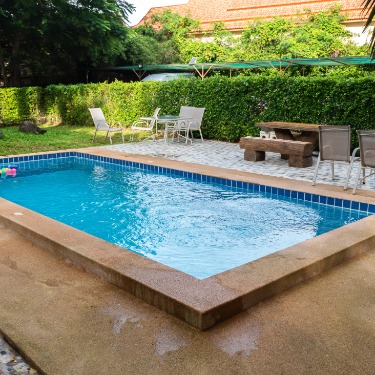
Small backyards can still accommodate refreshing swimming pools when homeowners approach installation with thoughtful planning. Understanding tips for installing a pool in a small backyard helps you make the most of every available foot without overwhelming your property. The right design can transform an overlooked yard into a welcoming retreat while preserving room for everyday activities. Before selecting materials or contacting contractors, consider how you want to use your pool and how its placement will affect the surrounding landscape.
Evaluate Your Available Space
Start by measuring your backyard and identifying the areas that could accommodate a pool. Account for property boundaries and existing structures before imagining where the water should go. Remember that the pool itself occupies only part of the required space. You also need safe access around its perimeter and room for necessary equipment.
A pool should not block essential pathways or make outdoor doors difficult to reach. Consider whether you want space for seating after installation. Mapping these needs early helps you avoid choosing a pool that feels disproportionately large once construction finishes.
Choose a Shape That Complements the Yard
Pool shape influences how efficiently you use a compact outdoor area. Rectangular designs often fit neatly alongside fences or patios, creating clean edges that simplify furniture placement. Rounded pools can soften an angular landscape, although their curves sometimes leave awkward unused corners. A narrow lap pool may suit homeowners who prioritize exercise over lounging.
When deciding which pool shape fits your backyard best, think about how the design supports your preferred activities. A plunge pool offers a refreshing place to cool off without demanding the footprint of a traditional swimming pool. A shape that looks appealing in a catalog might feel different when you mark its actual dimensions on your lawn.
Consider Pool Depth Carefully
Depth affects construction requirements and the way your family can use the water. A consistently shallow plunge pool may provide enough room for cooling off and relaxed socializing. Deeper sections require additional excavation and may create complications where underground conditions limit digging.
Avoid assuming that a small pool needs a deep end. A modest, consistent depth can make the interior feel more usable for casual enjoyment. However, safe depths depend on the activities and features you plan to include. Never design a compact pool for diving unless qualified professionals confirm that the entire installation meets applicable safety requirements.
Plan for Sunlight and Shade
Watch how sunlight moves across your yard throughout the day. Nearby buildings and mature trees can create shaded areas that influence water temperature and swimming comfort. Positioning the pool where it receives suitable sunlight may reduce your reliance on heating during warmer months.
Consider how trees affect maintenance as well. Overhanging branches can drop leaves into the water and complicate cleaning. Balance sunlight with privacy so your pool feels comfortable during the hours you expect to use it most.
Select Materials That Suit Your Needs
Different pool construction methods offer distinct advantages in a small yard. Fiberglass shells arrive in predetermined shapes, which can simplify some installation stages but limit customization. Concrete pools allow greater flexibility when your available footprint has unusual dimensions. Vinyl liner pools provide another option, although their liners require eventual replacement.
Ask contractors how each material affects installation access and long-term upkeep. Tight yards may restrict the machinery needed to deliver or position certain pool components. Compare durability with maintenance expectations before making your decision, and request detailed proposals that explain what each installation includes.
Protect Access During Construction
A compact backyard can make construction logistics surprisingly complicated. Contractors need a workable route for equipment and excavated soil, even when the finished pool occupies little space. Narrow gates or closely spaced neighboring structures may require specialized machinery.
Discuss these obstacles during the initial site visit rather than after signing a contract. Ask how workers will protect nearby landscaping and existing patios. Confirm where workers can store materials without blocking household entrances. Planning construction access carefully can reduce unnecessary damage and help the project proceed more smoothly.
Incorporate Space-Saving Features
Built-in seating can make a small pool more versatile without requiring a separate lounging area. A submerged bench offers a place to relax while leaving much of the water open. Compact entry steps can preserve swimming space compared with oversized stair designs.
Keep surrounding furnishings proportional to the available deck area. Slim chairs or movable seating may work better than bulky outdoor sectionals. Thoughtful lighting can also improve evening usability without consuming valuable ground space. Aim for a layout that feels open rather than filling every remaining corner with decorative elements.
Prioritize Safety and Local Requirements
Before construction begins, check local permit rules and setback requirements. Your municipality may regulate pool barriers and the distance between water and property lines. Utility easements can also restrict where contractors excavate. Contact the appropriate utility locating service before anyone digs, and have professionals evaluate site drainage.
Plan protective barriers that meet applicable codes, particularly when children may access the yard. Gates should close and latch as required, and the surrounding surface should provide dependable traction. Consider where water will flow during heavy rain so runoff does not collect near your home's foundation. Safety decisions belong at the beginning of the design process, not at the end.
Create a Backyard That Feels Balanced
The best compact pool installations leave enough breathing room for the entire yard to function. Use consistent paving materials to visually connect the pool with existing outdoor spaces. Vertical planting can introduce greenery without occupying large sections of the ground. Choose plants suited to the moisture and maintenance conditions near swimming water.
Pumps and filters need accessible locations for servicing, even when you prefer to keep them out of sight. A discreet enclosure can soften their appearance if it allows proper ventilation and access. Small adjustments to sightlines can make the finished setting feel more spacious.
Make Your Small Backyard Pool Work
Following tips for installing a pool in a small backyard helps you create a relaxing retreat without overwhelming your outdoor space. Choose a design that complements your yard and work with experienced contractors to address installation challenges. Consider maintenance needs early to ensure your pool remains enjoyable. With thoughtful planning, even a compact backyard can accommodate a beautiful, functional swimming pool.
Bio: Casey is a passionate copyeditor highly motivated to provide compelling SEO content. Her expertise spans technical, consumer, and lifestyle industries with an emphasis on readability and detail.