


 RSS
RSS
World News
World News On YouTube
Trusted reliable news sources from around the web. We offer special news reports, topic news videos, and related content stories. Truly a birds eye view on news.
- Details
- Written by Bing News Search Results
- Category: Global News Trends
From AI safety and humanoid robots to autonomous weapons, smart glasses and new sources of energy 2027 will bring technologies that reshape how we work, live and interact ...
Original Image Link
Source:www.forbes.com
Original Image Link
Source:www.forbes.com
- Details
- Written by Bing News Search Results
- Category: Daily Global News
I’ve lived in five countries and coached leaders across continents, engaging in conversations that cross cultures, industries and worldviews. Over the years, I’ve come to believe that global ...
Original Image Link
Source:www.forbes.com
Original Image Link
Source:www.forbes.com
- Details
- Written by Robin Casey
- Category: Global World Topics
A grocery bag can hold foods with very different storage rules: a jar of peanut butter, a carton of eggs, ripe berries, raw chicken, and a shelf-stable soup carton. Knowing which foods need refrigeration is less about memorizing every item and more about spotting the foods where warmth lets harmful bacteria grow quickly.
For most home refrigerators, the target temperature is 40°F or below. The refrigerator slows bacterial growth, but it does not make food safe indefinitely. Dates, packaging instructions, preparation method, and how long an item sat out all still matter.
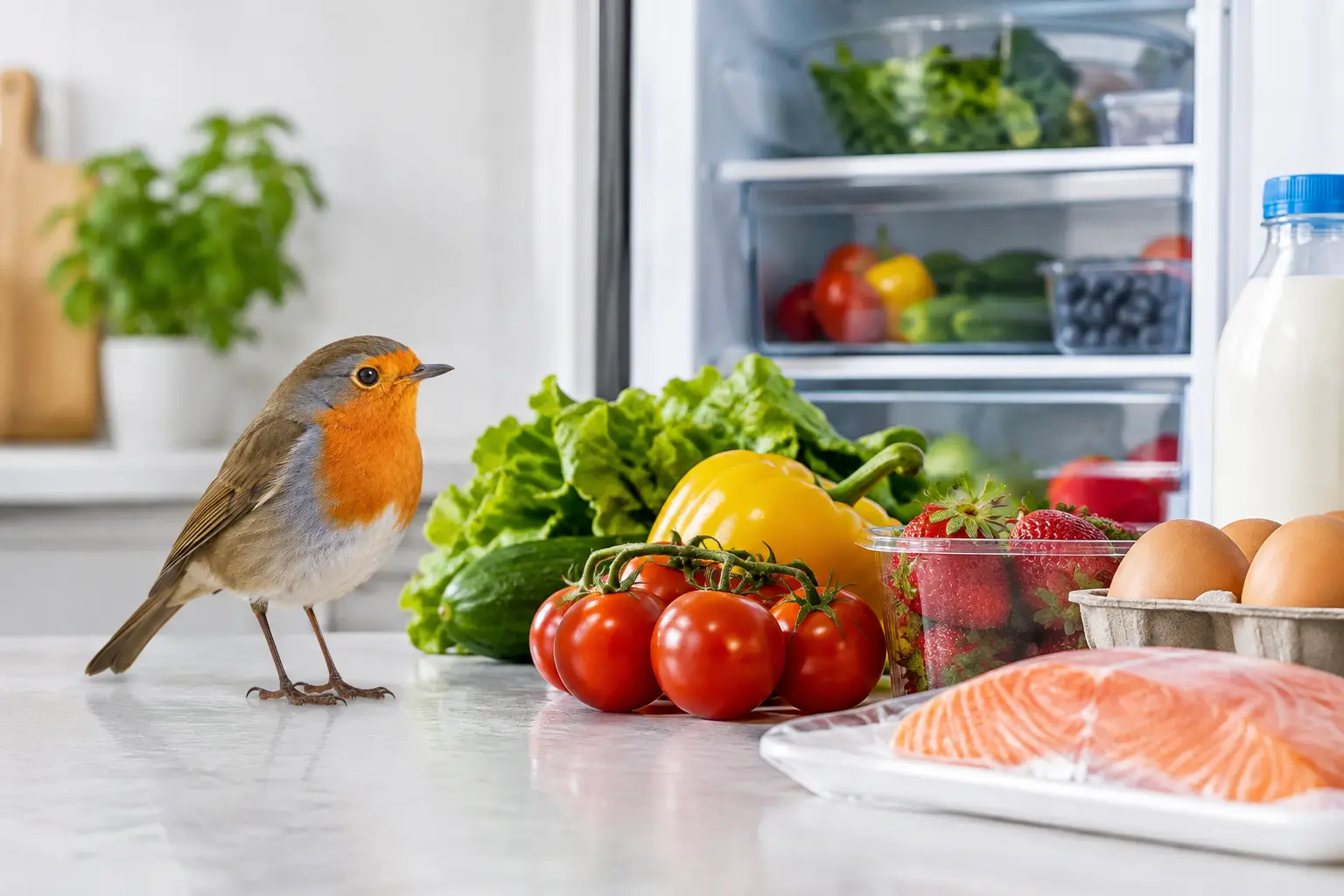
Which Foods Need Refrigeration Right Away?
Foods that are perishable, opened after shelf-stable packaging, or labeled “keep refrigerated” should go into the refrigerator promptly. This includes raw meat and poultry, seafood, milk, yogurt, eggs, soft cheeses, leftovers, and most prepared foods.
The key concern is the temperature danger zone, generally 40°F to 140°F. In that range, certain bacteria can multiply fast enough to create a real food safety risk. Perishable food should not remain at room temperature for more than two hours. If the room or outdoor temperature is above 90°F, that window drops to one hour.
Raw meat, poultry, and seafood
Raw beef, pork, lamb, chicken, turkey, fish, and shellfish all need refrigeration. Put them away as soon as possible after shopping, ideally in a separate bag so juices cannot leak onto ready-to-eat foods.
Store raw meat and seafood on the bottom shelf, in a tray or sealed container. That simple placement helps prevent drips from contaminating produce, drinks, or leftovers. If you will not use the item within a few days, freezing is the safer option.
Do not thaw meat on the counter. Thaw it in the refrigerator, in cold water changed regularly, or in the microwave if you will cook it immediately afterward.
Dairy, eggs, and refrigerated alternatives
Milk, cream, yogurt, cottage cheese, sour cream, and most dairy-based dips need refrigeration. So do plant-based milks, creamers, and yogurts once their labels say they require it. Some unopened cartons are shelf-stable, but after opening, they belong in the refrigerator.
In the United States, eggs should be refrigerated. Keep them in their original carton rather than transferring them to the refrigerator door, where temperatures change more often. The main interior shelves are more stable.
Cheese depends on the type.
- Details
- Written by Bing News Search Results
- Category: Global News Trends
Arguably the biggest hair trend of 2026, bobs, in the form of the graduated, swinging, sleek and short, and strong bobs, will continue to trend into the fall season. Shaggy layers, ’70s boho texture, ...
Original Image Link
Source:www.vogue.com
Original Image Link
Source:www.vogue.com
- Details
- Written by Bing News Search Results
- Category: Daily Global News
The Farmers’ Almanac has outlined what Americans can expect from the weather this Thanksgiving, from sunshine to possible snow.
Original Image Link
Source:www.msn.com
Original Image Link
Source:www.msn.com
- Details
- Written by Bing News Search Results
- Category: Global News Trends
Compared to the exit polls, the Times Voter Trends analysis of the 2024 election shows a larger gender gap, especially among young voters. Similarly the Times analysis shows that President Trump made ...
Original Image Link
Source:www.nytimes.com
Original Image Link
Source:www.nytimes.com
Daily Global News Article Count: 98
Global News Trends Article Count: 210
Global World Topics Article Count: 1878

Related Product Search/Búsqueda de productos relacionados




